Yukata vs Jinbei: The 2026 Summer Casual Wear Guide
Navigating Japan's 2026 Summer Heat in Traditional Style
Summer in Japan is a sensory explosion of vibrant fireworks, rhythmic bon odori dances, and bustling street food stalls. However, it is also a season defined by intense, humid heat. As we navigate the summer of 2026, with meteorologists noting increasingly sustained high temperatures across the archipelago, choosing the right traditional garment is no longer just a matter of aesthetics—it is a matter of climate adaptation and personal comfort. For travelers and locals alike, the debate often comes down to two iconic pieces of lightweight clothing: the yukata and the jinbei. While both are deeply rooted in Japanese culture and designed for warm weather, they serve distinctly different purposes, carry varying levels of formality, and require different styling approaches. This comprehensive guide will break down the nuances of yukata versus jinbei, helping you make the perfect sartorial choice for your 2026 summer itinerary.
The Yukata: Elegant Festival Ready
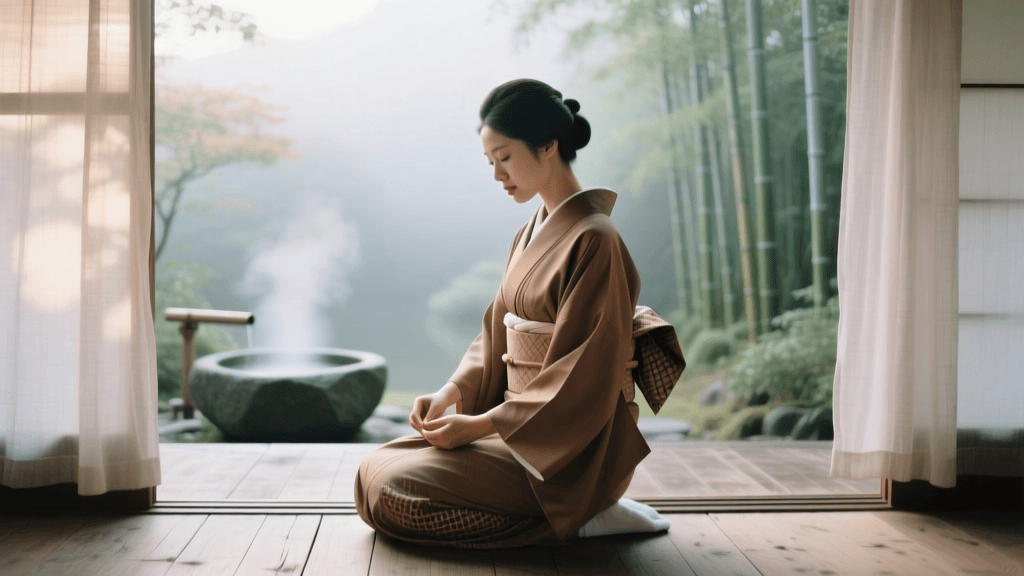
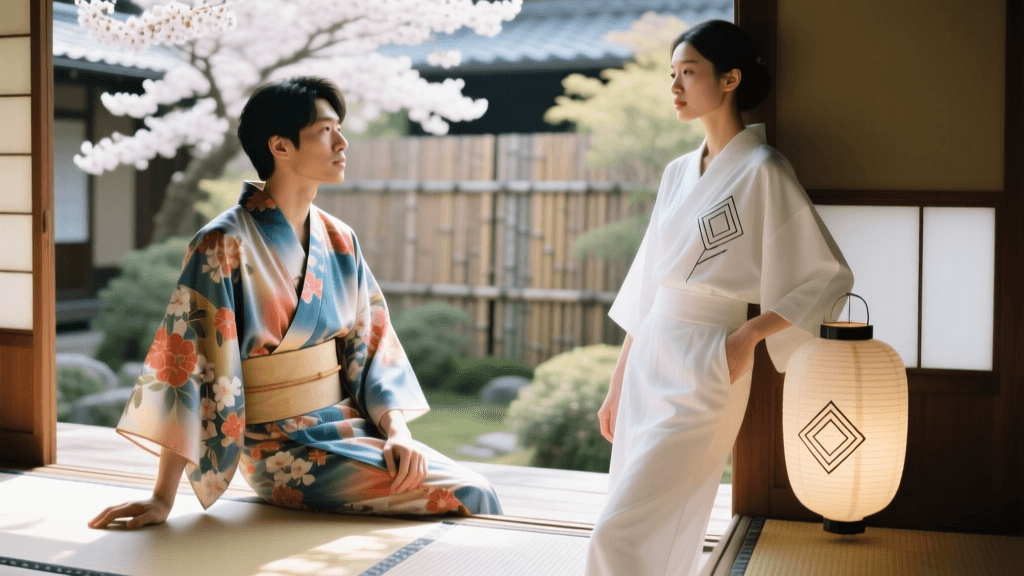
The yukata is a lightweight, unlined cotton kimono that has become synonymous with Japanese summer festivals (matsuri) and fireworks displays (hanabi). According to the Victoria and Albert Museum's extensive archive on Japanese garments, the yukata evolved from the Edo-period yukatabira, a simple hemp or cotton bathing robe worn by the aristocracy. Over the centuries, it transitioned into the vibrant, everyday summer streetwear we recognize today.
2026 Fabric Innovations and Styling
In 2026, the traditional cotton yukata has seen remarkable technological upgrades. Textile manufacturers in regions like Aichi and Okayama are now blending organic cotton with AI-assisted climate-responsive cooling yarns. These modern blends wick moisture away from the skin at a significantly higher rate than traditional weaves, providing a crucial edge during humid August evenings. Furthermore, sustainable dyeing techniques have taken center stage. Tokushima's famous Awa indigo is now being paired with eco-friendly mordants, resulting in rich, colorfast blues that do not bleed onto the skin when you sweat.
Styling a yukata requires a bit more effort than modern Western clothing. It is a single-piece wrap garment secured by an obi (sash). For women, the obi is often tied in elaborate bows at the back, while men typically wear a simpler, narrower obi tied at the hips. The Japan National Tourism Organization (JNTO) frequently highlights summer matsuri as a peak cultural experience, and arriving in a properly fitted yukata shows a deep respect for the local customs. Footwear is strictly traditional: wooden geta or woven zori sandals, paired with bare feet or specialized toe-split tabi socks.
The Jinbei: Ultimate Casual Comfort
If the yukata is the elegant star of the summer festival, the jinbei is the undisputed king of casual comfort. Originally derived from the jinbaori—a sleeveless vest worn by samurai over armor—and later adapted by Buddhist monks as practical workwear, the jinbei is a two-piece garment consisting of a short-sleeved wrap top and matching shorts. Both pieces are secured with simple fabric ties, eliminating the need for complex obi knots.
The 2026 Gender-Neutral Jinbei Boom
Historically, jinbei were predominantly worn by men and children, often serving as loungewear or pajamas at home and in traditional ryokan inns. However, 2026 has seen a massive cultural shift. Modern fashion portals like Matcha Japan Web Magazine have noted a surge in gender-neutral and women-specific jinbei designs. Brands are now releasing jinbei sets featuring elegant floral prints, premium linen blends, and tailored shorts that offer a chic, breezy alternative to the more restrictive yukata.
The beauty of the jinbei lies in its unparalleled ease of wear. You can slip it on in seconds, and the two-piece construction allows for maximum airflow and unrestricted movement. Unlike the yukata, which requires careful attention to the hemline and collar alignment, the jinbei is forgiving and highly practical. It is the garment of choice for neighborhood shrine festivals, casual evening strolls to the local convenience store, or simply lounging on the engawa (wooden veranda) of a rural guesthouse.
Head-to-Head Comparison: Yukata vs. Jinbei
To help you decide which garment to pack or rent for your 2026 trip, here is a structured comparison of their core features:
| Feature | Yukata | Jinbei |
|---|---|---|
| Formality | Semi-Formal / Festival Wear | Highly Casual / Loungewear |
| Structure | One-piece wrap robe | Two-piece (Top and Shorts) |
| Fastening | Obi sash (requires tying skills) | Simple fabric ties (very easy) |
| Footwear | Geta or Zori sandals | Barefoot, sandals, or sneakers |
| Heat Management | Good (but layers can trap heat) | Excellent (maximum airflow) |
| Best Occasions | Fireworks, major temples, ryokan dinners | Local matsuri, lounging, street food tours |
| 2026 Avg. Cost | ¥5,000 - ¥15,000 ($35 - $100 USD) | ¥3,000 - ¥8,000 ($20 - $55 USD) |
Choosing the Right Garment for Your Itinerary
Your choice between a yukata and a jinbei should be dictated by your daily activities and the specific venues you plan to visit.
When to Choose the Yukata
Opt for the yukata if you are attending a major, highly publicized event. The Sumidagawa Fireworks Festival in Tokyo or the Gion Matsuri in Kyoto are prime examples where the yukata shines. It is also the expected attire for evening kaiseki dinners at mid-to-high-end ryokans. Furthermore, if you plan on visiting historic temples or participating in a traditional tea ceremony that permits summer casual wear, the yukata provides the necessary modesty and elegance. Remember that wearing a yukata requires a time investment; allocate at least 30 to 45 minutes to dress properly, or book a session at a local rental shop where professionals will dress you and style your hair.
When to Choose the Jinbei
The jinbei is your best friend for high-mobility, low-stress days. If your itinerary involves hopping between street food stalls at a local neighborhood bon odori, where you will be sitting on benches, eating takoyaki, and navigating crowded, humid streets, the jinbei's practicality is unmatched. It is also the superior choice for travel days. Taking the Shinkansen in a jinbei is incredibly comfortable, and it transitions seamlessly into evening loungewear once you arrive at your accommodation. For solo travelers or those prioritizing comfort over photographic elegance, the 2026 premium linen jinbei sets are a revelation.
Essential Accessories for Both Garments
No traditional summer outfit is complete without the right accessories. For both yukata and jinbei, carry a kinchaku (a traditional drawstring bag) to hold your modern essentials like your smartphone and IC transit card. An uchiwa (rigid paper fan) or a sensu (folding fan) is not just a stylish prop; it is a vital tool for generating a personal breeze during humid evenings. In 2026, you will also see many locals utilizing wearable cooling neck rings—sleek, minimalist tubes filled with phase-change materials that freeze at 28°C (82°F)—worn discreetly under the collars of both yukata and jinbei to combat the urban heat island effect.
Where to Shop in 2026
If you wish to purchase your own garments to take home, Tokyo's Asakusa district remains the premier destination. Nakamise Shopping Street offers a mix of budget-friendly, machine-washable yukata sets perfect for beginners, while nearby boutiques specialize in artisanal, hand-dyed pieces. For jinbei, the sprawling markets of Ameyoko in Ueno offer incredible bargains, often selling high-quality cotton sets for under ¥4,000. In Kyoto, the streets surrounding Yasaka Shrine in the Gion district feature high-end boutiques where you can invest in heirloom-quality garments dyed with natural plant extracts.
Conclusion
The choice between a yukata and a jinbei ultimately comes down to the balance you wish to strike between tradition, elegance, and sheer comfort. The yukata offers a deeply immersive, photogenic connection to Japan's festival heritage, demanding a bit of patience and practice to wear correctly. The jinbei, conversely, offers an unpretentious, highly functional embrace of Japanese summer life, prioritizing ease and breathability above all else. By understanding the unique strengths of each garment, you can curate a 2026 summer wardrobe that keeps you cool, respectful, and perfectly attuned to the rhythm of the Japanese season.