Mindful Kitsuke: Kimono Dressing And Wellness In 2026
In an era increasingly defined by digital fatigue and algorithmic micro-trends, the year 2026 has witnessed a profound cultural shift toward intentional, grounded living. At the heart of this global wellness movement is the resurgence of kitsuke (着付け)—the traditional Japanese art of dressing in a kimono. No longer reserved solely for weddings, tea ceremonies, or coming-of-age celebrations, the kimono is being embraced by a new generation of practitioners as a powerful tool for mindfulness, mental wellbeing, and slow fashion advocacy. By transforming the act of getting dressed into a deliberate, meditative ritual, individuals are finding an antidote to the chaos of modern life.
The Intersection of Kitsuke and Mindfulness
The practice of mindfulness involves anchoring one's attention to the present moment, engaging fully with the sensory experience at hand. According to Harvard Health Publishing, mindfulness practices that involve focused physical routines can significantly reduce cortisol levels, alleviate anxiety, and improve overall emotional regulation. Kitsuke is inherently a moving meditation. Unlike slipping into a mass-produced t-shirt, wrapping a kimono requires a sequence of deliberate, tactile actions that demand absolute presence.
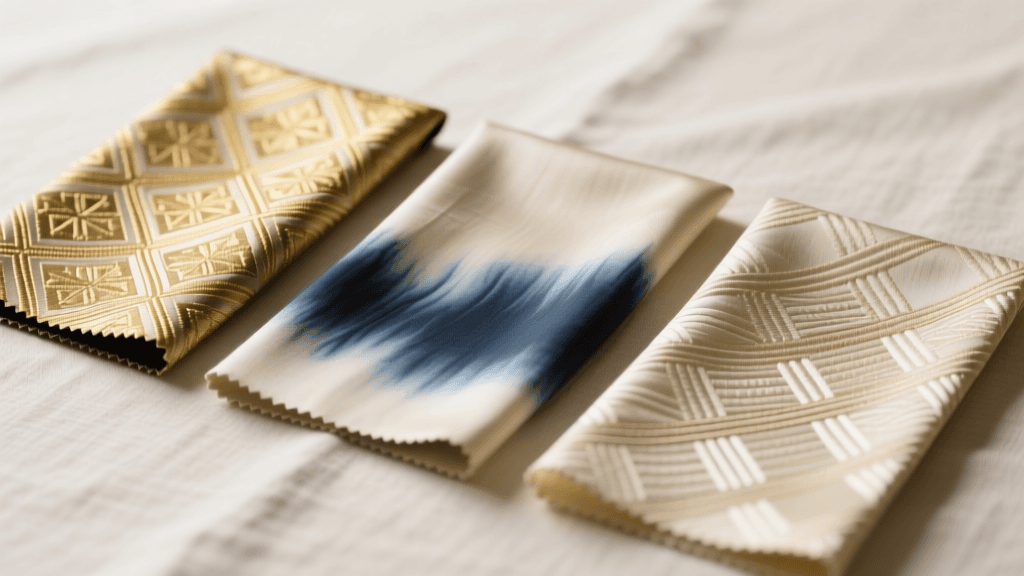
When you begin the kitsuke process, you are immediately grounded by sensory inputs: the cool, smooth glide of silk against the skin, the subtle scent of camphor and cedar from the tansu (traditional wooden chest), and the visual harmony of the textile's dyed patterns. Adjusting the eri (collar) to sit perfectly at the nape of the neck, or tightening the koshihimo (waist ties) with just the right amount of tension, forces the mind to abandon abstract worries and focus entirely on the physical body. In 2026, wellness coaches and occupational therapists are increasingly recommending structured, tactile hobbies like kitsuke to help clients rebuild their mind-body connection.
The Kimono as the Ultimate Slow Fashion Garment
Beyond its psychological benefits, the kimono stands as a masterclass in sustainable design. As the global fashion industry grapples with its environmental impact, the principles of slow fashion have become a central pillar of conscious consumerism in 2026. The Ellen MacArthur Foundation has long advocated for circular fashion systems that design out waste and keep materials in use. The kimono achieves this naturally through its very architecture.
A traditional kimono is constructed from a single bolt of fabric called a tanmono, which is cut into straight rectangular panels. Because the pieces are sewn together using running stitches rather than permanently tailored to a specific body shape, the garment produces virtually zero fabric waste during production. Furthermore, this modular construction means the kimono is entirely size-inclusive. It can be adjusted to fit the wearer's current body through the ohashori (the fold at the waist), making it a lifelong companion that adapts to weight fluctuations, pregnancy, and aging.
When a kimono reaches the end of its life as a pristine outer garment, it is rarely discarded. It can be entirely unpicked, washed, and resewn to hide stains or damage, or repurposed into smaller items. This generational lifecycle perfectly aligns with the 2026 ethos of radical sustainability, proving that the most eco-friendly garment is the one that already exists and is built to endure.
A Step-by-Step Mindful Kitsuke Routine
To harness the wellness benefits of kitsuke, one must approach the routine not as a chore, but as a sacred daily ritual. Here is a mindful sequence designed for modern practitioners looking to cultivate calm before starting their day.
1. Centering and Preparation
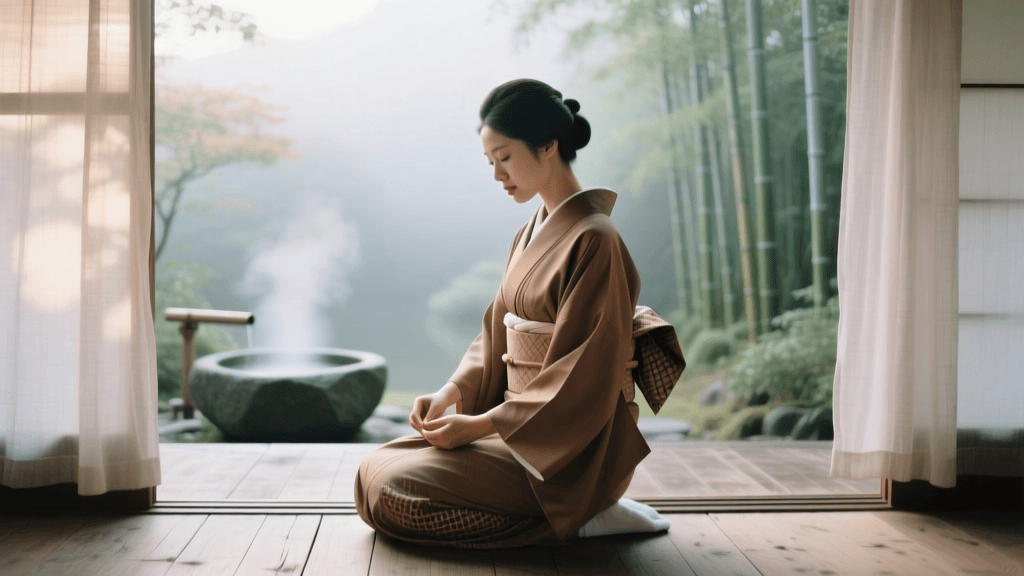
Before touching any fabric, sit in seiza (kneeling posture) or a comfortable cross-legged position. Take five deep, diaphragmatic breaths. Acknowledge the intention to slow down. Lay out your garments in the order they will be worn, appreciating the artistry and history woven into the threads.
2. The Foundation (Nagajuban)
Slip on the nagajuban (under-robe). Focus on the sensation of the breathable cotton or silk against your skin. Align the han-eri (decorative collar) carefully. This step represents laying a clean, intentional foundation for the day ahead.
3. The Main Garment and Ohashori
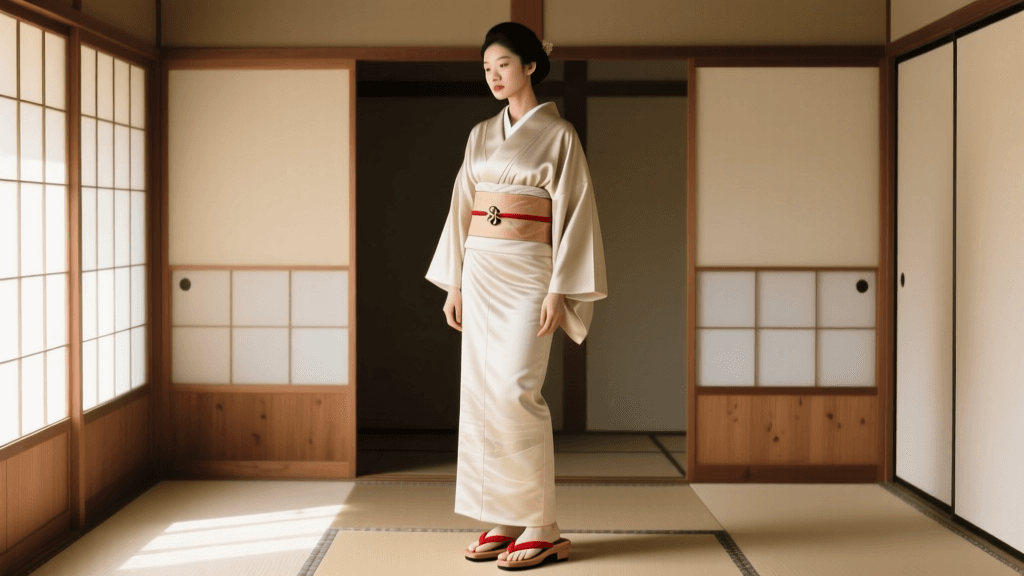
Drape the kimono over your shoulders. As you bring the front panels together, ensure the left side overlaps the right (the universal rule for the living). When you tie the first koshihimo and fold the excess fabric into the ohashori, focus on symmetry and balance. This physical balancing act mirrors the mental equilibrium you seek to maintain throughout the day.
4. The Anchor (Obi)
Wrapping the obi (sash) requires core engagement and deep breathing. As you pull the stiff silk taut, exhale slowly. Tying the taiko musubi (drum knot) or a simpler bunko musubi (bow knot) is the climax of the ritual—a complex, beautiful puzzle that rewards patience and precision.
Sourcing Ethically: Mindful Kimono Acquisition in 2026
Participating in slow fashion means rethinking how we acquire our garments. The Victoria and Albert Museum notes the kimono's historical adaptability and its continuous dialogue with global fashion, proving its timeless relevance. In 2026, conscious practitioners have several ethical avenues for sourcing their kimono wardrobes, each offering unique mindfulness benefits.
| Sourcing Method | Sustainability Factor | Average Cost (2026) | Mindfulness Benefit |
|---|---|---|---|
| Vintage (Recycle Shops) | High (Circular Economy) | $40 - $250 | Connecting with the tactile history and previous lives of the garment. |
| Artisan Rental Salons | High (Shared Usage) | $80 - $150 / day | Freedom from ownership attachment; practicing gratitude for temporary beauty. |
| Modern Sustainable Brands | Medium (Ethical Labor) | $400 - $1,200+ | Supporting living artisans and preserving endangered dyeing techniques. |
| Upcycled / Remade | Very High (Zero Waste) | $100 - $350 | Celebrating imperfection (wabi-sabi) and creative problem-solving. |
For those beginning their journey, visiting local Japanese recycle shops or browsing curated online vintage marketplaces is the most sustainable entry point. Hunting for a vintage piece encourages a slow, deliberate search, allowing you to find a textile that resonates with your personal energy and aesthetic.
Upcycling and the Circular Lifecycle
Embracing the kimono also means embracing its afterlife. In 2026, upcycling traditional textiles has become a celebrated form of creative expression and a cornerstone of the slow fashion movement. When a silk kimono becomes too fragile or stained for formal wear, it is not thrown away. Instead, mindful practitioners deconstruct the panels to create haori (light jackets), kinchaku (drawstring bags), or even framed textile art.
This process of repurposing teaches the philosophy of wabi-sabi—finding beauty in imperfection and transience. By stitching scraps of a beloved, worn-out kimono into a new zabuton (floor cushion) or a set of tabi socks, you are actively participating in the garment's ongoing narrative. This hands-on engagement fosters a deep sense of gratitude and resourcefulness, combating the disposable mindset that plagues modern consumer culture.
Conclusion: Weaving Wellness into Daily Life
The art of kitsuke is far more than a method of wearing traditional Japanese clothing; it is a holistic practice that nurtures the mind, respects the environment, and honors the past. As we navigate the complexities of 2026, the kimono offers a sanctuary of slowness. By dedicating just twenty minutes a week to the mindful dressing ritual, you can cultivate a profound sense of inner peace, champion sustainable fashion, and wrap yourself in centuries of living history. In every fold, tie, and silk thread, there is an invitation to breathe, be present, and embrace the art of living intentionally.