Best Hanfu Garments For Tai Chi And Qigong Practice 2026
The Intersection of Hanfu and Internal Martial Arts
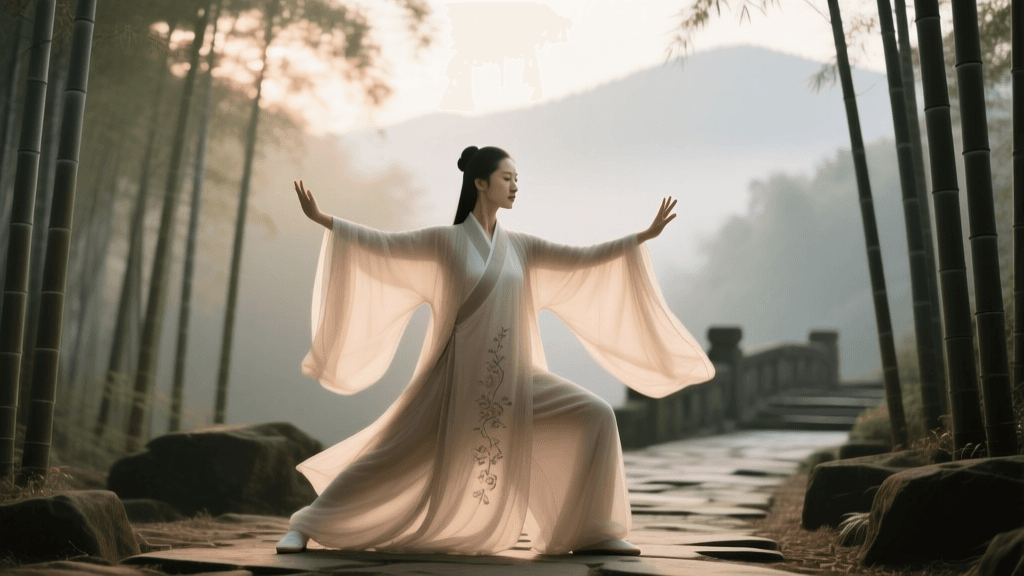
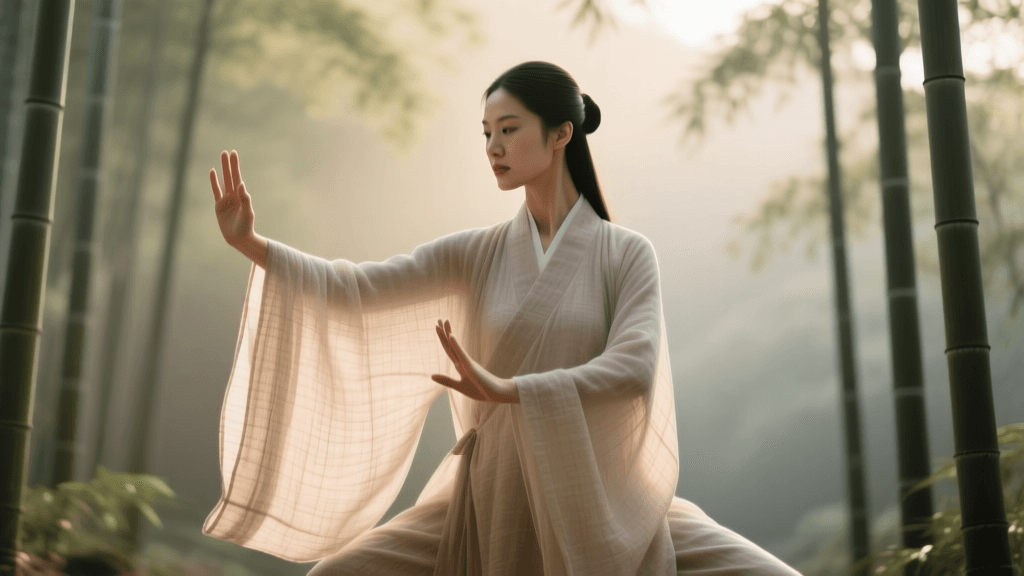
In 2026, the global wellness movement has fully embraced the synergy between traditional clothing and mindful movement. The Xin Zhongshi (New Chinese Style) evolution has transcended everyday streetwear, deeply influencing how practitioners approach traditional Chinese wellness arts like Tai Chi and Qigong. No longer just a visual aesthetic, wearing Hanfu during internal martial arts practice is now recognized for its biomechanical and energetic benefits. The flat-pattern cutting techniques of historical Chinese garments allow for a range of motion that modern, tailored Western activewear simply cannot replicate. When performing deep stances like the Mabu (horse stance) or executing the sweeping arm movements of 'Grasp the Sparrow's Tail,' the structural integrity and drape of Hanfu provide unrestricted mobility while maintaining a grounded, meditative connection to cultural heritage.
The Philosophy of Qi Flow and Garment Drape
Traditional Chinese Medicine (TCM) and martial arts philosophy dictate that Qi (vital energy) must flow unimpeded through the body's meridians. Tight waistbands, restrictive shoulder seams, and synthetic compression fabrics can create physical and energetic blockages, particularly around the Dantian (the body's energetic center located just below the navel) and the Dazhui acupoint at the base of the neck. Hanfu is constructed using a zero-waste, flat-cutting method that relies on fabric draping naturally over the body's contours rather than forcing the body into a pre-shaped mold. This allows the shoulders to drop and relax—a fundamental requirement for proper Tai Chi posture—while the wide, flowing sleeves create a bellows effect that circulates air and regulates body temperature during slow, deliberate Qigong forms.
Why Modern Practitioners Choose Traditional Cuts
According to research highlighted by Harvard Medical School, Tai Chi significantly improves balance, flexibility, and cardiovascular health, largely due to its emphasis on relaxed, continuous movement. The sensory feedback provided by natural Hanfu fibers enhances this mind-body connection. Furthermore, the Mayo Clinic notes that the meditative aspects of Tai Chi are powerful stress-reduction tools. The ritualistic act of tying the sash and adjusting the cross-collar serves as a psychological primer, signaling to the brain that it is time to transition from the chaos of modern life into a state of focused mindfulness.
Top Hanfu Silhouettes for Tai Chi and Qigong in 2026
Not all Hanfu styles are suitable for martial arts. Highly formal garments with heavy embroidery or restrictive layering are reserved for ceremonies. For wellness practices, practitioners in 2026 favor specific historical cuts that prioritize mobility, breathability, and joint warmth.
1. The Daopao (Taoist Robe)
The Daopao is a cross-collared, wide-sleeved robe that has been worn by Taoist monks and martial artists for centuries. It features side slits that allow for deep lunges and sweeping kicks without catching the fabric underfoot. The wide sleeves are excellent for slow Qigong routines like the 'Eight Brocades' (Ba Duan Jin), as the weight of the fabric gently pulls the arms down, encouraging the sinking of the elbows and shoulders.
2. The Yisan (Yesan)
Originating from the Ming Dynasty, the Yisan is a one-piece robe with a pleated lower skirt and a fitted upper bodice. For dynamic Tai Chi sword or fan forms, the Yisan is ideal because it often features bound or adjustable cuffs (known as Shouqun), preventing the sleeves from interfering with weapon handling while maintaining the traditional silhouette.
3. Song-Style Beizi and Ruqun
For female practitioners or those preferring a two-piece garment, the Song Dynasty Beizi (a long, open-front coat) worn over a Ruqun (jacket and skirt) is highly practical. The open front of the Beizi allows for excellent torso rotation, while the high-waisted skirt rests above the hips, ensuring that the pelvic girdle remains completely unrestricted during weight-shifting exercises.
Fabric Analysis: What to Wear for Unrestricted Movement
The textile market in 2026 has seen incredible advancements in treating traditional fibers to make them more suitable for active wellness. While historical practitioners relied on raw hemp and heavy silks, modern wellness Hanfu utilizes enzyme-washed and sustainably dyed materials.
| Fabric Type | Breathability | Drape & Weight | Best Practice Application | 2026 Market Trend |
|---|---|---|---|---|
| Enzyme-Washed Ramie | Exceptional | Crisp but softened | Summer Qigong, Outdoor Tai Chi | Dominating sustainable wellness markets due to natural antibacterial properties |
| Mulberry Silk (19 Momme) | Moderate | Fluid, heavy, cooling | Indoor meditation, Slow forms | Blended with copper-infused threads for joint warmth and recovery |
| Organic Cotton-Linen | High | Soft, structured, durable | Year-round layering, Push Hands | Pre-shrunk via ozone washing for zero post-laundry distortion |
| Bamboo-Jersey Blend | High | Stretchy, lightweight | Travel Tai Chi, Modern Fusion | Xin Zhongshi activewear hybrid for urban practitioners |
Sizing, Fit, and Acupoint Alignment
Proper fit in a wellness Hanfu goes beyond standard sizing charts; it requires an understanding of energetic anatomy. The collar of a cross-collared Hanfu (Jiaoling Youren) should sit snugly but comfortably against the back of the neck, gently stimulating the Fengchi (Wind Pool) acupoints. This area is considered highly vulnerable to 'wind' and cold in TCM, and keeping it covered during early morning outdoor Tai Chi sessions is crucial for preventing stiffness.
The waist tie (sash) should be positioned precisely over the Mingmen (Gate of Life) acupoint on the lower back and the Qihai (Sea of Qi) on the front. Tying the sash too tightly restricts diaphragmatic breathing, which is the foundation of Qigong. In 2026, many wellness-focused Hanfu brands offer wide, elasticated inner sashes hidden beneath traditional silk outer ties, providing support for the lower back during prolonged standing meditation (Zhan Zhuang) without compromising the external traditional aesthetic.
Footwear: Grounding and Balance
Traditional Tai Chi requires a deep connection to the ground, often referred to as 'rooting.' Modern running shoes with thick, cushioned heels elevate the practitioner's center of gravity and dull the sensory feedback from the soles of the feet. In 2026, the preferred footwear to pair with Hanfu for wellness practices are minimalist cloth shoes (Kung Fu shoes) featuring zero-drop soles and wide toe boxes. These shoes allow the toes to splay naturally, gripping the earth and facilitating the micro-adjustments in balance required for forms like 'Golden Rooster Stands on One Leg.' For indoor wooden floors, practitioners opt for split-toe Tabi-style socks made from grippy, organic cotton to maintain traction while preserving the traditional silhouette.
Care and Maintenance for Wellness Garments
Because wellness Hanfu is exposed to sweat and the elements, proper maintenance is vital to preserve the natural fibers. Ramie and linen garments should be washed in cold water with a pH-neutral detergent to prevent the breakdown of the cellulose fibers. Avoid machine drying; instead, lay the garments flat in the shade. The natural drape of Hanfu relies on the weight of the fabric, and high heat can cause warping. For silk blends, spot cleaning and occasional steam refreshing are recommended to maintain the structural integrity of the copper-infused or metallic wellness threads that have become popular in the 2026 market.
Conclusion
Integrating Hanfu into your Tai Chi and Qigong practice is more than a nod to historical aesthetics; it is a functional choice that enhances biomechanical freedom, promotes energetic flow, and deepens the meditative state. By selecting the right silhouettes like the Daopao or Yisan, and prioritizing breathable, modern-treated natural fibers like enzyme-washed ramie, practitioners can fully immerse themselves in the ancient arts with the comfort and performance demanded by contemporary wellness standards. As the Xin Zhongshi movement continues to evolve, the boundary between traditional garment and active wellness wear will only continue to harmonize.