Complete Japanese Kimono, Yukata & Hakama 2026 Guide
The Resurgence of Japanese Traditional Garments in 2026
As we navigate the fashion and cultural landscape of 2026, the global appreciation for Japanese traditional garments has reached unprecedented heights. Driven by a renewed interest in sustainable fashion, artisanal craftsmanship, and cultural heritage, garments like the kimono, yukata, and hakama are no longer confined to historical archives or strictly formal domestic ceremonies. Today, they are being seamlessly integrated into modern wardrobes, global fashion weeks, and contemporary weddings. According to the Japan National Tourism Organization, cultural tourism centered around traditional dress rentals and bespoke tailoring has surged, with Kyoto and Kanazawa leading the revival of artisanal silk weaving and natural dyeing techniques. This complete guide explores the intricate types, layering methods, and modern care routines for Japanese traditional garments in 2026.
The Kimono: Formality and Structure
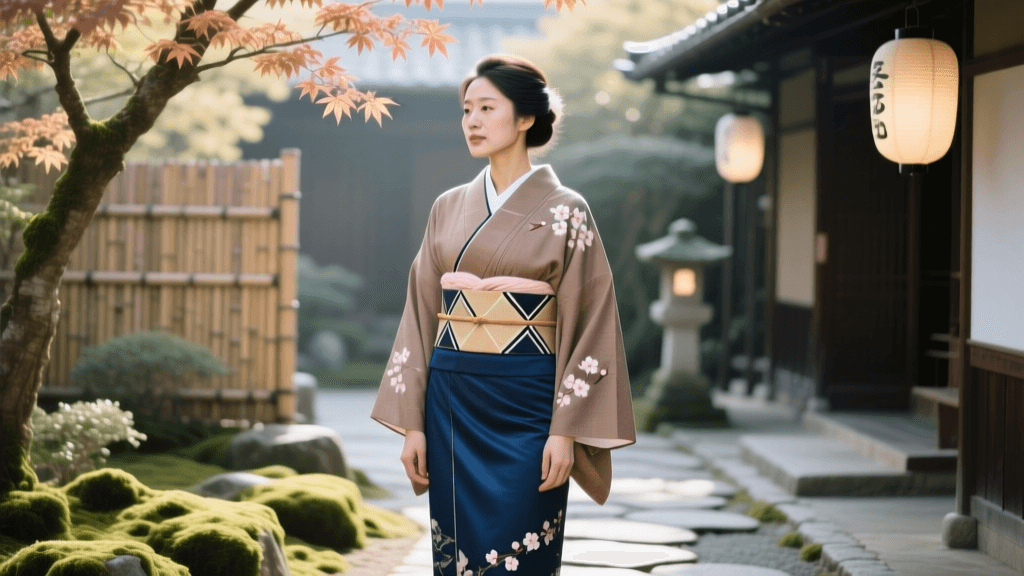
The kimono is the most iconic of all Japanese garments. As The Metropolitan Museum of Art notes, the kimono's T-shaped structure is a marvel of geometric tailoring, utilizing straight cuts of fabric that minimize waste and allow for intricate surface designs. In 2026, the market is divided into bespoke silk creations and a booming vintage upcycling sector.
Furisode
The furisode is the most formal kimono for unmarried women, characterized by its long, swinging sleeves that can measure up to 114 centimeters in length. In 2026, renting a high-end furisode for Coming of Age Day (Seijin no Hi) costs between ¥50,000 and ¥120,000, while purchasing a custom-woven silk piece from Nishijin weavers starts at ¥400,000.
Tomesode
The kurotomesode (black) and irotomesode (colored) are the most formal garments for married women. They feature shorter sleeves and crests (kamon) on the back, shoulders, and sleeves. The hem is adorned with continuous, elaborate patterns that signify high formality.
Houmongi and Komon
Houmongi are visiting kimonos with patterns that flow across the seams, suitable for both married and unmarried women at semi-formal events. Komon, on the other hand, feature repeating patterns and are considered casual wear, perfect for modern 2026 street styling when paired with contemporary footwear and accessories.
The Art of Layering
Wearing a kimono is an architectural endeavor. The Victoria and Albert Museum highlights how the kimono evolved from the simple kosode of the Edo period into the highly structured, multi-layered garment recognized today. Proper layering ensures the garment drapes correctly and protects the delicate outer silk.
- Nagajuban: The under-kimono, usually made of breathable cotton, linen, or washable synthetic blends in 2026. It features a detachable collar (han-eri) that can be swapped to match the season.
- Datejime: Wide, stiff sashes used to tie the nagajuban and kimono in place, ensuring a smooth, cylindrical silhouette.
- Obi: The outer sash. A standard fukuro obi is 30 centimeters wide and over 4 meters long. In 2026, weavers are incorporating recycled metallic threads to create sustainable yet luxurious obi designs.
- Obijime and Obidome: A decorative cord (obijime) holds the obi knot in place, often secured with a small ornamental clasp (obidome).
- Tabi and Zori: Split-toe socks (tabi) and traditional sandals (zori) complete the ensemble. Modern 2026 iterations feature ergonomic EVA foam soles for all-day comfort during ceremonies.
The Yukata: Summer Festivals and Modern Comfort
The yukata is a lightweight, unlined garment traditionally made of cotton, though 2026 has seen a massive rise in cotton-linen blends and textured crepe fabrics for better airflow. Originally worn as a bathrobe by the nobility, it is now the standard attire for summer matsuri (festivals) and fireworks displays. Unlike the kimono, the yukata is worn directly over standard undergarments, eliminating the need for a nagajuban. The obi used is a hanhaba obi (half-width obi), which is much easier to tie into decorative bows like the bunko-musubi. Pricing for a high-quality, hand-dyed yukata in 2026 ranges from ¥15,000 to ¥45,000.
The Hakama: Academic and Martial Elegance
The hakama is a pleated, skirt-like garment worn over a kimono. While historically associated with samurai and martial arts, today it is widely worn by women for university graduation ceremonies and by men for weddings and tea ceremonies. The traditional hakama features seven deep pleats—five in the front and two in the back—which are said to represent the seven virtues of the samurai. In 2026, universities in Tokyo and Kyoto report that over 60% of female graduates opt for a hakama paired with a furisode or houmongi, favoring rich jewel tones like emerald green and deep burgundy. Menswear hakama are typically striped and paired with a montsuki (crested) kimono.
Modern Styling and 2026 Global Trends
In 2026, the boundary between traditional Japanese garments and contemporary global fashion continues to blur. Fashion-forward individuals are increasingly pairing vintage komon kimono with modern tailored blazers, wide-leg trousers, and leather boots for a striking, cross-cultural aesthetic. The modern kitsuke movements have gained massive traction on global social media platforms, encouraging younger generations to experiment with unconventional obi knots and mixed-texture layering. Furthermore, international designers are collaborating with Kyoto-based Yuzen dyers to create limited-edition capsule collections that honor traditional resist-dyeing techniques while adapting the silhouettes for modern, fast-paced urban environments. This fusion not only preserves endangered artisanal skills but also introduces the profound philosophy of Japanese garment construction to a new, global audience.
2026 Fabric Innovations and Sustainability
The traditional garment industry in 2026 is heavily focused on sustainability. Artisans are reviving natural indigo (aizome) and persimmon tannin (kakishibu) dyeing methods, which are biodegradable and possess natural antibacterial properties. Furthermore, major manufacturers have perfected washable silk technologies, treating the silk fibers with eco-friendly bio-polymers that allow the garments to be hand-washed at home without losing their structural integrity or luster. This innovation has drastically lowered the barrier to entry for international buyers who previously worried about the high costs of specialized dry cleaning.
Garment Comparison and 2026 Pricing Guide
| Garment Type | Formality | Primary Fabric | 2026 Avg. Purchase Price | Best Occasion |
|---|---|---|---|---|
| Furisode | High | Silk | ¥300,000 - ¥800,000 | Coming of Age, Weddings |
| Tomesode | High | Silk | ¥250,000 - ¥600,000 | Weddings (Close Relatives) |
| Houmongi | Semi-Formal | Silk/Polyester | ¥80,000 - ¥200,000 | Tea Ceremonies, Parties |
| Komon | Casual | Silk/Cotton | ¥30,000 - ¥80,000 | Dining, Theater, Travel |
| Yukata | Casual | Cotton/Linen | ¥10,000 - ¥45,000 | Summer Festivals, Ryokan |
| Hakama | Formal/Academic | Silk/Polyester | ¥40,000 - ¥150,000 | Graduations, Martial Arts |
Essential Care and Maintenance
Proper storage is critical for preserving traditional garments. In 2026, collectors and enthusiasts rely on paulownia wood chests (kiri-tansu), which naturally regulate humidity and repel insects. When folding a kimono, it is essential to follow the traditional tatami-gami folding method to ensure the seams align perfectly and creases do not set into the silk. For vintage pieces, airing them out in the shade during the dry autumn months is recommended to prevent mold. Avoid using chemical mothballs; instead, natural camphor or hinoki wood blocks are the 2026 standard for protecting delicate silk threads from pests without introducing harsh odors.