Kimono Textile Trade Routes: 2026 Historical Imports
The Global Canvas: Rethinking the Kimono's Origins
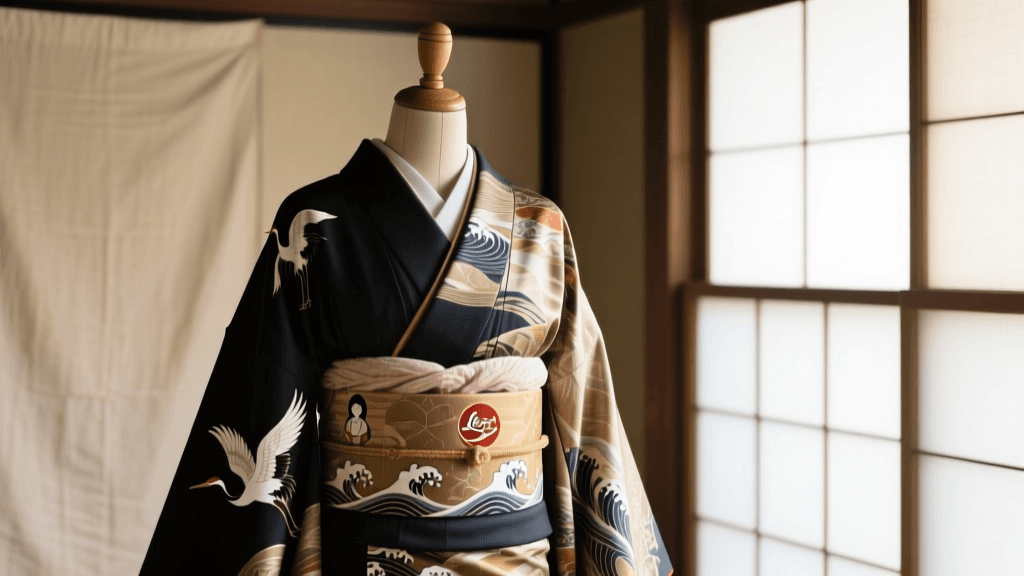
The kimono is universally celebrated as a masterpiece of Japanese aesthetic philosophy, characterized by its T-shaped silhouette, meticulous seasonal motifs, and profound cultural symbolism. However, a common misconception in modern fashion history is that the kimono evolved in complete isolation. In reality, the most prestigious kimono textiles are the direct descendants of ancient global trade routes. From the overland Silk Road to the maritime Nanban trade networks, imported materials, foreign weaving techniques, and exotic dyes have fundamentally shaped Japanese garment traditions. As we navigate the artisan landscape in 2026, there is a massive resurgence in preserving and reviving these historically imported techniques, blending ancient global influences with contemporary Japanese craftsmanship.
For collectors, historians, and enthusiasts of Asian traditions, understanding the kimono requires looking beyond Japan's borders. The luxurious silks, vibrant colors, and complex geometric patterns found in high-end garments today are deeply rooted in centuries of cross-cultural exchange. This comprehensive guide explores the historical trade routes that built the foundation of Japanese textile arts and provides actionable insights into how 2026 preservation initiatives are keeping these imported traditions alive.
The Silk Road's Imprint on Nishijin-ori Weaving
When discussing the pinnacle of Japanese textile weaving, Nishijin-ori from Kyoto stands unmatched. This highly intricate, yarn-dyed brocade technique is the standard for formal obi (sashes) and high-status kimono. Yet, the origins of Nishijin-ori are inextricably linked to the Silk Road. In the 5th century, the Hata clan, which possessed advanced sericulture and weaving technologies, migrated to the Kyoto basin from the Asian continent. They brought with them sophisticated loom designs and pattern-making techniques that had traveled from Persia, through Central Asia, and into China before finally reaching Japan.
According to the Nishijin Textile Center, the foundational weaving structures of Nishijin, such as the complex kara-ori (Chinese-style weaving), were direct adaptations of continental imports. These early weavers replicated the heavy, opulent brocades favored by the Tang Dynasty court, which itself was heavily influenced by Sogdian and Persian merchants.
In 2026, master weavers in Kyoto are experiencing a renaissance of these ancient Silk Road patterns. Modern artisans are utilizing digitized jacquard looms programmed with surviving 8th-century pattern drafts to recreate authentic Persian roundels and Central Asian medallion motifs. A hand-woven Nishijin obi featuring these historically accurate, trade-route-inspired motifs currently commands a starting price of approximately 850,000 JPY in the 2026 market, reflecting both the cost of premium domestic silk and the immense labor required to set up the traditional loom for complex, multi-colored weft patterns.
Maritime Trade and the Introduction of Exotic Dyes
While the Silk Road provided structural weaving techniques, maritime trade routes revolutionized the Japanese color palette. During the Nanban trade period in the late 16th and early 17th centuries, Portuguese and Dutch merchants introduced a wealth of exotic materials to Japan's shores. Later, during the Meiji era, global maritime shipping opened the floodgates for imported natural and early synthetic dyes that forever changed kimono coloration, particularly in the realm of Yuzen dyeing.
Before these maritime imports, Japanese dyers relied heavily on indigenous flora like indigo (ai), madder (akane), and gromwell (murasaki). The introduction of foreign dyewoods and insect-based dyes allowed for unprecedented vibrancy and colorfastness. Today, artisanal dyers in Kanazawa and Kyoto are moving away from mass-produced chemical dyes, returning to these historically imported natural materials to create eco-conscious, luxury garments for the 2026 consumer.
Historical Dye Imports vs. 2026 Artisan Revivals
| Dye Material | Historical Trade Origin | Traditional Kimono Application | 2026 Artisan Revival Status |
|---|---|---|---|
| Sappanwood (Suou) | Southeast Asia via Maritime Routes | Deep crimson and purplish-red hues for aristocratic garments. | Highly revived; prized for its eco-friendly profile and rich, warm undertones in modern Yuzen dyeing. |
| Cochineal | The Americas via European Merchant Ships | Vibrant scarlet reds introduced during the Edo and Meiji periods. | Niche usage; specialized artisans use it for bespoke bridal uchikake to achieve unmatched red brilliance. |
| Madder Root (Seiyou Akane) | Europe and Western Asia | Brick reds and orange-browns for everyday kimono and haori. | Widely cultivated domestically now, but imported heritage strains are used by heritage preservation societies. |
| Logwood | Central America via Global Shipping | Deep blacks and dark purples for formal mourning wear (mofuku). | Phased out in favor of modern, colorfast synthetic blacks, but studied by historical textile conservators. |
Persian Motifs and the Karaku Aesthetic
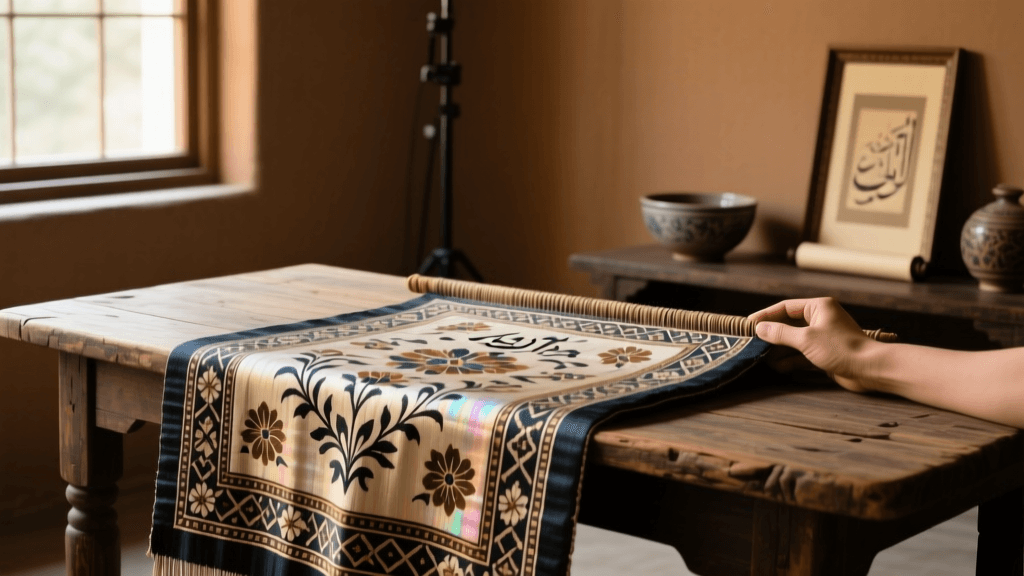
One of the most enduring visual legacies of the Silk Road in Japanese fashion is the karaku pattern. Often translated as Tang grass or arabesque, karaku features intricate, intertwining floral scrolls and palmettes. This motif originated in the Hellenistic world, traveled through the Persian Empire, and was adapted by Chinese artisans before being imported to Japan during the Nara period (710-794 CE).
The UNESCO Silk Roads Programme extensively documents how these motifs served as a universal visual language of luxury and cosmopolitanism across Eurasia. In Japan, karaku patterns were initially reserved for the imperial court and high-ranking Buddhist clergy, adorning ceremonial robes and temple treasures. The Shosoin repository in Nara houses stunning 8th-century textiles featuring these exact Persian-derived motifs, preserved in remarkable condition.
In contemporary kimono design, karaku remains a staple for auspicious and formal wear. However, the 2026 trend among younger kimono wearers and avant-garde designers is to deconstruct and recontextualize these historical imports. By isolating specific Persian palmette elements and rendering them in stark, monochromatic palettes or utilizing modern metallic threads, today's designers are bridging the gap between ancient Silk Road aesthetics and modern minimalist fashion.
2026 Preservation Initiatives and Sourcing Authentic Textiles
The survival of these historically influenced textile techniques relies heavily on institutional support and a new generation of dedicated consumers. The Japanese Agency for Cultural Affairs continues to designate master weavers and dyers as Living National Treasures, ensuring that the complex knowledge of replicating historical, imported weaving structures is passed down. In 2026, several new prefectural grants in Kyoto and Ishikawa have been specifically allocated to apprentices studying ancient continental dyeing and weaving methods.
For international collectors and enthusiasts looking to acquire kimono or obi that specifically highlight these historical trade-route influences, the market offers both vintage treasures and newly commissioned masterpieces. Navigating this market requires a keen eye for historical accuracy, material quality, and artisan provenance.
Actionable Sourcing Guide for 2026 Collectors
- Verify the Jimon (Woven Patterns): When purchasing a Nishijin-ori obi inspired by Silk Road motifs, examine the reverse side of the textile. Authentic, high-quality historical brocades will have clean, tightly bound floating threads, whereas mass-produced modern imitations will show messy, loose weft threads.
- Seek Out Shosoin Revival Collections: Many prestigious Kyoto weaving houses release limited-edition collections based directly on the 8th-century Shosoin treasures. Look for garments accompanied by certificates of authenticity detailing the specific Persian or Tang Dynasty artifact that inspired the pattern.
- Investigate the Dye Provenance: When buying vintage Meiji or Taisho-era kimono featuring vibrant reds or purples, consult with a specialized textile appraiser to determine if imported dyes like cochineal or sappanwood were used. These specific historical dyes significantly increase the garment's value among serious collectors in 2026.
- Support Artisan Cooperatives: To ensure the continuation of these traditions, purchase directly from recognized weaving cooperatives in Kyoto's Nishijin district or the Kanazawa Yuzen center, rather than through unverified third-party online marketplaces where synthetic misrepresentations are common.
Conclusion: A Tapestry of Global Exchange
The kimono is far more than an isolated national dress; it is a wearable archive of global history. The Silk Road provided the structural foundation and intricate motifs, while maritime trade routes delivered the vibrant dyes that brought these textiles to life. As the artisan community in 2026 continues to revive and preserve these historical imports, they ensure that the kimono remains a living testament to the beauty of cross-cultural exchange. By understanding and supporting the preservation of these ancient trade-route techniques, collectors and enthusiasts help weave the next chapter of this magnificent global tapestry.