Japanese Traditional Garments Guide 2026: Kimono, Yukata & Hakama
Introduction to Japanese Sartorial Heritage
Japanese traditional garments represent a profound intersection of art, history, and daily life. Far from being static museum pieces, these textiles are living traditions that continue to evolve. As we navigate through 2026, the global fashion landscape is witnessing a massive renaissance in heritage Asian clothing, driven by a renewed interest in sustainable fashion, artisanal craftsmanship, and cultural appreciation. According to the Metropolitan Museum of Art, the evolution of Japanese dress is a testament to the country's ability to blend strict historical conventions with dynamic aesthetic innovations. Whether you are a textile collector, a fashion student, or a traveler preparing for a summer festival in Kyoto, understanding the nuances of these garments is essential.
In this comprehensive 2026 guide, we will break down the core types of Japanese traditional clothing, explore their anatomical structures, and provide actionable advice on how to source, style, and wear them in the modern era.
The Anatomy of Traditional Japanese Dress
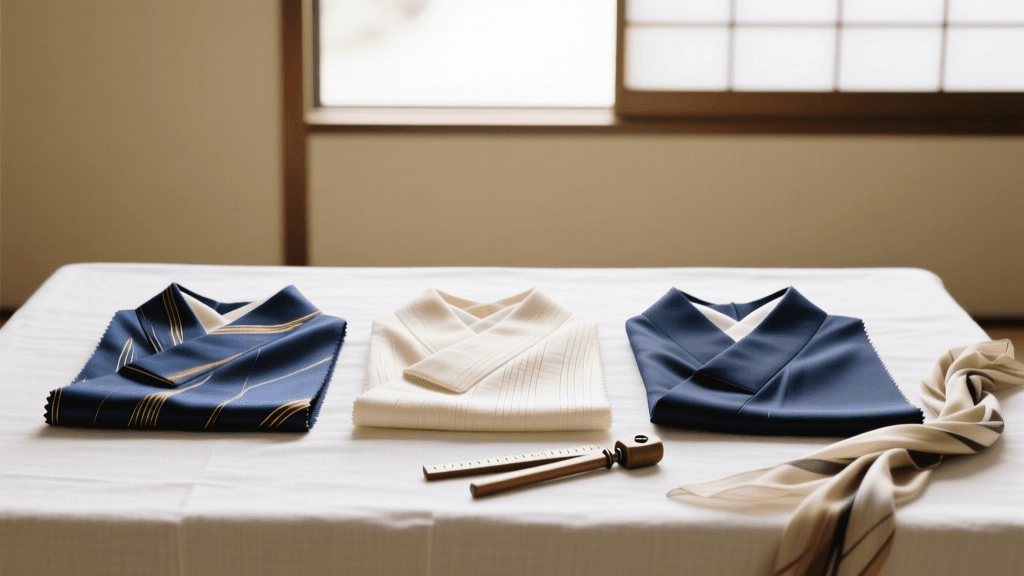
Before distinguishing between specific garment types, it is crucial to understand the foundational anatomy that unites them. Unlike Western tailoring, which relies on complex darting and curved seams to contour the body, traditional Japanese garments are constructed from straight, rectangular bolts of fabric known as tanmono. This zero-waste construction method is highly celebrated in 2026's sustainable fashion circles.
- Eri (Collar): The collar is always folded and worn with the left side overlapping the right. The reverse is strictly reserved for dressing the deceased.
- Sode (Sleeves): Sleeves vary dramatically in length and depth, often indicating the wearer's age, marital status, and the formality of the occasion.
- Obi (Sash): The wide belt that secures the garment. The obi is often more expensive and intricately woven than the garment itself, serving as the focal point of the ensemble.
- Okumi (Front Panel): The vertical panel on the front of the garment that allows for the overlapping wrap closure.
Core Garment Types Explained
The Kimono: Japan's Iconic Silhouette
The word "kimono" literally translates to "thing to wear" (ki = wear, mono = thing). While it serves as an umbrella term for all traditional clothing, in modern parlance, it refers specifically to the formal, silk, T-shaped robe. In 2026, the kimono is primarily reserved for weddings, tea ceremonies, and coming-of-age ceremonies (Seijin-shiki).
Formality is dictated by the fabric, the placement of the family crests (kamon), and the sleeve length. The Furisode, characterized by its dramatically long, swinging sleeves, is the most formal kimono for unmarried women. Conversely, the Kurotomesode (black with crests and a hem pattern) is the pinnacle of formality for married women. For everyday or semi-formal wear, the Komon features repeating patterns and is highly sought after by vintage collectors today due to its versatility and relatively accessible price point in the secondary market.
The Yukata: The Breathable Summer Staple
If the kimono is the formal evening gown of Japan, the yukata is the sundress. Originally worn as a bathing robe by the nobility during the Heian period, the yukata evolved into the standard summer wear for commoners. Today, it is the undisputed garment of choice for summer fireworks festivals (hanabi) and bon odori dances.
Constructed almost exclusively from lightweight cotton or modern cotton-polyester blends, the yukata is worn directly over undergarments, bypassing the need for the formal nagajuban (under-kimono) required for silk kimonos. The obi used for a yukata is narrower and tied in simpler knots, such as the bunko (bow) or kai-no-kuchi (clam shell). In 2026, contemporary brands are releasing yukata featuring digital-print motifs that blend traditional ukiyo-e aesthetics with modern pop-culture references, making them incredibly popular among younger demographics.
The Hakama: Pleated Elegance and Martial Heritage
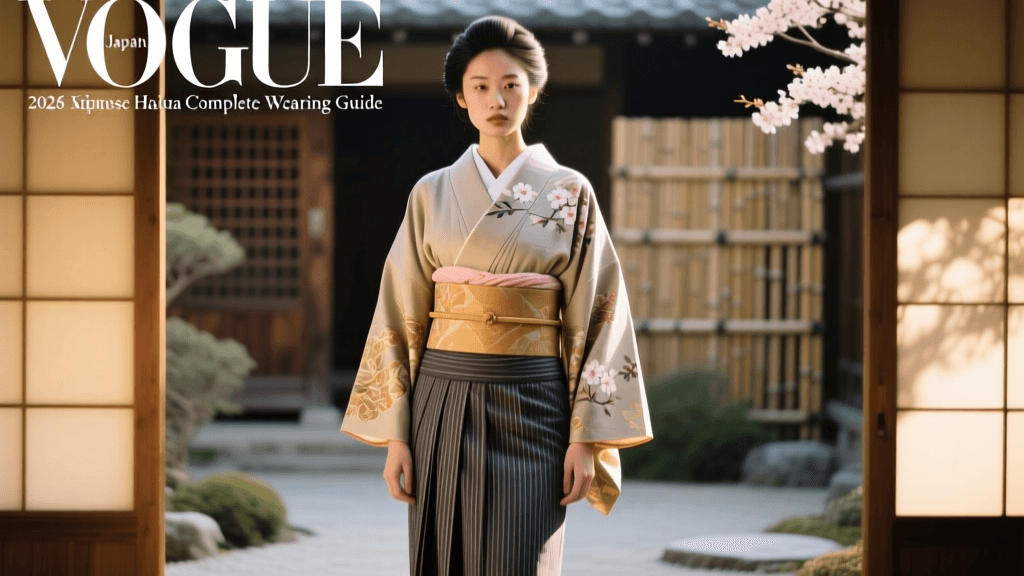
The hakama is a pleated, skirt-like garment worn over a kimono. Historically worn by samurai to protect their legs while riding horses, the hakama today is a symbol of academic achievement and martial discipline. It is standard attire for university graduation ceremonies, Shinto priests, and practitioners of martial arts like kendo and aikido.
There are two main types: the andon-bakama (lantern hakama), which is an undivided skirt, and the umanori-bakama (horse-riding hakama), which features divided legs resembling wide trousers. Women typically wear the andon-bakama over a kimono for graduations, pairing it with boots rather than traditional sandals—a trend that remains highly fashionable in 2026. Men wear the umanori-bakama for formal events, often paired with a haori and the formal montsuki kimono.
The Haori: The Versatile Traditional Jacket
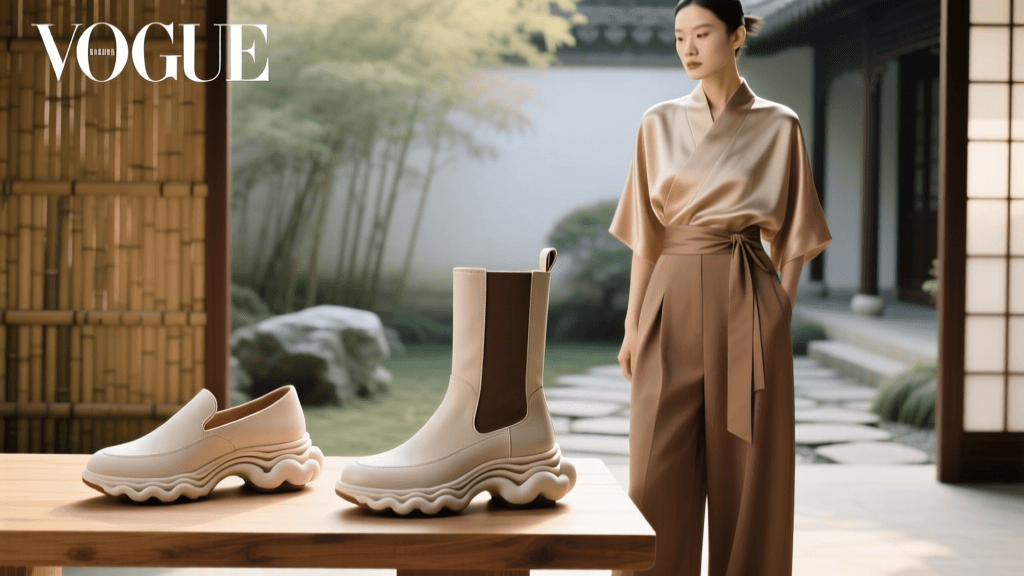
The haori is a hip- or thigh-length jacket worn open over the kimono. Originally a male garment used for warmth and to display family crests, it was adopted by women in the Edo period and has since become a staple of global fashion. Because it does not require the complex wrapping and tying of a full kimono, the haori is the most accessible entry point for international enthusiasts. In 2026, styling a vintage silk haori over a simple turtleneck, tailored trousers, or even a modern slip dress is a hallmark of sophisticated, cross-cultural streetwear in cities from Tokyo to Paris.
Comparative Analysis: Traditional Garments
To help you navigate your purchasing and styling decisions, refer to the comparison table below outlining the primary differences between these core garments.
| Garment | Primary Material | Formality Level | Optimal Season | Footwear Pairing |
|---|---|---|---|---|
| Kimono (Silk) | Silk, Crepe, Brocade | High to Formal | Spring, Autumn, Winter | Zori with Tabi socks |
| Yukata | Cotton, Linen blends | Casual | Summer | Geta (wooden clogs) |
| Hakama | Silk, Polyester, Wool | Formal / Ceremonial | All Seasons (layered) | Zori or Leather Boots |
| Haori | Silk, Wool, Cotton | Variable (Jacket) | All Seasons | Matches base garment |
The 2026 Market: Sourcing, Pricing, and Sustainability
The market for Japanese traditional garments in 2026 is defined by a strong pivot toward sustainability and vintage curation. With the environmental impact of fast fashion under intense scrutiny, the upcycling and recycling of vintage silk kimonos have become major industry drivers. According to textile conservation experts featured by the Victoria and Albert Museum, the intricate dyeing techniques of the past, such as Yuzen and Shibori, represent a level of artisanal mastery that is economically unfeasible to replicate on a mass scale today.
For buyers in 2026, here is what you can expect regarding pricing and sourcing:
- Vintage Komon (Everyday Kimono): Prices in Kyoto and Tokyo vintage markets typically range from ¥10,000 to ¥35,000 ($65 to $230 USD). These are excellent for beginners and upcycling projects.
- Modern Silk Furisode: Commissioning a brand-new, custom-dyed Furisode from a traditional atelier remains a luxury investment, often starting at ¥350,000 ($2,300 USD) and easily exceeding ¥1,000,000 for premium Nishijin-ori obi sets.
- Haori: Vintage haori are highly accessible, with excellent condition pieces available online and in thrift shops for ¥5,000 to ¥15,000 ($30 to $100 USD).
- Online Sourcing: Platforms specializing in authenticated Japanese vintage textiles have surged in 2026, offering AI-assisted sizing tools that map the flat garment measurements to your specific body dimensions, ensuring a proper fit without the need for a physical fitting.
The Art of Kitsuke: Dressing in the Modern Era
Kitsuke is the art of dressing in a kimono. It is a disciplined practice that requires specific undergarments, padding, and ties. While professional dressers are still hired for major life events in 2026, many enthusiasts are learning self-dressing through digital masterclasses. Here is a simplified overview of the foundational steps for wearing a standard women's kimono:
- Preparation: Put on the hadajuban (skin undergarment) and susuyoke (half-slip). Tie a koshi-himo (cotton tie) to secure the padding around the waist, creating a cylindrical silhouette which is the traditional ideal.
- The Nagajuban: Slip on the under-kimono. Adjust the collar so it sits neatly at the base of the neck, showing a slight gap at the nape. Secure it with a tie.
- Draping the Kimono: Drape the kimono over your shoulders, aligning the center back seam. Bring the left front panel over the right. Adjust the hem so it grazes the ankle bone.
- Securing the Waist: Tie the first koshi-himo tightly under the bust. Fold the excess fabric down over the tie to create the ohashori (the visible tuck at the waist), which allows for height adjustments.
- Tying the Obi: Wrap the date-jime (wide under-sash) to stabilize the tuck. Finally, wrap and tie the decorative obi, using an obi-ita (stiffener) to ensure the front remains perfectly smooth and uncreased.
Conclusion
The enduring appeal of Japanese traditional garments lies in their remarkable ability to bridge the gap between ancient heritage and contemporary expression. Whether you are wrapping yourself in a breathable cotton yukata for a summer evening, or draping a vintage silk haori over modern streetwear, you are participating in a rich, ongoing sartorial dialogue. By understanding the distinct types, respecting the anatomy of the garments, and engaging with the sustainable vintage market of 2026, you can wear these magnificent textiles with both confidence and cultural reverence.