Yukata vs Jinbei: 2026 Summer Japanese Casual Wear Guide
Introduction to Japanese Summer Casual Wear in 2026
As the humid summer months approach and Japan prepares for its legendary matsuri (festivals) and hanabi taikai (fireworks displays), the question of what to wear becomes paramount for both locals and international travelers. In 2026, the revival of traditional summer garments has reached new heights, blending centuries-old craftsmanship with modern, breathable textiles. When navigating the vibrant streets of Kyoto or the bustling festival grounds of Tokyo, two primary garments dominate the landscape: the elegant yukata and the ultra-comfortable jinbei.
While both are classified as informal summer wafuku (Japanese clothing), they serve distinctly different purposes, offer varying levels of mobility, and require different styling approaches. According to the Japan Guide's comprehensive overview of traditional clothing, understanding the nuance between these garments is essential for anyone looking to respectfully and comfortably participate in Japanese summer culture. This guide will break down the anatomy, history, 2026 fashion trends, and practical considerations of yukata versus jinbei, ensuring you make the perfect sartorial choice for your summer itinerary.
The Yukata: Elegance Meets Breathability
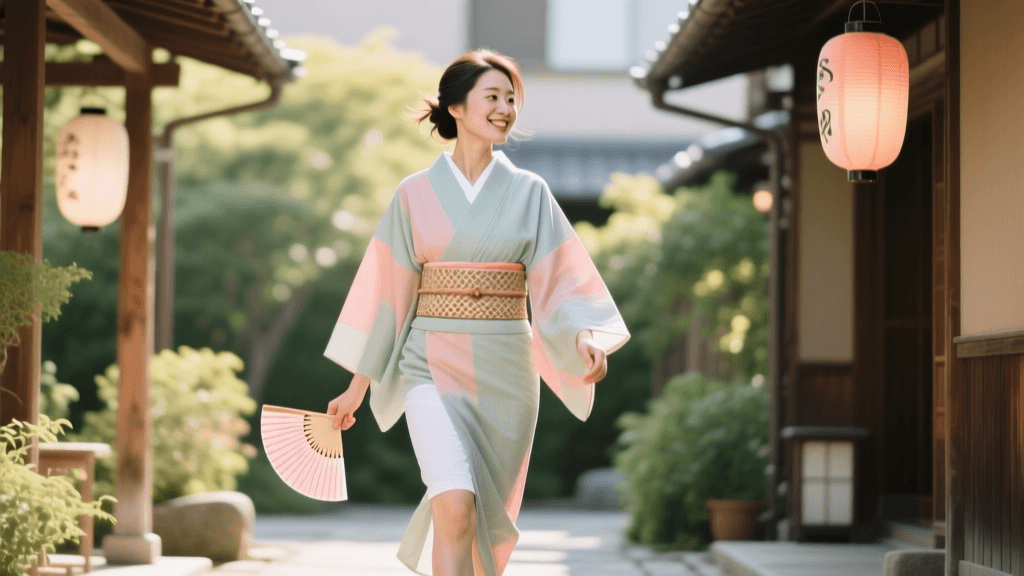
The yukata is a lightweight, unlined cotton kimono that traces its origins back to the Heian period (794–1185), where it was initially worn as a bathrobe by the aristocracy. By the Edo period, it had evolved into the everyday streetwear of the masses. Today, the yukata is the undisputed queen of summer festivals, fireworks viewing, and traditional ryokan lounging.
Anatomy and Styling
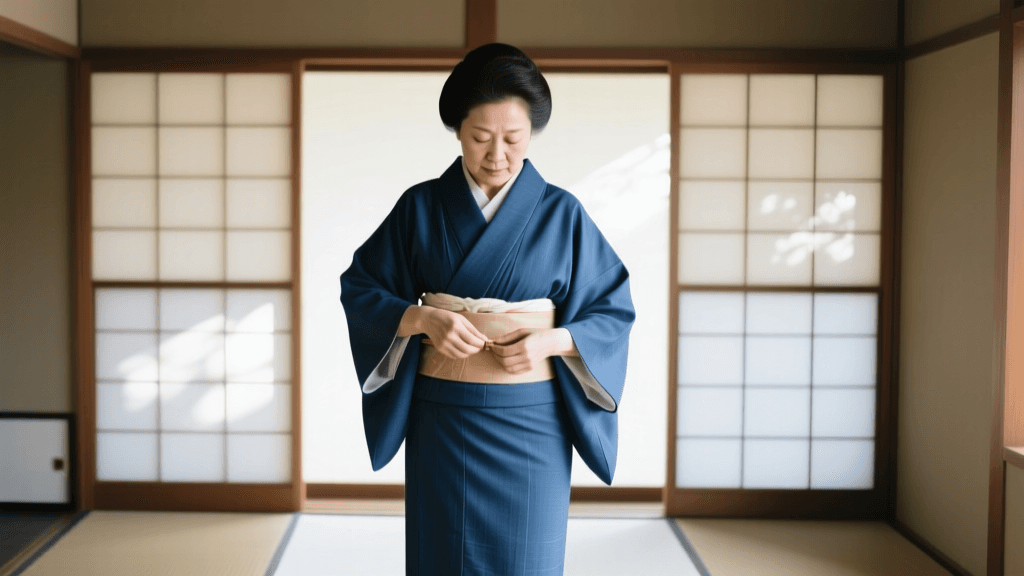
A standard yukata consists of several key components: the miyatsu-kuchi (side slits for women), the okumi (front overlapping panels), and the sode (sleeves). The golden rule of wearing a yukata—and all traditional Japanese garments—is to always wrap the left side over the right. As noted by the Metropolitan Museum of Art's Heilbrunn Timeline of Art History, the left-over-right wrapping convention has been a strict cultural standard in Japanese dress for centuries, with the reverse reserved exclusively for dressing the deceased.
To secure the garment, a hanhaba obi (half-width sash) is tied around the waist. In 2026, pre-tied obi belts with hidden hooks have become incredibly popular among tourists and younger locals, reducing the dressing time from twenty minutes to just three. Beneath the yukata, wearing a hadajuban (lightweight undershirt) and susoyoke (slip skirt) is highly recommended to absorb sweat and prevent the cotton from clinging to the skin in high humidity.
2026 Fabric Innovations and Trends
While traditional indigo-dyed cotton remains a classic choice, the 2026 summer season has seen a massive surge in shijira-ori yukata. This traditional weaving technique creates a textured, seersucker-like surface that prevents the fabric from resting flat against the skin, dramatically improving airflow. Additionally, sustainable fashion has influenced the market, with many Kyoto-based artisans now offering yukata woven from organic cotton and recycled hemp blends, catering to eco-conscious consumers without sacrificing the garment's elegant drape.
The Jinbei: Ultimate Comfort and Mobility
If the yukata is the elegant centerpiece of summer fashion, the jinbei is its relaxed, pragmatic sibling. Originally developed during the Edo period as workwear for laborers, merchants, and lower-ranking samurai, the name "jinbei" is derived from "jimbē," a common historical name associated with the garment's early adopters. Today, it is the ultimate casual lounge and festival wear, prized for its unparalleled comfort.
Anatomy and Styling
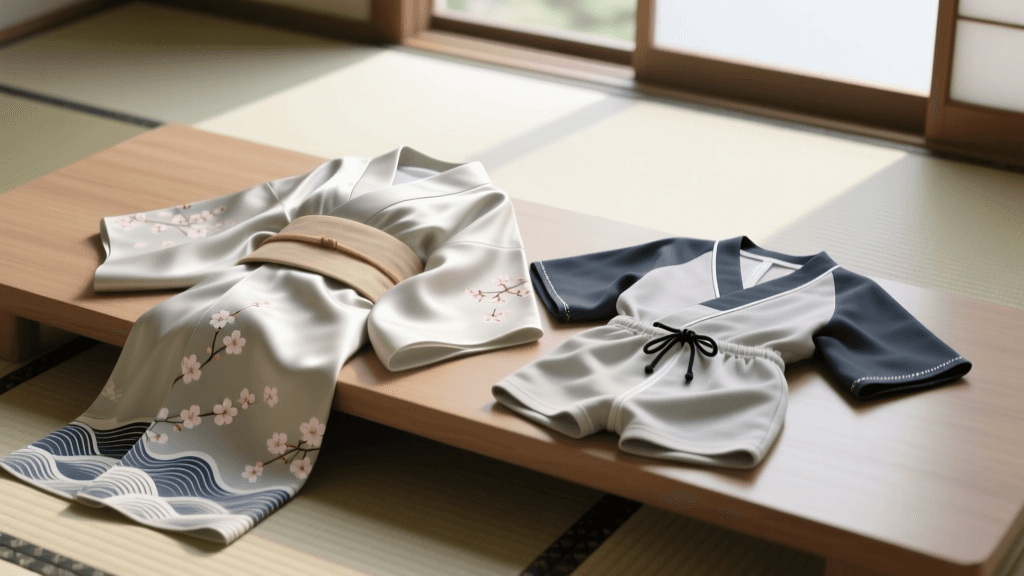
The jinbei is a two-piece set consisting of a short-sleeved, wrap-style top and a pair of loose-fitting shorts. The top is secured by a simple tie on the right side, while the shorts feature an elastic or drawstring waist with side slits that allow for maximum ventilation and freedom of movement. Unlike the yukata, the jinbei requires no specialized undergarments, obi belts, or complex folding techniques. You simply put it on and tie it.
Modern Jinbei Trends for 2026
In 2026, the jinbei has transcended its humble workwear roots to become a staple of modern street fashion. Contemporary designers are experimenting with bold, graphic prints, including ukiyo-e reproductions, minimalist geometric patterns, and vibrant botanical motifs. Linen-cotton blends are particularly popular this year, offering a crisp, cooling silhouette that resists wrinkling. Furthermore, matching "pair jinbei" sets for couples and coordinated family sets have become a massive trend for family-oriented summer matsuri, allowing groups to showcase unity through coordinated textiles.
Head-to-Head Comparison: Yukata vs. Jinbei
Choosing between a yukata and a jinbei depends largely on your planned activities, the formality of the event, and your personal comfort preferences. Below is a detailed comparison chart for the 2026 season.
| Feature | Yukata | Jinbei |
|---|---|---|
| Garment Type | One-piece wrap robe (Kimono style) | Two-piece set (Top and Shorts) |
| Formality | Semi-casual (Appropriate for dates, fireworks, nice dinners) | Strictly Casual (Lounge wear, local neighborhood festivals) |
| Primary Fabrics (2026) | Cotton, Shijira-ori, Hemp blends | Cotton, Linen blends, Gauze |
| Ease of Dressing | Moderate to Difficult (Requires obi tying) | Very Easy (Simple tie closures) |
| Mobility | Restricted (Narrow hemline limits stride) | Excellent (Full leg mobility, ideal for dancing) |
| Average Price (USD) | $60 - $250+ (Excluding accessories) | $30 - $90 (Complete set) |
| Footwear Pairing | Geta or Zori with Tabi socks | Wooden Geta or modern sandals (no Tabi required) |
Essential Accessories for 2026
No traditional Japanese outfit is complete without the proper accessories. In 2026, the focus is on functional artistry—items that keep you cool while elevating your aesthetic.
- Kinchaku (Drawstring Bags): Because neither yukata nor jinbei feature functional pockets, a kinchaku is mandatory. This year, rattan and bamboo-woven kinchaku are trending heavily, offering a structured, summery look that pairs beautifully with both garments.
- Uchiwa (Rigid Fans): The quintessential summer prop. While folding fans (sensu) are popular, the flat, round uchiwa is the traditional choice for festivals. Many 2026 festival vendors offer custom-printed uchiwa featuring local regional mascots or indie artist collaborations.
- Kanzashi (Hair Ornaments): For those wearing yukata, an updo adorned with kanzashi is a must. Modern resin and glass kanzashi shaped like goldfish, morning glories, and wind chimes are the top sellers this summer, catching the light beautifully during evening fireworks.
- Tenor (Hand Towels): Often draped over the shoulder or tied to the obi, a beautifully patterned tenugui serves as both a stylish accent and a practical tool for wiping away summer sweat.
Footwear: Navigating the Festival Grounds
Footwear can make or break your festival experience. The traditional choice for both yukata and jinbei is the geta, a wooden clog elevated on "teeth" to keep the hem of the garment clean from muddy streets. However, geta require a specific walking technique and can cause blisters if worn for long distances without prior breaking in.
For 2026, many modern apparel brands have introduced hybrid footwear: EVA foam geta that mimic the look of wood but offer the cushioning of a sneaker. If you are wearing a yukata to a formal dinner or a high-end ryokan, opt for zori (flat sandals made of woven rush or fabric) paired with white tabi (split-toe socks). Jinbei, being strictly casual, can be paired with bare feet in geta or even modern leather sandals, though wearing tabi with jinbei is generally considered a fashion faux pas.
Where to Buy and How to Care for Your Garments
If you are looking to purchase authentic pieces in 2026, Kyoto's Nishijin district and Tokyo's Asakusa neighborhood remain the premier destinations for high-quality, artisan-crafted garments. For budget-friendly options, major retailers like Uniqlo and Ion offer excellent starter sets in May and June. Online, platforms like Rakuten and specialized global exporters offer worldwide shipping, though buyers should carefully check sizing charts, as traditional Japanese sizing relies on precise body height measurements rather than standard S/M/L designations.
Care Instructions
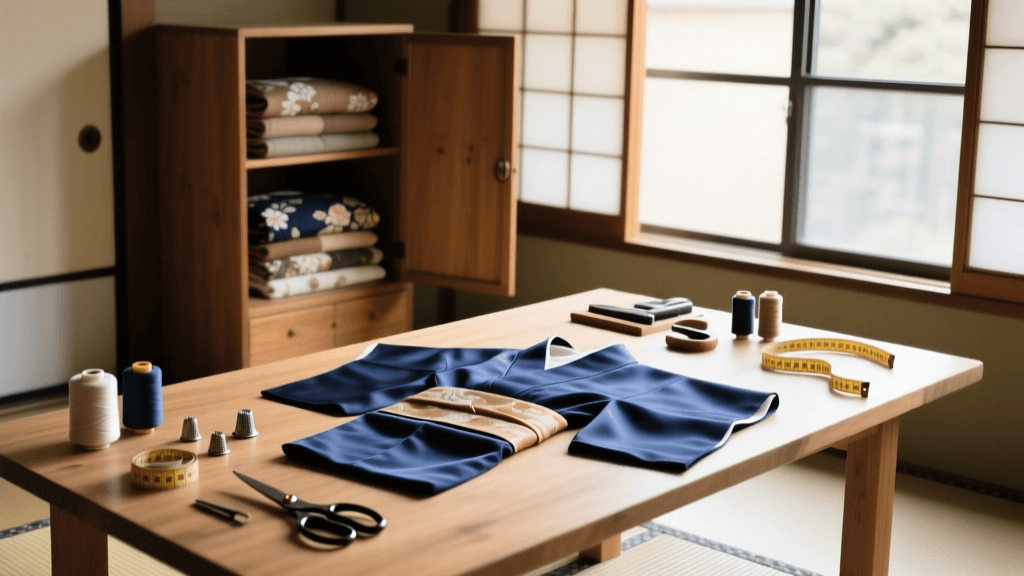
Both yukata and jinbei are designed to be easily maintained, but proper care ensures their longevity. Always wash these garments in cold water using a mild, neutral detergent. Avoid the tumble dryer entirely; the high heat will shrink the cotton and distort the seams. Instead, gently squeeze out excess water and hang the garments to dry in the shade, as direct sunlight will rapidly fade the vibrant indigo and botanical dyes. When storing for the winter, fold the garments along their original seam lines and wrap them in acid-free tissue paper to prevent permanent creasing and moisture damage.
Conclusion
Choosing between a yukata and a jinbei ultimately comes down to the narrative you wish to weave into your summer experience. If your 2026 itinerary includes romantic evening strolls through illuminated temple grounds, upscale dining, or attending major fireworks competitions, the yukata offers an unmatched silhouette of traditional elegance. Conversely, if your goal is to dance at a local bon odori, navigate crowded street food alleys, or simply lounge at a ryokan with absolute freedom, the jinbei is your ultimate warm-weather companion. By understanding the distinct heritage, styling rules, and modern innovations of both garments, you can step into the Japanese summer fully prepared, culturally respectful, and impeccably dressed.