Yukata vs Jinbei: 2026 Guide to Japanese Summer Casual Wear
The Enduring Appeal of Japanese Summer Garments
As the intense, humid heat of the Japanese summer sets in, the country undergoes a vibrant sartorial transformation. From the bustling streets of Tokyo to the historic preservation districts of Kyoto, lightweight, breathable traditional garments replace heavy modern fabrics. For both locals and international travelers exploring the Japan National Tourism Organization's extensive summer festival calendar, understanding the nuances of traditional summer wear is essential. The two undisputed pillars of Japanese warm-weather fashion are the yukata and the jinbei. While both share roots in Japan’s rich textile history and prioritize airflow, they serve vastly different cultural functions, aesthetic purposes, and social settings. In 2026, the intersection of heritage craftsmanship and modern textile technology has made these garments more accessible, comfortable, and stylish than ever before.
The Yukata: Festival Elegance and Cultural Heritage
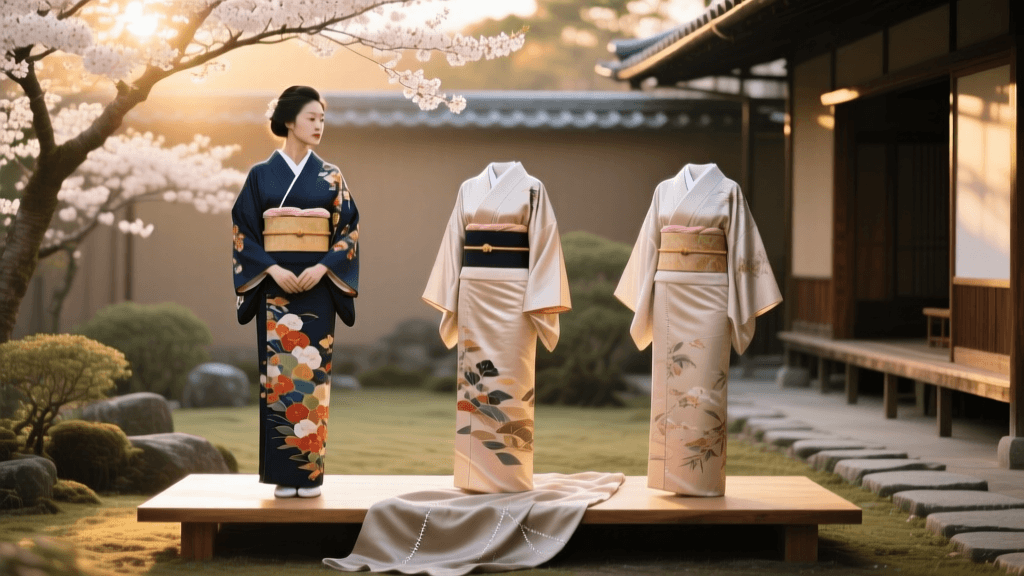
The yukata is a T-shaped, full-length robe that wraps around the body and is secured with an obi (sash). Historically, its origins trace back to the Heian period (794–1185) as the yu-katabira, a simple linen robe worn by nobility to and from steam baths. By the Edo period, it evolved into the cotton casual wear of the masses, heavily favored for evening cooling rituals and local bon odori (dance festivals).
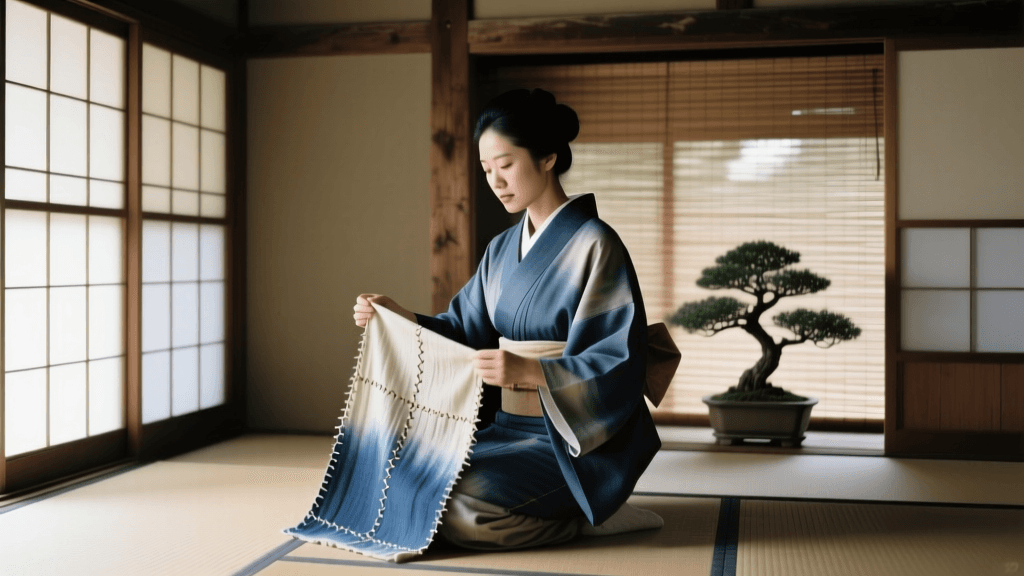
In 2026, the yukata remains the premier garment for major summer events such as hanabi taikai (fireworks festivals), temple visits, and ryokan (traditional inn) lounging. Modern yukata have embraced significant technological upgrades to combat rising summer temperatures. Many leading Japanese textile manufacturers now weave contact-cooling (shokukaku) yarns into traditional cotton blends, offering a literal cool-to-the-touch sensation without sacrificing the matte, authentic aesthetic of heritage fabrics. Furthermore, sustainable dyeing methods using botanical indigo and upcycled textile waste have become a major trend in the 2026 artisanal market, appealing to eco-conscious consumers.
The Golden Rule of Wrapping: When wearing a yukata, the left panel must always wrap over the right panel. This is known as migi-mae. Wrapping right-over-left is strictly reserved for dressing the deceased for burial and is considered a severe cultural faux pas. This rule applies to all traditional Japanese garments, including the kimono.
The Jinbei: Unmatched Comfort and Modern Versatility
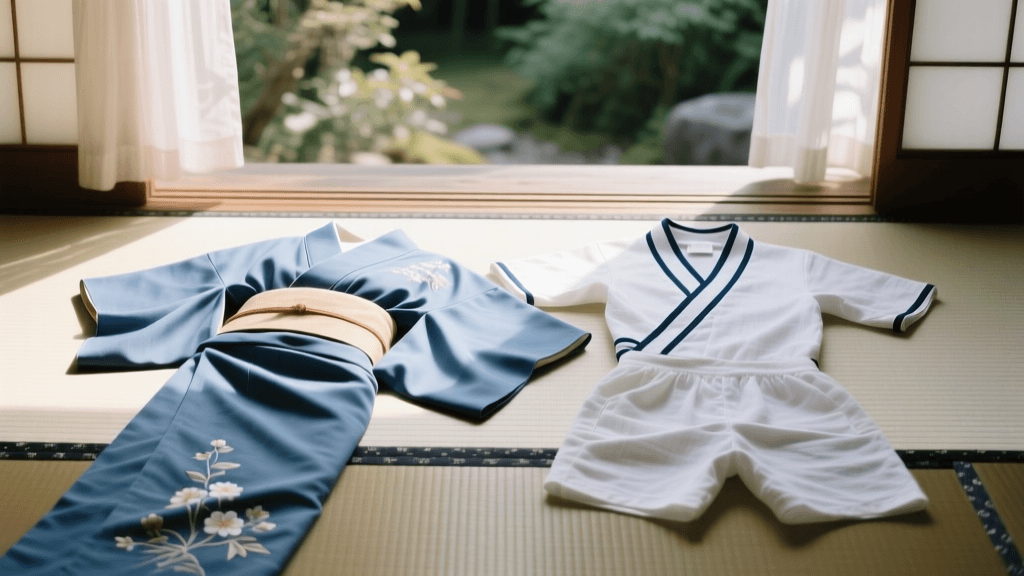
If the yukata is the elegant star of the summer festival, the jinbei is the undisputed champion of neighborhood comfort. The jinbei (sometimes spelled jimbei) is a two-piece garment consisting of a short-sleeved, wrap-style top and a pair of loose-fitting shorts or cropped trousers. Originating as the undergarments and loungewear of samurai during the Edo period, the jinbei eventually trickled down to commoners as the ultimate at-home and neighborhood-errand outfit.
Unlike the yukata, which requires an obi and specific tying techniques, the jinbei is secured with simple side ties (himō) attached to the garments themselves. This makes it incredibly easy to put on and take off, requiring zero specialized knowledge. In 2026, the jinbei has experienced a massive renaissance in high-street fashion. Major retailers like Uniqlo and Muji have released gender-neutral jinbei sets featuring UV-protective linen-cotton blends, catering to a younger demographic that values both traditional aesthetics and modern streetwear functionality. While historically worn primarily by men and children, women’s jinbei—often featuring shorter, flared shorts and vibrant, contemporary prints—have become a staple in modern Japanese summer wardrobes.
Yukata vs. Jinbei: 2026 Feature Comparison
To help you decide which garment suits your summer itinerary, we have compiled a comprehensive comparison chart based on 2026 market trends, pricing, and cultural norms.
| Feature | Yukata | Jinbei |
|---|---|---|
| Silhouette | One-piece, T-shaped full-length robe | Two-piece (short-sleeve top and shorts/pants) |
| Fastening Method | Obi belt (requires tying techniques) | Integrated side ties (himō) |
| Formality Level | Semi-casual to festive | Highly casual / Loungewear |
| Primary Occasions | Fireworks festivals, temple visits, ryokan, dates | Neighborhood strolls, local bon odori, home wear |
| Traditional Demographics | Women, Men, Children | Men, Children (Women's styles growing rapidly) |
| Standard Footwear | Geta or Zōri sandals with tabi socks | Barefoot, simple sandals, or sneakers |
| 2026 Average Price (USD) | $40 - $150+ (Premium sets up to $300) | $20 - $60 |
| Ease of Wearing | Moderate to Difficult (Obi tying required) | Very Easy (Tie and go) |
Navigating 2026 Summer Festivals (Matsuri) and Etiquette
Choosing between a yukata and a jinbei largely depends on your destination and the nature of the event. According to guidelines highlighted by the Kyoto City Official Travel Guide, major cultural events like the Gion Matsuri demand a level of respect and visual elegance that aligns perfectly with the yukata. The sweeping silhouette of a cotton or silk-blend yukata, paired with wooden geta sandals and a delicate hair ornament, honors the historical weight of these centuries-old processions.
Conversely, if you are attending a neighborhood bon odori (a communal folk dance held in school yards or local parks to honor ancestral spirits), the jinbei is not only acceptable but highly encouraged. The energetic, circular dancing of the bon odori requires freedom of movement that a restrictive obi and long yukata sleeves might hinder. Furthermore, when visiting a rural onsen (hot spring) town, wearing a jinbei provided by your accommodation to the local convenience store or public footbath is the quintessential Japanese summer experience.
Footwear, Accessories, and 2026 Styling Trends
Accessorizing correctly elevates these garments from simple clothing to a complete cultural experience.
- Footwear: Yukata are traditionally paired with geta (wooden clogs) or zōri (flat woven sandals). In 2026, ergonomic geta with cushioned EVA-foam inserts have become popular, allowing festival-goers to walk miles on paved city streets without the traditional blistering. Jinbei, being strictly casual, can be worn with simple rubber sandals, leather slides, or even minimalist sneakers.
- Bags: Because neither garment features functional pockets, accessories are mandatory. The kinchaku (a small drawstring bag) is the standard companion for a yukata. For jinbei, woven rattan shoulder bags or simple canvas crossbody bags fit the relaxed, utilitarian aesthetic.
- Cooling Accessories: The uchiwa (rigid round fan) is both a practical tool for generating a breeze and a vital fashion accessory, often tucked into the back of the obi. In recent years, wearable neck-cooling rings filled with phase-change materials have become a ubiquitous, albeit hidden, accessory for both yukata and jinbei wearers battling the intense August heat.
Fabric Care in Extreme Humidity
The Japanese summer is notoriously humid, and proper garment care is essential to maintain the longevity of natural fibers. Traditional shijira-ori (a seersucker-like weaving technique that creates a textured, non-clinging surface) is highly prized for both yukata and jinbei because it minimizes skin contact and promotes rapid sweat evaporation.
When washing cotton yukata in 2026, it is recommended to use a mild, neutral-pH detergent and hand-wash or use a delicate machine cycle inside a mesh laundry net. Never use a tumble dryer; the intense heat will shrink the cotton and warp the collar. Instead, smooth out the seams by hand and hang the garment in a shaded, well-ventilated area. Jinbei are generally more forgiving and can withstand standard machine washing, making them the superior choice for extended travel where laundry access is limited.
Where to Source Authentic Garments
For travelers arriving in Japan without traditional wear, the 2026 rental market is highly sophisticated. Major tourist hubs in Tokyo (such as Asakusa) and Kyoto offer comprehensive rental packages that include the garment, obi, footwear, and professional dressing services for roughly $30 to $50 USD per day. For those looking to purchase and take home authentic pieces, department stores like Takashimaya and Isetan dedicate entire floors to summer textiles during June and July. Alternatively, vintage kimono markets, such as the monthly antique fairs at Tokyo's Yasukuni Shrine, offer incredible opportunities to find high-quality, pre-loved silk and cotton yukata at a fraction of the retail cost, promoting sustainable fashion practices within the realm of traditional dress.