Hanfu Tourism: The Ultimate Guide to Destination Photoshoots
The Rise of Hanfu Destination Tourism
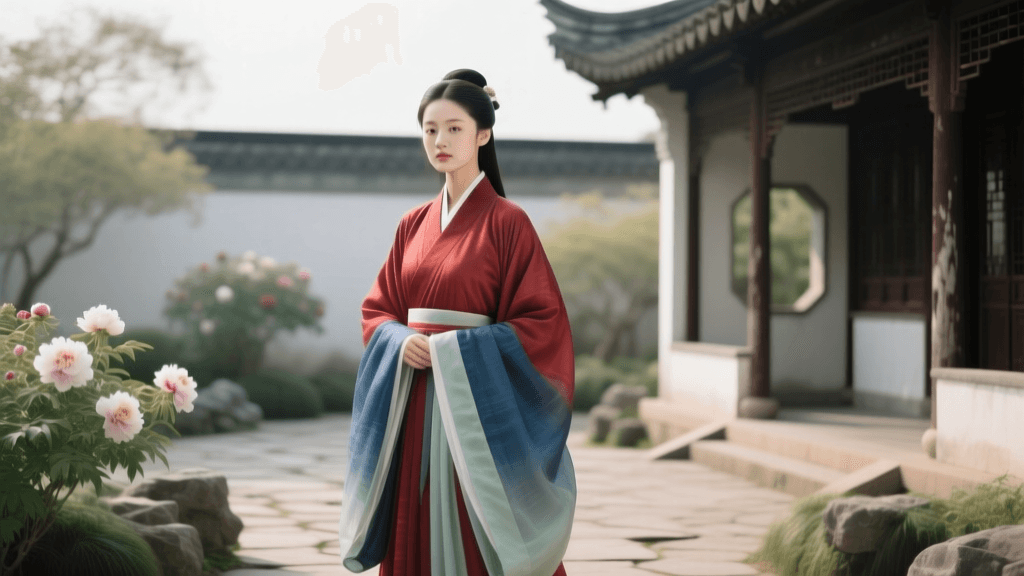
The intersection of traditional Chinese clothing and modern travel has birthed a massive cultural phenomenon: Hanfu destination tourism. What began as a niche hobby among university students in the early 2000s has transformed into a multi-billion-dollar industry that actively shapes domestic and international travel itineraries. Today, ancient cities, botanical gardens, and historical landmarks across China are filled with travelers donning meticulously reconstructed garments, turning public spaces into living, breathing fashion runways.
For content creators, travel bloggers, and cultural enthusiasts, planning a Hanfu-centric trip is no longer just about sightseeing; it is about curating a visual narrative. According to ongoing cultural coverage by the South China Morning Post, the Hanfu industry has evolved from simple garment manufacturing into a comprehensive lifestyle and tourism sector, heavily driven by social media platforms like Douyin (the Chinese version of TikTok) and Xiaohongshu (Little Red Book). These platforms have popularized the 'Hanfu travel' aesthetic, encouraging millions to seek out historically resonant backdrops for their photoshoots.
Social Media Catalysts: From Xiaohongshu to Instagram
The visual nature of Hanfu makes it inherently suited for social media virality. On Xiaohongshu, search queries for 'Hanfu travel guides' (汉服旅游攻略) yield millions of results, detailing everything from the best angles at specific pavilions to the optimal time of day for natural lighting. The transition from these domestic platforms to global ones like Instagram and TikTok has introduced international audiences to the elegance of Chinese sartorial history.
Successful Hanfu content relies on movement and environment. The 'slow-motion spin' is a staple of Hanfu videography, designed to showcase the dramatic flare of the skirt. To achieve this, creators specifically seek out garments with a 6-meter to 9-meter hem circumference, which creates a breathtaking, flower-like bloom when twirling. Furthermore, the integration of traditional props—such as oil-paper umbrellas, round silk fans, and bamboo flutes—adds layers of storytelling that captivate global audiences and elevate standard travel vlogs into cinematic short films.
Top Destinations for Hanfu Photoshoots
Choosing the right destination is critical for matching your garment's historical era with the appropriate architectural backdrop. Below is a comparison chart of China's premier Hanfu tourism hubs, detailing the optimal vibes, seasons, and costs.
| Destination | Historical Era Vibe | Best Season | Avg. Rental Cost (RMB) | Top Photo Spot |
|---|---|---|---|---|
| Xi'an | Tang Dynasty (Opulent) | Spring / Autumn | 150 - 300 | Datang Everbright City |
| Hangzhou | Song Dynasty (Minimalist) | Spring (March-May) | 100 - 250 | West Lake (Guozhuang) |
| Luoyang | Wei/Jin & Tang | April (Peony Fest) | 120 - 280 | Longmen Grottoes |
| Suzhou | Ming Dynasty (Structured) | Autumn | 150 - 350 | Humble Administrator's Garden |
Xi'an: The Tang Dynasty Dream
Xi'an, the ancient capital of Chang'an, is the undisputed mecca for Tang Dynasty Hanfu enthusiasts. The Tang era (618–907 AD) was characterized by cosmopolitan openness, resulting in garments that were bold, colorful, and featuring high-waisted chest skirts (Qixiong Ruqun) with wide, draping sleeves. When planning your itinerary, resources like Lonely Planet's Xi'an guide highlight the city's massive historical footprint, but for Hanfu photographers, the modern reconstruction of Datang Everbright City is the true prize. Illuminated by thousands of lanterns at night, the pedestrian city offers a cyberpunk-meets-antiquity aesthetic that is unparalleled for nighttime flash photography and neon-lit videography.
Hangzhou and Suzhou: Song and Ming Elegance
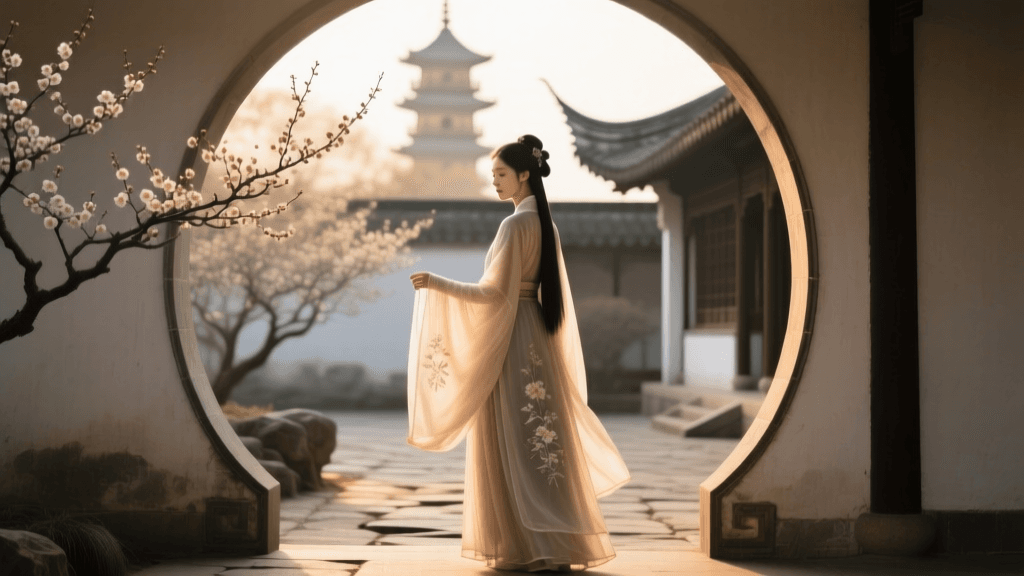
For those drawn to the understated elegance of the Song Dynasty (960–1279 AD) or the structured, refined silhouettes of the Ming Dynasty (1368–1644 AD), the water towns and classical gardens of the Jiangnan region are essential. Hangzhou's West Lake offers misty, melancholic backdrops perfect for the slender, layered looks of Song-style Beizi (long open-front coats). Meanwhile, Suzhou's UNESCO-listed classical gardens, with their intricate lattice windows and moon gates, provide the perfect geometric framing for Ming-style Mamianqun (horse-face skirts). Understanding the historical drape and silk weaves, as documented by the Victoria and Albert Museum's Asian collections, can help you choose the right textile weights and patterns that harmonize with these delicate garden environments.
Styling for the Camera: Garments and Textiles
Not all Hanfu are created equal when it comes to travel and photography. The choice of fabric dictates how the garment behaves in the wind and how it catches the light on camera.
- The Mamianqun (Horse-Face Skirt): A staple of Ming Dynasty styling, this pleated skirt is incredibly popular for travel because it is relatively easy to walk in compared to floor-dragging Tang skirts. For photoshoots, choose a Mamianqun with metallic thread weaving (Zhuanghua) to catch the golden hour sunlight.
- Qixiong Ruqun (Chest-High Skirt): Ideal for Tang Dynasty looks. Because the skirt is tied above the bust, it elongates the legs on camera. However, travelers must use hidden suspenders or safety pins, as the weight of a 6-meter skirt can cause the garment to slip during active movement.
- Fabrics: Avoid heavy brocades for summer travel; they look regal but will cause heat exhaustion. Opt for Tianluo (gauze) or high-quality chiffon for summer shoots, as these fabrics catch the breeze beautifully, creating an ethereal, floating effect for slow-motion video.
Makeup and Hair: Completing the Historical Illusion
A stunning garment can be easily undermined by modern, incongruous makeup and hair. Destination photoshoots require historically inspired beauty routines that translate well through the camera lens.
Tang Dynasty Makeup: Characterized by opulence. The 'Huadian' (floral forehead decal) is a must-have, often applied using gold leaf or red pigment. Eyebrows are typically drawn short and thick, resembling moth wings or distant mountains, and the lips are painted in a small, cherry-shaped pout. Blush is applied heavily, sweeping from the outer corners of the eyes down to the cheeks to mimic a state of joyful intoxication.
Song and Ming Dynasty Makeup: Far more restrained. The 'Sanbai' (Three Whites) technique involves applying pearl powder or bright concealer to the forehead, nose bridge, and chin to create a soft, three-dimensional highlight effect without modern contouring. Lips are kept natural or softly tinted with rose balms.
Hair Accessories: While renting a full hairpiece is common, investing in a few personal accessories elevates the look. Velvet flowers (Ronghua), jade hairpins, and pearl-encrusted combs are lightweight to pack and add immense macro-photography value to close-up portrait shots.
Practical Guide: Renting vs. Buying for Travel
One of the most common dilemmas for Hanfu tourists is whether to pack their own garments or rent locally. Both options have distinct advantages depending on your travel style and content goals.
The Rental Experience
Renting is the most popular choice for casual tourists and first-time travelers. Hanfu rental shops are clustered around major scenic areas, offering 'all-inclusive' packages. A standard package (ranging from 150 to 350 RMB, or $20 to $50 USD) typically includes:
- Garment selection (usually limited to 1-2 outfits).
- Professional historical hair styling using clip-in extensions and wigs.
- Basic traditional makeup application.
- A time limit of 4 to 8 hours, or an overnight return policy.
Pro Tip: Always inspect the hem of rental skirts for stains or tears before leaving the shop, and clarify the deposit requirements (usually 500-1000 RMB, refundable upon safe return). Bring your own comfortable, neutral-colored innerwear, as rental shops may charge extra for base layers.
Bringing Your Own Hanfu
For serious content creators and Hanfu enthusiasts, bringing your own curated wardrobe is essential. Rental shops often stock mass-produced, historically inaccurate 'costume' grade garments that lack the drape and detail required for high-end photography. Packing your own Hanfu allows you to select premium silks, accurate historical patterns, and custom-tailored fits.
When packing, use silk garment bags to prevent crushing. The Mamianqun requires special care; roll it rather than folding it to preserve the sharp knife pleats. Bring a portable travel steamer, as wrinkles in delicate jacquard weaves will immediately ruin the illusion of historical authenticity on a 4K camera sensor.
Conclusion
Hanfu destination tourism is more than a fleeting trend; it is a profound reconnection with Asian sartorial heritage, amplified by the lens of modern social media. Whether you are capturing the neon-lit opulence of Tang Dynasty Xi'an or the quiet, misty elegance of a Ming Dynasty garden in Suzhou, the key to a successful photoshoot lies in meticulous preparation. By understanding the historical context of your garments, mastering the nuances of traditional styling, and strategically planning your itinerary, you can create breathtaking content that honors the past while captivating the digital present.