Yukata vs Jinbei: 2026 Japanese Summer Wear Guide
The Renaissance of Japanese Summer Garments in 2026
As global temperatures continue to break records in 2026, the demand for breathable, culturally rich, and sustainable clothing has reached an all-time high. In Japan, the summer months are synonymous with vibrant matsuri (festivals), fireworks displays, and evening bon-odori dances. Navigating the sweltering heat while maintaining a sense of elegance and tradition requires the right wardrobe. For decades, the debate among locals and travelers alike has centered on two iconic garments: the yukata and the jinbei. While both serve as the ultimate Japanese summer casual wear, they possess distinct histories, silhouettes, and use cases. Whether you are attending a formal shrine festival in Kyoto or enjoying a casual fireworks viewing in Tokyo, understanding the nuances between these two garments is essential for 2026. According to the Japan National Tourism Organization, summer festival attendance has surged to pre-pandemic highs, bringing a renewed interest in authentic, artisan-crafted summer wear that supports local textile regions.
Understanding the Yukata: Elegance Meets Breathability
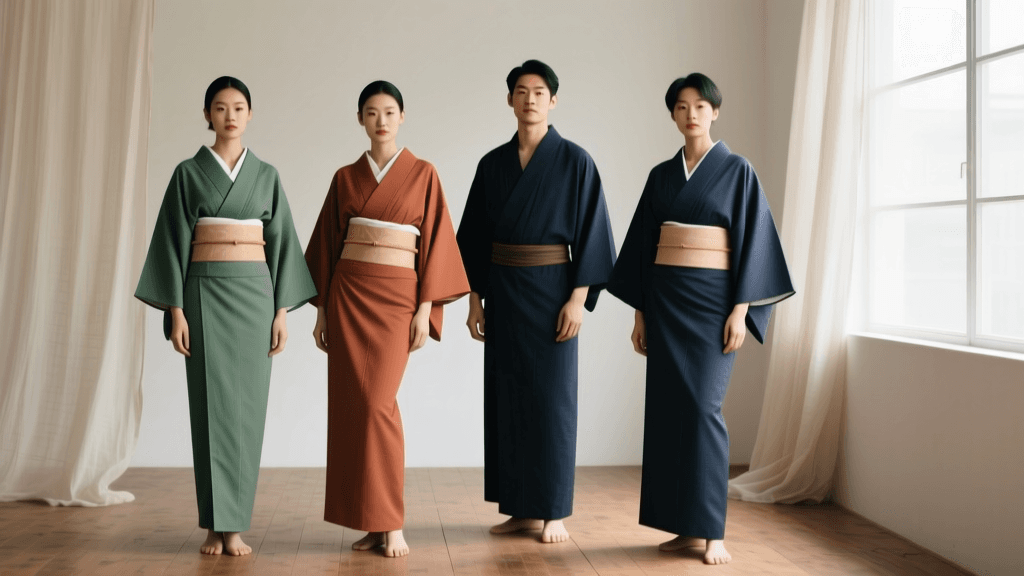
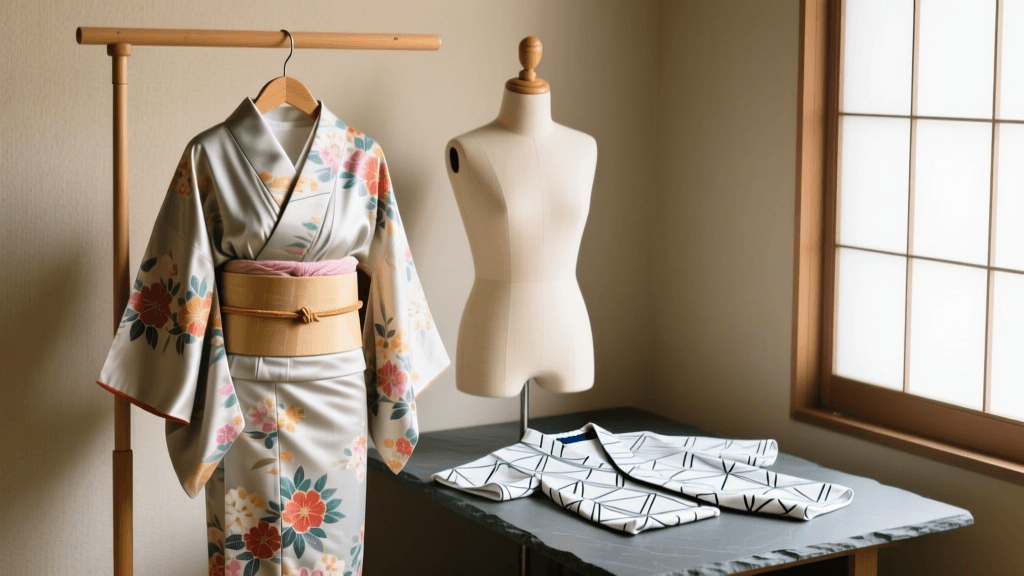
The yukata is a lightweight, unlined cotton robe that traces its origins back to the Heian period (794–1185). Originally known as the yukatabira, it was a simple hemp garment worn by nobility to and from steam baths. By the Edo period, as public bathhouses became widespread and cotton cultivation flourished, the yukata evolved into the casual, everyday loungewear of the common people. Today, the yukata is the undisputed queen of summer festival fashion. It features a T-shaped silhouette, wrapping left over right (always left over right, as the reverse is reserved for dressing the deceased), and is secured with an obi sash.
In 2026, the modern yukata has seen a massive resurgence in sustainable textile production. Heritage brands are moving away from mass-produced polyester blends, returning to organic cotton and traditional weaving techniques. The average price for a high-quality, ready-to-wear yukata set in 2026 ranges from 15,000 to 35,000 JPY, while bespoke, hand-dyed pieces from artisans in regions like Arimatsu can easily exceed 80,000 JPY. The yukata is inherently more formal than the jinbei, making it the required dress code for upscale ryokan dinners, traditional tea ceremonies held in summer pavilions, and major shrine festivals.
The Jinbei: Ultimate Casual Comfort and Heritage
If the yukata is the elegant elder sibling, the jinbei is the playful, practical youth. The jinbei is a two-piece garment consisting of a short-sleeved, side-tied top and a pair of matching shorts or cropped pants. Its lineage can be traced back to the jinbaori, a sleeveless surcoat worn by samurai over their armor during the Sengoku period. Over time, this utilitarian garment was adapted by artisans and merchants during the Edo period as indoor loungewear to combat the humid Japanese summers. The name 'jinbei' is actually a corruption of 'jinbaori' combined with the word for everyday clothing.
Today, the jinbei is the ultimate symbol of relaxed summer leisure. It is exceptionally easy to wear, requiring no complex obi-tying skills, which makes it highly popular for families dressing young children, as well as for men and women seeking maximum mobility. In 2026, the jinbei has crossed over into global streetwear and resort wear, with designers incorporating modern denim blends, seersucker, and even upcycled vintage textiles. Prices are generally more accessible than the yukata, with premium cotton sets averaging between 8,000 and 20,000 JPY. The jinbei is perfect for casual fireworks viewing from a riverbank, neighborhood block parties, or simply lounging at home with a cold mug of draft beer and a plate of edamame.
Head-to-Head Comparison: Yukata vs. Jinbei
To help you decide which garment suits your 2026 summer itinerary, we have broken down the core differences in the table below.
| Feature | Yukata | Jinbei |
|---|---|---|
| Silhouette | T-shaped, full-length wrap robe | Two-piece: short-sleeve top and shorts/pants |
| Formality Level | Semi-casual to smart-casual | Strictly casual / Loungewear |
| Best Occasion | Shrine festivals, ryokan stays, dates | Local block parties, home lounging, casual fireworks |
| Dressing Difficulty | Moderate (requires obi tying) | Very Easy (simple side-ties and drawstrings) |
| Average 2026 Price | 15,000 - 35,000 JPY | 8,000 - 20,000 JPY |
| Gender Norms | Worn by all genders with distinct pattern trends | Worn by all genders; highly popular for children |
Fabric Innovations and Regional Weaves for 2026
The true magic of Japanese summer wear lies in its textiles. The Victoria and Albert Museum extensively documents how historical Japanese garments were engineered specifically for climate control, a tradition that continues to evolve in 2026. For the yukata, the most prized regional fabric is Awa Shijira, originating from Tokushima Prefecture. This textile uses a unique weaving technique that creates a puckered, crepe-like surface. This texture prevents the fabric from clinging to sweaty skin, allowing air to circulate freely against the body. In 2026, Awa Shijira weavers have introduced subtle, modern geometric patterns that appeal to younger demographics while maintaining the fabric's legendary breathability.
For the jinbei, Kurume Kasuri from Fukuoka Prefecture remains a top-tier choice. This ikat-dyed cotton is incredibly soft, durable, and becomes more comfortable with every wash. Additionally, 2026 has seen a breakthrough in natural-synthetic hybrid yarns. Several Kyoto-based textile labs have successfully blended traditional hemp (asa) with advanced cooling polymers derived from plant-based sources. These innovative fabrics offer the crisp, structured look of heritage hemp but feature a cool-to-the-touch sensation that actively wicks moisture away, making them ideal for the increasingly intense August heatwaves.
Footwear and Accessories: Completing the Look
No traditional outfit is complete without the proper accessories, and the rules differ significantly between the yukata and the jinbei.
Styling the Yukata
- Footwear: Geta (wooden clogs) are the traditional choice. In 2026, lightweight paulownia wood geta with cushioned, modern hanao (thongs) are preferred for all-day festival walking.
- Bags: A kinchaku (drawstring bag) made of rattan or bamboo is essential. Large shoulder bags are generally avoided as they disrupt the elegant line of the obi.
- Accessories: An uchiwa (rigid round fan) tucked into the back of the obi, and a decorative obidome (sash clip) add a personalized touch.
Styling the Jinbei
- Footwear: While geta can be worn, setta (leather-soled woven sandals) or even minimalist canvas sneakers are widely accepted and highly popular in 2026 street style.
- Bags: Practicality rules. Crossbody canvas bags or simple woven kago baskets are common.
- Accessories: A tenugui (thin cotton towel) is often tied around the head or draped over the shoulders to wipe away sweat, embracing the jinbei's working-class, utilitarian roots.
Care and Maintenance for Modern Homes
One of the main reasons both garments remain popular is their ease of care compared to formal silk kimonos. However, the 2026 summer wardrobe requires specific maintenance to preserve artisanal dyes. Most modern yukata and jinbei made of cotton can be machine washed, but they must be placed in a fine mesh laundry net and washed on a delicate, cold-water cycle to prevent the indigo or botanical dyes from bleeding. It is crucial to avoid the tumble dryer entirely. Instead, the garments should be gently pulled into shape while damp and hung to dry in the shade. Direct sunlight in 2026's harsh UV conditions can rapidly fade the beautiful, subtle gradients of shibori (tie-dye) patterns. For high-end Awa Shijira or Kurume Kasuri pieces, hand washing in a basin with a neutral pH detergent is still the gold standard recommended by heritage textile cooperatives.
Where to Source Authentic Pieces in 2026
While fast-fashion retailers in Harajuku and Osaka offer cheap, polyester-blend yukata sets for under 5,000 JPY, those seeking authentic, breathable garments should look to specialized boutiques and regional producers. In Kyoto, the Nishijin district offers multi-generational shops where staff can custom-fit your yukata and teach you the proper bunko musubi (bow knot) for your obi. For jinbei, online platforms directly connecting consumers with artisans in Fukuoka and Tokushima have become incredibly popular in 2026, allowing buyers to support rural weaving communities while receiving museum-quality summer wear directly to their doors. When purchasing online, always check the material composition label; ensure it reads 100% cotton, hemp, or a verified natural-blend to guarantee you are getting the authentic, breathable experience that Japanese summer wear is famous for.
Conclusion
Choosing between a yukata and a jinbei ultimately comes down to the context of your summer activities and your personal comfort preferences. The yukata offers a graceful, culturally immersive experience perfect for festivals, photography, and traditional dining. The jinbei provides unmatched, breezy comfort ideal for casual gatherings, travel, and relaxing at home. By investing in high-quality, regionally woven natural fibers in 2026, you not only ensure your own comfort during the hottest months of the year but also participate in the ongoing preservation of Japan's magnificent textile heritage.