Yukata vs Jinbei: 2026 Japanese Summer Wear Guide
The Battle of the Breeze: Yukata vs. Jinbei in 2026
As the intense, humid heat of the Japanese summer sets in, the country undergoes a vibrant sartorial shift. From the bustling streets of Tokyo to the historic alleyways of Kyoto, lightweight, breathable traditional garments replace heavy winter layers. For travelers and locals alike, the 2026 summer season presents a familiar but essential question: should you reach for a yukata or a jinbei? While both are deeply rooted in Japanese culture and designed to combat the sweltering heat, they serve vastly different purposes, occasions, and styling needs. In this comprehensive guide, we break down the nuances of Japanese summer casual wear to help you navigate the 2026 festival season with confidence and cultural respect.
Understanding the Yukata: Elegance Meets Tradition
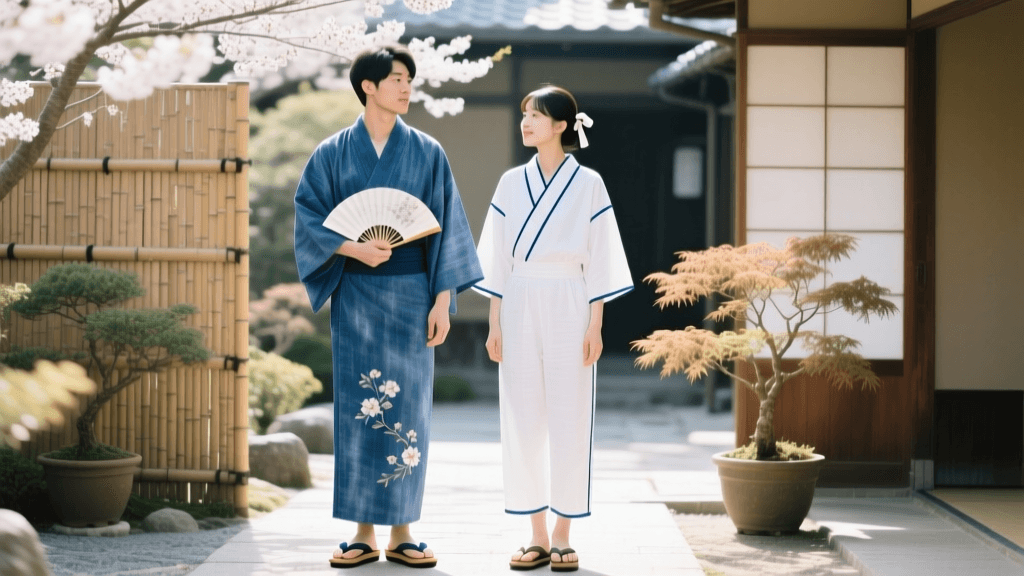
The yukata is a lightweight, unlined cotton kimono that traces its origins back to the Heian period (794–1185), where it was initially worn by nobility as a bathing garment (the word literally translates to 'bathing cloth'). By the Edo period, it had evolved into the everyday summer wear of the masses. Today, the yukata remains the undisputed champion of summer elegance.
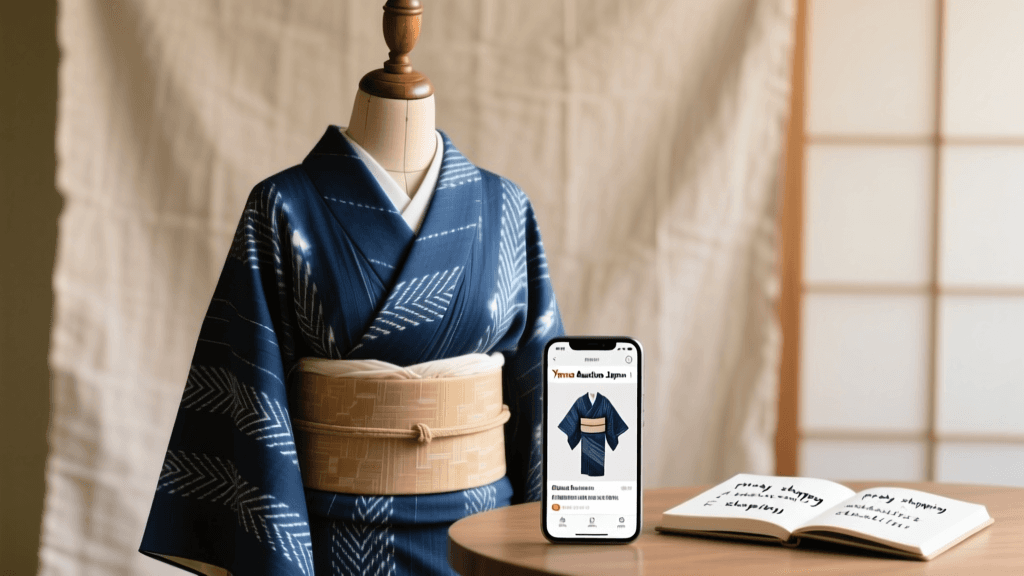
In 2026, the yukata has seen a renaissance in sustainable textile production. Many contemporary brands are now utilizing organic cotton and reviving natural indigo dyeing techniques from Tokushima Prefecture, offering eco-conscious consumers a way to wear tradition responsibly. According to Japan-Guide's comprehensive guide to Yukata, the garment is defined by its straight-line construction, which allows for maximum airflow while maintaining a dignified, structured silhouette.
How to Wear It
Wearing a yukata requires a bit of practice. The golden rule—unchanged for centuries—is to always wrap the left side over the right. Wrapping right over left is strictly reserved for dressing the deceased in traditional funeral rites. Once wrapped, the garment is secured with an obi (sash), which can be tied in dozens of decorative knots, ranging from the simple bunko (bow) for women to the understated kai-no-kuchi for men.
The Jinbei: Unmatched Casual Comfort
If the yukata is the elegant evening gown of summer, the jinbei is the ultimate cozy sundress and shorts set. Originally derived from the jinbaori—a sleeveless surcoat worn by samurai over armor—the jinbei evolved during the Edo period into a two-piece loungewear set consisting of a short-sleeved wrap top and drawstring shorts.
For 2026, the jinbei has transcended its historical reputation as 'men's and children's housewear.' Driven by modern gender-fluid fashion trends and a post-pandemic prioritization of comfort, women's jinbei sets featuring sophisticated botanical prints, waffle-weave textures, and tailored silhouettes are dominating Japanese department store displays. The top fastens with simple ties or buttons, and the shorts feature an elastic or drawstring waist, making it incredibly accessible for beginners in traditional Japanese clothing.
Head-to-Head Comparison Chart
To help you decide which garment fits your 2026 summer itinerary, we have compiled a direct comparison of their core features, current market pricing, and practical use cases.
| Feature | Yukata | Jinbei |
|---|---|---|
| Pieces | 1 (Full-length wrap robe) | 2 (Short-sleeve top & shorts) |
| Primary Occasion | Festivals, fireworks, ryokan dinners | Lounging, local strolls, casual bon odori |
| Ease of Wear | Moderate (Requires obi tying) | Very Easy (Drawstring & buttons) |
| 2026 Avg. Price | ¥5,000 - ¥15,000 ($35 - $105 USD) | ¥3,000 - ¥8,000 ($20 - $55 USD) |
| Standard Footwear | Geta (wooden clogs) or Zori | Barefoot, casual sandals, or sneakers |
| Mobility | Restricted (Narrow hemline) | High (Free leg movement) |
Navigating Occasions and Etiquette
Choosing between a yukata and a jinbei largely depends on where you are going. If you are attending a major summer event, such as the Gion Matsuri in Kyoto or the Sumidagawa Fireworks Festival in Tokyo, the yukata is the mandatory choice. It shows respect for the occasion and provides a beautiful, photogenic aesthetic that aligns with the festive atmosphere. Wearing a jinbei to a major tourist-heavy festival might make you look underdressed, akin to wearing pajamas to a nice restaurant.
Conversely, the jinbei shines in hyper-local, casual settings. If you are staying at a traditional ryokan (inn) and want to walk down the street to grab a drink from a vending machine, or if you are participating in a small neighborhood bon odori (summer dance), the jinbei is perfect. It is also the preferred attire for relaxing at home, enjoying a cold beer on the balcony, or visiting a local public bathhouse (sento).
Beating the 2026 Heat: Fabric Innovations
Japan's summers have grown increasingly hot, with 2026 seeing prolonged periods of high humidity and extreme temperatures. Both garments have adapted to these climate realities through textile innovation.
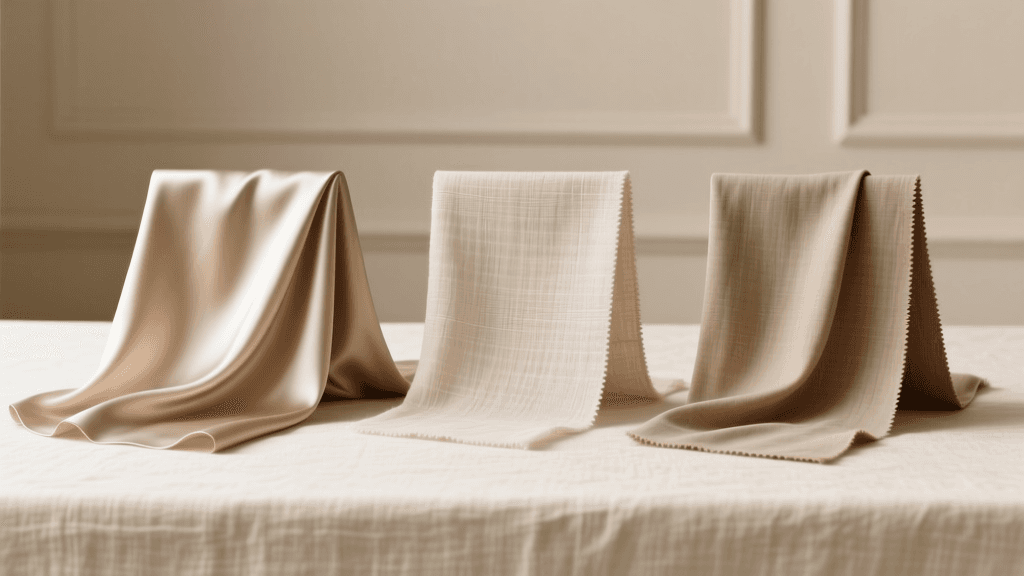
- Yukata's Shijira-ori: For peak heat, look for yukata made from shijira-ori, a traditional seersucker-like weave from Aomori Prefecture. The intentionally puckered fabric prevents the cotton from clinging to sweaty skin, creating a micro-layer of air circulation.
- Jinbei's Linen Blends: While historically 100% cotton, 2026's premium jinbei sets frequently incorporate Japanese linen (asa). Linen dries significantly faster than cotton and possesses natural cooling properties, making it a lifesaver during the late-August heatwaves.
Essential Accessories for the Modern Summer
No traditional outfit is complete without its accompanying accessories. Styling your summer wear correctly elevates the entire look.
Yukata Accessories
- Geta: Wooden clogs worn with tabi (split-toe socks) or bare feet. Modern 2026 designs feature cushioned rubber soles for city walking.
- Kinchaku: A small, drawstring cloth bag used to carry essentials like a smartphone, hotel key, and lipstick, as yukata lack functional pockets.
- Uchiwa: A flat, rigid paper fan. Not only does it provide a breeze, but tucking a beautifully painted uchiwa into the back of your obi is a classic stylistic flourish.
Jinbei Accessories
- Straw Hats: A wide-brimmed straw hat complements the rustic, relaxed vibe of the jinbei while offering vital sun protection.
- Modern Footwear: Unlike the strict footwear rules of the yukata, jinbei can be effortlessly paired with modern leather sandals, espadrilles, or even minimalist sneakers for a contemporary streetwear fusion.
Where to Buy: 2026 Shopping Guide
If you are looking to purchase authentic summer wear in 2026, you have several excellent options ranging from fast fashion to artisanal heritage brands.
For Budget and Convenience: Uniqlo's annual summer collaboration lines remain the gold standard for affordable, high-quality jinbei and casual yukata sets. Expect to pay around ¥3,000 to ¥4,000 for a complete jinbei set, and ¥5,000 for a beginner-friendly, pre-tied obi yukata set.
For Artisanal Quality: Visit the Nishijin district in Kyoto or the Yanaka neighborhood in Tokyo. Here, specialized textile shops offer hand-dyed, bespoke garments. A high-end, artisan-crafted yukata featuring traditional shibori (tie-dye) or chusen (stencil dyeing) can range from ¥20,000 to over ¥50,000, but it represents an investment in wearable art that will last a lifetime.
For Festival Rentals: If you are only visiting for a short time, rental shops in Asakusa (Tokyo) and Higashiyama (Kyoto) offer full yukata dressing services, complete with hair styling and accessories, typically starting at ¥5,500 for the day. This is highly recommended for tourists who want the full experience without the hassle of packing a bulky garment home.
Final Verdict
Ultimately, the choice between yukata and jinbei is not a matter of one being superior to the other, but rather about matching the garment to the moment. The yukata is your passport to the magical, lantern-lit world of Japanese summer festivals, offering a graceful connection to the country's rich aesthetic heritage. The jinbei, on the other hand, is your ultimate companion for laid-back afternoons, offering a breezy, unpretentious comfort that embraces the slow pace of summer living. By understanding the distinct roles of both garments, you can fully immerse yourself in the vibrant tapestry of Japan's 2026 summer traditions.