Sourcing Authentic Oshima Tsumugi Kimono Online: 2026 Buyer Guide
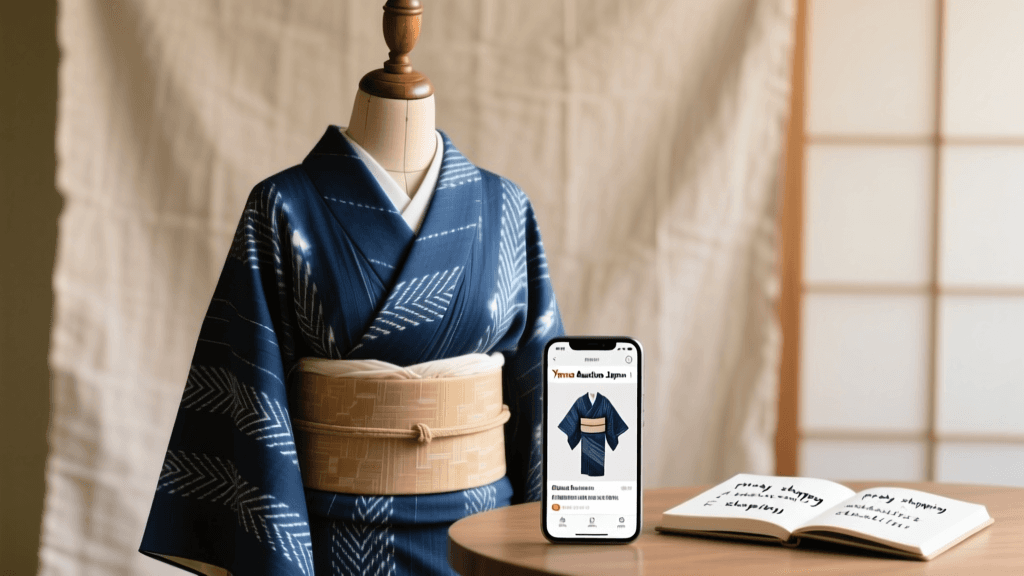
The Allure of Oshima Tsumugi in the 2026 Global Market
Oshima Tsumugi is widely considered the pinnacle of Japanese silk weaving. Originating from Amami Oshima, a subtropical island in the Kagoshima prefecture, this exquisite textile is renowned for its intricate kasuri (ikat) patterns, lightweight texture, and remarkable durability. The traditional creation process involves dyeing silk threads with the tannin-rich bark of the Techi (ironwood) tree and subsequently mud-dyeing them in iron-rich paddies. This labor-intensive method results in a deep, lustrous black or rich earth-toned fabric that softens beautifully with age.
As we navigate the traditional garment market in 2026, the global demand for sustainable, heritage-crafted textiles has surged. Collectors and fashion enthusiasts are increasingly turning away from fast fashion, seeking out investment pieces like vintage and contemporary Oshima Tsumugi. However, this heightened interest has also led to an influx of synthetic imitations and 'Oshima-style' machine-woven polyester blends flooding international e-commerce platforms. For the serious collector or the first-time buyer, knowing how to navigate online marketplaces, utilize Japanese proxy services, and authenticate genuine silk is more critical than ever.
Top Online Marketplaces for Sourcing Oshima Tsumugi
When shopping for traditional Japanese garments from overseas, your choice of platform dictates the authenticity, condition, and price of your purchase. In 2026, the digital landscape for Japanese textiles is divided into three main categories: auction sites, specialized vintage dealers, and direct-to-consumer retail platforms.
Yahoo! Auctions Japan (via Proxy Services)
Yahoo! Auctions Japan remains the undisputed heavyweight champion for sourcing rare, vintage, and reasonably priced Oshima Tsumugi. Because the platform is restricted to users with a Japanese address and bank account, international buyers must use proxy bidding services like Buyee, Sendico, or ZenMarket. The advantage here is the sheer volume; thousands of kimono and tanmono (fabric bolts) are listed daily, often directly from Japanese collectors downsizing their estates. The downside is the inability to physically inspect the fabric, making photo analysis and seller reputation paramount.
Specialized Vintage Dealers (Ichiroya, Yamatoku)
For buyers who prefer a curated experience with English-language support and guaranteed authenticity, specialized online dealers are the best route. Platforms like Ichiroya and Kimono Yamatoku employ in-house experts who inspect, clean, and photograph every piece. While the prices are marked up compared to raw auction sites, you are paying for peace of mind, accurate condition reports, and direct international shipping without the need for a third-party proxy.
Rakuten and Direct Amami Cooperatives
If you are seeking brand-new, unworn Oshima Tsumugi directly from the weavers, Rakuten Global and the official digital storefronts of the Amami Oshima cooperatives are your best options. These pieces come with official certificates of authenticity and the cooperative's inspection seals. According to The Association for the Promotion of Traditional Craft Industries, pieces bearing the official METI-designated traditional craft seal guarantee that the textile was hand-woven and mud-dyed in the Amami region using traditional methods.
2026 Marketplace Comparison Chart
| Platform | Condition | Proxy Required | Authenticity Risk | Estimated Price Range (USD) |
|---|---|---|---|---|
| Yahoo! Auctions Japan | Vintage / Antique | Yes (Buyee/Sendico) | High (Requires research) | $150 - $3,000+ |
| Ichiroya / Yamatoku | Vintage / Curated | No | Very Low (Expert verified) | $400 - $2,500 |
| Rakuten Global | New / Contemporary | No | Low (Official dealers) | $2,500 - $8,000+ |
| Etsy (Global) | Mixed / Vintage | No | High (Mislabeling common) | $200 - $1,500 |
How to Authenticate Oshima Tsumugi from Digital Photos
Buying heritage garments online requires a keen eye for detail. When browsing listings on Yahoo! Auctions or Etsy, you must look beyond the seller's description, which may simply read 'Oshima style' or 'black kasuri silk.' Here is how to verify authenticity through digital imagery in 2026.
Inspect the Kasuri (Ikat) Clarity
True Oshima Tsumugi is famous for its microscopic precision. The kasuri patterns are created by binding and dyeing individual silk threads before weaving. In a genuine piece, the pattern should be remarkably crisp and, crucially, identical on both the front and back of the fabric. If a listing shows a photo of the interior lining or the reverse side of the hem and the pattern is blurred, faded, or completely absent, you are likely looking at a printed imitation or a machine-woven jacquard fake.
Look for the Cooperative Seal (Shikko)
Authentic Oshima Tsumugi that has passed the rigorous regional inspections will feature a specific woven label or paper seal. Look for close-up photos of the shikko (woven brand tag) near the collar or the hem. The Amami Oshima Tsumugi Cooperative uses distinct marks depending on the dyeing method, such as the 'Honba Amami Oshima Tsumugi' seal. If the seller has not photographed the tags, message them to request images before placing a bid.
Check the Material Listing Carefully
In 2026, advanced polyester blends can mimic the sheen of silk to the untrained eye. Always check the Japanese material tags if provided. Look for the kanji 絹 (Kinu), which means 100% silk. If you see ポリエステル (Polyester) or 交織 (Koushoku - meaning a blend of silk and synthetic threads), the piece is not a pure traditional Oshima Tsumugi, though blended vintage pieces from the 1980s do exist and are significantly cheaper.
Understanding Tanmono and Vintage Sizing
One of the most common hurdles for international buyers is understanding Japanese garment sizing. Unlike Western clothing, kimono are not sized in small, medium, or large. They are constructed from a standard bolt of fabric called a tanmono.
The Standard Tanmono Dimensions
A standard Oshima Tsumugi tanmono measures approximately 38 centimeters (15 inches) in width and 12 meters (13.1 yards) in length. Because the width is fixed, the maximum hip circumference a traditional kimono can comfortably accommodate is roughly 100 to 105 centimeters. If you are buying an uncut bolt (shitate-agari), you will need to take it to a specialized kimono tailor (shitate-ya) for custom construction, which can cost an additional $300 to $600 USD in 2026.
Measuring for Finished Vintage Kimono
If you are buying a pre-sewn vintage kimono, you must compare the garment's flat measurements to your body. The two most critical measurements are:
- Yuki (Sleeve-to-Sleeve Length): Measured from the center back of the neck, across the shoulder, and down to the wrist. For a proper fit, the yuki should match your arm span measurement plus about 2-3 centimeters.
- Mitake (Back Length): Measured from the base of the collar down to the hem. Vintage kimono from the mid-20th century are often shorter than modern standards due to the average height of Japanese women in that era. Ensure the mitake is at least equal to your height minus 20 centimeters to allow for the traditional ohashori (waist fold).
2026 Proxy Fees, Shipping, and Customs Logistics
Securing the garment is only half the battle; getting it to your doorstep requires navigating international logistics. If you are using a proxy service like Buyee to purchase from Yahoo! Auctions, you must budget for a layered fee structure that has been updated for the 2026 fiscal year.
Breaking Down Proxy and Domestic Costs
Most proxy services charge a base plan fee (often around $5 to $10 per month for premium features like automatic bidding and consolidated shipping), plus a payment processing fee of roughly 3.5% to 5% of the item's total cost. Once you win the auction, the seller ships the item to the proxy's domestic warehouse in Japan. Domestic shipping via Yamato Transport or Yu-Pack usually costs between $8 and $15 USD.
International EMS and Customs in 2026
For the international leg, Japan Post's EMS (Express Mail Service) remains the gold standard for speed and tracking. According to current Japan Post international shipping rates, sending a standard 500-gram kimono package to North America or Western Europe via EMS costs approximately $30 to $45 USD, with delivery times averaging 5 to 9 business days. Be mindful that Oshima Tsumugi is a high-value luxury good. Depending on your country's 2026 import tax thresholds, you may be subject to customs duties and VAT upon arrival. Always declare the exact purchase price to avoid severe penalties and package seizures.
Care and Maintenance Upon Arrival
Once your Oshima Tsumugi arrives, proper care is essential to preserve the mud-dyed silk. Unlike modern washable silks, traditional Oshima should never be submerged in water or subjected to harsh chemical dry cleaning, which can strip the natural oils and alter the deep black hues. Instead, rely on professional maru-arai (full garment wash) services offered by specialized Japanese textile cleaners, or use a silk-safe spot cleaner for minor stains. When storing your garment, always wrap it in acid-free tatou paper and keep it in a dark, climate-controlled environment to prevent the silk from yellowing or the kasuri threads from degrading. By respecting the heritage and utilizing these modern digital sourcing strategies, you can successfully build a world-class collection of authentic Oshima Tsumugi from anywhere in the globe.