Peace Silk vs Mulberry Silk for Kimono & Hanbok in 2026
The renaissance of East Asian traditional garments in 2026 has brought an unprecedented focus on textile provenance, sustainability, and structural integrity. For artisans, tailors, and consumers alike, choosing the right silk is no longer just about aesthetics; it is about aligning cultural heritage with modern ethical and environmental standards. When commissioning or purchasing a Japanese kimono or a Korean hanbok, the debate frequently centers on two primary textiles: traditional Mulberry silk and the increasingly popular Peace silk (also known as Ahimsa silk). This comprehensive guide explores the technical, aesthetic, and practical differences between these two fibers to help you make an informed decision for your traditional wardrobe in 2026.
Understanding Mulberry Silk: The Traditional Standard
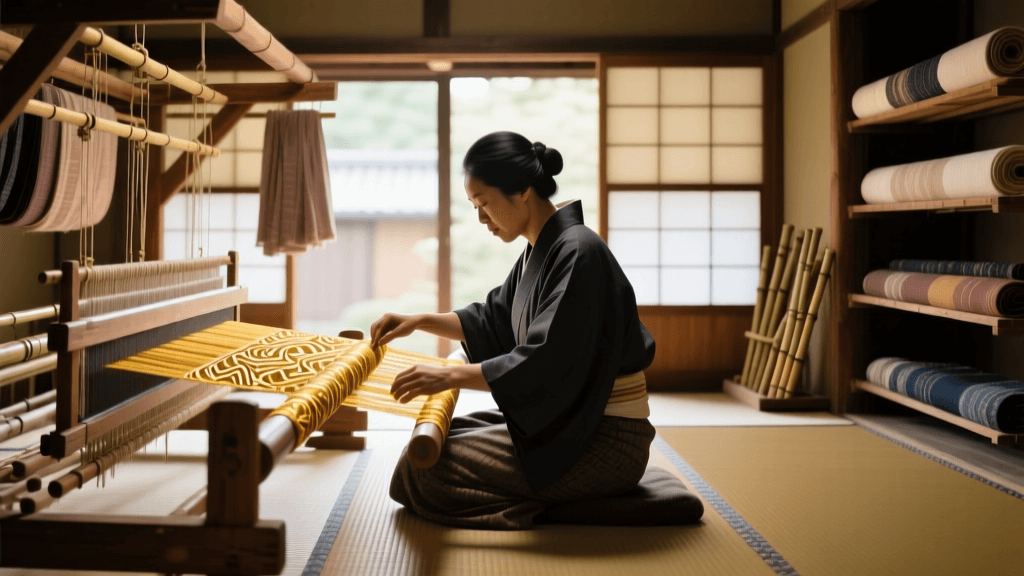
Mulberry silk, produced by the Bombyx mori silkworm, has been the undisputed standard for luxury Asian garments for millennia. The silkworms are fed an exclusive diet of mulberry leaves, resulting in a highly uniform, continuous filament. In traditional sericulture, the cocoons are boiled with the pupae inside to prevent the moth from breaking the continuous silk thread. This reeling process yields a fiber that is exceptionally smooth, highly reflective, and possesses immense tensile strength.
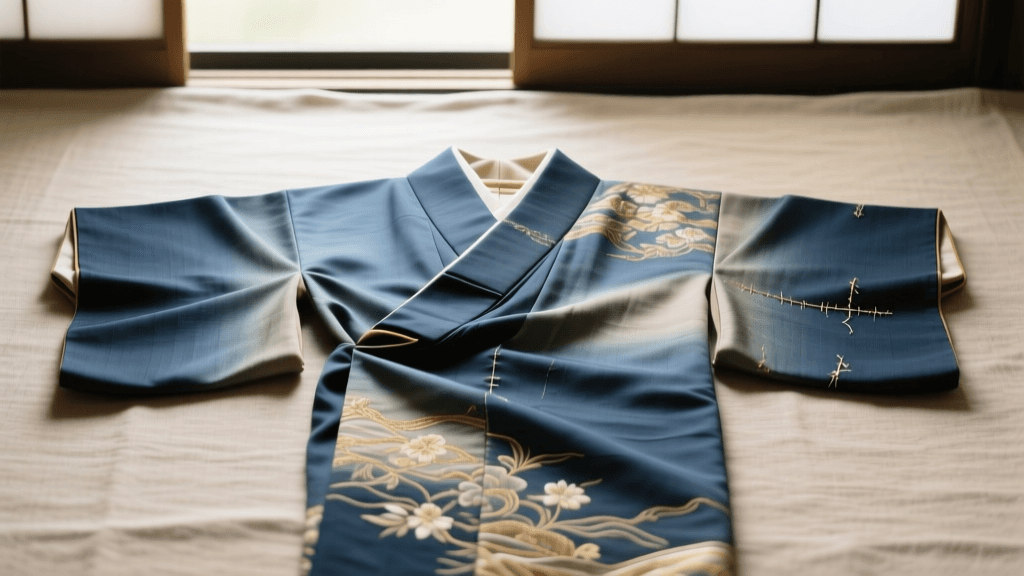
For kimono making, mulberry silk is often woven into Tango chirimen (a high-twist crepe fabric) which provides the characteristic pebbled texture and excellent drape required for garments like the kosode and obi. In Korean tailoring, tightly woven mulberry silks like Myeongju and sheer Gapsa are prized for their ability to hold the crisp, architectural folds of the chima (skirt) and jeogori (jacket). According to historical textile archives maintained by institutions like the Victoria and Albert Museum, the luminous sheen and dye-absorption qualities of mulberry silk have made it the preferred canvas for intricate Yuzen resist-dyeing and elaborate embroidery for centuries.
The Rise of Peace Silk (Ahimsa) in 2026
Peace silk, or Ahimsa silk, represents a cruelty-free alternative that has seen massive technological and market growth by 2026. In this method, the Bombyx mori or wild silkworms (such as Samia cynthia ricini or Antheraea mylitta) are allowed to complete their metamorphosis and emerge from the cocoon naturally. Because the emerging moth secretes an enzyme to melt a hole in the cocoon, the continuous filament is broken into shorter staples.
These shorter fibers must be spun rather than reeled, resulting in a yarn that is inherently more textured, matte, and breathable. Historically, peace silk was considered too coarse for high-end ceremonial wear. However, advancements in micro-spinning technology and organic degumming processes in 2026 have allowed manufacturers to produce Ahimsa silk that rivals the fineness of traditional mulberry silk, while retaining its signature earthy texture and superior thermal regulation. The Central Silk Board of India has been instrumental in standardizing Ahimsa silk production, ensuring that modern peace silk meets the rigorous demands of international luxury markets and traditional garment artisans.
Comparative Analysis: Drape, Sheen, and Durability
Choosing between these two textiles requires an understanding of how they behave during the tailoring process and how they wear over time. Below is a detailed comparison of their physical properties as they stand in the 2026 textile market.
| Feature | Traditional Mulberry Silk | Peace (Ahimsa) Silk |
|---|---|---|
| Filament Type | Continuous (Reeled) | Broken (Spun) |
| Surface Texture | Smooth, High Sheen | Slightly Nubby, Matte Finish |
| Tensile Strength | Very High | Moderate to High |
| Drape & Structure | Fluid, Heavy, Clings | Structured, Breathable, Voluminous |
| Avg. 2026 Cost | $45 - $85 per yard | $95 - $150 per yard |
| Dye Absorption | Brilliant, Deep, High Contrast | Muted, Earthy, Organic Tones |
| Thermal Regulation | Cool to touch, less breathable | Highly breathable, temperature adapting |
Drape and Structural Integrity for Hanbok
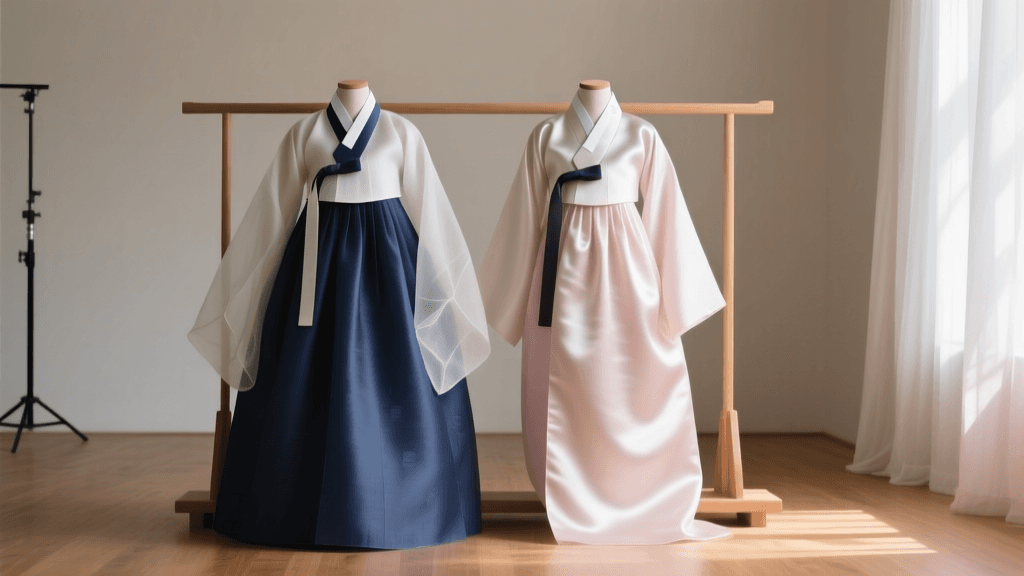
The Korean hanbok relies heavily on structural volume. The chima must billow outward, and the jeogori requires crisp, clean lines that do not collapse. Traditional mulberry silk, particularly when treated with natural starches or modern organic sizing agents, provides the necessary 'rustle' and stiffness. However, 2026 has seen a surge in designers utilizing heavier-weight Peace silk (19-22 momme) for hanbok. Because spun silk fibers trap more air, peace silk offers a natural buoyancy and volume that requires less chemical stiffening, making it an excellent choice for eco-conscious consumers seeking a lightweight yet voluminous silhouette.
Sheen and Dye Absorption for Kimono Yuzen
For the Japanese kimono, the canvas is just as important as the artwork. The Yuzen dyeing technique requires a fabric that can hold sharp, intricate resist lines and absorb vibrant dyes without bleeding. Mulberry silk's smooth, continuous filament acts like glass, reflecting light and making colors appear exceptionally vivid. Peace silk, with its micro-texture and spun staples, scatters light. This makes it less ideal for highly detailed, pictorial Yuzen designs, but absolutely spectacular for Kasuri (ikat weaving), Shibori (tie-dye), and rustic, wabi-sabi aesthetics that are highly trending in contemporary kimono fashion this year.
Yardage Requirements and Sourcing in 2026
When budgeting for your garment, it is crucial to account for the specific yardage requirements of traditional patterns, which differ vastly from Western tailoring.
- Japanese Kimono: A standard kimono is constructed from a tanmono (a narrow bolt of fabric roughly 14 inches wide and 12.5 yards long). If you are sourcing standard 45-inch wide silk from modern ethical suppliers, you will need approximately 8 to 10 yards to account for the panel cutting and the obi (sash).
- Korean Hanbok: A standard women's hanbok ensemble requires approximately 4 to 6 yards of 45-inch wide fabric, while a men's ensemble (jeogori and baji) requires about 5 to 7 yards.
In 2026, sourcing certified ethical silk is easier than ever, but it requires diligence. Look for certifications from recognized bodies. The Textile Exchange provides rigorous standards for preferred fibers, ensuring that the peace silk you purchase is genuinely cruelty-free and that the mulberry silk is produced using regenerative agricultural practices that protect local water tables.
Care and Maintenance Guidelines
The care routines for these two fabrics differ significantly due to their fiber structures.
Mulberry Silk Care: Because the sericin (silk gum) is completely removed during the boiling process, mulberry silk is highly susceptible to water spotting and UV degradation. Dry cleaning remains the standard for heavily dyed kimono silks. If hand-washing a plain weave mulberry hanbok silk, use cold water and a pH-neutral detergent specifically formulated for protein fibers. Never wring the fabric; roll it in a towel to absorb moisture and dry it flat away from direct sunlight.
Peace Silk Care: The natural texture of peace silk hides water spots and minor wrinkles exceptionally well. In fact, the slight crumpling of spun silk adds to its organic charm. Peace silk can generally be hand-washed more safely than mulberry silk, and some modern 2026 weaves are even treated for gentle machine washing on a delicate cycle. However, to preserve the structural integrity of a formal ceremonial garment, professional wet-cleaning by a specialist in traditional Asian textiles is highly recommended.
Conclusion: Making the Right Choice
The choice between Peace silk and Mulberry silk in 2026 ultimately depends on the specific garment you are creating and your personal values. If you are commissioning a formal, highly dyed kimono requiring a brilliant sheen and fluid drape, or a sharply structured hanbok for a traditional wedding, high-grade Mulberry silk remains the unparalleled champion of the craft. Conversely, if you prioritize cruelty-free sustainability, prefer an earthy and matte aesthetic, or are designing a garment meant for extended wear and superior breathability, modern Peace silk offers a luxurious, ethically sound alternative that honors the spirit of Asian textile traditions while embracing the future.