Yukata vs Jinbei: The 2026 Japanese Summer Wear Guide
Introduction to Japanese Summer Fashion in 2026
As the humid heat of the Japanese summer rolls in, the streets of Tokyo, Kyoto, and Osaka transform into vibrant corridors of traditional fashion. Summer in Japan is synonymous with matsuri (festivals), hanabi (fireworks displays), and the lively atmosphere of outdoor street food stalls. For both locals and travelers navigating the 2026 summer season, choosing the right traditional garment is essential for comfort, cultural respect, and style. The two undisputed champions of Japanese summer casual wear are the yukata and the jinbei.
While both garments share historical roots in the Edo period as lightweight, breathable alternatives to formal silk kimono, their modern applications, styling rules, and cultural connotations have diverged significantly. Whether you are planning to attend a major fireworks festival or simply lounging at a traditional ryokan (inn), understanding the nuances between yukata and jinbei will elevate your 2026 Japanese travel experience. According to the Japan National Tourism Organization (JNTO), summer cultural immersion remains a top priority for international visitors, making traditional garment literacy more important than ever.
What is a Yukata?
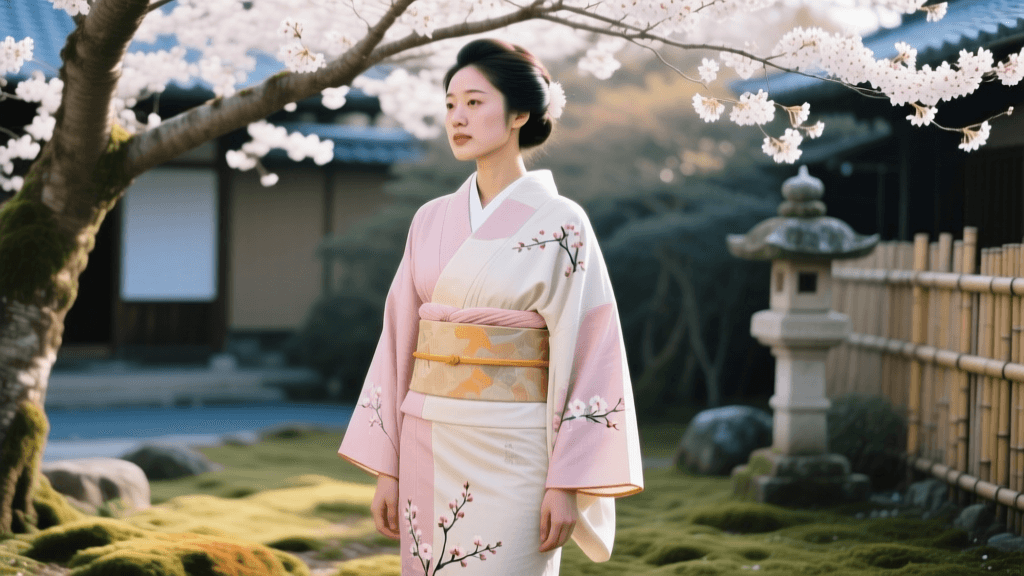
The yukata is a lightweight, unlined cotton kimono. Historically, it was worn as a bathing robe by the nobility before evolving into the everyday summer garment of the working class during the Edo period. Today, the yukata is the standard attire for summer festivals, fireworks viewing, and casual evening strolls in historic districts like Gion or Asakusa.
Components of a Yukata
A proper yukata ensemble involves several layers and accessories, particularly for women, though men's styling is notably more streamlined:
- Hadajuban / Koshimaki: Lightweight undergarments worn beneath the yukata to absorb sweat and prevent the cotton from clinging to the skin.
- Yukata: The main T-shaped robe, wrapped left over right (right over left is strictly reserved for funerary attire).
- Koshihimo: Thin cotton ties used to secure the yukata at the waist before the obi is applied.
- Obi: The sash. Women typically wear a hanhaba obi (half-width sash) tied in decorative bows like the bunko (butterfly) knot. Men wear a kaku obi, tied in a simple, low knot at the back.
- Geta: Traditional wooden clogs worn with bare feet or specialized tabi socks.
What is a Jinbei?
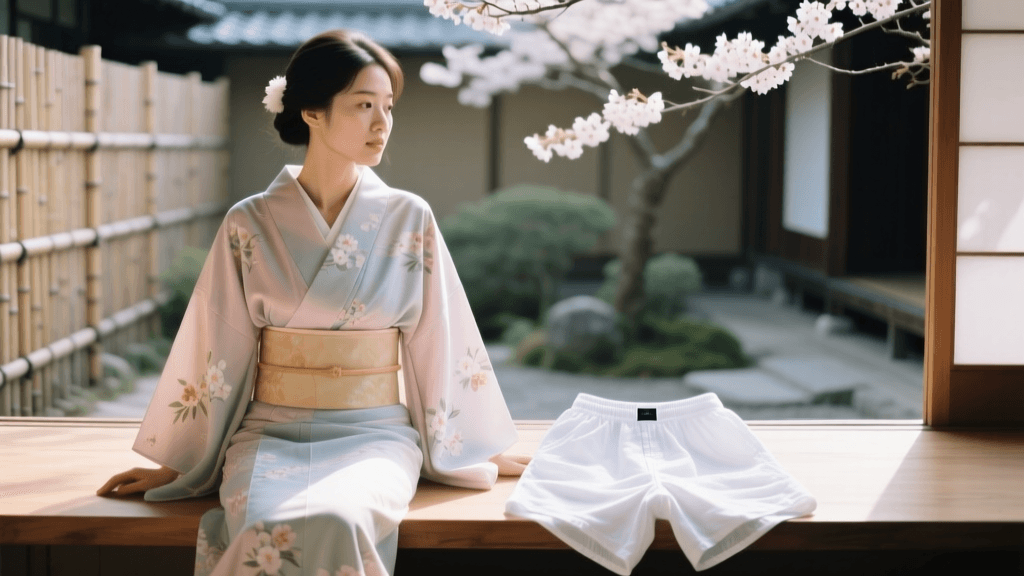
The jinbei is a two-piece casual summer garment consisting of a short-sleeved, side-vented top and matching shorts. Originally designed as indoor lounge wear or workwear for men and children, the jinbei has experienced a massive resurgence in the 2020s. By 2026, gender-neutral and women's jinbei designs have completely mainstreamed the garment, making it a staple for neighborhood bon odori dances, local shrine visits, and relaxing at home.
Components of a Jinbei
The beauty of the jinbei lies in its simplicity. It requires no complex wrapping, tying, or specialized undergarments.
- Top: A wrap-style, short-sleeved shirt secured by a single internal tie and an external tie at the right hip. The side vents provide crucial airflow in Japan's sweltering July and August heat.
- Bottoms: Loose-fitting shorts with an elastic or drawstring waistband, typically ending above the knee.
2026 Fabric Innovations and Sustainability Trends
The Japanese textile industry has made significant strides in 2026, blending ancient weaving techniques with modern sustainability and climate-adaptation technologies. With summer temperatures frequently exceeding 35°C (95°F) in urban centers, fabric choice is no longer just about aesthetics; it is a matter of heat management.
Shijira-ori and Cooling Tech
For 2026, shijira-ori—a traditional seersucker-like weaving technique from Tokushima that creates a bumpy, textured surface to prevent the fabric from sticking to sweaty skin—has been integrated with contact-cooling yarns. Brands are now offering yukata and jinbei that feel cool to the touch upon contact. Furthermore, the push for sustainable fashion has seen a massive return to aizome (natural Japanese indigo). Unlike synthetic dyes, natural indigo possesses natural insect-repellent and deodorizing properties, making it highly practical for humid summer evenings.
Yukata vs Jinbei: 2026 Comparison Chart
To help you decide which garment fits your itinerary, refer to this comprehensive breakdown of their characteristics, use cases, and current market pricing.
| Feature | Yukata | Jinbei |
|---|---|---|
| Formality Level | Semi-casual to Smart-casual | Very Casual / Lounge |
| Primary Occasions | Major fireworks (Hanabi), large Matsuri, Ryokan, Dates | Neighborhood Bon Odori, lounging, quick convenience store runs |
| Gender Norms (2026) | Worn by all genders; distinct styling differences | Historically male/child, now universally worn by all genders |
| Dressing Time | 10–20 minutes (requires practice or assistance) | 1–2 minutes (as easy as a t-shirt and shorts) |
| Footwear Pairing | Geta or Zori (wooden/straw sandals) | Geta, sandals, or even modern sneakers |
| Average Price (2026) | ¥6,000 – ¥15,000 ($40 – $100 USD) | ¥3,000 – ¥8,000 ($20 – $55 USD) |
Festival Etiquette: When to Wear Which?
Understanding the unspoken dress codes of Japanese summer events is crucial. The Japan Guide's comprehensive festival directory highlights hundreds of local and national events, each with its own vibe.
Choose the Yukata When:
- Attending Major Hanabi Taikai (Fireworks Festivals): Events like the Sumidagawa or Nagaoka fireworks are spectacular, highly photographed events. A yukata is the standard, photogenic choice.
- Visiting a Ryokan: Most traditional inns provide yukata for guests to wear to dinner, the onsen, and while lounging. It is considered inappropriate to wear a jinbei to a formal ryokan dinner.
- Going on a Summer Date: The yukata carries a romantic, elegant connotation in modern Japanese culture, making it the preferred choice for couples visiting temple grounds at night.
Choose the Jinbei When:
- Participating in Bon Odori: These local neighborhood dances involve a lot of movement, spinning, and sweating. The jinbei's two-piece design allows for unrestricted movement and superior ventilation.
- Traveling with Young Children: Dressing toddlers in a full yukata can be a logistical nightmare. Jinbei are the undisputed kings of children's summer festival wear.
- Running Errands or Casual Lounging: In 2026, it is entirely socially acceptable to wear a stylish jinbei to the local konbini (convenience store) or while enjoying a beer at an outdoor beer garden.
Essential Accessories for 2026
No traditional outfit is complete without the right accessories. This year, the trend leans heavily toward artisanal, handcrafted items that support regional Japanese craftspeople.
- Uchiwa (Flat Fans): Often given away as promotional items at festivals, but in 2026, luxury bamboo-and-washi paper uchiwa from Kyoto are highly sought-after fashion statements.
- Kinchaku (Drawstring Bags): Essential for carrying a smartphone, portable fan, and wallet, as traditional garments lack pockets. Rattan and woven vine bags are currently trending over standard cotton pouches.
- Hair Ornaments (Kanzashi): For women wearing yukata, glass or resin floral hairpins that mimic the look of ice or water are incredibly popular for their visual cooling effect.
- Modern Footwear: While traditional wooden geta are beautiful, they can cause blisters for the uninitiated. In 2026, many brands offer 'sneaker-geta' hybrids—footwear with the aesthetic of wooden clogs but the ergonomic, cushioned soles of modern athletic shoes.
Where to Buy Authentic Garments in 2026
For travelers arriving in Japan, the best places to purchase high-quality, authentic summer wear are specialized boutiques in Tokyo's Asakusa district, the textile markets of Kyoto, and major department stores like Isetan or Takashimaya during their mid-summer 'Yukata Fairs'. For those shopping internationally, numerous heritage Japanese brands now offer global shipping, ensuring you can arrive in Japan with your garments perfectly fitted and ready to wear. According to cultural preservation notes from the Japan National Tourism Organization, supporting regional textile hubs like Tokushima and Niigata by purchasing authentic, locally made garments helps sustain these historic weaving communities.
Conclusion
The choice between a yukata and a jinbei ultimately depends on your itinerary, your comfort level with traditional garment wrapping, and the specific events you plan to attend. The yukata offers an elegant, immersive cultural experience perfect for grand festivals and romantic evenings, while the jinbei provides unmatched comfort, mobility, and a deeply authentic look into the everyday life of Japanese locals. By understanding the distinct roles these garments play in 2026, you can navigate the Japanese summer with confidence, respect, and impeccable style.