Mastering Koromogae: Seasonal Kimono Layering Techniques
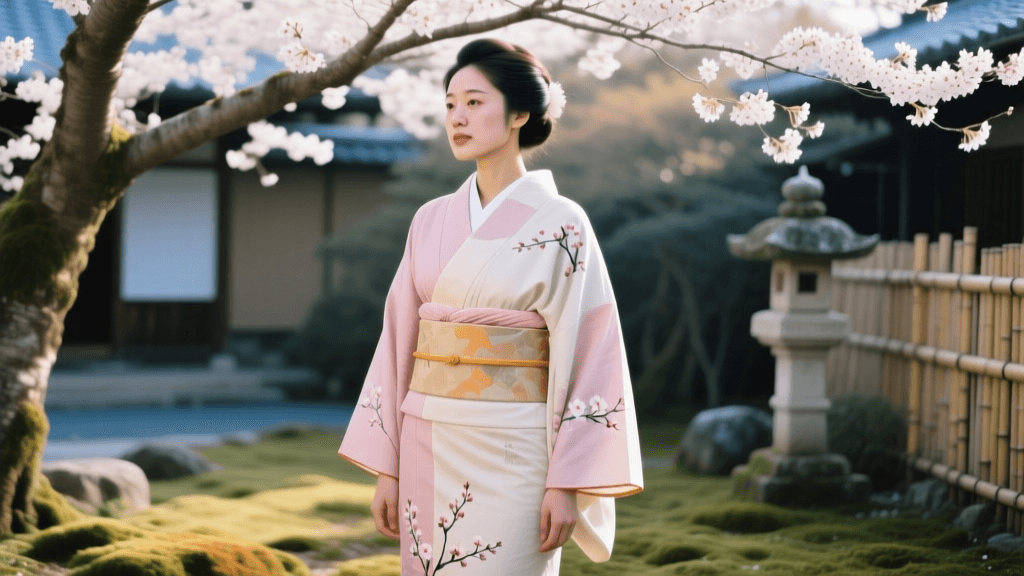
The Rhythm of Nature: Understanding Koromogae
In Japanese culture, the changing of the seasons is not merely a shift in weather; it is a profound aesthetic and spiritual transition. This deep reverence for nature is woven directly into the fabric of traditional Japanese clothing through the practice of Koromogae (衣替え), the seasonal changing of the wardrobe. Historically rooted in the Heian period (794–1185) court rituals, Koromogae dictates not only when to transition from winter to summer garments but also how to layer, tie, and accessorize traditional dress to harmonize with the environment. According to the Metropolitan Museum of Art, the layering of garments in Japanese dress has long served as a marker of both social status and seasonal awareness, with color combinations and textile weaves strictly regulated by the time of year.
For modern practitioners of kimono dressing, mastering Koromogae is essential. It ensures physical comfort—crucial in Japan's notoriously humid summers and biting winters—while demonstrating a refined understanding of traditional etiquette. This guide explores the practical techniques, fabric choices, and dressing adjustments required to navigate the Japanese seasons in traditional attire.
The Three Seasons of Kimono Wear
While the Western calendar recognizes four seasons, traditional kimono wear categorizes the year into three distinct dressing seasons based on the lining and weave of the garment. The traditional transition dates are June 1st (switching to summer wear) and October 1st (switching back to winter wear). However, due to modern climate shifts, many practitioners now adjust these dates to early May and late September.
| Season | Kimono Type | Fabric & Weave | Traditional Wear Period | Undergarment (Juban) |
|---|---|---|---|---|
| Spring / Autumn | Awase (Lined) | Silk Chirimen, Wool, Polyester | Oct 1 – May 31 | Lined Silk or Poly Nagajuban |
| Early Summer / Early Autumn | Hitoe (Unlined) | Tsumugi, Ro, Sha, Linen | June & September | Unlined Cotton or Ro Juban |
| Peak Summer | Natsugoromo / Yukata | Sheer Silk, Ramie, Cotton | July & August | Hadajuban (undershirt) only |
Summer Dressing Techniques: Beating the Humidity
Dressing in a kimono during the Japanese summer requires strategic choices to prevent heat exhaustion while maintaining elegance. The primary goal is to maximize airflow and minimize direct contact between the skin and heavy silks.
Selecting Summer Textiles: Ro and Sha
For formal summer wear, practitioners turn to Ro and Sha silks. These are specialized leno weaves that create deliberate, microscopic gaps in the fabric, allowing breezes to pass through and reach the skin. A vintage Ro silk kimono typically costs between $50 and $150, making it an accessible investment for seasonal wear. For casual wear, the cotton Yukata is the undisputed king of summer festivals. Modern washable polyester blends are also available ($40–$80), though they lack the breathability of natural fibers.
Actionable Summer Dressing Adjustments
- The Nukeeri (Nape Gap): In summer, pull the collar further back at the nape of the neck. Exposing the nape is not only considered aesthetically alluring in Japanese culture but also allows critical heat escape from the body's core.
- Loosening the Ohashori: The ohashori is the waist fold that adjusts the kimono's length. In summer, tie the koshihimo (waist ties) slightly looser and let the ohashori sit a bit lower to create a bellows effect, pumping air up through the sleeves when you walk.
- Cooling Accessories: Insert a small strip of igusa (woven rush grass) or a bamboo slip between your back and the obi. This creates a physical gap that prevents sweat from pooling and protects the delicate silk obi from moisture damage.
- Obi Selection: Opt for a Hanhaba obi (half-width obi, measuring 15cm across). Tied in a simple Bunko (butterfly) knot, it covers less surface area on the lower back than a formal 31cm Fukuro obi, significantly reducing trapped body heat.
Winter Layering: Warmth Without Bulk
Winter kimono dressing focuses on insulation. The traditional winter garment is the Awase, a kimono fully lined with a secondary layer of silk or synthetic fabric. The Victoria and Albert Museum highlights how the kimono acts as a canvas for seasonal motifs; in winter, this extends to the lining, which often features hidden seasonal poetry or autumn leaves that peek out only when the wearer moves.
Strategic Layering and Modern Hacks
Traditional layering involves a lined Nagajuban (under-kimono) worn beneath the Awase kimono. However, traditional silk undergarments offer poor thermal retention in freezing weather. Modern practitioners have adopted highly effective, low-cost hacks:
- The Heattech Hadajuban: Replace the traditional cotton undershirt with a Uniqlo Heattech turtleneck or V-neck (costing roughly $15–$25). The ultra-thin, heat-generating synthetic fabric provides immense warmth without adding bulk that would ruin the kimono's silhouette.
- Lower Back Protection: The kidneys and lower back are highly susceptible to cold. Wear a traditional Haramaki (belly band) or modern thermal leggings beneath the kimono. Because the kimono wraps securely around the waist, these under-layers remain completely invisible.
- Outerwear Integration: For outdoor transit, add a Haori (kimono jacket) or a Hifu (a padded, sleeveless vest often worn by children or elderly women). A vintage wool Haori can be sourced for $80–$200 and provides excellent wind resistance.
Winter Dressing Adjustments
Unlike the summer technique, winter dressing requires sealing the garment. Pull the collar slightly forward at the nape to protect the neck from biting winds. The ohashori fold should be pulled up higher and tied tightly with the koshihimo to create a sealed pocket of warm air around the torso. Additionally, winter calls for heavier, opulent obi fabrics like brocade Fukuro obi, which provide an extra layer of structural insulation around the core.
Transitioning the Wardrobe: Storage and Care
The physical act of Koromogae involves more than just changing what you wear; it requires the meticulous storage of off-season garments. Proper storage ensures the longevity of natural fibers and prevents mold, a common issue in humid climates.
- Airing Out: Before storing winter garments in May, hang them in a shaded, well-ventilated area for 24 hours to evaporate any trapped moisture. Never hang silk in direct sunlight, as UV rays will rapidly degrade the dye.
- Tatoushi Wrappers: Fold the kimono using the traditional flat-folding method and wrap it in Tatoushi—specialized, acid-free Japanese paper wrappers. This allows the fabric to breathe while protecting it from dust and light.
- Cedar Chests (Tansu): Store wrapped garments in a Kiri (paulownia wood) chest. Paulownia naturally regulates humidity and repels insects. As emphasized by cultural preservation archives like those at the Tokyo National Museum, proper textile storage is paramount to preserving the structural integrity of historical and contemporary Japanese garments.
- Moth Prevention: Place natural camphor or cedar blocks in the corners of the chest. Avoid chemical mothballs, as their harsh odors can permanently permeate silk fibers.
Conclusion: Dressing with Intention
Mastering the seasonal wear and dressing techniques of the kimono transforms the act of getting dressed into a mindful meditation on the passage of time. By understanding the structural differences between Awase and Hitoe, adjusting the nukeeri and ohashori for thermal regulation, and respecting the storage rituals of Koromogae, you do more than wear a garment. You participate in a centuries-old dialogue between human craftsmanship and the natural world. Whether you are navigating the sweltering heat of a Kyoto July in breathable Ro silk, or braving a Tokyo January wrapped in lined wool and Heattech, these techniques ensure you do so with both physical comfort and profound cultural respect.