Yukata vs Jinbei: 2026 Guide to Summer Casual Wear
Introduction to Japanese Summer Casual Wear in 2026
As summer temperatures continue to break records globally, the fashion world is increasingly looking toward traditional, climate-adapted garments for inspiration. In Japan, the sweltering, humid months of July and August have long been navigated with the help of two iconic garments: the yukata and the jinbei. For 2026, these traditional pieces have transcended their historical boundaries, evolving into global symbols of sustainable, breathable, and effortless summer style. Whether you are attending a vibrant matsuri (festival) in Kyoto, lounging at a beachside resort, or simply seeking comfortable loungewear for your home, understanding the nuances between a yukata and a jinbei is essential for any enthusiast of Asian traditions.
The resurgence of traditional Japanese garments in 2026 is heavily driven by a global shift toward sustainable fashion and natural fibers. Consumers are moving away from synthetic, heat-trapping fabrics and embracing the artisanal cottons, linens, and natural dyes that define Japanese summer wear. According to the Metropolitan Museum of Art, the evolution of Japanese textiles has always been deeply intertwined with the country's distinct seasons, and modern adaptations of these historical garments continue to honor that climate-responsive philosophy while integrating contemporary aesthetics.
The Yukata: Elegance Meets Festival Tradition
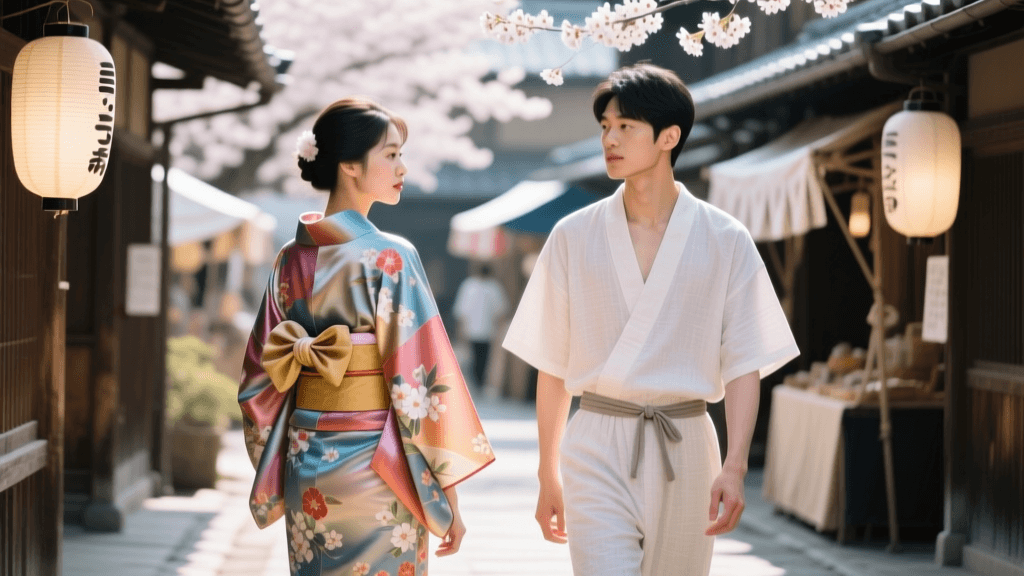
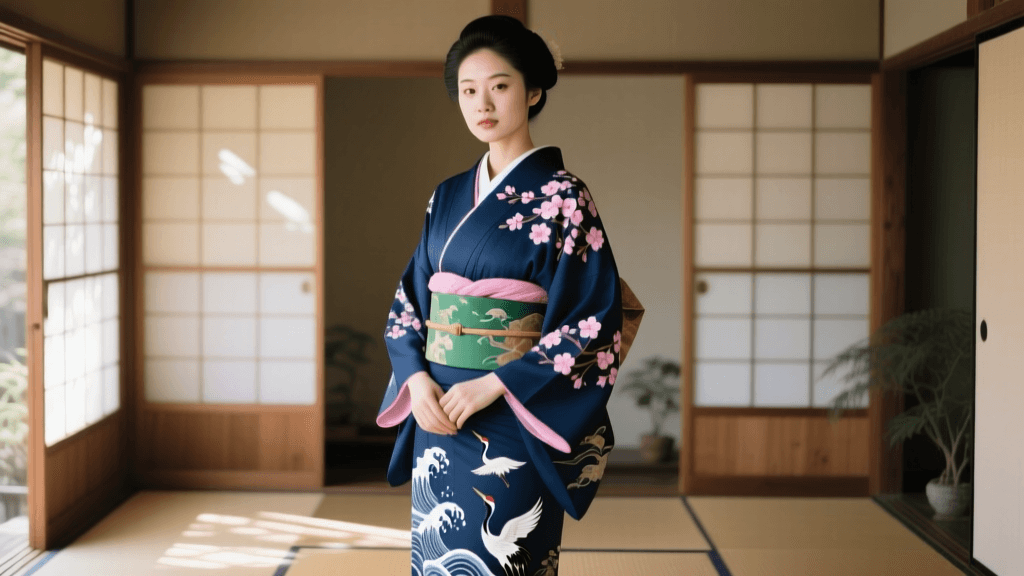
The yukata is a lightweight, unlined kimono that traces its origins back to the Heian period (794–1185), where it was initially worn as a bathrobe by the aristocracy. By the Edo period, it had evolved into the everyday streetwear of the common people. Today, the yukata is the quintessential garment for summer festivals (matsuri), fireworks displays (hanabi), and stays at traditional ryokan inns.
In 2026, the yukata market has seen a fascinating bifurcation. On one end, traditional artisans in regions like Kurume and Kyoto are producing premium kurume-gasuri (ikat-dyed cotton) and shijira-ori (seersucker-weave) yukata that command high prices and offer unparalleled breathability. On the other end, fast-fashion and lifestyle brands have introduced modern, easy-care yukata made from advanced cotton-blend fabrics that resist wrinkling and feature contemporary, minimalist prints.
How to Wear a Yukata
Wearing a yukata requires a basic understanding of traditional wrapping rules. The most critical rule—which applies to all traditional Japanese garments—is to always wrap the left side over the right side. Wrapping right-over-left is strictly reserved for dressing the deceased for burial. Once wrapped, the yukata is secured with a koshi-himo (a thin tie belt) and then adorned with an obi. For men in 2026, the trend leans toward narrow, textured kaku-obi tied in a simple knot at the back. Women often opt for pre-tied, decorative obi belts that offer the illusion of a complex knot with zero-effort application, perfect for navigating crowded festival grounds.
The Jinbei: The Ultimate Loungewear and Streetwear Hybrid
If the yukata is the elegant face of Japanese summer, the jinbei is its relaxed, carefree sibling. Originally designed as working-class attire and children's playwear during the Edo period, the jinbei has experienced a massive cultural elevation over the last decade. By 2026, it is firmly established not just as indoor loungewear, but as acceptable, fashionable streetwear in trendy neighborhoods like Tokyo's Shimokitazawa and Harajuku, as well as a staple of global resort wear.
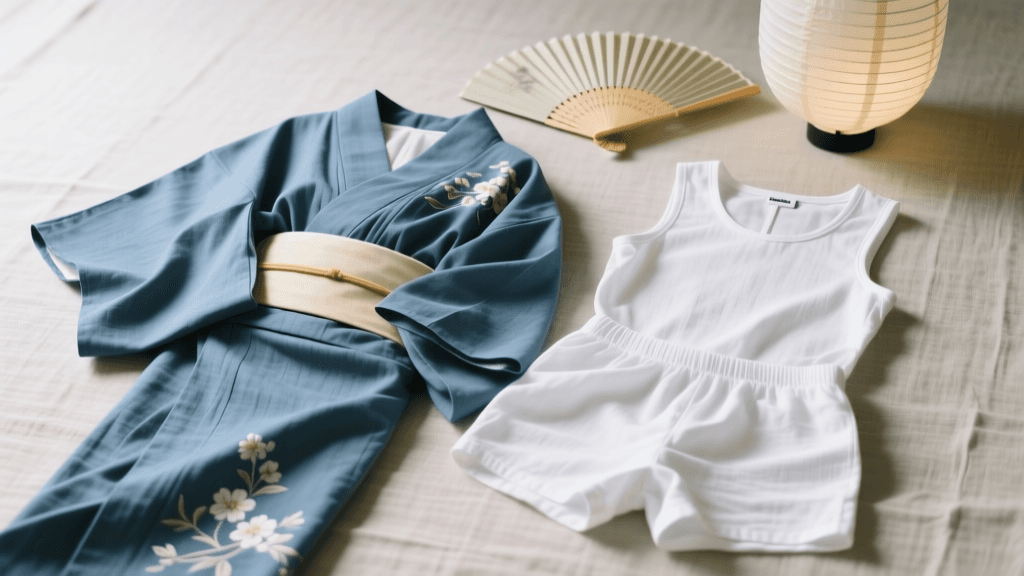
A jinbei is a two-piece set consisting of a short-sleeved, kimono-style wrap top and matching shorts. The top is tied with two sets of strings—one at the neck and one at the waist—eliminating the need for a complex obi. The shorts are typically elasticated at the waist for comfort and feature deep side slits that allow for maximum airflow and freedom of movement. This two-piece construction makes the jinbei significantly easier to put on and take off than a yukata, and it is far more practical for activities that require walking long distances or sitting cross-legged.
2026 Jinbei Trends
This year, designers are pushing the boundaries of jinbei fabrics. While traditional indigo-dyed cotton remains a bestseller, 2026 collections feature heavy-weight linen blends, waffle-knit cottons, and even subtle, monochromatic geometric patterns that appeal to a minimalist aesthetic. High-end brands are also introducing matching haori (light jackets) to wear over jinbei sets in air-conditioned environments, creating a versatile, layered summer look.
Head-to-Head Comparison: Yukata vs. Jinbei
To help you decide which garment suits your 2026 summer plans, we have broken down the key differences in the comparison table below.
| Feature | Yukata | Jinbei |
|---|---|---|
| Construction | One-piece T-shaped robe | Two-piece (wrap top and shorts) |
| Formality | Semi-formal / Festival Wear | Casual / Loungewear / Streetwear |
| Average 2026 Price | ¥5,000 - ¥40,000+ | ¥3,000 - ¥15,000 |
| Footwear Pairing | Geta (wooden clogs) or Zori | Barefoot, Sandals, or Sneakers |
| Best Occasions | Matsuri, Hanabi, Ryokan stays, Dates | Home lounging, Bon Odori, Quick errands, Beach |
| Complexity to Wear | Moderate (requires obi tying) | Very Easy (simple string ties) |
Fabric Innovations and the Power of Aizome
A major talking point in 2026 Asian fashion is the integration of traditional wellness practices into everyday clothing. This is most evident in the continued popularity of aizome (Japanese natural indigo dyeing). Unlike synthetic dyes, natural indigo possesses inherent antibacterial, deodorizing, and UV-blocking properties. For a summer garment worn close to the skin in high humidity, these natural benefits are invaluable.
Furthermore, the physical weave of the fabric plays a crucial role in heat management. Shijira-ori, a traditional seersucker weaving technique originating from Tokushima, creates a puckered surface that minimizes the fabric's contact with the skin. This allows air to circulate freely, preventing the garment from clinging to the body when sweating. In 2026, eco-conscious consumers are actively seeking out these heritage weaves, supporting rural artisan cooperatives that keep these climate-adapted textile techniques alive.
Styling Guide: Footwear and Accessories
No traditional garment is complete without its accompanying accessories. The styling rules for yukata and jinbei differ significantly, reflecting their distinct levels of formality.
- Footwear: When wearing a yukata, geta (wooden clogs) are the traditional choice. The clacking sound of geta on pavement is considered the quintessential auditory symbol of a Japanese summer. In 2026, modernized geta with cushioned, ergonomic soles are highly popular for festival-goers who plan to walk for miles. For jinbei, the rules are relaxed; leather sandals, woven espadrilles, or even clean, minimalist sneakers are widely accepted and frequently seen on the streets of Tokyo.
- Bags: The kinchaku (a traditional drawstring bag made of cotton or rattan) is the standard accessory for yukata. It is perfectly sized to hold a smartphone, a handkerchief, and a wallet. Because jinbei often features functional pockets in the shorts, many wearers opt to go bag-less or carry a simple canvas tote.
- Cooling Accessories: The uchiwa (rigid, round fan) is both a practical tool for generating a breeze and a canvas for beautiful ukiyo-e or modern graphic prints. Additionally, tucking a folded tenugui (a thin, multipurpose cotton towel) into the obi or keeping it on hand is a classic, practical way to manage perspiration during humid summer nights.
Travel Essentials: Sourcing Pieces for Your 2026 Trip
For travelers planning their 2026 itineraries, the Japan National Tourism Organization highlights summer festivals as a primary cultural draw, making the purchase of a yukata or jinbei a top priority for many visitors. If you are looking to purchase authentic pieces during your trip, Tokyo's Asakusa district remains the premier destination. Streets like Nakamise-dori are lined with shops offering everything from budget-friendly, machine-washable sets to bespoke, hand-dyed garments.
For the eco-conscious traveler, Japan's thriving secondhand and vintage markets offer an incredible opportunity to find high-quality, vintage cotton yukata that have been naturally softened by decades of use. Neighborhoods like Koenji and Shimokitazawa are treasure troves for vintage textiles, where you can find unique, mid-century patterns that are no longer in production. When buying secondhand, always check the armpits and collar areas for stubborn stains, and ensure the fabric has not become brittle with age.
Conclusion: Choosing Your Summer Uniform
The debate between yukata and jinbei ultimately comes down to your intended activity and personal style preferences. If your 2026 summer involves attending fireworks festivals, visiting historic temples, or enjoying a multi-course kaiseki dinner at a ryokan, the elegant, sweeping silhouette of the yukata is the appropriate and culturally resonant choice. It commands a certain respect and immerses you fully in the romanticism of Japanese summer traditions.
Conversely, if your goals are centered around relaxation, casual neighborhood exploration, or simply upgrading your at-home loungewear with breathable, sustainable fabrics, the jinbei is unmatched in its utility and comfort. By understanding the history, construction, and styling nuances of both garments, you can curate a summer wardrobe that respects Asian traditions while perfectly adapting to the modern, warming world.