Kimono Milestones 2026: Dressing for Japan's Life Stages
The Sartorial Journey: Kimono and Japanese Life Milestones
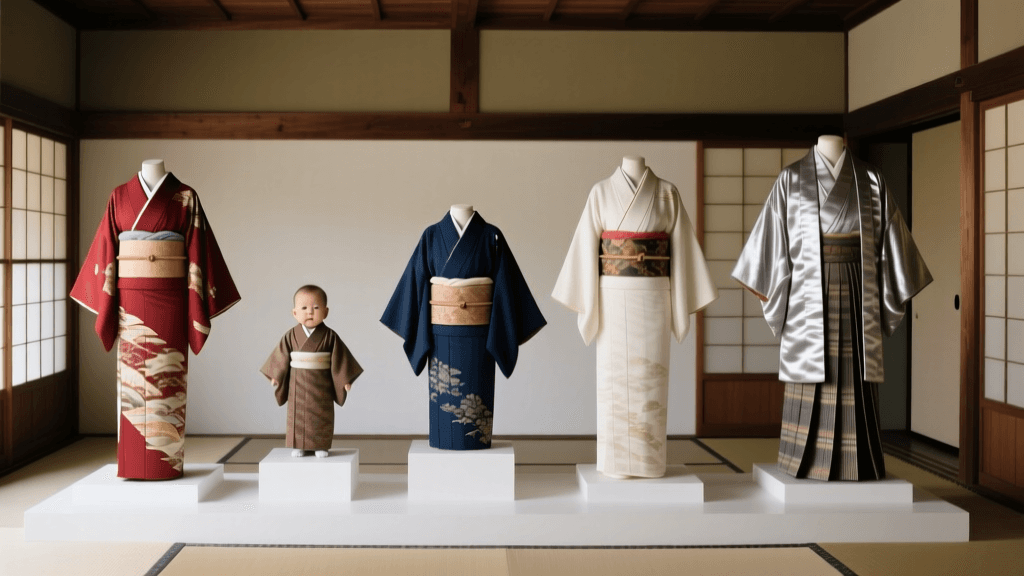
In Japan, the kimono is far more than a traditional garment; it is a deeply symbolic marker of time, transition, and personal growth. As we navigate through 2026, the intersection of ancient tradition and modern innovation has transformed how Japanese families approach milestone dressing. While the core silhouettes and symbolic motifs remain rooted in centuries of history, the 2026 kimono landscape is defined by sustainable silk initiatives, AI-assisted virtual fittings for rentals, and a renewed appreciation for vintage upcycling. Understanding which garment belongs to which life stage is essential for anyone looking to participate in or appreciate these profound cultural celebrations.
According to the Metropolitan Museum of Art's Heilbrunn Timeline of Art History, the kimono evolved from a simple undergarment into a complex outer robe that communicates the wearer's age, marital status, and the formality of the occasion. Today, this visual language continues to dictate the sartorial choices for Japan's most critical life milestones.
Shichi-Go-San: The Childhood Rites of Passage
Celebrated annually on November 15th, Shichi-Go-San (Seven-Five-Three) is a milestone festival honoring the growth and well-being of children at the ages of three, five, and seven. In 2026, parents are increasingly opting for lightweight, breathable silk blends and antimicrobial linings to keep toddlers comfortable during long shrine visits.
Age Three: Himotoki and the First Kimono
At age three, both boys and girls traditionally celebrate Himotoki (the untying of the cords). Historically, toddlers wore simple garments tied with strings, but at age three, they transition to wearing a proper kimono secured with an obi. For girls in 2026, the trend leans toward bright, pastel yuzen-dyed kimonos paired with a hifu (a padded, sleeveless vest). The hifu is incredibly popular in modern rentals because it hides the complex obi-tying process and provides a cute, comfortable layer for young children.
Age Five: Hakamagi for Boys
Five-year-old boys celebrate Hakamagi, wearing their first formal hakama (pleated trousers) over a kimono. The 2026 styling for boys often features bold, auspicious motifs like hawks, pine trees, or samurai helmets (kabuto) rendered in striking gold leaf against deep navy or black silk. A haori (jacket) bearing the family crest (kamon) completes the ensemble, instilling a sense of dignity and heritage.
Age Seven: Obitoki for Girls
At age seven, girls undergo Obitoki, where they swap the simple cords of childhood for a formal, adult-style obi. This is a major milestone, as the girl is now dressed in a miniature version of a woman's formal kimono. The ofurisode style (with long, swinging sleeves) is common here, featuring vibrant floral patterns like peonies and cherry blossoms. In 2026, many families are choosing to rent high-end vintage pieces from the Taisho era, embracing a nostalgic, romantic aesthetic that contrasts with the hyper-modern synthetic rentals of the early 2010s.
Seijin-shiki: The Coming of Age Ceremony
Held on the second Monday of January, Seijin-shiki marks the transition into adulthood at age 20 (though the legal age of adulthood in Japan was lowered to 18, the traditional celebration at 20 remains a massive cultural fixture). This is the most visually spectacular kimono event of the year.
The Furisode: A Canvas of Youth
Unmarried young women wear the furisode, characterized by its dramatic, floor-sweeping sleeves. The length of the sleeve signifies youth and availability. As highlighted by the Victoria and Albert Museum's comprehensive guide to the kimono, the furisode is the most formal attire for unmarried women, often covered in continuous, sweeping patterns that cross the seams. In 2026, the "Taisho-Roman" revival is peaking; young women are seeking out furisode with bold, geometric art-deco influences, deep burgundies, emerald greens, and retro floral motifs, often paired with plush, vintage velvet haori jackets.
Men's Montsuki and Hakama
While many young men in 2026 opt for Western business suits, those who embrace tradition wear a formal montsuki (crested kimono) with a sendaihira silk hakama. The stark contrast of a black crested kimono with white tabi socks and a silver or striped hakama projects a mature, scholarly elegance.
Kekkon-shiki: The Wedding Ceremony
A traditional Shinto wedding requires the most elaborate and expensive garments in the Japanese life cycle. The 2026 wedding market has seen a shift toward intimate ceremonies, but the bridal trousseau remains a point of immense pride and investment.
Shiromuku: The Pure White Canvas
The shiromuku is an entirely white ensemble symbolizing the bride's purity and her willingness to be "dyed" in the colors of her new family. It consists of multiple layers, including the kakeshita (under-robe), the uchikake (padded outer robe), and the wataboshi or tsunokakushi (traditional bridal hoods). In 2026, bespoke weavers in Nishijin are incorporating subtle, tonal embroidery—such as white-on-white cranes or plum blossoms—that catches the light without breaking the monochromatic rule.
Irouchikake: The Colorful Celebration
For the reception, brides often change into an irouchikake, a heavily brocaded, brightly colored outer robe. Red remains the most auspicious color, symbolizing joy and protection against evil spirits. However, 2026 trends show a surge in demand for deep jewel tones like sapphire blue and amethyst purple, heavily embroidered with gold and silver threads.
Kanreki and Beyond: Honoring the Elder Years
The 60th birthday, or Kanreki, marks the completion of the traditional 60-year zodiac cycle and the beginning of a new one. Traditionally, the celebrant wears a red chanchanko (padded vest) and a red boshi (hat) to symbolize rebirth and ward off evil. However, modern elders in 2026 often prefer more refined expressions of longevity.
For formal gatherings, older men and women gravitate toward Edo Komon (kimonos with microscopic, repeating geometric patterns) or Tsumugi (slubbed, rustic silk). These garments project quiet luxury, wisdom, and understated elegance. Muted colors like slate grey, deep indigo, and autumnal browns are preferred, paired with highly prized, antique obi that have been passed down through generations.
2026 Kimono Milestone Planning and Cost Table
Navigating the kimono market requires foresight. The 2026 rental and bespoke markets are highly digitized, with AI sizing tools reducing the need for multiple in-person fittings. Below is a comprehensive guide to the costs and lead times for major milestone garments in 2026.
| Milestone | Primary Garment | 2026 Avg. Rental (JPY) | 2026 Avg. Bespoke (JPY) | Booking Lead Time |
|---|---|---|---|---|
| Shichi-Go-San (Age 3) | Hifu / Kimono Set | ¥12,000 - ¥18,000 | ¥90,000+ | 3 - 4 Months |
| Shichi-Go-San (Age 5/7) | Hakama / Furisode | ¥15,000 - ¥25,000 | ¥150,000+ | 4 - 5 Months |
| Seijin-shiki (Age 20) | Furisode Full Set | ¥50,000 - ¥80,000 | ¥400,000+ | 6 - 8 Months |
| Wedding (Bride) | Shiromuku / Uchikake | ¥150,000 - ¥250,000 | ¥1,500,000+ | 8 - 12 Months |
| Kanreki (60th) | Edo Komon / Chanchanko | ¥20,000 - ¥35,000 | ¥250,000+ | 2 - 3 Months |
Practical Advice for 2026 Milestone Dressing
- Embrace Virtual Fittings: Most major rental houses in Tokyo and Kyoto now offer AR (Augmented Reality) mirror apps. Upload your exact measurements to see how different obi patterns and sleeve lengths will drape on your specific body type before committing to a reservation.
- Climate-Controlled Storage: If you are purchasing a bespoke silk furisode or wedding uchikake, invest in a tatou (traditional paper storage case) and store it in a climate-controlled environment. The humid Japanese summers can quickly degrade natural silk proteins if left in standard plastic bins.
- Undergarments Matter: The foundation of a beautiful kimono silhouette is the hadajuban and susoyoke. In 2026, moisture-wicking, breathable bamboo-blend undergarments are the industry standard, ensuring comfort during long, multi-hour ceremonies.
- Footwear Sizing: Traditional zori and geta are sized differently than Western shoes. Your heel should actually hang slightly off the back edge (about 1-2 cm) to prevent the hem of your kimono from dragging on the ground and to maintain proper posture.
Conclusion
The kimono remains a living, breathing testament to the Japanese life cycle. Whether it is the joyful, padded hifu of a three-year-old, the sweeping, dramatic sleeves of a twenty-year-old's furisode, or the quiet, intricate weave of an elder's Edo Komon, these garments do more than clothe the body—they honor the passage of time. As the industry continues to adapt in 2026 through sustainable practices and digital conveniences, the emotional weight and breathtaking beauty of these milestone traditions remain as powerful as ever.