Top Japanese Fashion Blogs For Traditional Garments In 2026
The Digital Renaissance of Japanese Sartorial Heritage
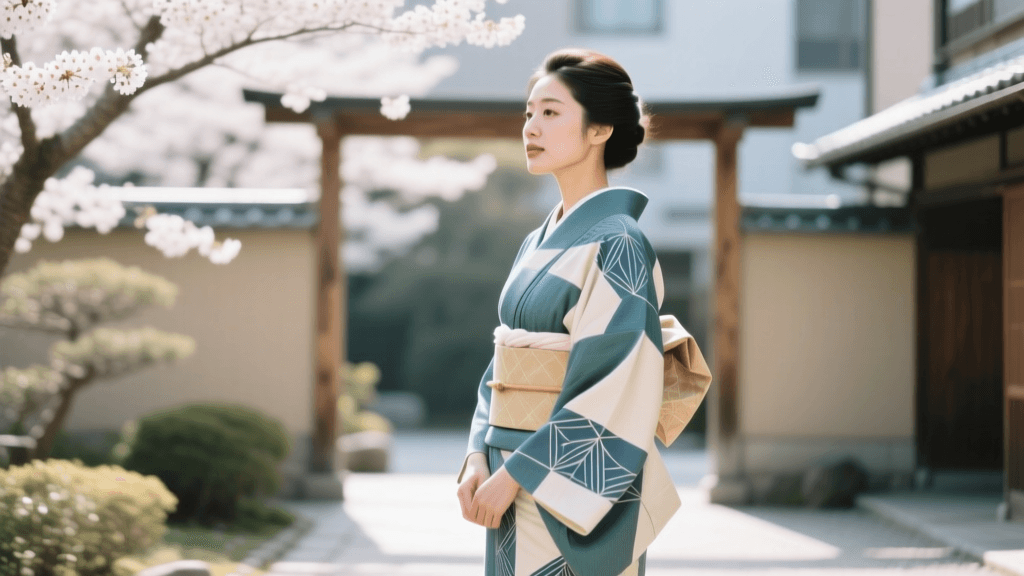
Japanese fashion journalism has undergone a profound transformation by 2026. While global runways frequently borrow from Asian aesthetics, domestic Japanese online magazines and independent digital publications are doing the vital work of contextualizing, preserving, and innovating traditional garments. From the intricate, mathem precise weaves of Nishijin-ori to the breathable ro silks used in summer yukata, digital publications are bridging the gap between centuries-old artisan techniques and contemporary streetwear. For enthusiasts of Asian traditions, following Japanese fashion blogs is no longer just about tracking seasonal silhouettes; it is about witnessing the active preservation of intangible cultural heritage through a modern lens.
In 2026, the most influential Japanese fashion platforms have shifted their editorial focus toward sustainability, circular economies, and the revitalization of rural textile towns. By highlighting secondhand kimono markets, upcycled boro textiles, and climate-adaptive weaving, these digital magazines offer a masterclass in how traditional garments can survive and thrive in the modern era. Whether you are a textile collector, a fashion student, or a cultural historian, navigating Japan's digital fashion media provides unparalleled insight into the future of traditional Asian dress.
Top Japanese Fashion Publications Championing Traditional Garments
To truly understand how traditional Japanese clothing is being reinterpreted today, one must look at the publications that document the intersection of heritage and high fashion. The following online magazines lead the charge in 2026, offering extensive coverage of artisan workshops, historical textile revivals, and avant-garde kimono styling.
Fashionsnap: The Street-Style Archivist
Known globally for its exhaustive street-style photography, Fashionsnap has evolved into a crucial archive of how everyday Tokyoites integrate traditional elements into their daily wardrobes. In 2026, their editorial team frequently features photo essays on the youth of Shimokitazawa and Daikanyama who pair vintage haori jackets with wide-leg denim, or who utilize antique obi belts as structural outerwear. Fashionsnap's dedicated 'Craft and Street' column highlights how secondhand markets are fueling a neo-traditional movement, making it an essential resource for understanding the grassroots revival of the kimono.
WWD Japan: The Business of Craft
For those interested in the economic and supply-chain realities of traditional garments, WWD Japan provides unmatched industry analysis. Their 2026 reporting heavily focuses on the technological and sustainable interventions saving historic weaving towns like Kiryu and Yuki. WWD Japan frequently publishes deep dives into how heritage brands are adopting lab-grown silk alternatives and AI-assisted pattern drafting to keep the costs of authentic Oshima Tsumugi and Kaga Yuzen dyeing accessible to younger generations. It is the premier destination for readers who want to understand the business mechanics preserving Asian textile traditions.
Vogue Japan: High-Fashion Heritage
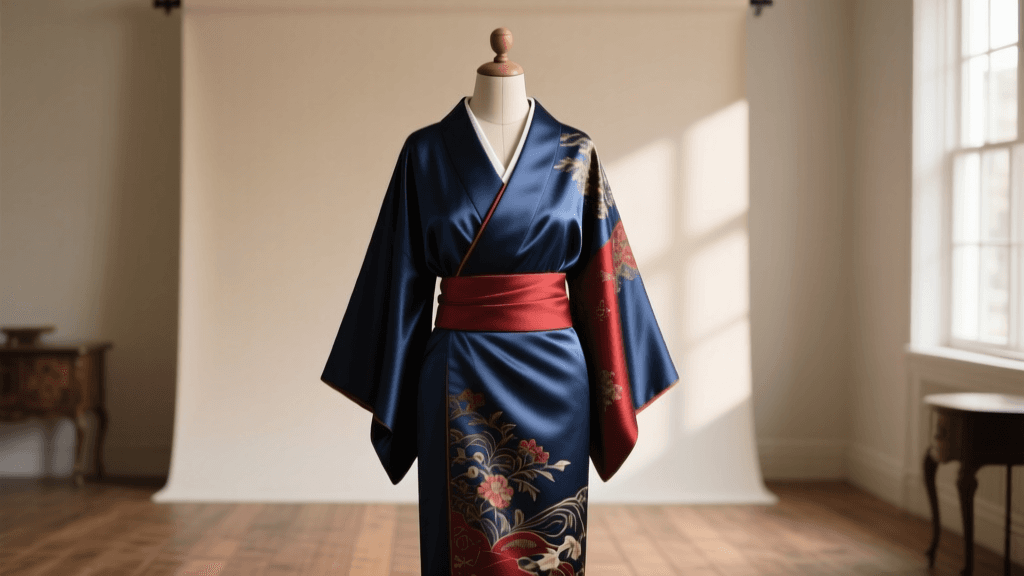
Vogue Japan continues to set the visual standard for how traditional garments are presented in high fashion. Their 2026 digital editorials frequently collaborate with master artisans, placing centuries-old shibori dyeing techniques and intricate sashiko stitching on the same pedestal as Parisian couture. Vogue Japan's online editorial 'Wagara Reimagined' explores how traditional Japanese motifs—such as the seigaiha (blue ocean waves) and asanoha (hemp leaf)—are being adapted into modern, gender-fluid silhouettes that challenge the rigid rules of historical kitsuke (kimono dressing).
Independent Blogs and the Secondhand Kimono Boom
Beyond the major publications, Japan's independent fashion bloggers and digital creators are driving the secondhand kimono market to unprecedented heights in 2026. With the rising cost of new, artisan-crafted silk, digital influencers are championing the circular fashion economy. Blogs dedicated to 'Vintage Kitsuke' provide readers with actionable guides on how to navigate Kyoto's sprawling thrift markets, how to authenticate pre-World War II meisen silk, and how to properly clean and store delicate vintage textiles.
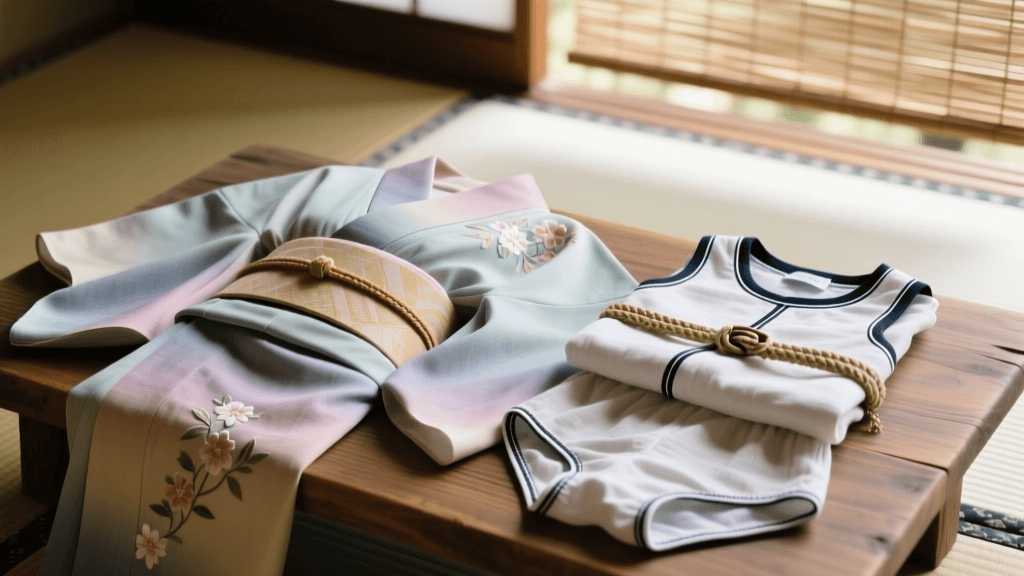
These independent writers often publish detailed cost-breakdowns, showing readers how to assemble a complete, historically resonant kimono outfit—including the juban (undergarment), obi, obijime (cord), and zori (sandals)—for a fraction of the retail price by sourcing from online auction houses and local recycle shops. This democratization of traditional wear is a recurring theme across Japanese fashion blogs, emphasizing that cultural preservation relies on everyday wearability, not just museum archiving.
2026 Trends Dominating Japanese Fashion Media
As we move through 2026, several distinct trends regarding traditional garments are dominating the Japanese blogosphere:
- Climate-Adaptive Summer Wear: With Tokyo experiencing increasingly intense summer heat, fashion journalists are heavily promoting traditional ro and sha (leno-weave silks). Blogs are also highlighting modern iterations of the yukata and jinbei, featuring moisture-wicking linings and UV-protective natural dyes derived from indigo and persimmon tannins (kakishibu).
- Genderless Kimono Styling: The strict binary rules of traditional kimono patterns and sleeve lengths are being dismantled. Online magazines are featuring male and non-binary models wearing vibrant, floral furisode sleeves and traditionally feminine obi knots, redefining the cultural boundaries of Japanese dress.
- Tech-Integrated Wagara: A fascinating trend covered by niche textile blogs is the integration of conductive threads into traditional wagara patterns, allowing the garment to interact with wearable technology without compromising the historical aesthetic of the weave.
- Upcycled Boro and Sashiko: The rustic, heavily mended textiles of the Edo period have become highly coveted. Fashion bloggers frequently review contemporary designers who use antique boro fragments to create structured, avant-garde outerwear, merging the philosophy of mottainai (avoiding waste) with high-end streetwear.
Platform Comparison: Where to Find Traditional Craft Coverage
To help you navigate the Japanese digital fashion landscape, the following table compares the top platforms based on their coverage of traditional garments and artisan crafts in 2026.
| Platform | Primary Focus | Traditional Craft Coverage | Best For |
|---|---|---|---|
| Fashionsnap | Street Style & Youth Culture | Moderate (Focus on styling) | Visual inspiration, everyday styling |
| WWD Japan | Industry News & Business | High (Supply chain & artisans) | Market trends, artisan economics |
| Vogue Japan | High Fashion & Editorials | High (Haute couture integration) | Avant-garde design, luxury textiles |
| Independent Blogs | Secondhand & DIY Kitsuke | Very High (Practical application) | Sourcing vintage, dressing guides |
Essential Vocabulary for Navigating Japanese Fashion Media
For international readers utilizing browser translation tools to read Japanese fashion blogs, understanding specific sartorial terminology is crucial. While AI translation has improved vastly by 2026, nuanced textile terms often require manual verification. Keep these keywords in mind when searching Japanese online magazines:
- Wagara (和柄): Traditional Japanese patterns and motifs. Searching this term will yield countless articles on the symbolism and modern application of historical designs.
- Kitsuke (着付け): The art of dressing in a kimono. Blogs focusing on kitsuke will provide step-by-step tutorials, obi-tying diagrams, and etiquette guides.
- Sashiko (刺し子): A form of decorative reinforcement stitching. Frequently featured in sustainability-focused fashion journalism.
- Oshima Tsumugi (大島紬): A highly prized, mud-dyed silk fabric from Amami Oshima. Articles covering this will delve into complex weaving mathematics and regional heritage.
- Mottainai (もったいない): A sense of regret concerning waste. This philosophical concept is the driving force behind the 2026 upcycling and secondhand kimono trends documented by digital creators.
'The survival of the kimono in the 21st century does not depend on freezing it in the past, but on allowing it to breathe, adapt, and be worn with the same rebellious spirit as a leather jacket.' — Editorial Excerpt, WWD Japan, 2026.
The Future of Fashion Journalism and Artisan Preservation
The landscape of Japanese fashion journalism in 2026 proves that digital media is a powerful tool for cultural preservation. By treating traditional garments not as fragile museum artifacts, but as living, breathing components of a modern wardrobe, online magazines and independent blogs are ensuring the survival of Asian textile traditions. Whether they are documenting the meticulous process of natural indigo fermentation in Tokushima or reviewing the latest secondhand silk markets in Kyoto, these publications provide an indispensable bridge between the master artisans of the past and the conscious consumers of the future. For anyone passionate about Asian traditions, integrating these Japanese fashion blogs into your daily reading list is the ultimate way to stay connected to the pulse of sartorial heritage.