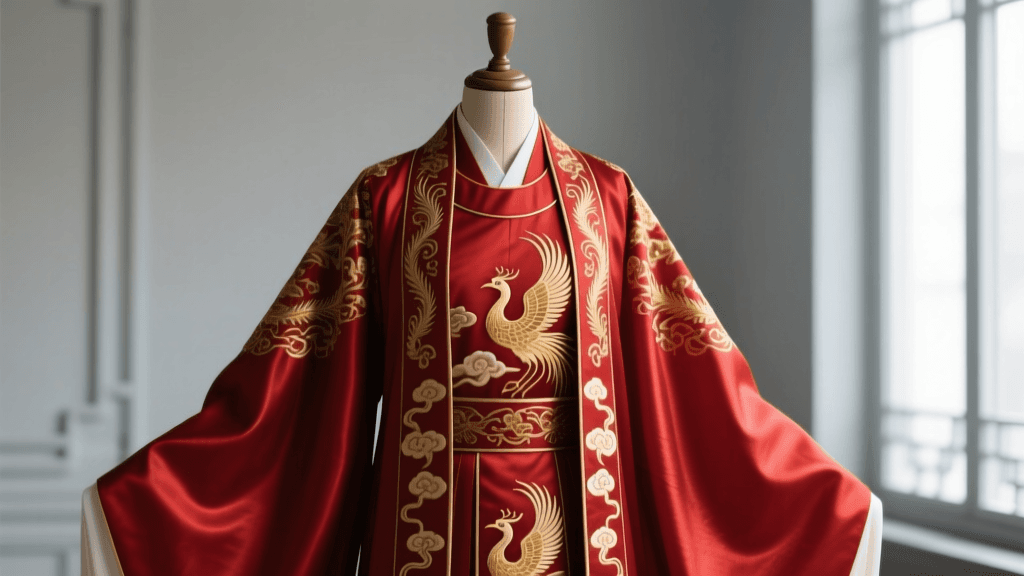
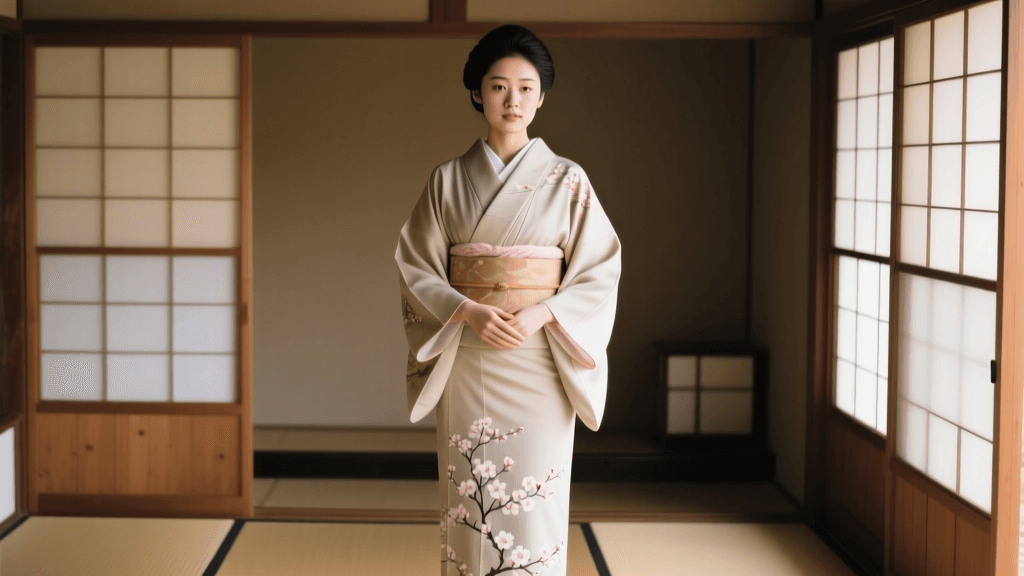
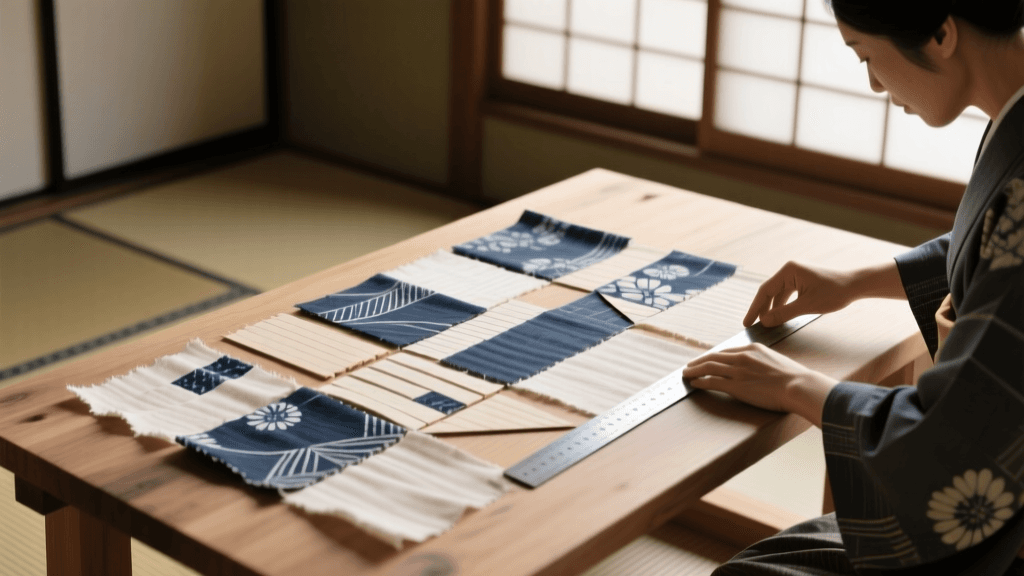
Xin Zhongshi Couture at Paris Fashion Week 2026 Review
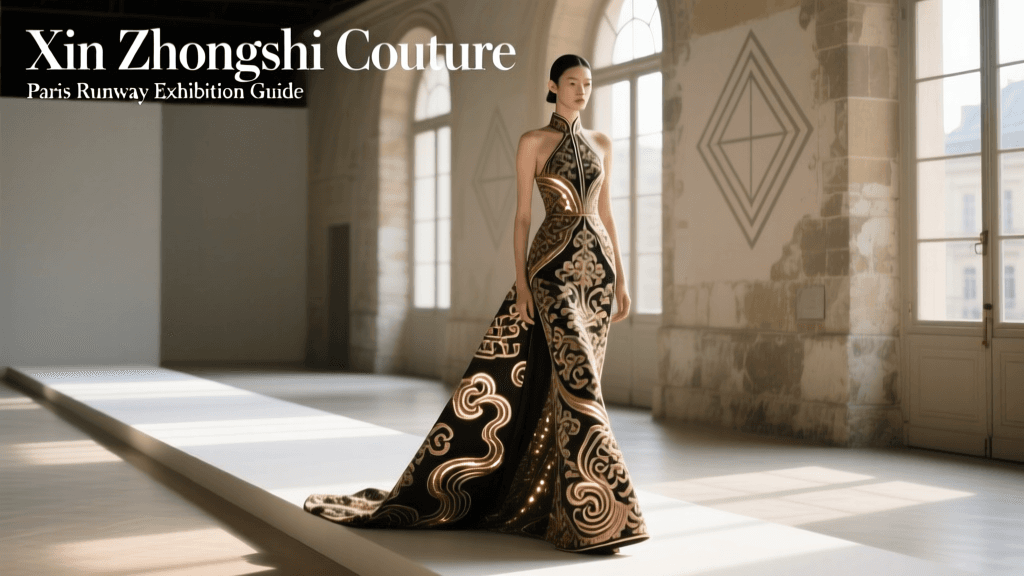
The Global Ascension of Xin Zhongshi in 2026
The global fashion landscape in 2026 has undeniably shifted its gaze eastward, with the Xin Zhongshi (New Chinese Style) movement transitioning from a localized cultural renaissance to a dominant force on international runways. During the Spring/Summer 2026 Paris Fashion Week and subsequent global design exhibitions, traditional Chinese garments were not merely referenced; they were meticulously deconstructed and rebuilt for the modern luxury consumer. This evolution marks a significant departure from the superficial orientalism of past decades, replacing it with a profound respect for ancient weaving techniques, structural drape analysis, and historical accuracy.
Designers are now looking inward to China's rich textile heritage, utilizing techniques like Xiangyunsha (gambiered Canton gauze) and Song brocade to create pieces that resonate on the world stage. According to ongoing industry analysis by the Business of Fashion, the integration of traditional Asian motifs into Western tailoring silhouettes has become one of the most lucrative and critically acclaimed trends of the 2026 exhibition circuit. This article provides an in-depth review of these runway presentations, a guide to navigating international showrooms, and actionable advice for collectors and enthusiasts looking to acquire these exhibition-level garments.
Key Runway Trends and Fabric Innovations
The 2026 runway season was defined by a rigorous academic approach to traditional Asian textiles. Designers collaborated directly with heritage artisans in Suzhou and Hangzhou to produce fabrics that meet the rigorous demands of modern haute couture while preserving centuries-old techniques. The Mamianqun (horse-face skirt), a staple of the Ming Dynasty, was reimagined with asymmetrical hemlines and lightweight tech-silk blends, allowing for dynamic movement on the Parisian catwalks.
Below is a comparative analysis of how traditional elements were adapted for the 2026 international design weeks:
| Traditional Element | 2026 Runway Adaptation | Key Designer / Brand | Estimated Retail Price (EUR) |
|---|---|---|---|
| Mamianqun (Horse-face Skirt) | Asymmetrical wrap skirts with heat-pressed pleats | Shiatzy Chen | €2,800 - €3,500 |
| Xiangyunsha (Gambiered Gauze) | Matte-finished trench coats with vegan leather lapels | M Essential | €4,200 - €5,100 |
| Song Brocade | Structural corsetry and rigid evening clutches | Guo Pei | €6,500+ |
| Pankou (Frog Knots) | Oversized metallic hardware closures on wool blazers | Uma Wang | €1,900 - €2,400 |
The Revival of Xiangyunsha on the Global Stage
Xiangyunsha, often referred to as 'soft gold' in the textile world, was the undisputed star of the 2026 Paris exhibitions. This complex dyeing process, which involves treating silk with the juice of the薯莨 (Dioscorea cirrhosa) yam and coating it with iron-rich river mud, creates a fabric that is naturally antibacterial, water-resistant, and uniquely textured. On the 2026 runways, designers showcased Xiangyunsha in deep, earthy tones of charcoal and obsidian, pairing the traditional fabric with ultra-modern, minimalist silhouettes. The result was a striking juxtaposition of ancient craft and futuristic design, captivating international buyers and museum curators alike.
Museum Crossovers and Exhibition Highlights
The influence of the Xin Zhongshi movement has extended far beyond the temporary tents of fashion week, firmly embedding itself into the permanent and temporary exhibition spaces of the world's most prestigious cultural institutions. In 2026, the boundary between fashion and historical artifact has blurred, with runway pieces being acquired by museums almost immediately after their debut.
Institutions such as the Victoria and Albert Museum in London have dedicated significant gallery space to exploring the dialogue between historical Chinese textiles and contemporary design. Their 2026 exhibition highlights the intricate drape analysis of Hanfu-inspired sleeves, demonstrating how modern pattern-making software is being used to replicate the exact volumetric flow of Tang Dynasty garments without the excessive fabric waste of the past.
Similarly, the Metropolitan Museum of Art's Asian Art department in New York has integrated contemporary Xin Zhongshi pieces into their historical galleries. By placing a 2026 Guo Pei Song brocade gown adjacent to a 12th-century textile fragment, curators are providing the public with a visceral understanding of how ancient weaving techniques are being kept alive through modern luxury fashion. For enthusiasts, visiting these exhibitions offers a masterclass in textile identification, stitch density, and the structural integrity of heritage fabrics.
A Collector’s Guide to Paris Showrooms
For serious collectors, boutique owners, and fashion archivists, attending the public runway shows is only the first step. The true acquisition of rare Xin Zhongshi pieces happens in the exclusive showrooms scattered across Paris during fashion week. Navigating these spaces requires preparation, industry knowledge, and an understanding of the specific care requirements for these hybrid garments.
Securing Showroom Appointments
Most high-end Chinese designers showcasing in Paris utilize premier showroom agencies located in the Le Marais and Saint-Germain-des-Prés districts. To secure an appointment for the Spring/Summer 2026 season, buyers must register via the Fédération de la Haute Couture et de la Mode portal at least three months in advance. Independent collectors should consider hiring a specialized buying agent who possesses the necessary credentials to access these private viewings.
Authentication and Quality Control
When evaluating a Xin Zhongshi garment in a showroom, it is crucial to verify the authenticity of the traditional textiles used. Here is a practical checklist for assessing quality:
- Xiangyunsha Verification: Genuine gambiered gauze will have a distinct, slightly crisp hand-feel and a subtle, earthy scent. Hold it to the light; the mud-coated side should exhibit a rich, dark luster, while the reverse side remains a lighter, matte brown.
- Song Brocade Density: Authentic Song brocade features a complex weft-patterned structure. Examine the reverse side of the fabric; the threads should be tightly bound with minimal floating yarns, indicating a high-density jacquard weave rather than a cheap printed imitation.
- Pankou Knot Integrity: Handcrafted Pankou knots should be tightly wound with silk thread over a sturdy internal core (traditionally cotton or copper wire). They should not yield easily when squeezed and must align perfectly with their corresponding loops.
Storage and Maintenance for Exhibition-Level Pieces
Acquiring a €4,000 Xiangyunsha coat or a meticulously embroidered Mamianqun is a significant investment, and proper storage maintenance is critical to preserving the structural integrity of these protein-based fibers. The integration of traditional silk with modern hardware and synthetic linings in 2026 designs requires a nuanced approach to garment care.
'The greatest enemy of heritage silk is not time, but fluctuating humidity and improper support. A structured Mamianqun must be stored flat or on a heavily padded, wide hanger to prevent the permanent crushing of its intricate pleats.'
Collectors should maintain a climate-controlled environment with a relative humidity of 45% to 55% and a stable temperature of around 18°C (64°F). Avoid wire hangers at all costs; instead, use custom-carved cedar hangers wrapped in unbleached, acid-free cotton muslin. For heavily embroidered pieces, interleave the folds with acid-free tissue paper to prevent the metallic threads from snagging or oxidizing against the silk base. Never use plastic garment bags, as they trap moisture and emit off-gassing chemicals that can yellow delicate Xiangyunsha finishes over time.
Styling Xin Zhongshi for the Modern Wardrobe
The true triumph of the 2026 Xin Zhongshi movement is its wearability. These are not costumes meant for theatrical display; they are functional, luxurious garments designed for the contemporary global citizen. Styling these exhibition-level pieces requires a balanced approach, allowing the traditional craftsmanship to serve as the focal point of the outfit.
Pair a structured Song brocade corset top with high-waisted, wide-leg wool trousers and minimalist leather loafers for a commanding boardroom presence. For evening events, a Xiangyunsha wrap dress can be elevated with understated jade or nephrite jewelry, avoiding overly ornate metalwork that might compete with the fabric's natural luster. The key to mastering the Xin Zhongshi aesthetic in 2026 is restraint—let the centuries of woven history embedded in the fabric speak for itself.
Conclusion
The presence of Chinese fashion in international design weeks and exhibitions in 2026 represents a maturation of the global luxury market. The Xin Zhongshi movement has successfully bridged the gap between ancient textile heritage and modern sartorial demands, offering collectors and enthusiasts garments that are as historically significant as they are aesthetically breathtaking. By understanding the nuances of these fabrics, navigating the exclusive showroom landscape, and committing to proper garment maintenance, you can become an active participant in this historic fashion renaissance.