Buying Custom-Fit Everyday Hanbok Online: 2026 Marketplace Guide
The 2026 Landscape of Everyday Hanbok (Saenghwal Hanbok)
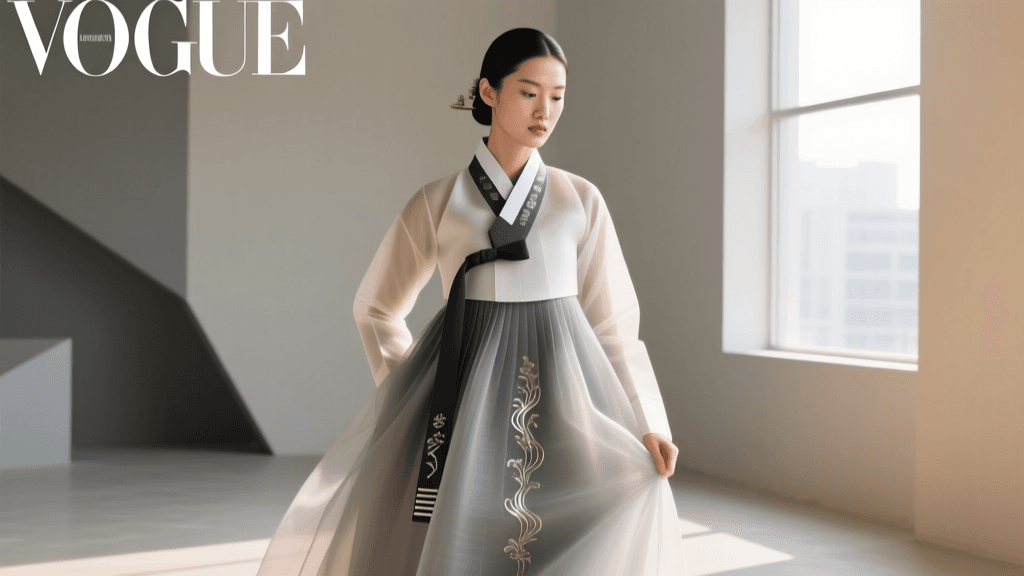
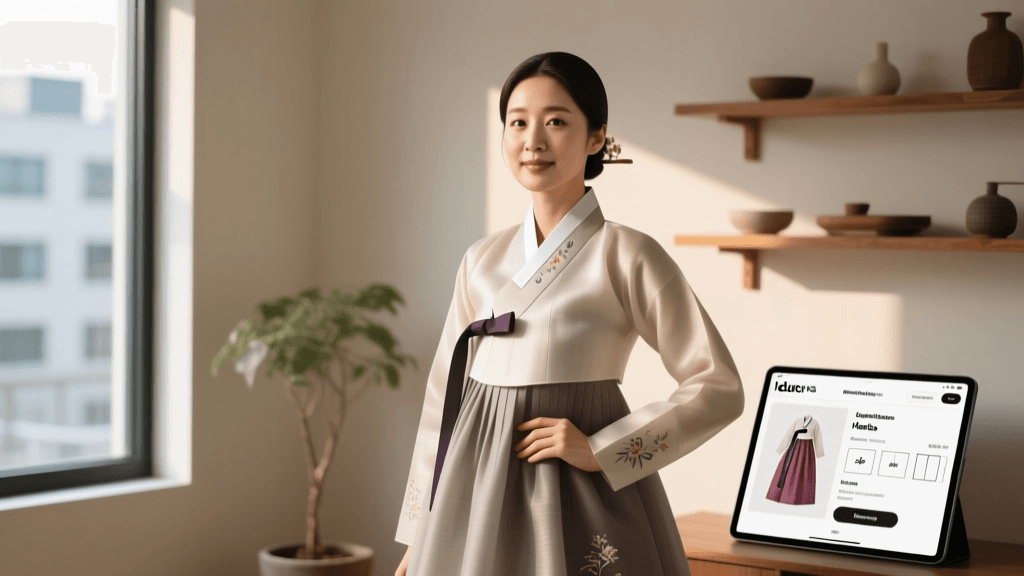
The global appreciation for traditional Asian garments has reached a sophisticated peak in 2026, with the Korean Hanbok leading a remarkable renaissance. No longer reserved exclusively for lunar new year celebrations or autumn harvest festivals, the Saenghwal Hanbok (everyday hanbok) has firmly established itself in the global sustainable fashion wardrobe. Modern adaptations maintain the elegant, flowing silhouettes of the traditional chima (skirt) and jeogori (jacket) while introducing practical adjustments for contemporary life, such as hidden pockets, machine-washable blends, and streamlined goreum (ties).
However, as international demand surges, the market has been flooded with mass-produced, synthetic costumes that misrepresent the garment's rich heritage. For enthusiasts, collectors, and cultural practitioners, sourcing authentic, high-quality Hanbok directly from South Korean artisans is paramount. According to the Encyclopedia of Korean Culture, the structural integrity and philosophical symbolism of the Hanbok's curved lines and vibrant colors require precise tailoring that fast-fashion manufacturers simply cannot replicate.
This comprehensive 2026 guide will walk you through navigating domestic Korean online marketplaces, utilizing modern AI-assisted sizing tools, and selecting sustainable textiles to ensure your custom-fit Hanbok is both culturally authentic and perfectly tailored to your body.
Why Choose Korean Domestic Marketplaces?
While international e-commerce sites offer convenience, they often act as middlemen, marking up prices by 40% to 60% and limiting buyers to standardized, Western-centric sizing charts. By shopping directly on Korean domestic platforms in 2026, buyers gain access to the Daehan Minguk (Republic of Korea) domestic craft market. This direct-to-artisan approach not only supports independent designers but also allows for bespoke measurements, ensuring the jeogori sits correctly on the shoulders and the chima rests precisely at the natural waist.
Furthermore, domestic platforms have heavily integrated cross-border logistics and AI translation features over the last two years, making the barrier to entry for non-Korean speakers virtually non-existent.
Top Platforms for Authentic Hanbok in 2026
1. Idus (아이디어스)
Often described as the 'Etsy of South Korea,' Idus is the premier destination for handmade, artisan-crafted goods. In 2026, Idus remains the gold standard for buyers seeking bespoke, traditional weaving techniques and natural dyeing processes (such as gal-ot persimmon dyeing). Artisans on Idus frequently offer direct messaging for custom measurement submissions and fabric swatch requests.
2. Gmarket Global
For buyers looking for established mid-tier Saenghwal Hanbok brands like Leesle or Danha, Gmarket Global provides a more traditional retail experience. While custom tailoring is less common here, the platform excels in ready-to-wear everyday Hanbok with reliable international shipping partnerships and consolidated box deliveries, saving significantly on freight costs.
3. Naver Smart Store (via Proxy Services)
Advanced buyers in 2026 often use proxy services like Delighteer or Malltail to access Naver Smart Stores. This route unlocks the widest variety of independent ateliers in Seoul's Bukchon Hanok Village and Jeonju Hanbok District. While it requires an extra step, the access to hyper-local, limited-edition textile runs is unmatched.
Platform Comparison Chart
| Platform | Best For | Price Range (USD) | Custom Sizing | Est. Int'l Shipping |
|---|---|---|---|---|
| Idus | Indie artisans, bespoke, natural dyes | $90 - $450 | Yes (Manual & AI App) | 7-14 days (EMS) |
| Gmarket Global | Established brands, ready-to-wear | $60 - $250 | No (Standard sizing) | 5-10 days (Consolidated) |
| Naver (via Proxy) | Atelier exclusives, luxury silks | $150 - $800+ | Yes (Direct Atelier) | 10-18 days (Proxy + EMS) |
Navigating Custom Measurements and AI Sizing
The most critical aspect of purchasing a Hanbok online is the measurement process. Unlike Western garments that rely on bust, waist, and hip measurements, the Hanbok's architecture relies on different anchor points. In 2026, platforms like Idus have integrated smartphone LiDAR and AI-camera scanning to automatically generate these specific metrics, but knowing how to measure yourself manually with a soft tape measure remains an essential backup skill.
Essential Measurements for the Jeogori (Jacket)
- Chest (Gaseum): Measure around the fullest part of your chest, keeping the tape snug but not tight. The Hanbok jacket is designed to drape, so add 2-3 inches for ease.
- Arm Length (Ppalgil-i): Measure from the base of the neck (at the spine), over the shoulder, and down to the wrist bone. This is crucial as the jeogori sleeve curve (baerae) is cut based on this continuous line.
- Back Width (Deung-naebi): Measure across the back from the edge of one shoulder to the other. This ensures the jacket does not pull across the shoulder blades.
Essential Measurements for the Chima (Skirt)
- High Waist (Heori): The chima sits much higher than a modern skirt, resting just below the bust line (the empire waist). Measure this circumference accurately.
- Total Length (Gi): Measure from the high waist down to your ankle bone. Traditional everyday lengths in 2026 often hover around the mid-calf for practicality, but full-length remains standard for formal Saenghwal wear.
'The beauty of the Hanbok lies in the negative space between the fabric and the body. A properly measured jeogori should never constrict the shoulders; it should float over them, allowing the natural curve of the baerae sleeve to take shape in motion.' — Master Tailor Kim, Bukchon Atelier Guild, 2026.
Fabric Choices for 2026: Sustainable and Climate-Adaptive
The textile landscape for traditional garments has evolved dramatically. While pure silk (gapsa or myeongju) remains the pinnacle of formal Hanbok, the 2026 everyday market is dominated by innovative, climate-adaptive, and sustainable materials. The Korea Craft & Design Foundation has heavily promoted the integration of eco-friendly textiles that honor traditional aesthetics while reducing environmental impact.
Top Fabric Recommendations
- Recycled PET Silk Blends: Offering the lustrous sheen and crisp drape of traditional silk, these blends are created from upcycled ocean plastics. They are machine-washable and highly resistant to wrinkling, making them ideal for daily wear and travel.
- Organic Ramie (Mosi): A historic summer fabric, modern organic ramie is woven with softer finishing techniques to eliminate the traditional 'scratchiness.' It provides unparalleled breathability and a beautiful, structured silhouette that holds the bell-shape of the chima without the need for heavy petticoats.
- Hemp-Cotton Interlocks: For autumn and winter Saenghwal Hanbok, hemp-cotton blends offer thermal regulation and a subtle, earthy texture that pairs beautifully with modern outerwear like wool overcoats.
Red Flags: Identifying Fast-Fashion Imitations
When browsing online marketplaces, be vigilant against mass-produced costumes masquerading as authentic Hanbok. Protect your investment by watching out for these common red flags:
- The Zipper Chima: Authentic chima skirts are wrapped and tied using long, sturdy fabric bands. If the skirt features an elastic waistband or a side zipper, it is a costume, not a traditional garment.
- Printed Goreum: The goreum (front ties) should be long, wide, and structurally integrated into the jacket's collar. Imitations often feature short, thin ribbons that are merely sewn onto the lapel as an afterthought.
- Missing Dongjeong: The dongjeong is the crisp, white, removable collar lining that frames the face and provides contrast. High-quality everyday Hanbok will include a removable or easily washable dongjeong, whereas cheap versions simply print a white line on colored fabric.
Shipping, Customs, and Care Instructions
Ordering directly from South Korea in 2026 is smoother than ever, but logistics still require attention. Most artisans on Idus and Gmarket utilize Korea Post EMS (Express Mail Service). As of 2026, EMS shipping to North America and Europe typically costs between $25 and $45 USD, depending on the weight of the textile.
Customs and Duties: Be aware of your local import thresholds. In the US, apparel imports under $800 generally clear customs without duty (de minimis threshold). In the EU and UK, VAT is usually collected at the point of sale by major platforms like Gmarket, but Idus artisans may ship DDU (Delivered Duty Unpaid), meaning you may need to pay local VAT upon arrival.
Garment Care: While 2026's bio-synthetic blends are often machine-washable on delicate cycles, traditional natural dyes (like indigo or persimmon) require strict hand-washing in cold water with pH-neutral detergents. Never wring a Hanbok; instead, roll it in a clean towel to absorb moisture and lay it flat in the shade to dry. Ironing should always be done on the reverse side using a low-heat steam setting to preserve the integrity of the goreum ties and collar structures.
Conclusion
Investing in an authentic, custom-fit Saenghwal Hanbok is an investment in living history. By bypassing superficial fast-fashion retailers and engaging directly with Korean domestic marketplaces like Idus, you not only secure a garment of superior craftsmanship but also support the artisans keeping these ancient textile traditions vibrant in the modern era. Armed with accurate measurements, an understanding of sustainable 2026 fabrics, and a keen eye for structural authenticity, your online Hanbok shopping experience will yield a timeless addition to your global wardrobe.