Everyday Yukata vs Ceremonial Furisode: 2026 Guide
The Dichotomy of Japanese Traditional Garments in 2026
When exploring the rich tapestry of Asian traditional garments, few cultures offer as stark and fascinating a contrast between everyday wear and ceremonial attire as Japan. In 2026, the global appreciation for Japanese textiles has reached new heights, driven by a resurgence in sustainable fashion and a deep respect for artisanal craftsmanship. However, for enthusiasts, collectors, and travelers looking to purchase or wear these garments, understanding the structural, material, and cultural differences between daily and formal wear is essential. The two most prominent archetypes of this spectrum are the yukata (everyday summer kimono) and the furisode (the most formal ceremonial kimono for unmarried women). According to the Metropolitan Museum of Art, the evolution of the kimono from a simple T-shaped robe to a highly codified system of dress reflects centuries of social stratification and aesthetic refinement. Today, we break down exactly how these two garments compare in the modern era.
The Everyday Essential: Understanding the Yukata
The yukata literally translates to "bathing cloth." Historically worn by nobility as a bathrobe and later adopted by commoners during the Edo period as casual summer wear, the yukata has cemented its place in 2026 as the ultimate accessible entry point into Japanese traditional dress. It is the garment of choice for summer matsuri (festivals), fireworks displays, and casual lounging at ryokan (traditional inns).
Fabrics and Modern Innovations
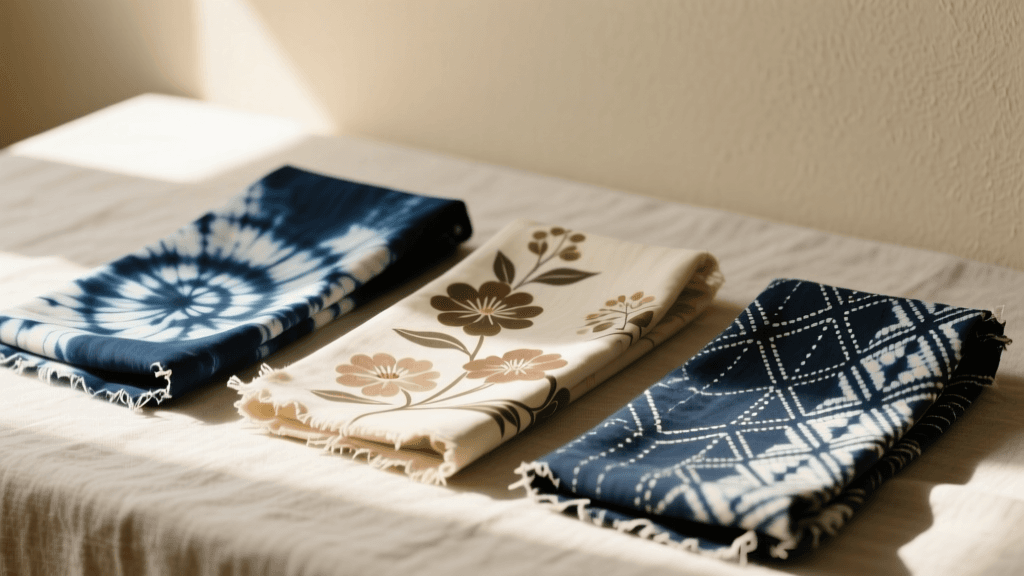
Unlike its formal counterparts, the yukata is unlined and made primarily from breathable, lightweight materials. Traditional cotton (momen) remains the gold standard, prized for its ability to absorb moisture and dry quickly. However, the 2026 market has seen a massive influx of sustainable hemp blends and advanced cooling-tech polyesters that mimic the texture of slub cotton while offering superior wrinkle resistance. These modern fabrics are particularly popular among younger demographics in Tokyo and Kyoto who want the aesthetic of the yukata without the high-maintenance care of traditional textiles.
Construction and Styling
The construction of a yukata is relatively simple. It features a narrow, unlined collar (han-eri) and is worn directly over basic undergarments like a hadajuban (half-slip) and koshimaki (waist wrap). The sleeves are relatively short, typically measuring around 50 centimeters in drop length. For footwear, the yukata is exclusively paired with geta (wooden clogs) and bare feet—wearing tabi (split-toe socks) with a standard yukata is considered a fashion faux pas in traditional circles.
The Ceremonial Masterpiece: Decoding the Furisode
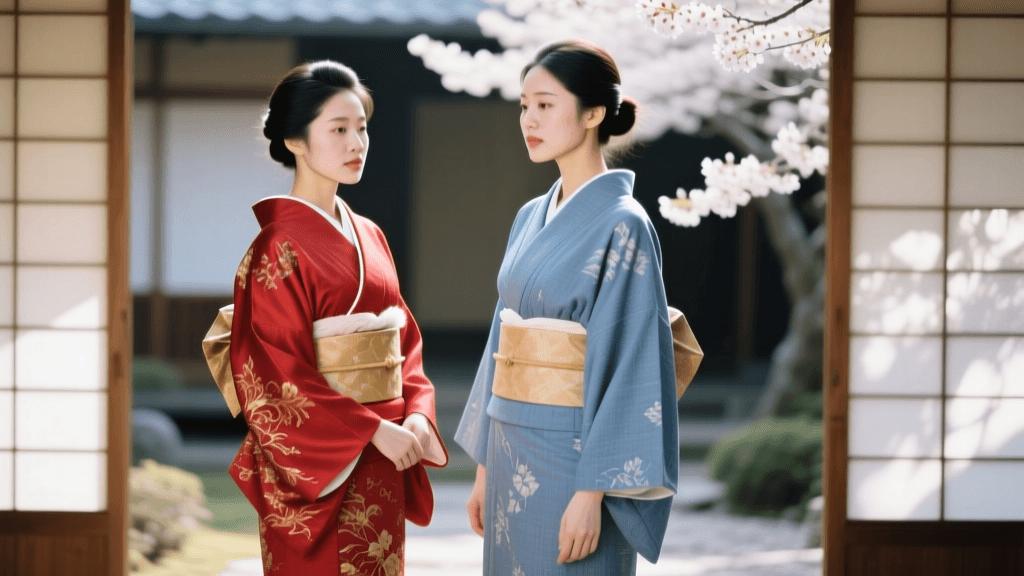
If the yukata is the casual t-shirt and jeans of the kimono world, the furisode is the haute couture evening gown. The word furisode translates to "swinging sleeves," which is the garment's most defining feature. Worn primarily by unmarried women for momentous occasions such as Seijin no Hi (Coming of Age Day), university graduations, and attending weddings as a guest, the furisode is a masterpiece of textile art.
Luxurious Silks and Artisanal Dyeing
A true furisode is crafted from premium, lined silk. The most coveted fabrics include rinzu (silk damask) and chirimen (silk crepe), which provide a luxurious drape and a subtle, textured sheen. The UNESCO Intangible Cultural Heritage list recognizes several Japanese silk weaving and dyeing techniques, such as Yuzen and Yuki-tsumugi, which are frequently utilized in high-end furisode production. In 2026, vintage furisode from the Taisho and early Showa eras are highly sought after, with Gen Z buyers actively upcycling these historical pieces to promote circular fashion.
The Architecture of Formal Layering
Dressing in a furisode is an architectural endeavor. It requires a nagajuban (full-length under-robe) to protect the silk from body oils, multiple datejime (stiff sashes) and koshihimo (cotton ties) to sculpt the body into the traditional cylindrical silhouette, and a heavily padded obi-jime and obi-age to support the massive obi knot. The sleeves of a furisode range from 100 to 114 centimeters in length, symbolizing youth and warding off evil spirits by swinging. Due to the complexity of the kitsuke (dressing process), wearers almost always hire a professional dresser or visit a specialized salon.
Head-to-Head Comparison: Yukata vs. Furisode
To help you navigate your purchasing or styling decisions in 2026, we have compiled a comprehensive comparison chart detailing the technical and practical differences between these two iconic garments.
| Feature | Yukata (Everyday / Summer) | Furisode (Ceremonial / Formal) |
|---|---|---|
| Primary Fabric | Cotton, Hemp, Tech-Polyester | Lined Silk (Rinzu, Chirimen, Sha) |
| Sleeve Length | Short (approx. 50 cm drop) | Long (100 cm to 114 cm drop) |
| Collar Type | Narrow, unlined collar (Bachi-eri) | Wide, layered with white han-eri |
| Undergarments | Hadajuban, Koshimaki, or modern camisole | Nagajuban, Datejime, Himo ties, Padding |
| Obi (Sash) | Hanhaba-obi (half-width), soft and easy to tie | Fukuro-obi or Maru-obi (wide, brocaded, heavy) |
| Footwear | Geta (wooden clogs), bare feet | Zori (formal sandals) with white Tabi socks |
| 2026 Avg. Cost (Purchase) | $50 - $250 USD (Ready-to-wear) | $3,500 - $15,000+ USD (New / Vintage) |
| Dressing Assistance | Self-dressing is common and encouraged | Professional Kitsuke (dresser) almost always required |
Sourcing, Shopping, and Rentals in 2026
The landscape of acquiring traditional Japanese garments has evolved significantly. For the yukata, the barrier to entry is incredibly low. Major retailers in Japan, as well as global online marketplaces, offer high-quality, ready-to-wear yukata sets (often including the obi and geta) for under $150 USD. In 2026, AI-driven sizing apps allow international buyers to input their exact measurements, ensuring the correct torso length (mitake) and sleeve span, eliminating the guesswork that previously plagued online kimono shopping.
Conversely, acquiring a furisode is a major investment. While brand-new, custom-dyed furisode from prestigious houses in Kyoto can easily exceed $15,000 USD, the 2026 market is dominated by the vintage and rental sectors. According to insights from the Victoria and Albert Museum, the preservation and recycling of historical garments have become a vital part of modern Japanese fashion culture. High-end vintage furisode can be purchased for $1,500 to $4,000 USD. For travelers or those attending a single event, rental services in hubs like Asakusa (Tokyo) and Higashiyama (Kyoto) offer full packages—including professional dressing, hair styling, and photography—for approximately $200 to $400 USD per day.
Care and Maintenance for Modern Owners
The care requirements for these two garments are as different as their construction. The everyday yukata is designed for ease. Most modern cotton and tech-fabric yukata can be hand-washed or machine-washed on a gentle cycle using a mesh laundry bag and mild detergent. They should be hung to dry in the shade to prevent the vibrant summer dyes from fading under UV exposure.
The furisode, however, demands meticulous preservation. Silk furisode should never be washed with water, as it will ruin the fabric's tension and the intricate Yuzen dyes. Instead, they require professional dry cleaning by specialists who understand kimono construction. Every few years, a furisode may undergo arai-hari, a traditional process where the garment is completely unpicked into its original flat fabric panels, washed, stretched, and re-sewn. In 2026, finding artisans capable of performing arai-hari is becoming rarer, making proper storage—using specialized paulownia wood boxes (tansu) and natural moth repellents—absolutely critical for maintaining the garment's value and integrity.
Conclusion
Whether you are drawn to the breezy, accessible charm of the cotton yukata or the breathtaking, heavy silk elegance of the ceremonial furisode, both garments offer a profound connection to Asian traditions. Understanding the distinct purposes, fabrics, and styling rules of each ensures that you not only wear these garments correctly but also honor the centuries of textile mastery they represent. As the global appreciation for traditional Asian fashion continues to grow in 2026, knowing the difference between everyday comfort and ceremonial grandeur is the key to building a respectful and authentic wardrobe.