Sourcing Kunqu and Peking Opera Costumes: 2026 Guide
The Intersection of Hanfu and Theatrical Xifu in 2026
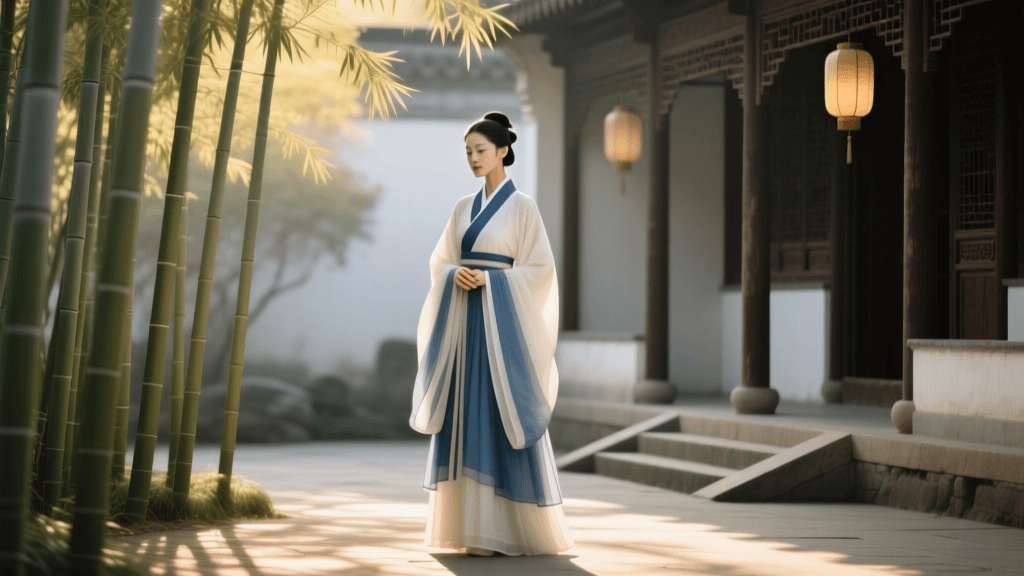
The global resurgence of traditional Chinese performing arts has reached new heights in 2026, driven by a renewed interest in historical accuracy and the breathtaking artistry of the stage. For performers, cultural historians, and dedicated enthusiasts, understanding the nuanced relationship between everyday historical Hanfu and theatrical Xifu (戏服) is essential. While the modern Hanfu movement focuses on reviving the daily and ceremonial dress of ancient dynasties, traditional theater forms like Kunqu and Peking Opera rely on a highly stylized, exaggerated wardrobe designed to convey character, emotion, and status from the back row of a grand theater.
According to the UNESCO Intangible Cultural Heritage registry, Kunqu Opera is one of the oldest and most refined forms of Chinese opera, requiring a wardrobe that emphasizes elegance, fluidity, and Ming-era aesthetics. In contrast, Peking Opera (Jingju) demands bold colors, structural armor, and dramatic silhouettes. As we navigate the 2026 market, sourcing these garments requires knowledge of specialized ateliers, sustainable silk innovations, and traditional embroidery techniques.
Hanfu vs. Xifu: Understanding the Theatrical Divide
Before commissioning or purchasing garments, it is critical to distinguish between historical Hanfu and stage Xifu. Authentic Hanfu adheres to strict historical textile patterns, flat-cutting techniques, and dynastic color regulations. Theatrical Xifu, however, evolved to serve the narrative needs of the stage.
Key Differences in Construction
- Silhouette and Padding: While Hanfu drapes naturally over the body, Xifu often incorporates internal padding, stiffened collars, and structural under-layers to create an imposing, larger-than-life stage presence.
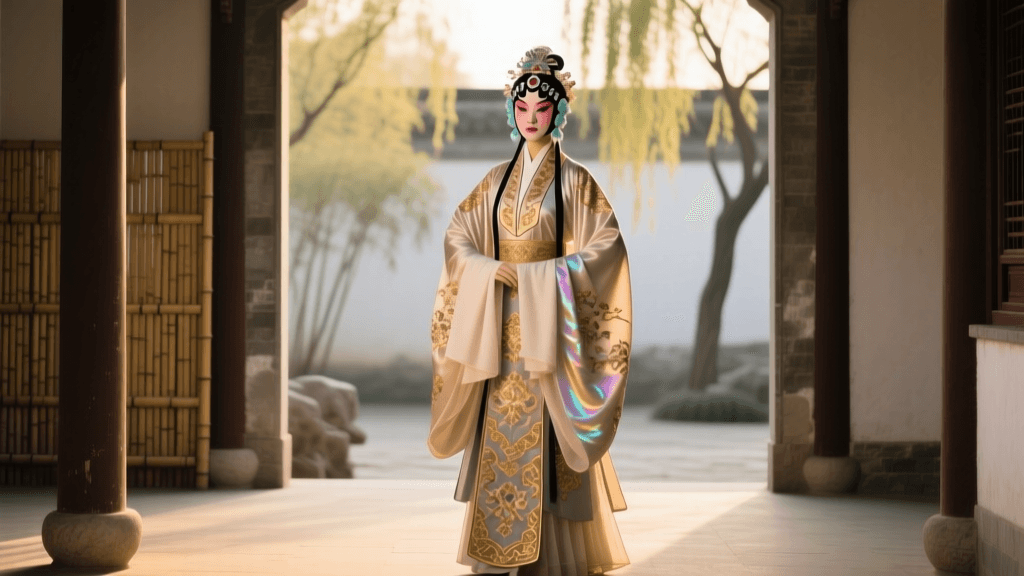
- Water Sleeves (Shui Xiu): Historical Hanfu sleeves are wide and long, but Kunqu and Peking Opera costumes feature Shui Xiu—extensions of white silk stitched to the cuff, used as an extension of the actor's emotional expression.
- Embroidery Density: Stage costumes utilize dense, high-contrast metallic thread embroidery (often gold and silver couching) to catch the harsh stage lighting, whereas daily historical Hanfu favors subtle, tone-on-tone woven patterns.
The Anatomy of a Kunqu Opera Wardrobe
Kunqu is renowned for its poetic grace, and its costumes reflect the refined tastes of the literati. In 2026, top-tier Kunqu troupes prioritize lightweight, breathable silks that allow for the genre's intricate, fluid choreography.
The Xuezi (Informal Robe)
The Xuezi is the most versatile garment in the Kunqu wardrobe. Worn by scholars, young lovers, and gentlemen, it features a crossed collar and side slits. In 2026, master tailors in Suzhou are utilizing a newly developed 'peace silk' (Ahimsa silk) blend that offers the luminous drape of traditional mulberry silk but aligns with modern eco-friendly and cruelty-free production standards.
The Pei (Formal Overcoat)
Worn by noblewomen and high-ranking officials, the Pei is heavily embroidered with motifs of peonies, cranes, or plum blossoms. The 2026 trend in Kunqu costume design leans toward 'subtle luminosity,' where artisans use matte silk threads interwoven with microscopic metallic filaments, reducing the garish glare of older stage costumes while maintaining visibility.
Peking Opera: Color Symbolism and Structural Armor
Peking Opera is a highly codified art form where the audience instantly recognizes a character's moral alignment and social rank through their Xifu. As noted by Encyclopædia Britannica, the visual language of Peking Opera is as vital as the vocal performance.
Color Coding in 2026 Commissions
- Red: Denotes loyalty, bravery, and uprightness (e.g., Guan Yu).
- Black: Represents integrity, impartiality, and a fierce temper (e.g., Bao Zheng).
- White: Indicates treachery, cunning, and suspicion (e.g., Cao Cao).
- Yellow: Reserved for imperial figures and divine beings, featuring exclusive five-clawed dragon motifs.
The Kao (Martial Armor)
The Kao is a masterpiece of theatrical engineering. Composed of multiple layered panels, it features four triangular flags attached to the back, representing an army general's command. In 2026, modern material science has allowed Beijing-based ateliers to replace heavy copper wiring with flexible, memory-shape carbon-fiber rods, reducing the physical strain on martial actors during acrobatic sequences without sacrificing the rigid, majestic silhouette.
2026 Sourcing Hubs and Ateliers
Sourcing authentic Xifu requires bypassing generic costume shops and connecting directly with heritage ateliers. The two undisputed capitals for theatrical garments are Suzhou and Beijing.
Suzhou: The Heart of Su Xiu Embroidery
Suzhou is the premier destination for Kunqu costumes and high-end female Peking Opera robes. The Zhenhu Embroidery Town remains the epicenter of Su Xiu (Suzhou embroidery). In 2026, commissioning a hand-embroidered Mang (Python Robe) from a master artisan in Zhenhu requires a lead time of six to eight months. Many ateliers now offer hybrid services, utilizing AI-assisted pattern drafting to ensure perfect symmetry before the painstaking hand-embroidery process begins.
Beijing: The Legacy of Jing Xiu
Beijing's theatrical costume shops, historically clustered around the Liulichang cultural street, specialize in Jing Xiu (Beijing embroidery). This style is characterized by bold colors, heavy gold couching, and dramatic dragon and phoenix motifs. For international buyers in 2026, several heritage Beijing shops have integrated 3D body-scanning apps, allowing performers overseas to submit precise measurements for custom-fitted armor and robes, drastically reducing the need for post-delivery alterations.
2026 Xifu Commissioning Guide: Costs and Timelines
Budgeting for traditional performing arts garments requires an understanding of the labor-intensive techniques involved. Below is the 2026 market average for custom-commissioned theatrical pieces.
| Garment Type | Primary Material | Embroidery Technique | 2026 Avg. Cost (USD) | Lead Time |
|---|---|---|---|---|
| Mang (Python Robe) | Heavy Silk Satin | Hand-couched Gold Thread | $3,500 - $8,000 | 6 - 9 Months |
| Xuezi (Scholar Robe) | Peace Silk / Chiffon | Machine-assisted Su Xiu | $400 - $900 | 4 - 6 Weeks |
| Kao (Martial Armor) | Brocade & Felt | Appliqué & Jing Xiu | $1,200 - $2,500 | 3 - 5 Months |
| Shui Xiu (Water Sleeves) | Raw White Silk | None (Hemmed) | $80 - $150 | 1 - 2 Weeks |
Mastering the Shui Xiu (Water Sleeves)
No discussion of Kunqu or Peking Opera is complete without addressing the Shui Xiu. These flowing white silk extensions are the primary tools for conveying sorrow, joy, anger, and shyness. When sourcing water sleeves in 2026, performers must consider weight and length.
Sizing and Fabric Weight
Standard water sleeves extend 1.5 to 2 feet beyond the fingertips. However, the weight of the silk is paramount. Too light, and the sleeve will not snap or fold correctly during a 'flick' technique; too heavy, and it will cause wrist fatigue during a two-hour performance. Top ateliers now offer 'graded weight' silk, where the fabric is woven slightly thicker at the cuff to provide the necessary momentum for complex sleeve choreography.
Layering: The Importance of Zhongyi
Authentic stage presence relies heavily on what is worn beneath the Xifu. Performers must wear Zhongyi (middle garments) and inner collars. In traditional Hanfu, the white inner collar peeking out from the neckline is a mark of propriety. In theater, these layered collars (often made of stiffened cotton or absorbent bamboo-silk blends in 2026) protect the expensive, heavily embroidered outer robes from stage sweat and makeup transfer. When ordering a full costume set, always ensure the atelier includes the matched set of inner collars and sweat-absorbing under-layers.
Garment Care and Archival Storage
Theatrical silks and metallic threads are highly susceptible to humidity, oxidation, and light damage. The 2026 standard for preserving Xifu involves climate-controlled storage. Never hang heavy Mang robes or Kao armor on standard hangers, as the weight of the embroidery will warp the silk warp threads over time.
Best Practices for Preservation
- Flat Storage: Store heavily embroidered robes flat in acid-free archival boxes, layered with unbleached cotton muslin.
- Moisture Control: Use silica gel desiccant packets rather than traditional camphor balls, which can leave a lingering odor and degrade certain modern synthetic dyes used in contemporary troupes.
- Spot Cleaning: Xifu is rarely washed in its entirety. Collars and cuffs should be detached (they are traditionally basted on for this exact reason) and hand-washed separately using pH-neutral silk detergents.
Conclusion
Sourcing authentic Kunqu and Peking Opera costumes in 2026 is a rewarding journey that bridges centuries of sartorial history with modern textile innovation. Whether you are a professional performer seeking a master-crafted Mang robe, or a cultural institution archiving the delicate elegance of Kunqu's water sleeves, understanding the distinction between historical Hanfu and theatrical Xifu is your first step. By partnering with heritage ateliers in Suzhou and Beijing, and embracing sustainable silk alternatives, you ensure that the vibrant visual language of traditional Asian performing arts continues to captivate audiences for generations to come.