Top Hanfu Education Workshops & Certifications for 2026
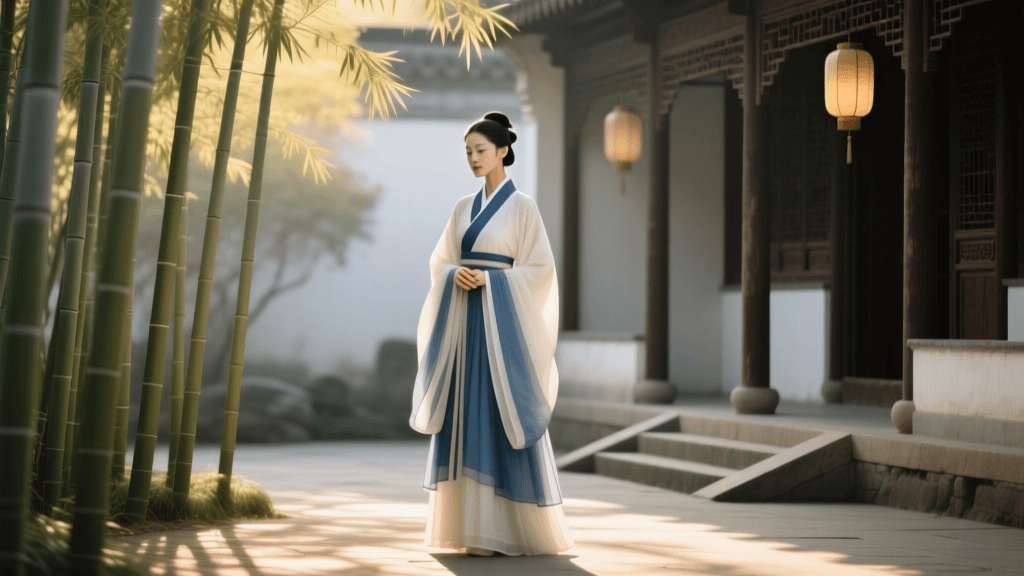
The Evolution of Professional Hanfu Education in 2026
The Hanfu movement has evolved dramatically from a niche cultural revival into a mainstream global fashion phenomenon. As we navigate 2026, the demand for historically accurate, professionally styled traditional Chinese garments has skyrocketed, driven by booming cultural tourism, historical film productions, and the mainstream adoption of traditional dress for weddings and ceremonies. This surge has created a critical need for formalized education. No longer is it sufficient to rely solely on amateur enthusiasm; today's industry demands certified professionals who understand the intricate nuances of dynasty-specific draping, textile conservation, and authentic accessory pairing.
Understanding the historical evolution of Hanfu is just the beginning. Modern certification programs now blend rigorous historical research with practical styling techniques, ensuring that graduates can accurately recreate everything from the flowing, romantic silhouettes of the Tang Dynasty to the structured, dignified garments of the Ming Dynasty. For aspiring stylists, textile historians, and boutique owners, enrolling in an accredited Hanfu education workshop is the most strategic career move in 2026.
Top 3 Hanfu Certification Programs for 2026
Choosing the right program depends on your career goals, budget, and preferred learning format. Below, we review the most prestigious and comprehensive Hanfu education workshops and certification programs available this year.
1. BIFT Traditional Textile & Hanfu Design Certificate
Offered by the prestigious Beijing Institute of Fashion Technology, this continuing education certificate is the gold standard for those looking to bridge the gap between historical garment construction and modern wearable design. The 2026 cohort focuses heavily on sustainable heritage textiles, including the intricate weaving of Song brocade and the specialized dyeing processes of Xiangyunsha (gambiered Canton gauze). Students spend 12 weeks mastering flat-pattern cutting, a hallmark of traditional Chinese tailoring that relies on geometric precision rather than Western darting. The program culminates in a physical portfolio presentation and a rigorous practical exam where students must drape and style a complete Ming Dynasty formal ensemble on a live model.
2. Global Hanfu Styling Academy (GHSA) Masterclass
For international students and working professionals, the GHSA offers a premier hybrid certification program. The 2026 curriculum has been updated to include AI-assisted historical pattern drafting, allowing students to visualize complex layering systems before cutting expensive silk. The GHSA certification is highly regarded in the wedding and event planning sectors. The coursework covers the mechanics of the Mamianqun (horse-face skirt), teaching students how to properly maintain and style the deep, structured pleats that define Ming and Qing-era lower garments. Graduates receive a digital badge recognized by major international cultural heritage organizations and Asian bridal associations.
3. Heritage Draping Intensive: Tang & Song Dynasties
Hosted in Xi'an, this immersive, three-week in-person workshop is designed for advanced stylists and costume designers for film and theater. The 2026 syllabus places a heavy emphasis on the Qixiong Ruqun (chest-high skirt) and the complex, multi-layered shawl draping techniques characteristic of the Tang Dynasty. Instructors, many of whom are consultants for major historical dramas, teach the physics of silk weighting and how to achieve the ethereal, gravity-defying drapes seen in historical murals. This program is physically demanding and requires a foundational understanding of traditional garment terminology.
Curriculum Comparison Chart
To help you decide which program aligns with your 2026 goals, we have compiled a detailed comparison of the top certifications.
| Program Name | Format & Duration | Estimated Cost (2026) | Primary Focus | Best For |
|---|---|---|---|---|
| BIFT Certificate | 12 Weeks, Hybrid | $3,200 USD | Pattern drafting, textile science | Designers, Boutique Owners |
| GHSA Masterclass | 8 Weeks, Online | $1,450 USD | Styling, event application, pleating | Bridal Stylists, Event Planners |
| Heritage Draping Intensive | 3 Weeks, In-Person (Xi'an) | $2,800 USD (excl. travel) | Advanced draping, film costuming | Costume Designers, Theatrical Stylists |
Core Competencies and Dynasty-Specific Training
A hallmark of any reputable 2026 Hanfu certification is the strict separation of dynasty-specific styling. Mixing elements from different eras without historical context is considered a major faux pas in professional settings. Top workshops ensure students master the following core competencies:
- Wei & Jin Elegance: Mastering the wide-sleeved, flowing silhouettes and understanding the cultural philosophy of relaxed, scholarly aesthetics.
- Tang Dynasty Opulence: Learning to style the vibrant, heavily patterned silks, applying authentic floral hairpins (Shanhua), and mastering the chest-high skirt draping that accommodates various body types.
- Song Dynasty Minimalism: Focusing on the slender, refined silhouettes, pleated skirts, and the subtle, understated elegance of the Beizi (long outer jacket).
- Ming Dynasty Structure: The rigorous study of the Aoqun (jacket and skirt) combinations, focusing on the precise pleating of the Mamianqun and the use of metallic thread embroidery (Zhijin).
'In 2026, our students are not just learning how to put on a garment; they are learning the sociology, the climate adaptations, and the textile engineering of ancient China. A certified stylist is, in essence, a wearable historian.' — Dr. Lin Wei, Director of Heritage Textiles at BIFT.
Essential Tools for the 2026 Hanfu Student
Professional Hanfu styling and construction require specialized tools that differ significantly from Western tailoring kits. If you are enrolling in a certification program this year, expect to invest in the following professional-grade equipment:
- Titanium-Coated Silk Shears: Essential for cutting delicate fabrics like Xiangyunsha and raw silk without fraying the edges. The 2026 models feature micro-serrated blades specifically designed for slippery heritage textiles.
- Digital Tension Meters: Used primarily in advanced Mamianqun construction to ensure that every pleat is pressed with the exact same tension, preventing the skirt from flaring unevenly when the wearer walks.
- Traditional Bone Folders and Silk Weights: Used for creasing delicate fabrics without applying the direct, potentially damaging heat of a modern iron. Jade and weighted brass are the preferred materials in high-end workshops.
- Historical Color Swatch Books: Physical, textile-based swatch books dyed with traditional plant and mineral dyes (such as madder root, indigo, and ochre) to train the eye for authentic historical color palettes, which often differ vastly from modern synthetic digital colors.
Career Trajectories and Industry ROI
The return on investment for a Hanfu certification in 2026 is exceptionally high, driven by a cultural renaissance that shows no signs of slowing down. According to recent market analyses highlighted in the China Daily Culture section, the integration of traditional dress into daily life, luxury branding, and international tourism has created a vacuum for qualified experts.
Certified graduates are finding lucrative opportunities in several key sectors:
- Cultural Tourism & Hospitality: High-end resorts and historical sites are hiring certified Hanfu stylists to manage their rental wardrobes, ensuring garments are maintained correctly and guests are styled with historical accuracy.
- Film, Television, and Theater: Production companies are increasingly prioritizing historical authenticity, relying on certified consultants to audit wardrobe departments and correct anachronistic styling errors before filming begins.
- Luxury Bridal & Event Styling: As traditional Chinese weddings incorporate more authentic Hanfu ceremonies (such as the Zhou or Ming dynasty wedding rites), certified stylists are commanding premium rates to orchestrate the complex, multi-layered dressing rituals.
- Heritage Brand Consulting: Modern fashion houses looking to incorporate traditional Chinese elements into their collections hire certified experts to ensure cultural appreciation and avoid appropriation, guiding the ethical use of traditional motifs and cutting techniques.
Conclusion
As the global appreciation for traditional Asian garments deepens, the line between cultural enthusiast and certified professional continues to sharpen. Whether you choose the academic rigor of BIFT, the digital convenience of the GHSA, or the immersive draping intensives in Xi'an, pursuing a Hanfu education workshop in 2026 is an investment in a rich, enduring, and highly profitable cultural legacy. Equip yourself with the right knowledge, respect the history woven into every thread, and step confidently into the future of traditional fashion.