Bespoke Geta and Zori Craft 2026: Hanao Weaving Guide
The 2026 Renaissance of Japanese Footwear
As we navigate through 2026, the global appreciation for artisanal, slow-fashion heritage has sparked a massive renaissance in traditional Japanese footwear. No longer relegated solely to summer festivals or historical reenactments, bespoke geta (wooden clogs) and zori (flat sandals) are being embraced by modern wardrobes for their ergonomic benefits, sustainable material profiles, and striking aesthetic appeal. Today's master artisans are blending centuries-old woodworking and textile techniques with contemporary ergonomic insights, creating footwear that supports the natural biomechanics of the foot while honoring Edo-period craftsmanship.
According to data tracked by the Ministry of Economy, Trade and Industry's traditional crafts portal, commissions for bespoke wooden footwear have seen a remarkable surge in 2026, driven by a younger demographic seeking sustainable, made-to-order alternatives to mass-produced synthetic shoes. This guide delves deep into the meticulous craft of geta and zori making, exploring the woodworking, the intricate hanao (thong) weaving, and how you can commission your own pair this year.
Anatomy of Traditional Footwear: Geta vs. Zori
Before exploring the crafting process, it is essential to understand the structural differences between the primary styles of traditional Japanese footwear. While both utilize the iconic V-shaped thong, their bases serve entirely different functions.
Geta: The Elevated Wooden Clog
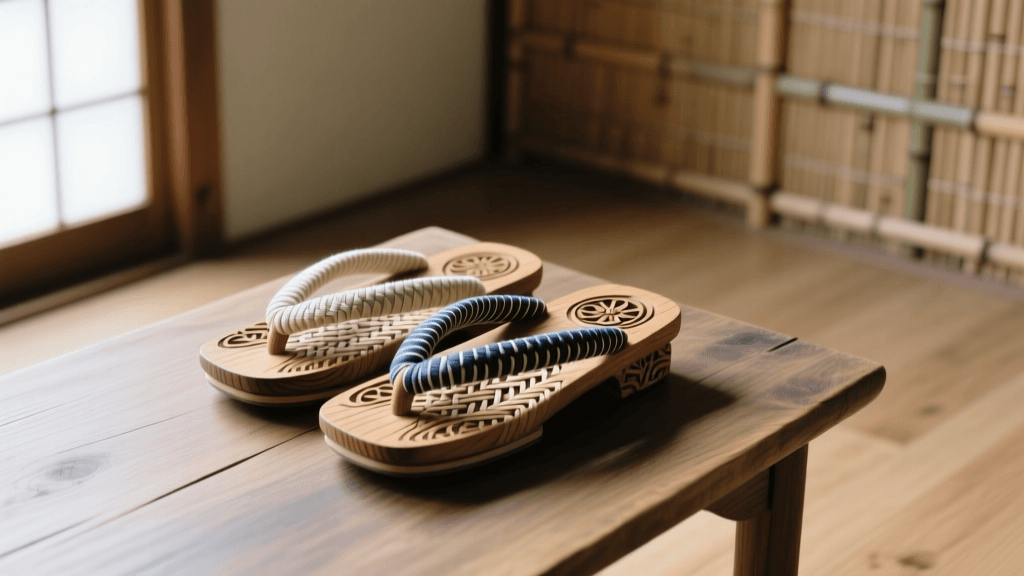
Geta are characterized by their solid wooden base, known as the dai, and the elevated wooden 'teeth' underneath, called ha. The elevation was originally designed to keep the wearer's kimono hem above mud, rain, and snow. In 2026, modern geta often feature a single, wide tooth (a style known as pokkuri or modernized tengu geta) which provides a unique rocking motion that engages the calf muscles and promotes better posture.
Zori: The Flat, Woven Sandal
Zori feature a flat base with no elevated teeth. Historically woven from rice straw, modern bespoke zori bases are crafted from compressed rush grass, cork, or lightweight EVA composites covered in traditional textiles or leather. A premium subset of zori is the setta, which features a leather sole and a metallic heel cap that produces a satisfying, rhythmic clicking sound when walking. Setta are highly prized in 2026 for their durability and formal elegance.
The Paulownia Wood Carving Process
The soul of a premium geta lies in its wood. Master craftsmen almost exclusively use kiri (Paulownia) wood. Paulownia is exceptionally lightweight, highly resistant to moisture and rot, and possesses a natural thermal insulating property that keeps the foot cool in summer and warm in winter.
The carving process in 2026 remains stubbornly traditional. Artisans use a series of kanna (Japanese hand planes) to shape the dai. Unlike Western planes that push, the Japanese kanna is pulled toward the body, allowing for microscopic precision and a glass-like finish without the need for sandpaper. The artisan must read the grain of the paulownia, ensuring that the base is carved to follow the natural arch of the client's foot. The holes for the hanao are drilled at precise angles to ensure the thong sits flush against the skin without causing friction blisters.
The Art of Hanao Weaving and Thong Making
The hanao is the V-shaped thong that secures the footwear to the foot. Far from being a simple strap, the hanao is a marvel of textile engineering. In traditional craft, the hanao consists of an inner core (historically twisted paper or hemp, now often high-tensile cotton or recycled silk) wrapped tightly in an outer decorative fabric.
In 2026, we are seeing a major trend toward sustainable hanao materials. Artisans are utilizing takekawa (bamboo sheath) for a rustic, highly durable summer texture, as well as upcycled vintage kimono silks for formal occasions. The wrapping process requires immense hand strength and specialized tools. The craftsman uses a hanao-toshi, a specialized wooden hook and tensioning device, to pull the inner core taut while wrapping the outer fabric. This ensures the thong will not stretch out or loosen over years of daily wear. The knotting technique at the base of the geta is a closely guarded secret among top-tier shops, designed to be easily adjustable by the artisan but completely invisible to the wearer.
2026 Pricing and Bespoke Commissioning Guide
Commissioning bespoke footwear is an investment in artisanal heritage. Prices in 2026 reflect the rising cost of premium, sustainably harvested paulownia and the intensive labor required for hand-woven hanao. Below is a comparison chart detailing the current market rates for bespoke commissions from heritage workshops in Tokyo and Kyoto.
| Footwear Type | Base Material | Hanao Material | Best Use Case | 2026 Avg. Bespoke Price (USD) |
|---|---|---|---|---|
| Standard Geta (Two Teeth) | Raw Paulownia | Velvet / Cotton Blend | Casual wear, Summer festivals | $280 - $350 |
| Lacquered Geta (Tengu) | Urushi-lacquered Paulownia | Vintage Silk Kimono | Formal events, Tea ceremonies | $550 - $800 |
| Igusa Zori (Rush Grass) | Compressed Rush / Cork | Bamboo Sheath (Takekawa) | Indoor wear, Ryokan stays | $180 - $240 |
| Setta (Leather Sole) | Multi-layered Leather | Premium Cowhide / Suede | Daily urban wear, Business casual | $400 - $600 |
How to Measure and Fit Your Bespoke Footwear
The fitting philosophy of Japanese footwear differs drastically from Western shoes. Western shoes enclose the foot, requiring a snug fit. Geta and zori are designed to be slightly smaller than the foot, allowing the heel to overhang by about 1 to 2 centimeters. This overhang, known as kaeri, prevents the wearer from accidentally stepping on the back edge of the wooden base and damaging it, while also encouraging a proper, gliding walking gait.
While some avant-garde boutiques in 2026 offer 3D foot scanning to map the arch and toe spread, the most revered heritage shops still rely on the traditional chalk outline method. You will be asked to stand on a specialized drafting board while the artisan traces your foot, marking the exact pressure points of your heel, the ball of your foot, and the webbing between your first and second toes. This webbing measurement is the most critical, as it dictates the exact placement of the front hanao hole to prevent chafing.
Caring for Your Wooden and Woven Footwear
Proper maintenance ensures that a pair of bespoke geta or zori can last for decades. Historical artifacts preserved at the Tokyo National Museum reveal that well-maintained wooden footwear was often passed down through generations in samurai and merchant households.
- Wood Hydration: Paulownia wood can dry out and crack in artificially heated or air-conditioned environments. Once every six months, wipe the raw wood base with a cloth lightly dampened with pure tung oil or specialized kiri wood oil. This replenishes the wood's natural moisture barrier.
- Hanao Tightening: Over time, the fabric of the hanao may compress. If the thong feels loose, do not attempt to pull it from the top. Take it back to your artisan, who will use the hanao-toshi tool to pull the core tight from the underside and re-knot it.
- Teeth Replacement: The wooden teeth (ha) of geta will naturally wear down, much like a tire tread. Many 2026 artisans offer a 're-tooth' service, where they shave down the worn wood and glue on a fresh layer of hardwood or rubber cap to restore the original height and balance.
- Storage: Store your footwear in a breathable cotton bag away from direct sunlight. Never store them in plastic, as trapped humidity can cause the paulownia to mold or the natural hanao fibers to degrade.
Sourcing Authentic Artisans in 2026
Finding a true master craftsman requires looking beyond standard retail storefronts. In Tokyo, the Asakusa and Nihonbashi districts remain the epicenter of bespoke footwear. Shops like Tsujiya Honten have been operating for nearly a century and continue to accept international bespoke commissions via digital consultations in 2026. In Kyoto, artisans often specialize in highly formal, lacquered zori designed specifically to complement the intricate hems of Nishijin-ori kimonos.
When commissioning, always ask about the origin of the paulownia wood. The most prized wood comes from the Aizu region of Fukushima Prefecture, known for its dense, tight-grained timber. Furthermore, ensure the shop employs an in-house hanao weaver; many lower-tier shops simply buy pre-fabricated thongs from overseas, which lack the tension and durability of hand-wrapped Japanese hanao.
By investing in bespoke geta and zori, you are not merely purchasing a pair of sandals; you are participating in the preservation of a profound tactile heritage. The rhythmic clack of wooden teeth on stone, the scent of fresh rush grass, and the secure embrace of a hand-woven silk thong offer a sensory grounding that modern footwear simply cannot replicate.