Hanfu Milestone Rites 2026: Guide to Ji Li, Guan Li & Weddings
The Renaissance of Chinese Rites of Passage in 2026
The revival of traditional Han Chinese clothing, universally known as the Hanfu movement, has matured significantly by 2026. No longer just a niche internet subculture or a fleeting trend for social media photoshoots, Hanfu has firmly integrated into major life milestones. Today, families, university societies, and young adults across the globe are reclaiming ancient Confucian rites of passage. These ceremonies—specifically the coming-of-age rituals and traditional weddings—serve as profound expressions of cultural identity, filial piety, and personal responsibility.
As of 2026, the market for authentic, historically accurate garments has stabilized, making it easier than ever to source museum-quality textiles for these pivotal life events. Whether you are planning a Ji Li for a graduating daughter, a Guan Li for a son entering adulthood, or a grand Hun Li wedding, understanding the historical framework and modern adaptations of these rites is essential. According to The Metropolitan Museum of Art's Heilbrunn Timeline of Art History, the structural evolution of these formal robes reflects centuries of philosophical and social development, making them deeply meaningful garments to wear during life's most critical transitions.
Ji Li (笄礼): The Hair-Pinning Ceremony for Women
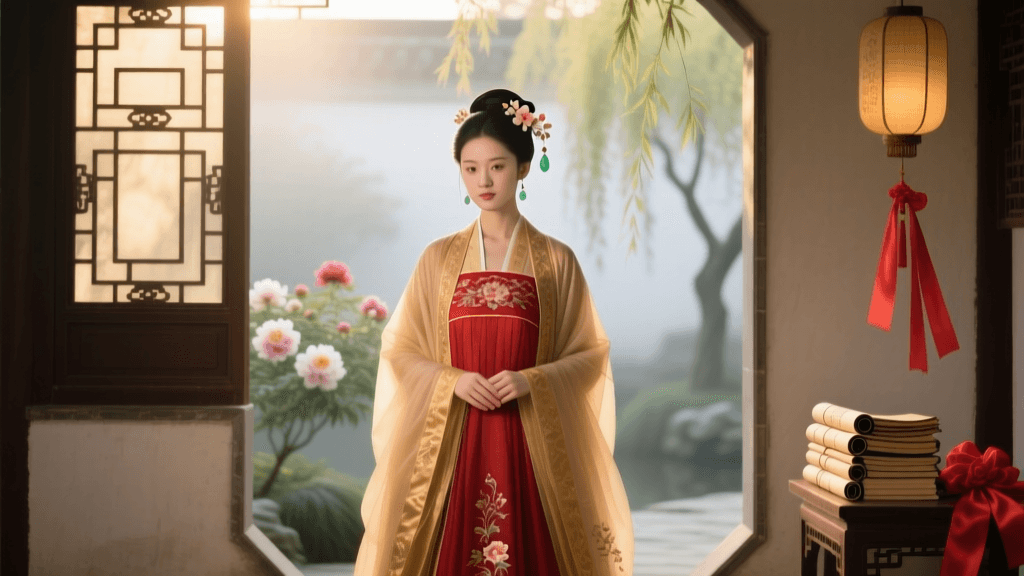
Historically performed at age 15, the Ji Li marks a young woman's transition into adulthood, signifying her readiness for marriage and societal responsibilities. In 2026, modern practitioners frequently align the Ji Li with high school or university graduation, typically performing the rite between the ages of 18 and 20. The core of the ceremony revolves around the "Three Additions" (San Jia), where the celebrant changes into three progressively more formal outfits, each accompanied by a new, more elaborate hairstyle and hairpin.
The Three Additions (San Jia)
- First Addition: The celebrant begins in a simple, colorful juvenile outfit known as Caiyi, often a standard Jiaoling Ruqun (cross-collared top and pleated skirt). A simple wooden or jade hairpin is placed in her hair, symbolizing the shedding of childhood.
- Second Addition: She changes into a Shenyi (deep robe), a garment that wraps the body completely, representing the embrace of moral virtues and maturity. A more ornate hairpin, perhaps crafted from silver or white gold, is added.
- Third Addition: The final and most formal change features a grand court-style dress. In 2026, the Ming Dynasty Aoqun paired with a heavily embroidered Mamianqun (horse-face skirt) or a sweeping Daxiuyi (large-sleeved formal dress) is the most coveted choice. The hair is styled into an elaborate updo, secured with a Zan (decorative hairpin) and a Chai (double-pronged pin), often featuring dangling pearl or jade ornaments.
Guan Li (冠礼): The Capping Ceremony for Men
The male equivalent to the Ji Li is the Guan Li, traditionally performed at age 20. This ceremony emphasizes the transition from a boy to a man, burdening him with the responsibilities of family, state, and societal ethics. University Hanfu societies in 2026 frequently host collective Guan Li ceremonies on campus, blending ancient liturgy with modern academic milestones.
The Three Cappings (San Jia)
Similar to the female rite, the Guan Li involves three changes of clothing and headwear, each bestowing a new layer of adult responsibility.
- First Capping: The young man dons a Bianfu, consisting of a simple scholar's cap and a modest robe. This represents the foundational duty of self-cultivation and continuous learning.
- Second Capping: He changes into a Xueduan or a dark, formal Lanshan robe. This symbolizes his readiness to participate in civic duties and community service.
- Third Capping: The final addition is a formal court dress or a majestic Ming-style Daopao (Taoist robe with side slits and inner pleats), paired with a formal Guan (cap) or a Wushamao. This signifies his ultimate readiness to honor his ancestors and take on leadership roles within his family and society.
Hun Li (婚礼): Traditional Hanfu Weddings
While coming-of-age ceremonies focus on personal growth, the Hun Li (wedding ceremony) is the ultimate union of two families and the continuation of ancestral lines. In 2026, the Ming Dynasty aesthetic remains the undisputed gold standard for traditional Hanfu weddings, prized for its regal silhouettes, rich color palettes, and intricate embroidery.
The Bride's Attire: Fengguan Xiapei
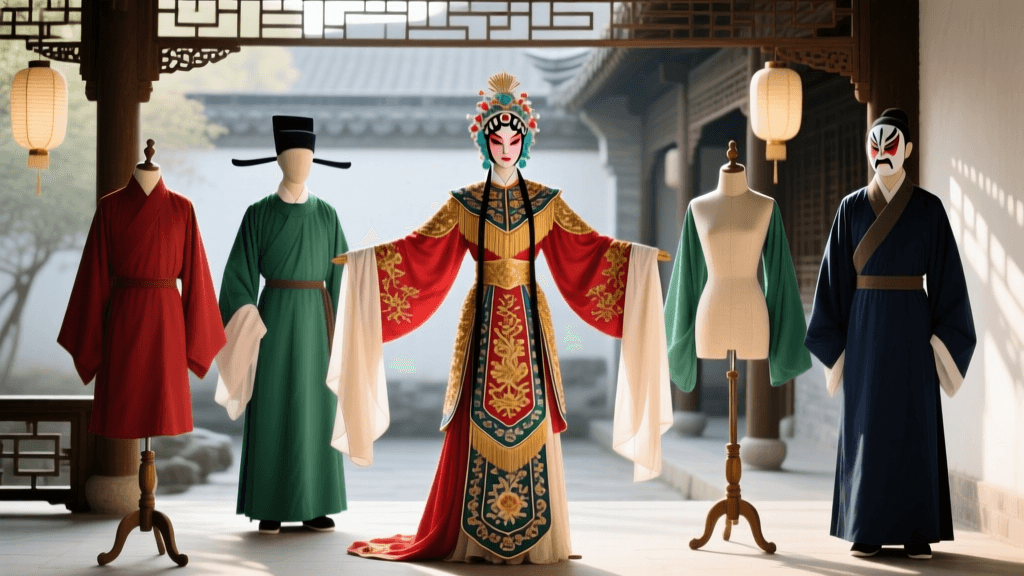
The pinnacle of bridal Hanfu is the Fengguan Xiapei (Phoenix Crown and Rosy Cape). The Fengguan is a breathtaking headdress adorned with gold filigree, pearls, and kingfisher feather art. Due to strict wildlife conservation laws enforced globally by 2026, authentic kingfisher feathers are entirely banned; instead, master artisans use ethically sourced, dyed silk velvet and advanced enamel techniques to replicate the iridescent blue-green hues flawlessly. The Xiapei is a heavily embroidered, V-shaped stole draped over the shoulders, ending in jade or gold pendants that weigh down the fabric to ensure a dignified, graceful drape. Beneath this, the bride wears a vibrant red or deep crimson Mamianqun featuring motifs of dragons, phoenixes, and peonies.
The Groom's Attire: Wushamao and Yuanlingpao
The groom traditionally wears a dark blue, black, or crimson Yuanlingpao (round-collar robe) featuring a Buzi (mandarin square rank badge) on the chest and back, symbolizing nobility and scholarly achievement. His headwear is the Wushamao, the iconic winged hat of Ming officials. Archives from The Victoria and Albert Museum highlight the intricate weaving techniques and structural tailoring required to make these round-collar robes sit perfectly on the shoulders without collapsing, a hallmark of high-end 2026 bespoke Hanfu tailoring.
2026 Cost & Sourcing Comparison Table
Planning a traditional milestone ceremony requires a dedicated budget, especially when sourcing authentic materials like Xiangyunsha (gambiered Guangdong silk) or Song Brocade. Below is a comparative guide to the three major rites and their associated costs in the current 2026 market.
| Ceremony | Traditional Age | Modern 2026 Age | Key Garments | Est. 2026 Cost (USD) |
|---|---|---|---|---|
| Ji Li (Women's Coming of Age) | 15 | 18 - 20 | Ruqun, Shenyi, Aoqun, Mamianqun | $800 - $2,500 |
| Guan Li (Men's Coming of Age) | 20 | 18 - 22 | Bianfu, Lanshan, Daopao, Guan | $600 - $1,800 |
| Hun Li (Wedding - Ming Style) | Marriageable Age | 24 - 35 | Fengguan, Xiapei, Yuanlingpao, Wushamao | $3,500 - $12,000+ |
Note: Costs reflect bespoke or high-tier retail pricing in 2026, including custom embroidery, authentic silk fabrics, and handcrafted metalwork accessories.
Ritual Steps and Etiquette in 2026
Wearing the garments is only half the experience; the liturgy of the rites is what imparts the cultural weight. Modern ceremony planners in 2026 adhere to a streamlined but deeply respectful sequence of events derived from the Yili (Book of Etiquette and Ceremonial).
- Purification: The celebrant washes their hands in a bronze or ceramic basin, symbolizing the washing away of childhood impurities and the preparation for sacred duties.
- The Capping/Pinning: The Zanli (Guest of Honor, usually a respected elder or mentor) approaches the celebrant, recites a traditional blessing, and places the final cap or hairpin.
- The Reading of the Admonition: The celebrant kneels to receive a formal scroll containing words of wisdom regarding filial piety, loyalty, and personal integrity.
- The Bows: The ceremony concludes with a series of deep, formal bows (Kowtow or deep Zuoyi depending on the specific dynasty's etiquette being replicated) to the parents, the Guest of Honor, and the ancestral altar.
Sourcing Authentic Garments and Textiles in 2026
The global supply chain for Hanfu has become highly sophisticated by 2026. While mass-market, synthetic Hanfu is readily available on global e-commerce platforms for under $100, milestone ceremonies demand natural fibers and historical accuracy. Top-tier enthusiasts commission pieces directly from heritage hubs in Hangzhou, Suzhou, and Caoxian.
For summer milestone events, Xiangyunsha remains the ultimate luxury fabric. This gambiered silk, dyed with river mud and plant extracts, offers a unique crinkled texture and natural cooling properties. Recent cultural reports from China Daily's Art and Culture desk note that the integration of 3D-woven Song Brocade and ethically sourced metallic threads has revolutionized the bridal Hanfu market, allowing for lighter, more breathable wedding garments that do not sacrifice the opulent visual weight required for the Hun Li.
Conclusion
As we navigate through 2026, the practice of Hanfu milestone rites is no longer viewed as mere historical cosplay, but as a living, breathing continuation of Asian traditions. Whether you are pinning the hair of a young woman stepping into her future, capping a young man embracing his responsibilities, or joining two families under the crimson silk of a Ming-style wedding canopy, these ceremonies offer a profound anchor to the past. By investing in authentic garments, respecting the ancient liturgy, and adapting the rites to modern life stages, practitioners ensure that the elegance and philosophy of traditional Chinese culture will endure for generations to come.