Kimono Runway Trends 2026: Global Fashion Week Review
The Structural Renaissance of the T-Shape on the 2026 Runways
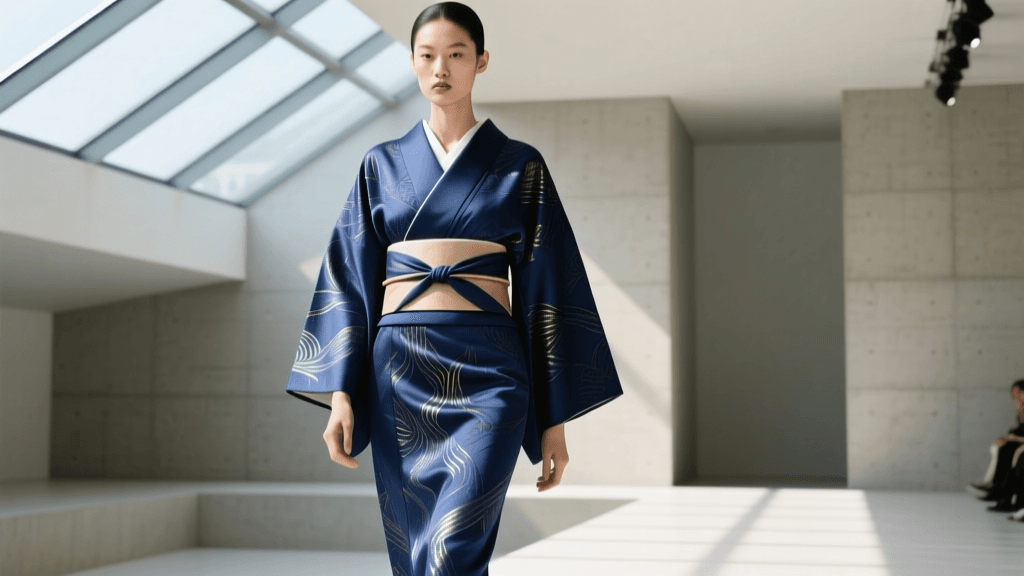
The intersection of traditional Japanese garment construction and contemporary luxury fashion has reached a breathtaking zenith during the 2026 global fashion weeks. No longer content with mere surface-level orientalism or superficial motif borrowing, this year's premier design houses in Paris, Milan, and Tokyo have fully embraced the structural genius of the kimono. The traditional T-shape silhouette, characterized by its flat pattern cutting, dropped shoulders, and geometric drapery, has become the foundational blueprint for the most celebrated avant-garde and ready-to-wear collections of 2026.
According to historical archives documented by The Metropolitan Museum of Art, the kimono's brilliance lies in its relationship to the human body; rather than tailoring the fabric to the body's curves, the garment creates an entirely new architectural space around the wearer. In 2026, luxury designers are utilizing this exact philosophy to challenge Western tailoring norms. From sweeping silk wrap coats that mimic the kakeshita (trailing hem) to structured outerwear inspired by the rigid, protective geometry of samurai armor, the kimono's influence on the modern runway is both profound and structurally authentic.
Key Kimono Elements Dominating International Fashion Weeks
The Deconstructed Obi Belt
Historically, the obi is a wide, intricately woven sash that secures the kimono and acts as the focal point of the ensemble. On the Spring/Summer 2026 runways in Milan, the obi has been radically deconstructed and reimagined. Designers are pairing flowing, diaphanous slip dresses with oversized, stiffened obi-inspired corsets crafted from upcycled brocade and vegan leather. These wide waist-cinchers, often tied with the dramatic taiko musubi (drum bow) at the back, provide a striking contrast between fluid fabrics and rigid, architectural waistlines. The modern obi belt has effectively replaced the traditional corset, offering a silhouette that is both historically resonant and fiercely modern.
Haori Jackets as Evening Outerwear
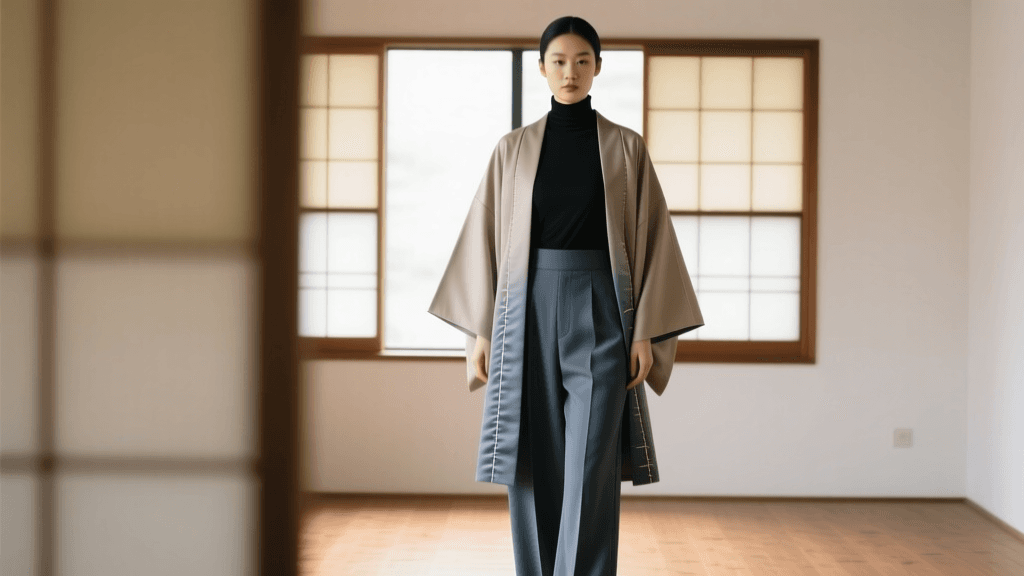
The haori, a traditional hip- or thigh-length kimono-style jacket, has emerged as the definitive evening outerwear piece for 2026. Unlike the Western blazer, which relies on shoulder pads and darting, the 2026 runway haori features a straight, unstructured cut with wide, open sleeves and a collar that folds back at the nape of the neck. Parisian couture houses are presenting these jackets in heavy silk crepes and metallic jacquards, worn open over minimalist evening gowns. The haori's inherent sense of movement and its ability to frame the garments beneath it make it a favorite among stylists and creative directors this season.
Furisode Sleeves and Dramatic Drapery
The furisode, known for its long, swinging sleeves that traditionally denote youth and unmarried status in Japanese culture, has been adapted into a symbol of theatrical luxury. The 2026 Fall/Winter collections feature sweeping, floor-grazing sleeves on wool-blend coats and cashmere knitwear. This dramatic use of excess fabric not only creates a sense of grandeur and movement on the runway but also challenges the minimalist, body-conforming trends of the previous decade. The deep, swinging sleeves demand space and command attention, perfectly aligning with the current cultural shift toward expressive, unapologetic fashion.
2026 Runway Adaptation Matrix
To understand how traditional elements are being translated for the modern luxury consumer, we have compiled a breakdown of the most prominent kimono adaptations seen across the 'Big Four' fashion capitals this year.
| Garment Element | Traditional Function | 2026 Runway Adaptation | Key Fashion Capitals |
|---|---|---|---|
| Obi Sash | Securing the kimono; displaying wealth via weaving | Wide corsetry, structural waist belts, back-bow detailing | Milan, Paris |
| Haori Jacket | Casual or formal outerwear layer | Open-front evening coats, metallic jacquard blazers | Paris, Tokyo |
| Furisode Sleeve | Formal wear for young, unmarried women | Oversized duster coats, dramatic knitwear, capelets | Milan, London |
| Shibori Dyeing | Resist-dyeing for intricate, organic patterns | Bio-resin dipped textiles, 3D-printed textured silks | Tokyo, Paris |
| Nishijin-ori | Luxury brocade weaving for formal obi and Noh theater | Metallic thread integration in sustainable vegan silks | Milan |
Ethical Sourcing and Artisan Collaborations
A defining characteristic of the 2026 fashion landscape is the shift from cultural appropriation to cultural collaboration and preservation. Major European conglomerates are no longer simply mimicking Japanese textiles; they are actively partnering with heritage weaving cooperatives in Kyoto and Kanazawa. As highlighted by exhibitions and research from the Victoria and Albert Museum, the global appreciation for the kimono has historically fluctuated between genuine reverence and exoticization. Today, the industry is prioritizing the latter's antidote: fair-trade artisan partnerships.
Several prominent luxury brands have established direct supply chains with Nishijin-ori (brocade) weavers and Yuzen (paste-resist dyeing) artisans. These collaborations ensure that the master craftspeople, many of whom are designated as Living National Treasures in Japan, receive equitable compensation and global recognition. Furthermore, these partnerships are driving innovation; artisans are experimenting with sustainable, lab-grown silk threads and natural, plant-based dyes that meet the stringent environmental standards of the 2026 European luxury market. This symbiotic relationship is breathing new life into endangered traditional crafts while providing fashion houses with unparalleled textile exclusivity.
'The true luxury of 2026 is not just in the visual beauty of the garment, but in the unbroken lineage of the hands that wove it. When a Parisian atelier and a Kyoto loom collaborate, we are not just making clothes; we are engineering cultural continuity.' — Lead Textile Curator, Kyoto National Museum archives.
The 2026 Consumer Guide: Incorporating Runway Trends
For the modern wardrobe, translating high-concept runway silhouettes into wearable, everyday elegance requires a strategic approach. Whether you are investing in authentic vintage pieces or contemporary adaptations, here is how to integrate the 2026 kimono runway trends into your personal style, complete with current market pricing and styling advice.
1. The Vintage Haori Investment
Authentic, mid-century silk haori jackets are highly sought after in 2026 for their incredible craftsmanship and unique inner linings (hakkake), which often feature hand-painted landscapes or gold-leaf motifs.
- Cost Estimate: $250 to $850 USD for excellent condition vintage pieces from reputable online textile dealers.
- Styling Advice: Wear a vintage black silk haori over a tailored, monochromatic pantsuit for a striking juxtaposition of traditional fluidity and modern sharpness. Alternatively, belt it loosely over a sleek midi dress for evening wear.
- Measurements to Check: Unlike Western sizing, haori are measured by yuki (center back to wrist) and mihaba (half-width). Ensure the yuki is at least 30 inches for a comfortable, runway-inspired drape.
2. The Modern Obi-Inspired Belt
If a full traditional obi is too restrictive for daily wear, the 2026 market offers a wealth of contemporary wide belts inspired by the obi's geometric structure.
- Cost Estimate: $120 to $400 USD for contemporary leather or woven fabric wide-cincher belts from luxury accessories brands.
- Styling Advice: Layer a stiff, 6-inch wide leather belt over an oversized, flowing trench coat or a chunky knit cardigan. This instantly creates the dramatic, architectural waistline seen on the Milan runways without the complexity of traditional knot-tying.
3. Shibori and Yuzen Textiles in Home and Accessories
For those who prefer to keep their wardrobe minimalist, the intricate dyeing techniques celebrated on the runways can be incorporated through accessories and home goods.
- Cost Estimate: $80 to $200 USD for authentic hand-dyed Shibori silk scarves or Furoshiki (wrapping cloths).
- Styling Advice: Utilize a large-scale, indigo-dyed Shibori Furoshiki as a luxury tote bag alternative, or tie it around the handle of a structured leather handbag to introduce a pop of heritage textile into a modern ensemble.
Conclusion
The 2026 global fashion weeks have unequivocally proven that the kimono is not a relic of the past, but a dynamic, living blueprint for the future of luxury design. By respecting the structural integrity of the T-shape silhouette, elevating the obi and haori into modern wardrobe staples, and fostering ethical collaborations with Japanese artisans, the fashion industry is engaging in a masterclass of cross-cultural design. As consumers and collectors, we have the unprecedented opportunity to participate in this renaissance, embracing garments that offer not only breathtaking aesthetic beauty but also a profound connection to centuries of textile mastery.