Kimono vs Hanbok vs Cheongsam: 2026 Formal Wear Guide
daniel osei·
Introduction to East Asian Formal Wear in 2026
As global fashion continues to embrace cultural heritage, the Japanese kimono, Korean hanbok, and Chinese cheongsam (qipao) remain the pinnacle of East Asian formal wear. In 2026, these garments are no longer confined to historical reenactments or strict ceremonial boundaries; they are dynamic, evolving pieces that merge centuries-old craftsmanship with modern tailoring and sustainable textiles. Whether you are attending a contemporary wedding, a diplomatic gala, or a high-profile cultural festival, choosing between these three iconic silhouettes requires an understanding of their unique structures, fabric innovations, and styling nuances.The Japanese Kimono: T-Shaped Elegance and Layering
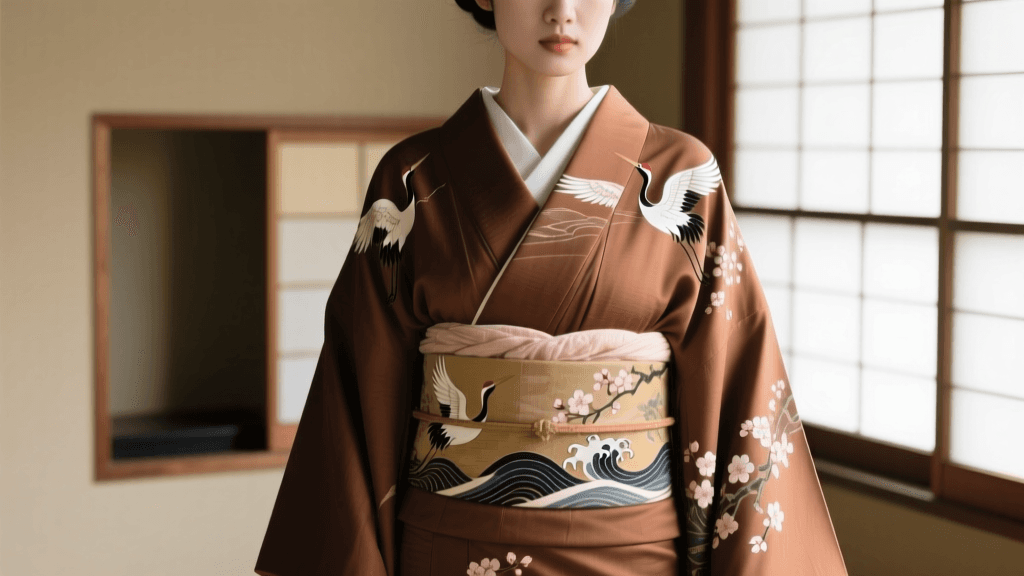
The kimono is arguably the most globally recognized Asian garment, celebrated for its T-shaped, straight-lined silhouette and intricate surface designs. According to cultural historians at Britannica, the kimono's evolution from everyday wear to a highly codified ceremonial garment reflects Japan's deep appreciation for seasonal motifs and textile arts.Silhouette and Construction
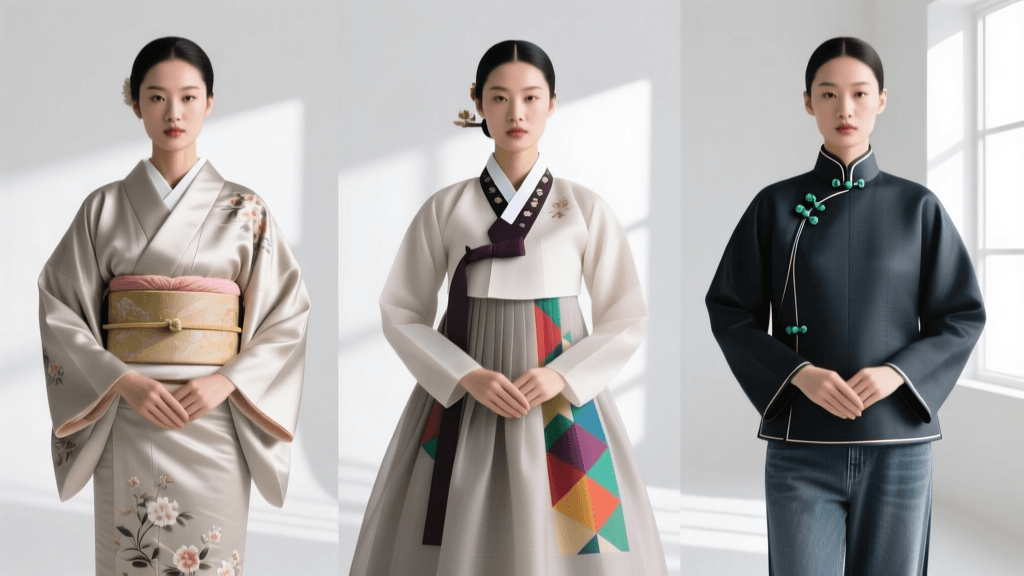
Unlike Western garments that tailor to the body's curves, the kimono flattens the figure, creating a cylindrical canvas that emphasizes the textile's artistry. It is secured by an obi (sash), which in formal 2026 styling often features structural, architectural knots. The layering system—including the nagajuban (undergarment) and hakkake (hem lining)—adds weight and formality.2026 Trends and Innovations
This year, the kimono market has seen a massive surge in 'climate-responsive' silks and high-end washable poly-blends that mimic the luster of traditional chirimen (crepe silk). For formal events, upcycled vintage maru obi paired with sustainably sourced peace silk kimonos are the top choice for eco-conscious buyers. Custom bespoke kimonos in 2026 typically range from $3,500 to $8,000, depending on the hand-dyed Yuzen techniques applied.The Korean Hanbok: Voluminous Grace and Modern Lines
The hanbok is characterized by its vibrant colors, sweeping curves, and the stark contrast between the fitted upper garment and the voluminous lower half. As noted in Britannica's textile archives, the hanbok's design historically denoted social status, but today it represents a beautiful fusion of heritage and contemporary Korean soft power.Silhouette and Construction
A traditional women's hanbok consists of the jeogori (short jacket) and the chima (full, wrap-around skirt). The men's version pairs the jeogori with baji (roomy trousers). The silhouette is defined by the otgoreum, the long, elegant bow tied at the chest, and the curved baerae (sleeve line) that mimics the eaves of traditional Hanok architecture.2026 Trends and Innovations
In 2026, the 'Gaeryang Hanbok' (modernized hanbok) dominates formal and semi-formal events. Designers are utilizing structural organza, 3D-printed floral embellishments, and pastel gradients inspired by global runway trends. The traditional heavy brocades are being replaced by lightweight, breathable jacquards, making the garment far more comfortable for long galas. A high-end, custom-tailored formal hanbok in 2026 costs between $900 and $2,800, with premium designer pieces reaching higher.The Chinese Cheongsam (Qipao): Tailored Sophistication
The cheongsam, or qipao, is the epitome of tailored elegance. Originating in the 1920s as a modernization of Manchu robes, it has continuously evolved to reflect the modern feminine form. Museums globally, including the Victoria and Albert Museum's Asian collections, highlight the qipao as a masterclass in mid-century cross-cultural fashion and bespoke tailoring.Silhouette and Construction
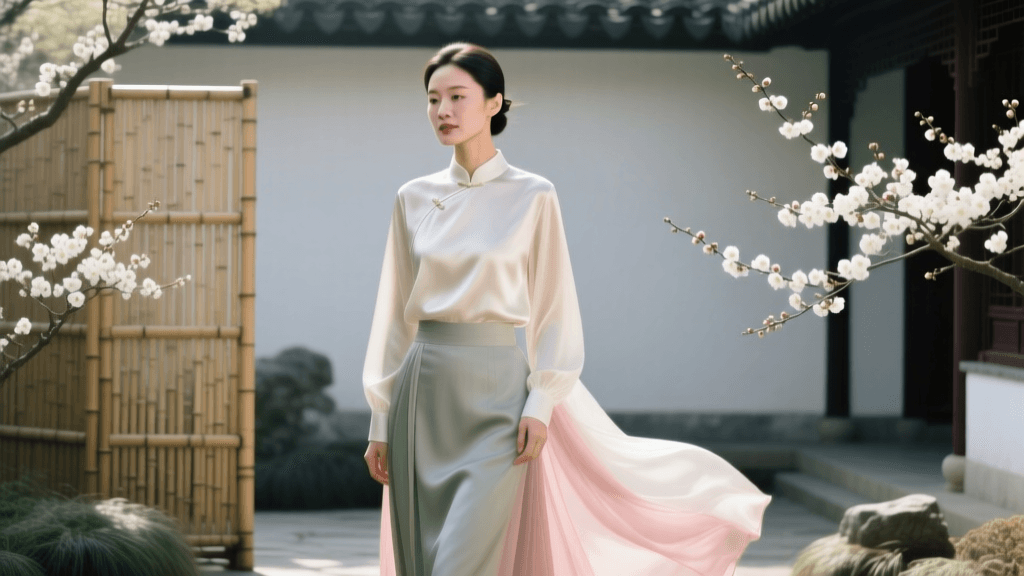
The cheongsam is famous for its form-fitting cut, high mandarin collar, and asymmetric front fastening secured by intricate pankou (knotted buttons). The side slits, originally designed for mobility on horseback, now provide a subtle, elegant ease of movement for the modern wearer.2026 Trends and Innovations
The 2026 cheongsam scene in Shanghai, Singapore, and New York is defined by 'neo-bespoke' tailoring. Tailors now use 3D body scanning to achieve a flawless, comfortable fit without the restrictive nature of mid-century cuts. Sustainable Xiangyunsha (mud silk) and bamboo-silk blends are highly sought after for their temperature-regulating properties. A master-tailored cheongsam in 2026 requires at least three fittings and costs between $1,500 and $4,500, reflecting the intense hand-embroidery and precise pattern drafting involved.2026 Comparison Chart: Kimono vs. Hanbok vs. Cheongsam
| Feature | Japanese Kimono | Korean Hanbok | Chinese Cheongsam (Qipao) |
|---|---|---|---|
| Silhouette | Cylindrical, T-shaped, layered | Voluminous skirt, fitted short jacket | Form-fitting, column-like, tailored |
| Fastening Method | Obi (wide sash) and ties | Otgoreum (chest bow) and skirt ties | Pankou (knotted buttons) and hidden zippers |
| Mobility | Restricted; requires small, gliding steps | High; wide skirt allows free movement | Moderate; side slits aid walking |
| 2026 Avg. Bespoke Cost | $3,500 - $8,000+ | $900 - $2,800 | $1,500 - $4,500 |
| Best Formal Occasion | Traditional weddings, tea ceremonies, state dinners | Holidays, modern weddings, cultural galas | Cocktail parties, red carpets, formal banquets |
Practical Buying, Sizing, and Styling Advice for 2026
When investing in any of these garments this year, understanding the nuances of fit and styling is crucial.Sizing and Tailoring
- Kimono: Traditional kimonos are cut from single bolts of fabric (tanmono) and are meant to be tailored to the wearer's height and hip width. In 2026, many rental and purchase boutiques offer adjustable inner linings to accommodate a wider range of body types without altering the antique outer shell.
- Hanbok: The jeogori should fit snugly across the shoulders but allow the baerae sleeves to drape naturally. The chima sits high, just under the bust, making it an incredibly forgiving and comfortable option for various body shapes.
- Cheongsam: The hallmark of a good qipao is the fit across the bust, waist, and hips. Ensure your tailor leaves a slight ease (about 1-2 cm) in the waist to allow for sitting and dining comfortably, a common oversight in fast-fashion imitations.