Decoding Kimono Fashion and Motifs in Ukiyo-e Art
The Intersection of Woodblock Prints and Textile Art
During the Edo period (1615–1868), Japan experienced an unprecedented cultural and economic boom, giving rise to the vibrant urban culture known as the "floating world" or ukiyo. At the heart of this cultural explosion was the ukiyo-e woodblock print, an art form that served not only as entertainment but as the era's premier fashion magazine. Long before the advent of modern glossy publications, ukiyo-e artists like Kitagawa Utamaro, Suzuki Harunobu, and Utagawa Hiroshige documented the rapidly evolving trends in Japanese street fashion, theater, and the pleasure quarters. For modern textile enthusiasts and art collectors, understanding the garments depicted in these prints offers a masterclass in historical Japanese aesthetics, dyeing techniques, and socio-economic history.
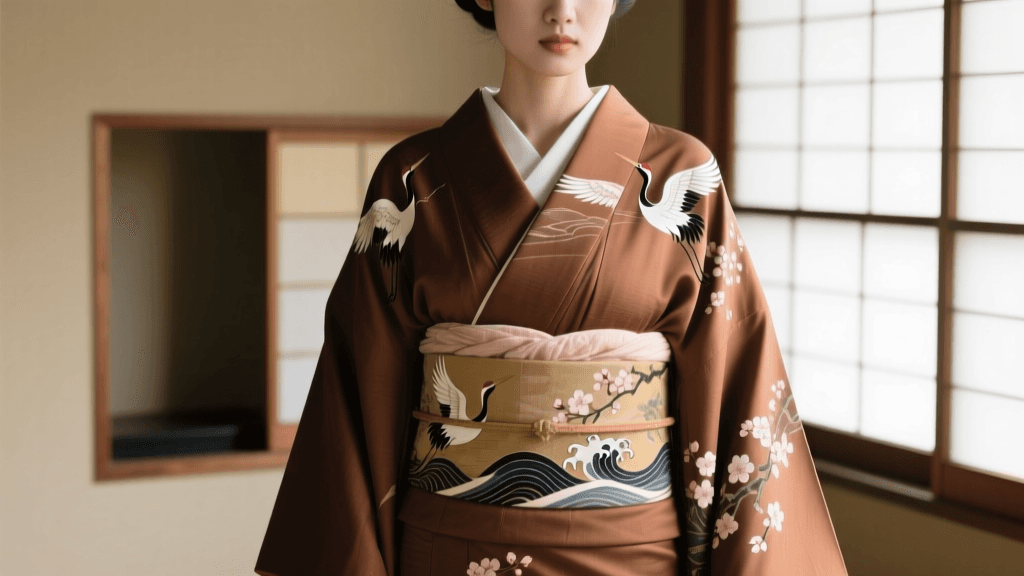
The primary garment depicted in these works is the kosode, the direct ancestor of the modern kimono. According to the Metropolitan Museum of Art's Heilbrunn Timeline of Art History, the kosode transitioned from an undergarment worn by the aristocracy in the Heian period to the primary outer garment for all classes by the Edo period. Ukiyo-e prints provide a vital visual record of this evolution, capturing the intricate yuzen dyeing, shibori tie-dyeing, and elaborate embroidery that transformed simple silk into canvases of profound artistic expression.
Sumptuary Laws and the Birth of Iki
To truly decode the fashion in ukiyo-e, one must understand the strict socio-political climate of the Tokugawa shogunate. The government frequently enacted sumptuary laws designed to curb the conspicuous consumption of the wealthy merchant class (chonin). These laws dictated everything from the permitted colors and fabrics to the maximum cost of a single garment. However, the merchant class, possessing vast wealth but restricted social mobility, found ingenious ways to circumvent these regulations.
This cat-and-mouse game birthed the sophisticated aesthetic ideal known as iki (or tsu). Iki championed understated elegance, subtle refinement, and hidden luxury. While the exterior of a kimono might be restricted to subdued stripes or dark, muted tones, the interior lining would feature explosively vibrant, hand-painted yuzen motifs. In ukiyo-e prints, artists often hinted at this hidden luxury by capturing a geisha adjusting her collar, briefly exposing a flash of crimson silk or a hidden tortoiseshell hairpin. This subtle rebellion against authority became the defining hallmark of Edo-period style.
Decoding Key Kimono Motifs in Woodblock Prints
The motifs painted onto the kosode in ukiyo-e were never merely decorative; they were deeply symbolic, conveying the wearer's age, marital status, season, and even their literary knowledge. When examining a print, look for the following foundational motifs:
- Sakura (Cherry Blossoms): Ubiquitous in spring prints, sakura represent the ephemeral nature of life and beauty. In prints by Utamaro, geisha are often depicted with sakura motifs to emphasize their fleeting youth and the transient nature of the pleasure quarters.
- Shochikubai (Pine, Bamboo, and Plum): Known as the "Three Friends of Winter," this trio symbolizes resilience, longevity, and prosperity. These motifs were frequently worn during the New Year and are often depicted in prints showing women preparing for seasonal celebrations.
- Seigaiha (Blue Ocean Waves): A geometric pattern of overlapping concentric circles representing waves. It signifies surges of good luck and power. Because it is a non-seasonal motif, it appears year-round in ukiyo-e, often rendered in deep indigo dyes.
- Yatsushi (Literary Allusions): High-ranking courtesans (oiran) were expected to be well-versed in classical literature. Their kimono often featured subtle visual puns or scenes from The Tale of Genji or classical waka poetry, allowing them to signal their education to elite patrons.
- Kanoko Shibori (Fawn Spot Tie-Dye): Depicted as clusters of small, irregular white dots on a dyed background. Because authentic kanoko shibori was incredibly labor-intensive and frequently banned by sumptuary laws, ukiyo-e artists would carefully paint these dots to show the subject's immense wealth and defiance.
Chronology of the Kosode in Edo Period Art
The silhouette of the Japanese garment changed dramatically over the 250 years of the Edo period. The table below outlines the evolution of the kosode as documented through ukiyo-e woodblock prints, providing a timeline for collectors to date unlabeled artworks based on sartorial clues.
| Era / Period | Sleeve Style & Length | Obi (Sash) Width & Placement | Dominant Textile Techniques & Motifs |
|---|---|---|---|
| Early Edo (1615–1680s) | Short, wide sleeves; modest drop. | Narrow sash tied at the front or side. | Heavy embroidery, woven brocades, large-scale asymmetric motifs. |
| Genroku Era (1688–1704) | Sleeves begin to lengthen for unmarried women. | Slightly wider, tied in simple knots at the front. | Rise of yuzen dyeing; pictorial landscapes and narrative scenes. |
| Middle Edo (1750s–1800) | Long, swinging sleeves (furisode) for youth. | Wider obi moving toward the back; elaborate knots. | Intricate shibori, gold leaf application, refined iki aesthetics. |
| Late Edo (1800–1868) | Standardized sleeve lengths based on age/status. | Very wide, stiff obi tied exclusively at the back. | Mass-produced stencils (kata-yuzen), micro-patterns (komon). |
As noted by textile historians at the Metropolitan Museum of Art, the shift from front-tied obi to back-tied obi in the late 18th century fundamentally changed the visual composition of ukiyo-e prints, forcing artists to focus more heavily on the sweeping back panels of the kimono and the intricate hair ornaments (kanzashi) of their subjects.
A Practical Guide for Art Collectors and Enthusiasts
For those looking to acquire, preserve, or study ukiyo-e prints featuring historical kimono, understanding the physical and market realities of these artworks is essential. The intersection of art collection and textile history requires specific actionable knowledge regarding sizing, authentication, and conservation.
1. Understanding Print Sizes and Formats
Ukiyo-e prints were produced on standard-sized handmade washi paper. Recognizing these sizes helps in dating and authenticating a piece:
- Oban: The most common large format, measuring approximately 15 x 10 inches (39 x 26 cm). Most full-length portraits of beauties (bijin-ga) and actors were printed in this size to allow for intricate textile detailing.
- Chuban: A medium format, roughly 10 x 7 inches (26 x 19 cm). Often used for landscapes or more intimate, close-up portraits.
- Hashira-e: Narrow "pillar prints" measuring about 28 x 5 inches (73 x 12 cm), designed to be hung on the wooden pillars of traditional Japanese homes. These often feature vertical, cascading kimono motifs.
2. Market Valuation and Collecting Costs
The market for ukiyo-e is highly stratified based on the artist, the condition, and whether the print is an early "first edition" impression. A late-Edo print by a student of the Utagawa school, featuring standard kimono patterns, can be acquired for $150 to $400. However, a pristine, first-edition bijin-ga by Kitagawa Utamaro, where the delicate shibori patterns and bokashi (color gradation) are perfectly preserved, can command prices ranging from $10,000 to over $50,000 at major auction houses. Always look for the publisher's seal and the censor's seal, which are critical for dating the print to a specific year and verifying its authenticity.
3. Archival Preservation and Framing
Edo-period washi paper and the organic vegetable dyes used in ukiyo-e are highly susceptible to light damage and acid burn. If you are framing a print for display, you must adhere to strict museum-grade conservation standards:
- Glazing: Never use standard glass. Invest in UV-filtering acrylic (such as Optium Museum Acrylic), which blocks 99% of harmful ultraviolet rays and is shatter-resistant. Expect to pay a premium of $150–$300 for custom-cut UV acrylic.
- Matting: The print must never touch the glazing. Use 100% cotton rag mat boards that are completely acid-free and lignin-free. Avoid cheap wood-pulp mats, which will off-gas and cause the paper to yellow and become brittle.
- Hinging: Do not use commercial tapes or adhesives. The print should be attached to the backing board using reversible Japanese kozo paper hinges and wheat starch paste.
- Environment: Display the artwork in a room with a stable relative humidity of 40%–50% and keep it away from direct sunlight or harsh incandescent lighting to prevent the delicate reds and purples (often derived from safflower and gromwell root) from fading to brown.
Conclusion
Ukiyo-e woodblock prints are far more than beautiful historical artifacts; they are meticulous archives of Japanese textile innovation and socio-cultural rebellion. By learning to decode the subtle language of kimono motifs, the impact of sumptuary laws, and the evolution of the kosode silhouette, collectors and enthusiasts can unlock a deeper narrative hidden within the "floating world." Whether you are studying the digital archives of global museums or framing a rare oban print for your private collection, the garments depicted in these prints continue to offer endless inspiration for the world of traditional Asian fashion.
For further academic research on the evolution of Japanese woodblock prints and their cultural context, the Metropolitan Museum of Art's comprehensive overview of Ukiyo-e remains an indispensable resource for understanding how these masterpieces shaped global art and fashion history.