Yukata vs Jinbei: The 2026 Summer Casual Wear Guide
Introduction to Japanese Summer Garments
Summer in Japan is a season of vibrant energy, characterized by the humid embrace of the rainy season giving way to the dazzling spectacles of fireworks displays (hanabi taikai) and neighborhood Bon Odori dances. As we navigate the summer of 2026, the choice of attire for these events remains deeply rooted in tradition, yet continually evolves with modern textile innovations. For both locals and international travelers, the two most prominent garments defining the season are the yukata and the jinbei. While both serve the essential purpose of keeping the wearer cool in the sweltering heat, they occupy distinctly different spaces in terms of formality, construction, and cultural context.
Understanding the nuances between these two garments is essential for anyone looking to participate authentically in Japanese summer culture. In this comprehensive 2026 guide, we will break down the history, styling, modern fabric trends, and appropriate occasions for both the yukata and the jinbei, ensuring you are perfectly dressed for every summer matsuri (festival).
The Yukata: Elegance in Breathable Cotton
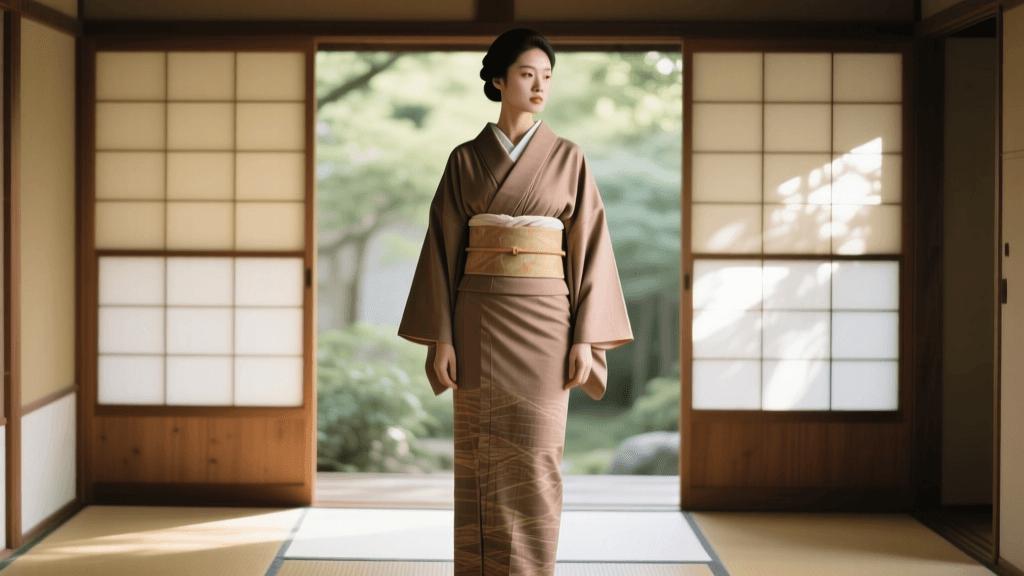
The yukata is a lightweight, unlined kimono traditionally made from cotton or hemp. Historically, it originated in the Heian period as a bathing robe for nobility, but by the Edo period, it had transformed into the everyday summer wear for commoners. Today, the yukata is the undisputed champion of summer festival fashion. According to The Metropolitan Museum of Art's historical timeline of the kimono, the evolution of the yukata from a private bathrobe to a public-facing garment mirrors the rise of the merchant class and the flourishing of urban festival culture in Japan.
Construction and Styling in 2026
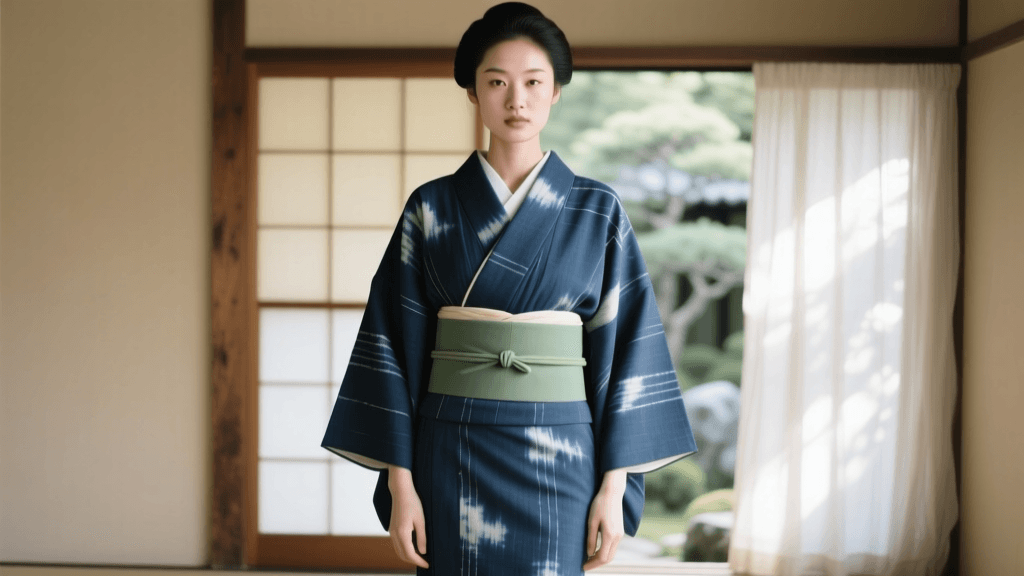
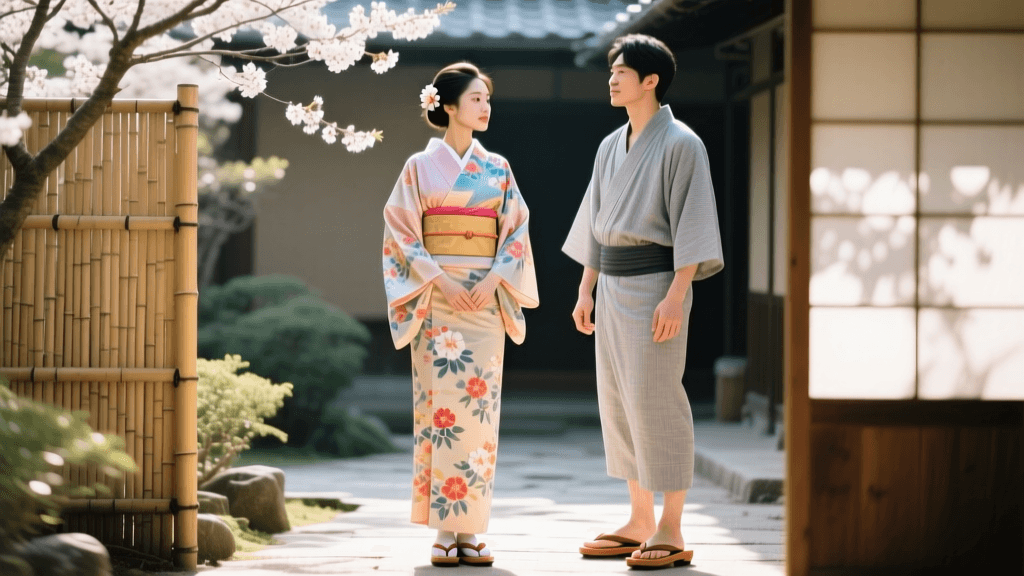
A yukata is a single-piece, T-shaped garment that wraps around the body, left side over the right (the reverse is strictly reserved for dressing the deceased). It is secured with an obi (sash). For women, a hanhaba-obi (half-width obi) is the standard for casual summer wear, often tied in a bunko (bow) knot at the back. Men typically wear a kaku-obi (stiff, narrow sash) tied in a simple knot at the hips or waist.
In 2026, the yukata market has seen a massive surge in 'wash-and-wear' synthetic-cotton blends and advanced cooling technologies. Brands are now integrating moisture-wicking threads into traditional seersucker weaves (shijira-ori), allowing wearers to stay dry even in the peak humidity of August. Furthermore, pre-tied obi belts with hidden hooks have become the industry standard for beginners, eliminating the steep learning curve of traditional obi-tying.
The Jinbei: Ultimate Casual Comfort
If the yukata is the elegant ambassador of summer, the jinbei is its laid-back, hardworking counterpart. The jinbei is a two-piece garment consisting of a short-sleeved, side-vented top and a pair of matching shorts. Originally worn by Buddhist monks and samurai as indoor loungewear or sleepwear, the jinbei eventually trickled down to the working class as practical outdoor attire for hot days.
Modern Appeal and Design
Unlike the yukata, the jinbei requires no obi. The top is secured by tying two sets of strings at the right side of the waist, while the shorts feature a simple drawstring or elastic waistband. This makes the jinbei incredibly easy to put on and take off. While historically dominated by men and children, the 2026 summer season has seen a massive boom in women's jinbei sets, featuring elegant floral prints, lace trims, and even matching hair accessories.
Because it is a two-piece garment, the jinbei allows for a much greater range of motion. It is the garment of choice for carrying portable shrines (mikoshi), running local errands, or simply lounging on the engawa (wooden veranda) with a cold glass of mugicha (barley tea).
Head-to-Head Comparison: Yukata vs. Jinbei
To help you decide which garment to pack or purchase for your 2026 summer itinerary, we have compiled a detailed comparison chart outlining the core differences between the two.
| Feature | Yukata | Jinbei |
|---|---|---|
| Formality | Semi-casual to Smart-casual | Strictly Casual / Loungewear |
| Construction | One-piece wrap garment | Two-piece (top and shorts) |
| Fastening | Obi (sash) and koshi-himo (ties) | Integrated fabric strings and drawstrings |
| Range of Motion | Restricted (narrow stride) | Unrestricted (ideal for active movement) |
| Typical Price (2026) | ¥8,000 - ¥25,000 ($55 - $170 USD) | ¥3,000 - ¥8,000 ($20 - $55 USD) |
| Footwear Pairing | Geta (wooden clogs) or Zori | Barefoot, sports sandals, or simple slides |
| Best Occasion | Fireworks, dates, major temple festivals | Local Bon Odori, neighborhood errands, home |
Occasion Guide: Where to Wear What
Wearing the correct garment for the correct setting is a subtle but important aspect of Japanese cultural etiquette. Here is a breakdown of where each garment shines.
Major Fireworks Festivals and Shrine Matsuri
For grand events like the Sumida River Fireworks Festival in Tokyo or the Gion Matsuri in Kyoto, the yukata is the undisputed choice. These events are highly social, often involving dates, professional photography, and strolling through beautifully illuminated food stalls (yatai). The sweeping silhouette of a yukata elevates the experience, turning a simple evening out into a memorable cultural event.
Neighborhood Bon Odori and Local Gatherings
Bon Odori are traditional summer dances held in local parks and school grounds to honor the spirits of ancestors. Because these dances involve repetitive, sometimes vigorous arm and leg movements, a jinbei is highly recommended. The unrestricted shorts and breathable top allow you to join the dancing circle without worrying about your obi coming undone or your hem dragging in the dirt.
Ryokan (Traditional Inn) Stays
When staying at a ryokan, you will typically be provided with both garments. The standard practice in 2026 remains unchanged: wear the provided yukata to the communal dining room for your multi-course kaiseki dinner, and change into the jinbei (or the thicker samue, depending on the season) for lounging in your room, visiting the onsen, or eating a casual breakfast.
Pro Tip for 2026 Travelers: Never wear a ryokan-provided yukata outside the immediate vicinity of the inn or into major city centers. It is considered a faux pas, akin to wearing a hotel bathrobe to a shopping mall. Invest in your own personal yukata for city exploration.
Footwear and Accessories
The garments themselves are only half the equation. Proper accessorizing completes the look and ensures practical comfort.
Yukata Accessories
- Geta: Traditional wooden clogs. In 2026, many brands offer geta with rubberized teeth for better grip on wet pavement and foam-padded thongs to prevent blisters.
- Kinchaku: A drawstring bag made of cotton or rattan, perfect for holding a smartphone, wallet, and handkerchief.
- Uchiwa or Sensu: A rigid round fan (uchiwa) or folding fan (sensu) is both a practical cooling tool and a stylish prop for photographs.
- Kanzashi: Decorative hairpins, often featuring seasonal motifs like morning glories or goldfish, worn by women to elevate the hairstyle.
Jinbei Accessories
- Sports Sandals: While bare feet in simple rubber slides are common, the 2026 streetwear trend heavily favors pairing jinbei with rugged sports sandals (like Teva or Suicoke) and split-toe (tabi) socks for a modern, utilitarian aesthetic.
- Tote Bags: A simple canvas tote or a woven bamboo basket bag complements the relaxed vibe of the jinbei perfectly.
2026 Fabric Innovations and Sustainability
The textile industry in Japan has made significant strides in sustainability over the last few years. When shopping for your summer garments this year, look for certifications indicating organic cotton or recycled fibers. The Victoria and Albert Museum's extensive archive on kimono and yukata culture notes that while traditional craftsmanship remains highly revered, the integration of eco-conscious materials is the most significant shift in modern Japanese textile production.
One of the most exciting developments for 2026 is the widespread availability of cooling-tech yukata. Woven with specialized xylitol-infused threads, these garments actively lower the surface temperature of the skin by reacting with sweat. For travelers unaccustomed to the intense Japanese humidity, investing in a cooling-tech yukata is a game-changer that bridges the gap between traditional aesthetics and modern comfort.
Sizing and Fit Guide
Unlike Western clothing, traditional Japanese garments do not rely on complex tailoring to fit the body; instead, they rely on wrapping and tying. However, understanding the basic sizing metrics is crucial when purchasing online or in-store.
Yukata Sizing: The most critical measurement is the mitake (body length). Ideally, the yukata should reach your ankles when the hem is folded up at the waist (a fold known as the ohashori). Most ready-made yukata come in standard lengths (around 130cm for women, 140cm for men). If you are significantly taller or shorter, you may need to seek out specialized tall/petite brands, which have become much more prevalent in the 2026 market.
Jinbei Sizing: Jinbei follow standard Western sizing (S, M, L, XL). Because the top is meant to be loose and the shorts feature an adjustable drawstring, the fit is highly forgiving. When in doubt, size up for a more relaxed, breathable fit, which is the intended silhouette of the garment.
Care and Maintenance
Gone are the days when all traditional Japanese garments required expensive professional dry cleaning. The vast majority of modern yukata and jinbei sold in 2026 are designed for easy home care.
- Washing: Fold the garment neatly and place it inside a fine mesh laundry bag. Use a gentle cycle with cold water and a neutral pH detergent. Avoid bleach, as it can strip the vibrant indigo and floral dyes.
- Drying: Never use a tumble dryer, as the high heat can shrink the cotton and warp the seams. Instead, hang the garment in the shade. The weight of the wet cotton will naturally pull out most wrinkles.
- Storage: Once completely dry, fold the garment along its original seam lines. Store it flat in a drawer with a natural desiccant packet to prevent mildew during the humid months.
Conclusion
Whether you opt for the sweeping elegance of a yukata to watch the summer fireworks, or the effortless comfort of a jinbei to dance the night away at a local Bon Odori, both garments offer a profound connection to Japanese culture. As you prepare for your 2026 summer adventures, remember that the true beauty of these garments lies not just in their textiles, but in the joy and community they foster. For further reading on the broader context of Japanese attire, Japan Guide's comprehensive overview of traditional Japanese clothing remains an excellent resource for travelers. Embrace the season, respect the traditions, and enjoy the unparalleled magic of a Japanese summer.