Xin Zhongshi Wardrobe Guide 2026: Authentic Fabrics & Modern Styling
The Maturation of Xin Zhongshi in 2026
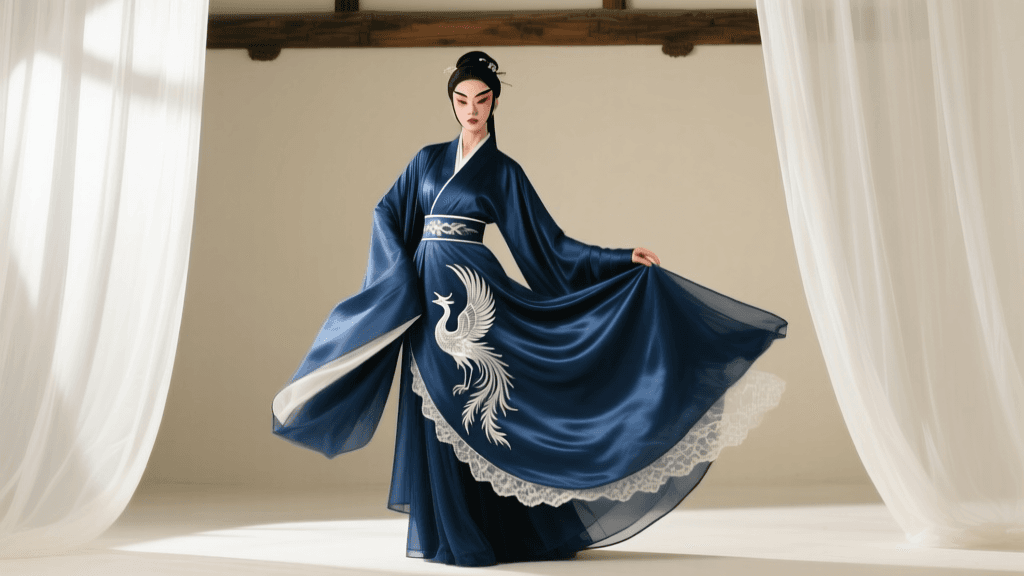
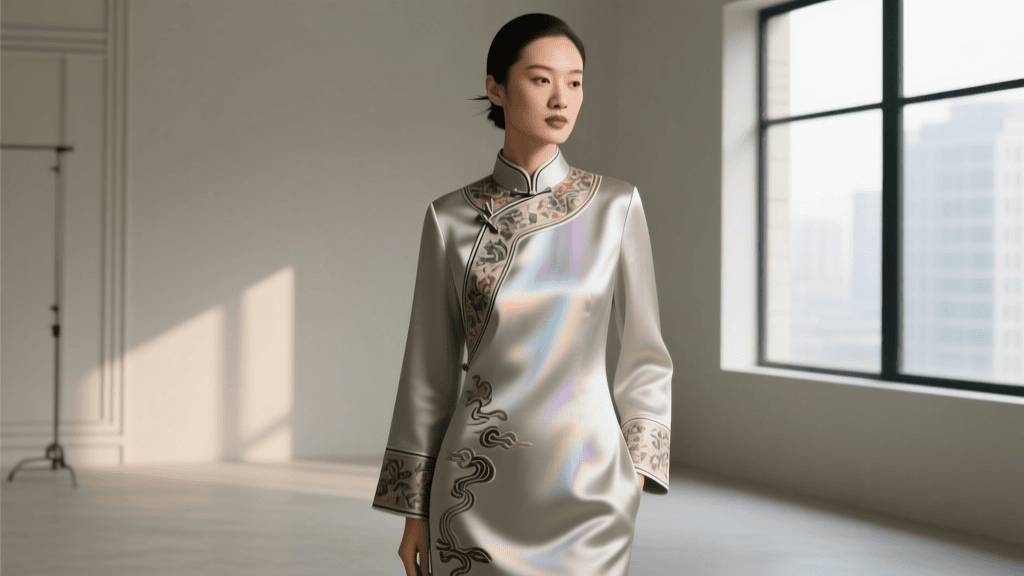
The Xin Zhongshi (新中式), or 'New Chinese Style,' movement has fundamentally matured by 2026. No longer confined to niche subcultures, costume replicas, or fleeting social media trends, it has cemented itself as a sophisticated, everyday sartorial choice that bridges centuries of heritage with contemporary urban life. Unlike the strict historical accuracy demanded by the Hanfu movement, Xin Zhongshi prioritizes the integration of traditional Chinese aesthetics—such as Mandarin collars, pankou (frog buttons), and heritage textiles—into modern, functional silhouettes. As we navigate the 2026 fashion landscape, the focus has shifted decisively toward fabric authenticity, artisanal craftsmanship, and sustainable sourcing.
Building a premium Xin Zhongshi capsule wardrobe requires a discerning eye. The market is currently saturated with fast-fashion knockoffs that mimic the look of heritage garments but lack the structural integrity and cultural depth of authentic pieces. This deep dive will equip you with the knowledge to identify genuine heritage textiles, understand modern tailoring adaptations, and properly care for your investments.
Core Heritage Fabrics: Beyond the Basics
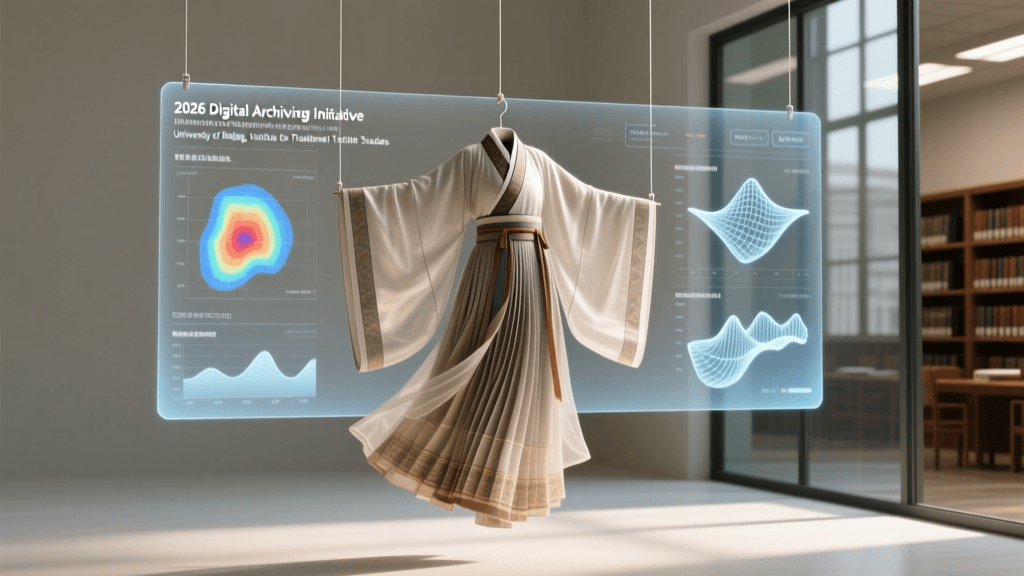
The foundation of any authentic Xin Zhongshi wardrobe lies in its textiles. According to the UNESCO Intangible Cultural Heritage registry, the traditional sericulture and silk craftsmanship of China encompass centuries of complex weaving and dyeing techniques that are currently experiencing a massive renaissance in modern design studios.
Xiangyunsha (Gambiered Guangdong Silk)
Often referred to as 'soft gold,' Xiangyunsha is one of the most prized and expensive silks in the world. Originating from the Pearl River Delta, its creation is a grueling, highly specialized process. Pure silk is repeatedly dipped in the astringent juice of the Dioscorea cirrhosa (shoulang) tuber and then coated with iron-rich river mud. The chemical reaction between the tannins in the plant juice and the iron in the mud creates a unique, dual-toned fabric: a glossy, dark brown or black on one side, and a matte, earthy terracotta on the other.
In 2026, authentic Xiangyunsha is highly sought after for lightweight summer jackets, wide-leg trousers, and modified Mamianqun (horse-face skirts). When shopping, listen for the distinctive 'cracking' sound the fabric makes when rubbed together—a hallmark of the mud-coating process. Genuine Xiangyunsha will also feature subtle, natural irregularities in the dye, whereas synthetic imitations will appear uniformly flat and lack the characteristic acoustic friction.
Song Brocade (Songjin)
While Xiangyunsha excels in fluid drape, Song Brocade provides the structural backbone for tailored Xin Zhongshi outerwear. Originating in the Song Dynasty, this textile is celebrated for its matte finish, understated elegance, and complex geometric or floral jacquard weaves. Unlike the highly reflective and ornate Shu or Yun brocades, Song Brocade's subdued luster makes it exceptionally well-suited for modern office wear and evening blazers.
The Metropolitan Museum of Art notes that the historical evolution of Chinese silk weaving placed a heavy emphasis on the structural integrity of the warp and weft. Modern 2026 iterations of Song Brocade often blend traditional mulberry silk with a small percentage of metallic threads or high-tenacity rayon to improve durability and reduce wrinkling, making it a practical choice for structured Mandarin-collar blazers and A-line midi skirts.
2026 Fabric Comparison Chart
| Fabric Type | Drape & Weight | Best Garment Application | 2026 Avg. Cost (per meter) | Care Complexity |
|---|---|---|---|---|
| Xiangyunsha | Fluid, crisp, lightweight | Summer blouses, wide-leg trousers, flowing skirts | 800 - 1,500 RMB | High (Requires pH-neutral wash) |
| Song Brocade | Structured, medium-heavy, matte | Tailored blazers, structured vests, A-line skirts | 400 - 900 RMB | Medium (Dry clean recommended) |
| Xiangyunsha (Cotton-blend) | Soft, breathable, medium | Everyday shirts, casual tea jackets | 200 - 400 RMB | Low (Machine washable on gentle) |
| Traditional Xiangyunsha (Heritage-grade) | Stiff, sculptural, heavy | Ceremonial outerwear, statement coats | 2,000+ RMB | Very High (Professional artisan care only) |
Modern Silhouettes and Tailoring Adaptations
The true genius of the 2026 Xin Zhongshi movement is not just in the fabric, but in the architectural adaptation of historical silhouettes for the modern human body. Traditional Chinese garments relied heavily on flat-cutting (二维裁剪), which creates a boxy, forgiving shape that drapes over the body rather than contouring to it. Modern Xin Zhongshi merges this with Western 3D tailoring.
The Modified Mamianqun (Horse-Face Skirt)
The Mamianqun remains the undisputed centerpiece of the Xin Zhongshi wardrobe. However, the 2026 office-appropriate versions have undergone significant modifications. Traditional skirts featured deep, 10-centimeter pleats that added considerable volume to the hips. Modern iterations utilize heat-set pleating technology on lightweight wool-blends or Xiangyunsha, reducing the pleat width to a sleek 3 to 4 centimeters. This creates a streamlined, column-like silhouette that pairs perfectly with a tucked-in silk blouse or a fitted turtleneck.
The Structured Mandarin Collar Blazer
Drawing inspiration from the Zhongshan suit (Mao suit) and traditional Changshan, the modern Mandarin collar blazer eliminates the lapel entirely, opting for a clean, band-collar neckline. In 2026, the most premium versions feature hidden plackets (concealed button fronts) and subtle, tonal Song Brocade panels on the inner lining or cuffs. The shoulders are softly padded to provide a contemporary power-silhouette, while the functional pankou (frog buttons) are often replaced with minimalist magnetic closures or carved jade toggles for a cleaner aesthetic.
Sourcing and Authenticity Verification
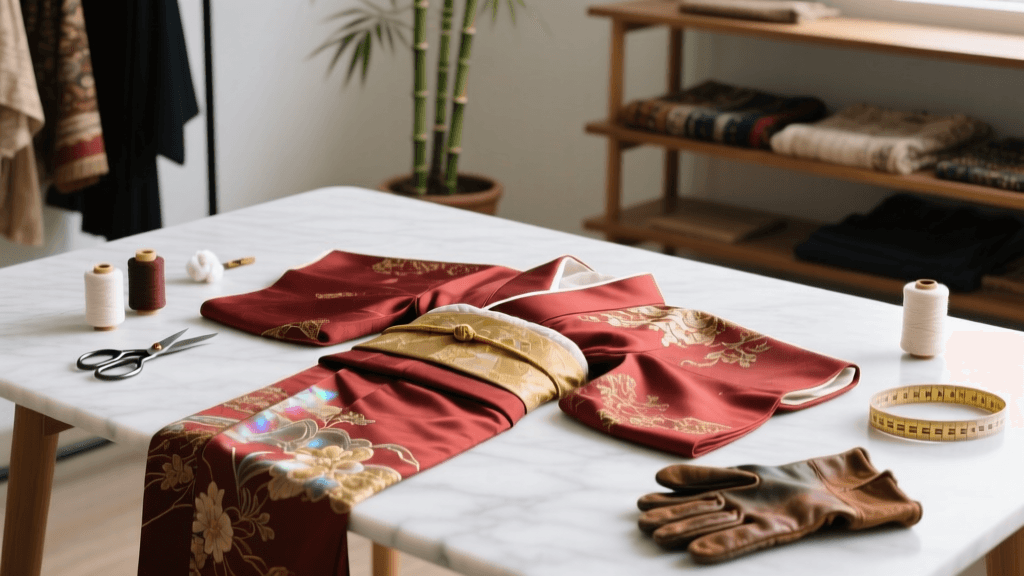
As demand has surged, so has the prevalence of synthetic alternatives. When sourcing authentic Xin Zhongshi pieces in 2026, look for the following markers of quality:
- Intangible Cultural Heritage (ICH) Labels: Reputable brands working with master weavers will display official provincial or national ICH certification tags, particularly for Xiangyunsha and Song Brocade.
- Flat-Cut Seams: Authentic traditional garments utilize minimal shoulder seams and wide, straight armholes. If a garment claims to be traditional but features highly contoured, Western-style armholes and princess seams, it is a modern hybrid (which is acceptable for Xin Zhongshi, but should be priced accordingly).
- Hardware Quality: Genuine pieces will use carved bone, jade, or solid brass for toggles and buttons. Avoid pieces with plastic, mass-cast alloy pankou knots, which will tarnish and break quickly.
Care and Maintenance Protocols
Heritage textiles require meticulous care to maintain their structural integrity and visual depth. The mud-coating on Xiangyunsha is particularly sensitive to alkaline substances.
Washing Xiangyunsha
Never use standard laundry detergents, as their high pH will strip the iron-tannin coating, causing the fabric to fade and lose its water-resistant properties. Use a specialized, pH-neutral silk wash or even a mild baby shampoo. Wash by hand in cold water (below 30°C) for no more than three minutes. Do not wring the fabric; instead, roll it in a clean, dry towel to absorb excess moisture and hang it to dry in a heavily shaded, well-ventilated area. Direct sunlight will cause the shoulang dye to oxidize and turn brittle.
Storing Song Brocade
Because Song Brocade features complex, raised jacquard weaves, it is prone to snagging and crushing. Store these garments on wide, padded wooden hangers to support the shoulder structure. Never fold Song Brocade outerwear for long-term storage, as the metallic or rayon threads woven into the silk can develop permanent crease marks. Use breathable cotton garment bags, avoiding plastic covers which can trap humidity and promote mildew growth on the natural silk proteins.
Conclusion
The Xin Zhongshi movement of 2026 represents a profound cultural renaissance, moving beyond mere aesthetic appropriation into a deep, respectful integration of Chinese textile history. By investing in authentic Xiangyunsha and Song Brocade, and understanding the nuances of modern tailoring adaptations, you are not just building a wardrobe; you are participating in the living preservation of Asian sartorial traditions. Approach your selections with patience, prioritize artisanal craftsmanship over fast-fashion trends, and your Xin Zhongshi capsule will serve as a timeless, elegant testament to heritage design.