Japanese Traditional Garments 2026: Full Style Guide
The Renaissance of Japanese Traditional Garments in 2026
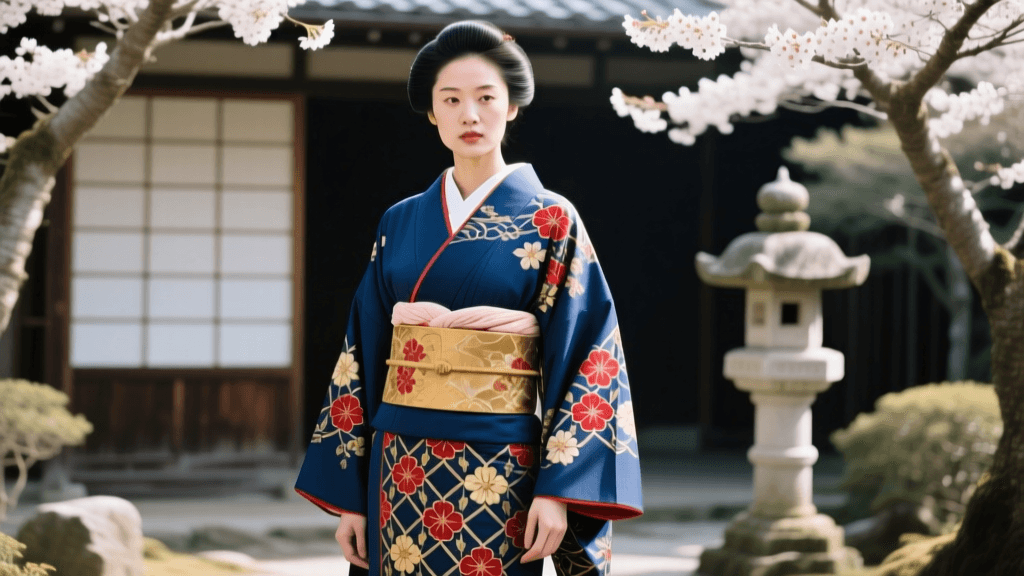
As we navigate the global fashion landscape of 2026, the intersection of heritage craftsmanship and contemporary wardrobes has never been more vibrant. The modern consumer's shift toward sustainable, slow fashion has propelled traditional Japanese garments—namely the kimono, haori, and hakama—from ceremonial relics into highly sought-after staples of global style. According to the Ministry of Economy, Trade and Industry (METI), the international export of designated traditional Japanese crafts, including premium silk textiles and natural indigo dyes, has seen a steady year-over-year growth, driven by a new generation of designers who honor ancestral techniques while adapting them for modern mobility.
Wearing traditional Japanese clothing is not merely a sartorial choice; it is a profound sensory and spiritual experience. Rooted in Zen philosophy, the silhouette of the kimono embraces the concept of Ma (negative space). Unlike Western tailoring, which cuts fabric to conform to the body's three-dimensional curves, the kimono is constructed from straight, linear bolts of fabric. This creates a two-dimensional canvas that drapes elegantly, allowing the wearer's movements to give the garment its final shape. The sensory experience is equally captivating: the subtle rustle of silk (known as kinu-oto), the cooling touch of summer ramie, and the grounding weight of a formal brocade obi all contribute to a mindful, embodied practice of dressing.
Core Garments: Kimono, Haori, and Hakama Breakdown
Understanding the hierarchy, formality, and function of traditional Japanese clothing is essential for authentic styling in 2026. Whether you are attending a formal tea ceremony in Kyoto or integrating a vintage haori into a minimalist streetwear ensemble in New York, knowing the distinctions between garment types ensures both respect for tradition and aesthetic harmony.
| Garment Type | Formality Level | 2026 Average Price (USD) | Ideal Occasion |
|---|---|---|---|
| Komon (Small Pattern) | Casual / Everyday | $120 - $350 | Tea ceremonies, casual outings, gallery visits |
| Tsukesage | Semi-Formal | $400 - $850 | Weddings (guest), graduation ceremonies |
| Homongi | Formal | $900 - $2,500 | Tea parties, formal dinners, cultural festivals |
| Tomesode | Ultra-Formal | $1,500 - $5,000+ | Weddings (close relatives), state functions |
| Haori (Jacket) | Variable | $80 - $600 | Layering over kimono or modern streetwear |
| Hakama (Pleated Skirt) | Formal / Martial | $150 - $800 | Graduations, martial arts, shrine rituals |
The Kimono: Silhouettes and Modern Textiles
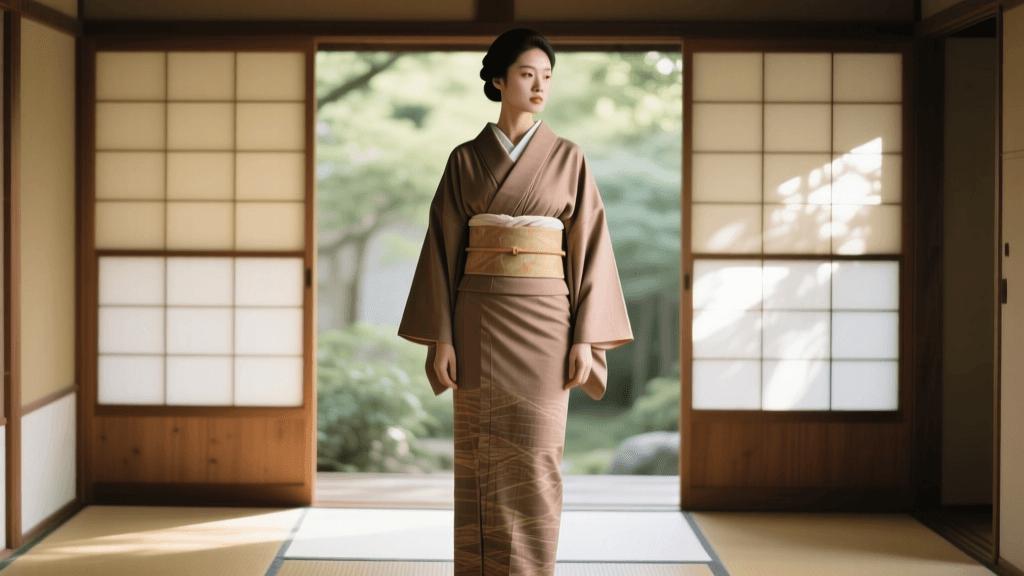
The kimono remains the cornerstone of Japanese traditional fashion. In 2026, the most exciting developments are occurring in the realm of textile innovation and sustainable sourcing. While vintage silk kimonos from the mid-20th century are highly prized for their unique patinas and intricate yuzen dyeing, contemporary weavers are increasingly utilizing organic cottons and recycled silk blends for everyday Komon wear. The Victoria and Albert Museum notes that the kimono's T-shaped structure has historically influenced global fashion houses, and today's independent designers are continuing this dialogue by pairing traditional kimono silhouettes with modern, washable textiles, making the garment accessible for daily urban commuting.
The Haori: Layering for Zen Minimalism
The haori is a hip- or thigh-length jacket worn over the kimono. In 2026, the haori has transcended its traditional boundaries to become a favorite layering piece in global minimalist and avant-garde wardrobes. Worn open, it provides a striking vertical line that elongates the figure. The interior lining of a haori, known as the hakkake, is often where the wearer expresses hidden luxury or personal taste, featuring vibrant, hand-painted scenes or bold geometric patterns that contrast with a subdued exterior. This juxtaposition perfectly encapsulates the Zen aesthetic of understated exterior complexity and rich interior depth.
Hakama: Formality and Movement
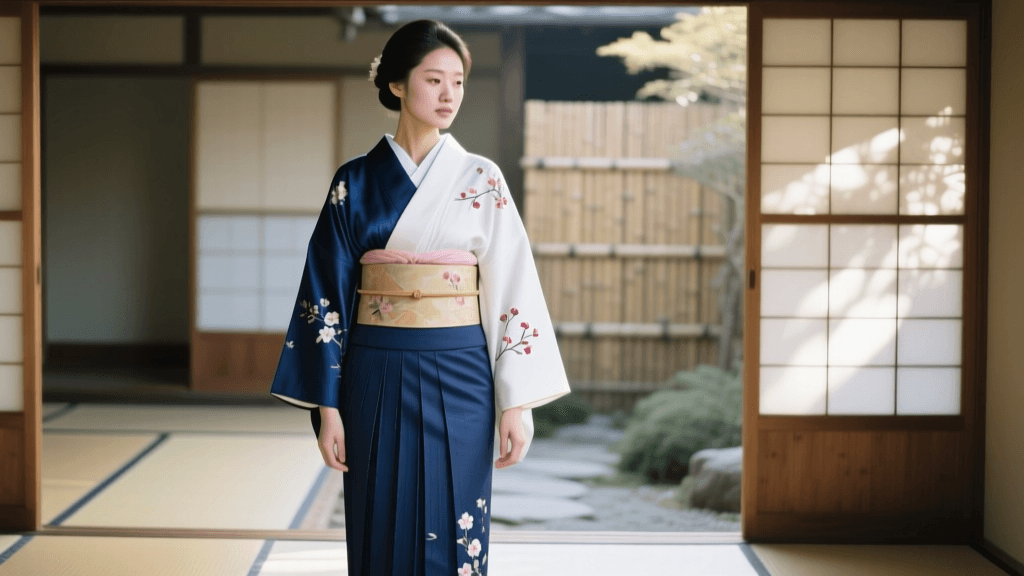
The hakama is a pleated, divided skirt (or undivided tube skirt for women) worn over the kimono. Characterized by its seven deep pleats—representing the seven virtues of the samurai—the hakama commands a sense of gravity and respect. In contemporary settings, women frequently wear a solid-colored hakama over a patterned kimono for university graduation ceremonies, while men don striped sendaihira hakama for weddings and formal tea gatherings. The structural rigidity of the hakama forces a mindful, gliding gait, inherently altering the wearer's posture and spatial awareness.
Weaving Methods and Sustainable Sourcing
The soul of Japanese traditional fashion lies in its regional weaving and dyeing techniques, many of which are protected as Intangible Cultural Properties. As the fashion industry grapples with environmental impact in 2026, these heritage methods offer a blueprint for sustainability.
- Nishijin-ori (Kyoto): A complex brocade weaving technique where threads are dyed before weaving. Known for its opulent, three-dimensional patterns, Nishijin-ori is primarily used for high-end obi (sashes). In 2026, artisan cooperatives are introducing lighter, more flexible Nishijin weaves suitable for modern haori jackets.
- Yuki-tsumugi (Ibaraki/Tochigi): A highly prized, lightweight silk fabric woven from hand-spun silk floss. The process is incredibly labor-intensive, resulting in a fabric that is remarkably warm, breathable, and softens beautifully with age. A genuine Yuki-tsumugi kimono is an investment piece, often passed down through generations.
- Ojiya-chijimi (Niigata): A ramie linen fabric characterized by its distinctive crinkled texture (shibo). Created through a meticulous process of ice-snow bleaching (yukisarashi), this textile is the ultimate summer garment, offering unparalleled cooling properties and a crisp, tactile sensory experience.
Life Stages and Educational Milestones
Traditional garments are deeply intertwined with the Japanese life cycle, marking transitions with visual splendor. The Shichi-Go-San festival celebrates children at the ages of three, five, and seven. At this stage, children wear miniature, vibrant kimonos, often adorned with protective motifs like cranes and pine trees. The Seijin no Hi (Coming of Age Day) at age 20 is another pivotal moment, where young women don the furisode—a kimono with dramatically long, swinging sleeves that signify youth and unmarried status. According to The Metropolitan Museum of Art, the sleeve length and motif placement on a furisode are strictly codified, serving as a visual language of social standing and life stage. Understanding these life-stage markers is crucial for anyone studying or collecting Japanese textiles, as the sleeve length and crest (mon) count immediately reveal the garment's intended purpose and the wearer's historical context.
Footwear and Accessories: Tabi and Zori in Contemporary Design
No traditional Japanese ensemble is complete without the proper footwear. The tabi (split-toe sock) and zori (flat sandal) or geta (wooden clog) are essential for grounding the outfit. In 2026, traditional footwear has seen a surge in ergonomic innovations. Kyoto-based cobblers are now crafting zori with high-density EVA foam inserts concealed beneath traditional tatami or brocade covers, providing the necessary arch support for navigating modern concrete landscapes while maintaining an authentic silhouette. The split-toe design of the tabi, originally created to accommodate the thong of the sandal, has also been widely adopted by modern athletic and avant-garde footwear brands, proving the enduring functional brilliance of Japanese design.
Care, Preservation, and the Art of Tansu
Preserving silk and natural fibers requires dedication and specific environmental controls. The traditional method of storing kimonos involves the tansu, a wooden chest ideally crafted from Paulownia wood (kiri). Paulownia is naturally fire-resistant, moisture-regulating, and repels insects, making it the perfect microclimate for delicate textiles. In 2026, while climate-controlled wardrobes are common, the practice of mushiboshi (airing out garments) remains a vital seasonal ritual. During the dry, crisp days of late autumn, collectors and wearers unfold their kimonos, allowing the fabrics to breathe and releasing the faint, nostalgic scent of camphor and aged silk. This act of preservation is not merely maintenance; it is a meditative practice of honoring the artisans, the materials, and the memories woven into every thread of the garment.