Japanese Traditional Garments: Kimono, Yukata & Hakama Guide 2026
The Renaissance of Japanese Traditional Garments in 2026
As we navigate through 2026, the global appreciation for Japanese traditional garments has reached unprecedented heights. No longer confined to historical exhibitions or strictly domestic ceremonies, garments like the kimono, yukata, and hakama are being embraced by a new generation of international enthusiasts, textile collectors, and sustainable fashion advocates. This resurgence is driven by a desire for slow fashion, artisanal craftsmanship, and a deep respect for cultural heritage. Whether you are attending a summer matsuri (festival), a formal tea ceremony, or simply looking to invest in a piece of wearable art, understanding the nuances of Japanese dress is essential. According to the Victoria and Albert Museum, the kimono is not merely a historical artifact but a dynamic, living garment that continues to evolve while maintaining its foundational T-shaped silhouette. This comprehensive guide will break down the core types of Japanese garments, provide a modern sizing framework, and offer actionable advice on sourcing and caring for these textiles in 2026.
Deconstructing the Core Garments: Kimono, Yukata, and Hakama
Kimono: The Formal Standard
The word 'kimono' literally translates to 'thing to wear' (ki = wear, mono = thing). While it serves as a catch-all term for traditional Japanese clothing in the West, in Japan, it specifically refers to the formal, multi-layered silk garments worn for significant life events. The kimono is characterized by its straight seams, wide sleeves, and the intricate obi (sash) used to secure it. In 2026, the most sought-after varieties include the Furisode (featuring long, swinging sleeves worn by unmarried women for coming-of-age ceremonies) and the Houmongi (a visiting kimono with continuous patterns that flow across the seams, suitable for married and unmarried women alike). The construction of a genuine kimono involves no cutting of the fabric to fit curves; instead, the garment is wrapped and folded to accommodate the wearer's body, making it inherently size-inclusive and highly adaptable.
Yukata: The Summer Essential
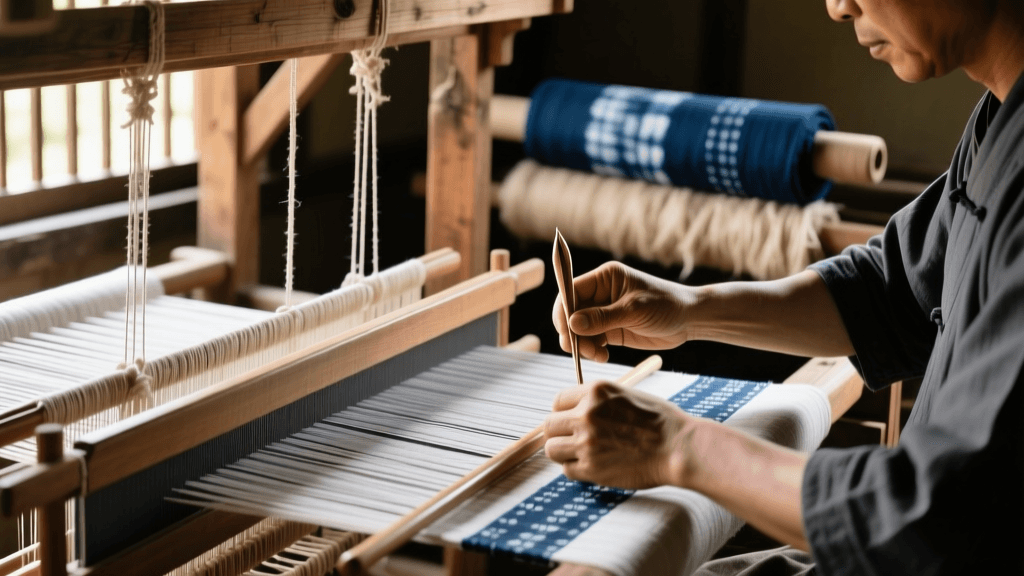
Originally worn as a lightweight bathing robe by the Heian-period nobility, the yukata has evolved into the quintessential summer garment for all genders. Unlike the formal kimono, the yukata is unlined and traditionally made from breathable cotton or modern cotton-blend fabrics. It is worn directly over basic undergarments, bypassing the need for the formal juban (under-kimono). In 2026, contemporary yukata designs have expanded dramatically, featuring everything from traditional indigo-dyed shibori patterns to bold, modern geometric prints. The yukata is secured with a simpler, narrower obi, often tied in a casual bunko (bow) knot, and is paired with geta (wooden clogs) rather than the formal zori sandals.
Hakama: Ceremonial and Martial Elegance
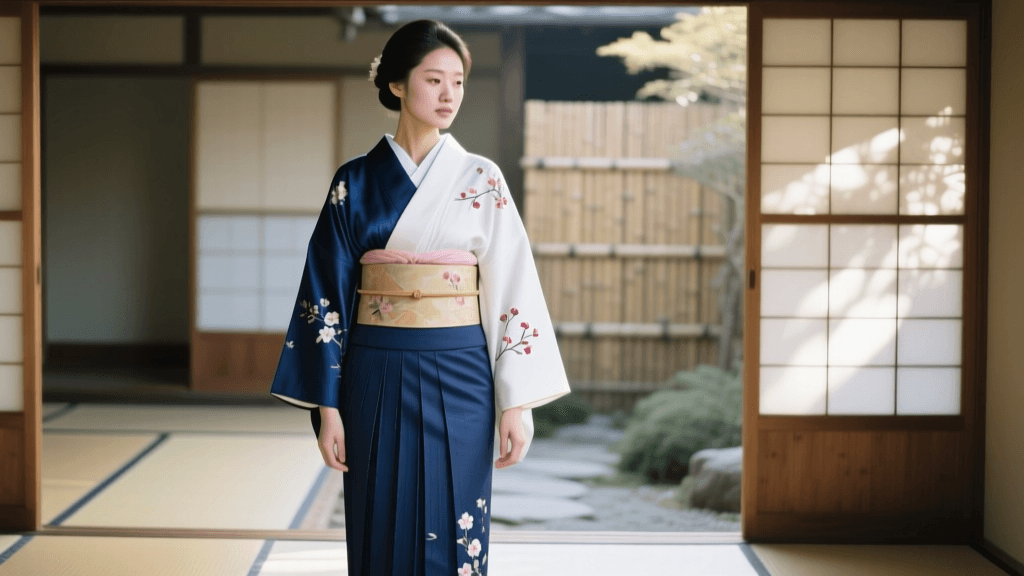
Hakama are pleated, wide-leg trousers worn over a kimono. Historically reserved for samurai and the upper echelons of society to protect their legs while riding horses, today they are worn by both men and women for specific ceremonial and martial purposes. There are two main types: umanori (divided, resembling culottes) and andon (undivided, resembling a wide skirt). In modern Japan, women frequently wear hakama over a kimono for university graduation ceremonies, while men wear them for weddings, tea ceremonies, and martial arts like Kendo and Aikido. The hakama features five deep pleats in the front and two in the back, symbolizing the Confucian virtues, and is secured with long, stiff ties that wrap around the waist.
Essential Components and Accessories
Wearing traditional Japanese garments requires a specific ecosystem of undergarments and accessories. Understanding these components is crucial for anyone looking to dress authentically in 2026:
- Juban (Undergarment): A thin kimono worn beneath the main garment to protect the expensive silk from body oils and sweat. The collar of the juban (called the han-eri) is visible at the neckline.
- Koshihimo: Long, thin cotton ties used to secure the kimono and juban in place before the decorative obi is applied.
- Obi: The wide sash that secures the kimono. Formal obi (like the maru obi or fukuro obi) are heavily brocaded, stiff, and can cost more than the kimono itself.
- Obijime and Obidome: A decorative cord (obijime) tied over the obi to keep it secure, often fastened with a small, ornamental clasp (obidome).
- Tabi and Zori: Split-toe socks (tabi) worn with traditional sandals (zori for formal wear, geta for casual wear).
2026 Sizing and Fit Guide
Unlike Western clothing, which is tailored to bust, waist, and hip measurements, traditional Japanese garments are primarily sized by height and the length of the back seam (mitake). Because the garment is wrapped and folded, width is rarely an issue; the primary concern is ensuring the hem falls correctly at the ankle. The Metropolitan Museum of Art notes that while historical garments were often custom-tailored to the individual, modern retail and vintage markets rely heavily on standardized height-based sizing. When shopping online in 2026, always check the 'back seam length' measurement.
| Garment Type | Ideal Wearer Height | Standard Back Seam Length | Sleeve / Style Notes |
|---|---|---|---|
| Standard Kimono | 155cm - 165cm (5'1" - 5'5") | 160cm (63") | Tomesode / Komon standard sleeves |
| Tall Kimono | 165cm - 175cm (5'5" - 5'9") | 170cm (67") | Often requires custom folding at the waist |
| Furisode | 155cm - 165cm | 160cm (63") | Long swinging sleeves (100cm+ drop) |
| Yukata | 155cm - 165cm | 160cm (63") | Shorter, manageable sleeves for summer |
| Hakama | Varies (Sized S, M, L, LL) | Measured Waist to Ankle | Worn over a standard or short kimono |
Sourcing Authentic Garments: Market Trends and Pricing in 2026
The market for authentic Japanese garments in 2026 is robust, divided primarily into vintage (recycle) markets and modern artisan commissions. Due to the aging population in Japan and the shift toward Western daily wear, thousands of high-quality, mid-century silk kimono enter the secondary market every year.
Vintage and Recycle Shops: For beginners and textile lovers, vintage is the most accessible route. In 2026, a standard vintage silk Komon (everyday patterned kimono) in excellent condition can be sourced from Japanese online exporters for between $40 and $150 USD. Vintage Haori (kimono jackets), which are incredibly popular for modern casual styling over jeans or dresses, typically range from $60 to $200 USD. However, buyers must be vigilant about checking for 'shimi' (age spots) and 'yake' (sun fading), which are common in older silks.
Modern Artisan and Bespoke: For those seeking brand-new, custom-tailored garments, the investment is significant. A modern, bespoke silk kimono from a renowned weaving region like Nishijin (Kyoto) or Yuki (Ibaraki) starts around $2,500 USD and can easily exceed $10,000 USD for hand-painted Yuzen or intricate Tsumugi silk. In 2026, there is also a growing market for 'washable silk' and high-tech synthetic blends designed for easy maintenance without sacrificing the drape and luster of traditional textiles.
Modern Care, Washing, and Storage
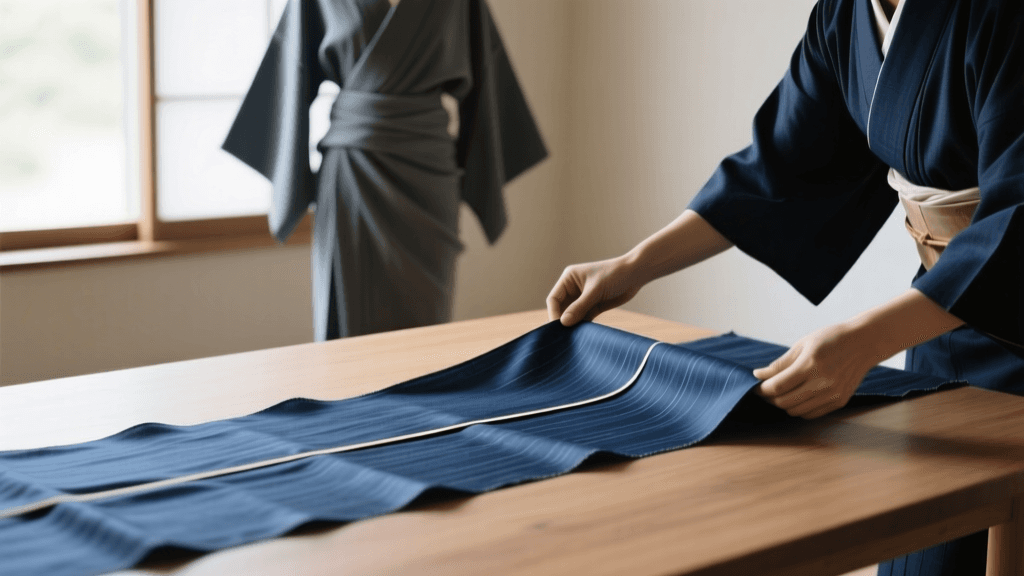
Proper care is paramount to preserving the structural integrity and vibrancy of Japanese garments. The golden rule for silk kimono is to avoid water and home washing machines entirely.
- Cleaning: Silk garments should be spot-cleaned with a damp cloth for minor surface dust. For deeper cleaning, they must be taken to a specialist who performs maru-arai (a traditional dry-cleaning process using specialized solvents that protect the silk fibers and metallic threads). For cotton yukata, gentle hand washing in cold water with a neutral pH detergent is acceptable in 2026, followed by air drying in the shade to prevent UV fading.
- Airing Out: After wearing a silk kimono, it should be hung on a wide, specialized kimono hanger (emonkake) in a well-ventilated, shaded room for 24 to 48 hours to allow moisture and odors to dissipate before folding.
- Storage: Never store silk kimono on wire or narrow plastic hangers for long periods, as this will permanently distort the shoulder seams. They must be folded along their original seam lines and stored flat. Wrap the folded garment in tatoushi (specialized acid-free, breathable paper). Avoid storing silk in cedar chests without a protective barrier, as the natural oils and acidity in cedar can cause severe yellowing and staining on delicate silk over time.
Conclusion
Navigating the world of Japanese traditional garments is a rewarding journey into one of the world's most sophisticated textile histories. Whether you are draping a breathable cotton yukata for a summer evening, tying the pleated hakama for a martial arts demonstration, or investing in a vintage silk kimono to preserve a piece of art, understanding the proper sizing, sourcing, and care ensures these garments will survive for generations. As the global community continues to embrace sustainable and culturally rich fashion in 2026, the kimono, yukata, and hakama stand as testaments to the enduring beauty of Japanese craftsmanship.