Edo Period Kosode: History, Evolution, and Modern Styling Guide
The Shift from Heian Layers to Edo Practicality
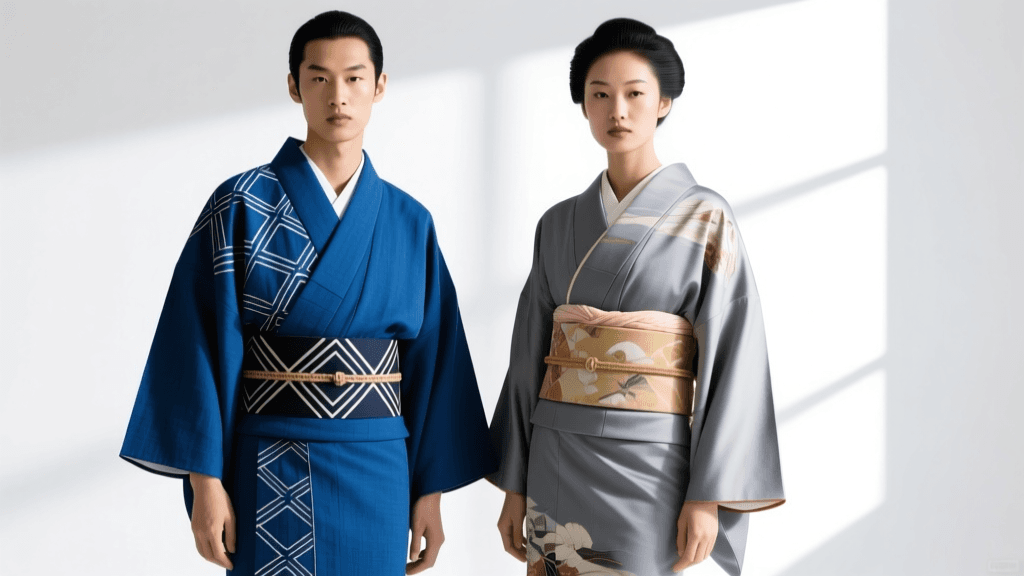
When exploring the rich tapestry of traditional Japanese clothing, the Edo period (1603–1867) stands out as a transformative era that birthed the silhouette we recognize today as the modern kimono. Prior to this, during the Heian period (794–1185), aristocratic fashion was dominated by the junihitoe, a cumbersome ensemble of up to twelve layered silk robes. However, the rise of the samurai class and the subsequent establishment of the Tokugawa shogunate brought about a need for more practical, mobile garments. The kosode—literally translating to "small sleeves" due to its narrow wrist openings compared to earlier court garments—transitioned from an undergarment to the primary outerwear for both men and women across all social strata.
According to the Victoria and Albert Museum's historical overview of the kimono, the relative peace and economic prosperity of the Edo period allowed the merchant class (chonin) to amass wealth, leading to a booming urban culture centered in Edo (modern-day Tokyo), Kyoto, and Osaka. This economic shift democratized fashion, moving it out of the exclusive purview of the imperial court and into the bustling streets of the merchant districts.
Sumptuary Laws and the Birth of Iki
As the merchant class began displaying their newfound wealth through ostentatious silk kosode and lavish gold-leaf embroidery, the Tokugawa shogunate enacted strict sumptuary laws (ken'yakurei). These edicts dictated who could wear what, heavily restricting the lower classes from wearing expensive fabrics, vibrant dyes, or conspicuous patterns. Rather than stifling fashion, these laws catalyzed a sophisticated aesthetic rebellion known as iki (subdued, understated elegance).
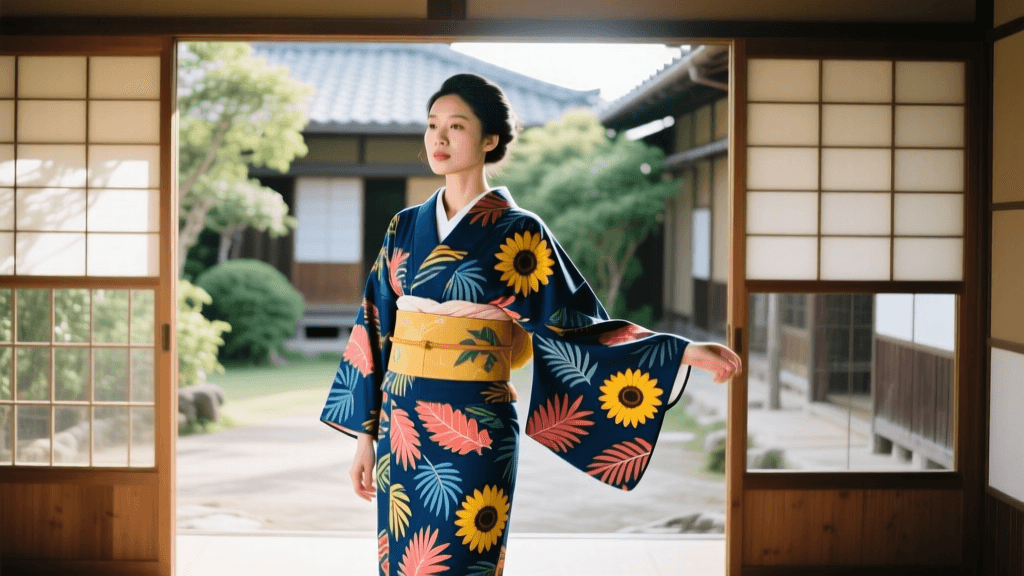
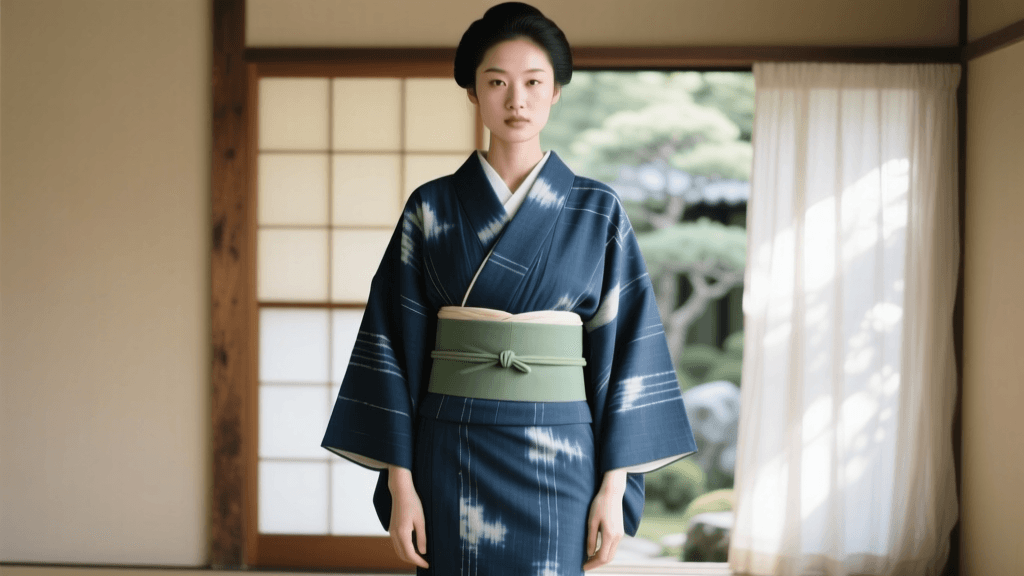
Merchants circumvented the laws by wearing kosode with plain, dark, and modest outer fabrics—such as deep indigo or charcoal tsumugi (pongee silk)—while lining the garments with incredibly expensive, vibrantly dyed silks featuring hidden, intricate patterns. This concept of "hidden luxury" remains deeply embedded in Japanese fashion today, most notably visible in the modern haori jacket, which often features a plain exterior and a breathtaking, hand-painted interior lining.
Anatomy of the Edo Kosode vs. Modern Kimono
While the terms "kosode" and "kimono" are often used interchangeably in Western contexts, structural differences exist between the historical Edo garment and its modern counterpart. The modern kimono, standardized during the Meiji period (1868–1912) and the Taisho era (1912–1926), features specific proportions designed to accommodate the ohashori—the deep fold taken at the waist to adjust the garment's length. In contrast, the Edo kosode was generally cut shorter and worn closer to the ankle, especially by working-class women, without the deep, bulky waist fold.
| Feature | Edo Period Kosode (1603–1867) | Modern Kimono (Post-Meiji) |
|---|---|---|
| Sleeve Opening | Small (Kosode), typically 15–20cm wide | Varies; Tomesode (small), Furisode (long) |
| Body Length | Shorter, often worn without deep ohashori | Long, cut to height x 0.8, folded at waist |
| Obi Width | Evolved from 5cm cords to 25cm+ sashes | Standardized at 31cm (Fukuro/Maru obi) |
| Obi Placement | Front, side, or back (depending on era/class) | Strictly tied at the back for women |
| Primary Fabric | Chirimen (crepe silk), Tsumugi (pongee) | Chirimen, Rinzu (satin), Ro (summer gauze) |
The Evolution of the Obi: From Cord to Canvas
The most dramatic sartorial shift during the Edo period was the transformation of the obi. In the early 17th century, the obi was merely a functional, narrow braided cord (approximately 5 to 8 centimeters wide) used to keep the kosode closed. However, during the Genroku era (1688–1704), a time of immense cultural flourishing, the obi began to widen. As noted in the Kimono: Kyoto to Catwalk exhibition archives, the introduction of the maru obi—a heavily brocaded, double-width sash—turned the obi into a primary canvas for artistic expression.
By the late Edo period, the obi had reached widths of over 30 centimeters. The placement of the knot also shifted; while early Edo women tied their obi in the front or on the side (which allowed for easier adjustment and was practical for working women), the late Edo period saw the knot move exclusively to the back. This shift was partly driven by the desire to display the expansive, intricate Nishijin-ori (Kyoto brocade) patterns woven into the sash, and partly by the increasing size of the knots, which simply became too cumbersome to wear in the front.
Practical Guide: Sourcing and Styling Edo-Inspired Garments Today
For collectors and enthusiasts looking to incorporate historical Japanese garments into a modern wardrobe, understanding measurements, costs, and timing is crucial. True Edo-period textiles are incredibly fragile and mostly reside in museums. However, late Taisho (1912–1926) and early Showa (1926–1989) vintage kimono often mimic the bold, dramatic Yuzen-dyeing styles and heavier silk weights of the late Edo period.
Measurements and Fit
- Standard Modern Kimono: Cut to roughly 80% of the wearer's height. A 165cm tall woman requires a kimono length of about 130cm, allowing for a 20cm ohashori fold.
- Vintage/Historical Cuts: Often shorter in the body and wider in the sleeves. If you purchase a vintage piece with a back length (mitake) of 115cm, it is best worn in the "ankle-baring" Edo working-class style, omitting the ohashori fold entirely and pairing it with a narrower, vintage-style hoso-obi (narrow obi, approx. 15cm wide).
Cost Expectations
- Vintage Silk Kosode/Kimono: $80 to $350 USD, depending on condition and the presence of hand-painted Yuzen-zome motifs.
- Modern Nishijin-ori Fukuro Obi: $400 to $2,500+ USD. These are the modern equivalents of the lavish Edo sashes, featuring real gold and silver leaf threads.
- Vintage Maru Obi: $150 to $500 USD. Extremely heavy and difficult to tie, but historically accurate for late Edo/Meiji formal wear.
Timing Your Purchase
If sourcing directly from Japan, the best times to find high-quality vintage garments are during the seasonal estate clear-outs in March and September. Additionally, visiting the Toji Temple Antique Market in Kyoto on the 21st of any month offers access to dozens of vintage textile dealers specializing in historical cuts and obi.
Tying the Edo-Style Bunko Musubi
The Bunko musubi (bow knot) was highly popular among young, unmarried women in the late Edo period. It remains one of the most practical and historically resonant knots you can tie today using a standard 31cm x 4.5m Fukuro obi or a 15cm x 3.5m Hoso-obi.
- Preparation: Wrap the obi around your waist twice, ensuring the pattern is centered on your back. Pull the left side (the tedo) slightly shorter than the right side (the tare).
- The Core Knot: Cross the longer tare end over the shorter tedo end at the center of your back, pulling it tightly up and through the loop to secure the base.
- Forming the Bow: Fold the longer tare end into an accordion-style pleat to create the "wings" of the bow. Pinch the center tightly.
- Securing: Take the shorter tedo end and wrap it tightly around the pinched center of your bow. Tuck the excess fabric securely into the top of the obi wrap.
- Finishing: Use an obi-jime (decorative braided cord) to tie over the center of the bow, locking the structure in place and adding a final layer of Edo-inspired elegance.
Conclusion
The Edo period was not merely a historical epoch; it was the crucible in which the modern Japanese aesthetic was forged. From the restrictive sumptuary laws that birthed the subtle elegance of iki, to the structural evolution of the obi, the kosode of the 17th to 19th centuries laid the groundwork for a garment that continues to captivate the world. By understanding these historical nuances, modern wearers can approach traditional Japanese fashion not just as a costume, but as a living, breathing continuation of a profound sartorial legacy. For further reading on preserving and wearing these garments, the Japan National Tourism Organization (JNTO) cultural guides offer excellent resources on contemporary kimono rental and cultural preservation efforts across Japan.