Yukata, Komon, and Homongi: 2026 Japanese Kimono Types Guide
The Enduring Elegance of Japanese Garments in 2026
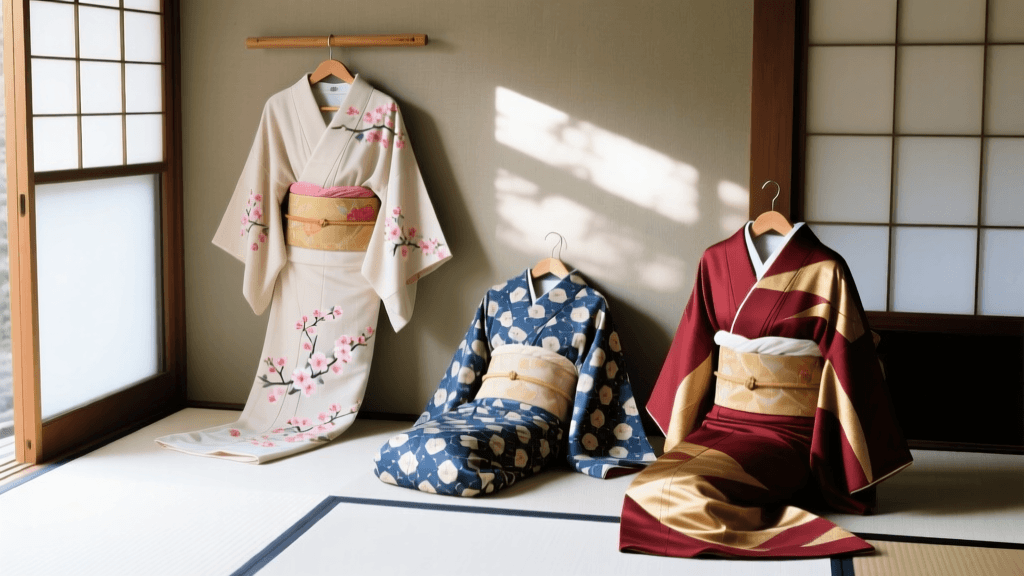
The Japanese kimono remains one of the most recognizable and culturally significant garments in the world. As we navigate through 2026, the intersection of traditional craftsmanship and contemporary fashion has created a vibrant renaissance for Japanese dress. Whether you are attending a summer festival in Kyoto, participating in a formal tea ceremony, or simply exploring the rich textile history of East Asia, understanding the distinct types of kimono is essential. This comprehensive guide breaks down the three most prominent categories of Japanese garments worn today: the casual yukata, the versatile komon, and the highly formal homongi. By mastering the nuances of these garments, you can confidently navigate the strict rules of Japanese sartorial etiquette while embracing modern 2026 styling trends.
Understanding the Hierarchy of Japanese Traditional Garments
The foundation of Japanese traditional dress relies heavily on the concept of TPO—Time, Place, and Occasion. Unlike Western formalwear, which often relies on the color black or specific suit cuts to denote formality, the Japanese kimono system uses a complex matrix of fabric type, pattern placement, dyeing technique, and family crest (kamon) inclusion to establish a garment's rank. According to the Metropolitan Museum of Art, the evolution of the kimono from the Heian period to the modern era reflects a deeply ingrained societal respect for harmony, seasonality, and social standing. In 2026, while the strictest Edo-period rules have relaxed slightly for international visitors and younger generations, the core hierarchy remains intact. Wearing a casual garment to a formal wedding is still considered a major faux pas, making it crucial to distinguish between the tiers of Japanese garments.
Yukata: The Breathable Summer Staple
The yukata is the most accessible and widely recognized Japanese garment, particularly during the humid summer months. Originally designed as a lightweight bathing robe for the nobility during the Heian period, the yukata evolved into the standard summer festival wear for all classes. In 2026, the yukata market has seen a massive surge in sustainable, organic cotton blends and innovative cooling textiles that honor traditional aesthetics while providing modern comfort. Unlike formal silk kimono, the yukata is unlined and made primarily of cotton, hemp, or synthetic cooling fibers.
It is worn directly over basic undergarments (hadajuban) and does not require the complex, stiff under-kimono (nagajuban) needed for silk garments. The patterns are often vibrant, featuring fireworks, morning glories, or geometric shapes. Styling a yukata in 2026 often involves pairing it with a versatile half-width obi (hanhaba obi) tied in a playful bow, and completing the look with wooden geta sandals and a woven bamboo bag. It is strictly reserved for casual outings, summer matsuri (festivals), fireworks displays, and relaxing at traditional ryokan inns.
Komon: The Versatile Everyday Patterned Kimono
Stepping up the formality ladder, we find the komon, which translates to 'fine pattern.' The komon is the quintessential everyday or semi-formal kimono, characterized by a repeating pattern that covers the entire garment. Unlike higher-tier formal kimono, the komon's pattern does not align at the seams, and it flows continuously without a specific directional focus. A highly prized subcategory is the Edo Komon, which features incredibly minute, dotted patterns that appear solid from a distance but reveal intricate geometric or nature-inspired motifs upon closer inspection.
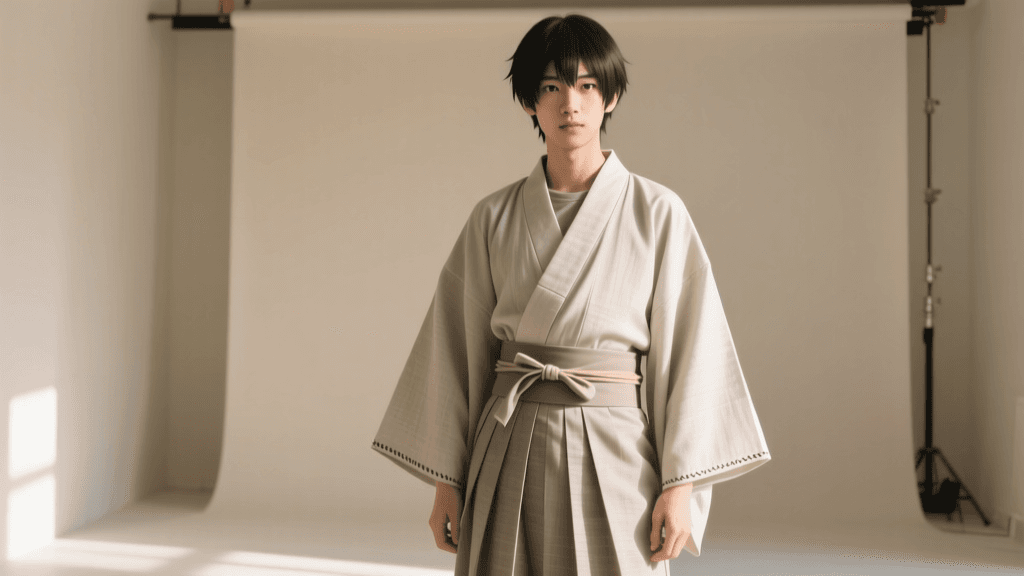
According to textile historians featured at the Victoria and Albert Museum, the Edo Komon originated in the samurai class as a way to display subtle wealth and adherence to strict sumptuary laws. In 2026, the komon is the go-to choice for theater visits, casual dining, graduation ceremonies (when paired with a formal hakama), and informal tea gatherings. It is typically made of silk or high-quality synthetic crepe (chirimen) and requires a full nagajuban underneath. The obi worn with a komon can range from a stylish Nagoya obi to a more formal fukuro obi, depending on the exact nature of the event.
Homongi: The Masterpiece of Visiting Formality
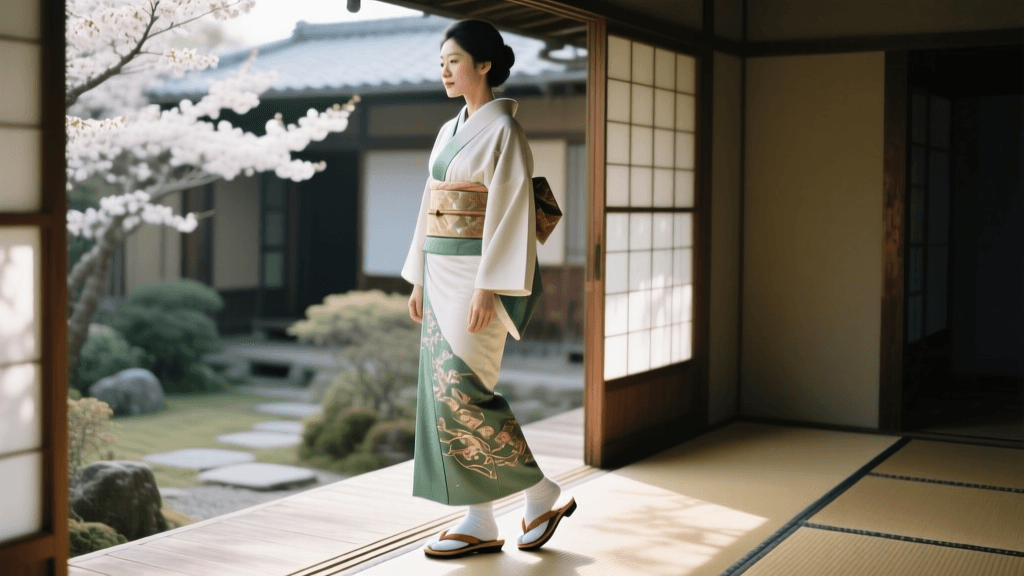
At the upper echelon of the kimono hierarchy sits the homongi, or 'visiting wear.' The homongi is a masterpiece of Japanese textile art, defined by its eba-moyo (picture pattern) technique. This means the design is dyed and painted across the fabric as a single, continuous canvas before the garment is cut and sewn. When the homongi is laid flat, the patterns align perfectly across the seams, creating a sweeping, asymmetrical landscape or floral motif that flows over the shoulders, down the sleeves, and across the lower hem.
The homongi is considered formal wear, suitable for weddings (as a guest), official tea ceremonies, award receptions, and high-class parties. In 2026, acquiring a new, hand-painted silk homongi is a significant investment, often costing between $2,500 and $8,000 USD, reflecting the hundreds of hours of artisanal yuzen dyeing and gold leaf application. It always features one to three family crests (kamon) on the back and sleeves, and is paired with a luxurious maru or fukuro obi woven with metallic threads.
2026 Comparison Chart: Yukata vs. Komon vs. Homongi
| Feature | Yukata | Komon | Homongi |
|---|---|---|---|
| Formality Level | Casual | Everyday / Semi-Formal | Formal |
| Primary Fabric | Cotton, Hemp, Cooling Blends | Silk, Chirimen (Crepe) | High-Grade Silk, Yuzen Dyed |
| Pattern Style | Repeating, Bold, Seasonal | Repeating, All-Over, Edo Dots | Eba-moyo (Continuous Canvas) |
| Undergarments | Hadajuban (Basic Slip) | Nagajuban (Full Under-Kimono) | Nagajuban (Full Under-Kimono) |
| Footwear | Geta (Wooden Clogs), Bare Feet | Zori, White Tabi Socks | Formal Zori, White Tabi Socks |
| Estimated 2026 Cost | $50 - $250 USD | $300 - $1,500 USD | $2,500 - $8,000+ USD |
Essential Accessories and Modern Styling for 2026
No kimono ensemble is complete without its intricate accessories, which also adhere to the TPO rules. The obi (sash) is the most critical component. For yukata, a hanhaba (half-width) obi is standard, often tied in creative, origami-like bows that have become highly popular on social media in 2026. For komon, a Nagoya obi—which is pre-folded and easier to tie into the classic taiko musubi (drum bow)—is the most practical choice. The homongi demands a fukuro obi, a wide, heavily brocaded sash that adds immense weight and grandeur to the silhouette.
The obijime (decorative cord) and obidome (brooch) offer a chance for personal expression. In 2026, we are seeing a surge in 3D-printed obidome and sustainably sourced silk obijime cords that incorporate subtle metallic threads. Footwear is equally important: bare feet or tabi-style socks are worn with geta for yukata, while pristine white tabi socks and formal zori sandals are mandatory for komon and homongi. The color of the zori straps and the base must complement, but not perfectly match, the obi to create a harmonious visual balance.
Garment Care and Preservation Techniques
Proper care is vital to maintaining the longevity of these garments, especially delicate silk pieces. The yukata is the easiest to maintain; most modern 2026 cotton yukatas are machine washable on a gentle cycle using a mesh laundry bag, though hand washing is preferred to preserve the indigo dyes. Komon and homongi, however, require specialized care. Traditional maru-arai (a full garment wash performed by skilled artisans who disassemble, wash, and re-sew the kimono) is still practiced but is expensive and time-consuming.
For minor stains, spot cleaning by a professional kimono dry cleaner is the standard approach. Storage is equally critical. High-end homongi should be stored in traditional kiri-bako (paulownia wood boxes), which naturally regulate humidity and repel insects. In 2026, many collectors are also utilizing climate-controlled smart wardrobes that monitor temperature and moisture levels to prevent mold and silk degradation. Always fold the kimono along its original seam lines using acid-free tissue paper to prevent permanent creasing and fiber stress.
Conclusion
Understanding the distinctions between the yukata, komon, and homongi is the key to unlocking the rich, expressive world of Japanese traditional garments. As we move through 2026, the kimono continues to be a living, breathing art form that respects its historical roots while adapting to the sensibilities of the modern wearer. Whether you are tying the simple cotton sash of a summer yukata or admiring the seamless, hand-painted landscapes of a silk homongi, you are participating in a centuries-old tradition of elegance, mindfulness, and profound cultural beauty.