Modern Kimono Layering and Footwear Styling Guide 2026
The Renaissance of Wafuku in 2026
As we navigate 2026, the global appreciation for wafuku (traditional Japanese clothing) has evolved far beyond mere ceremonial wear. Today, traditional Japanese fashion represents a profound intersection of heritage, Zen spirituality, and contemporary streetwear. Whether you are attending a formal tea ceremony, participating in a summer matsuri (festival), or integrating traditional textiles into a modern wardrobe, understanding the comprehensive anatomy of Japanese fashion is essential. This guide explores the intricate layering techniques, the prestigious Nishijin-ori weaving methods, and the critical role of traditional footwear in completing an authentic silhouette.
The Anatomy of Kimono Layering
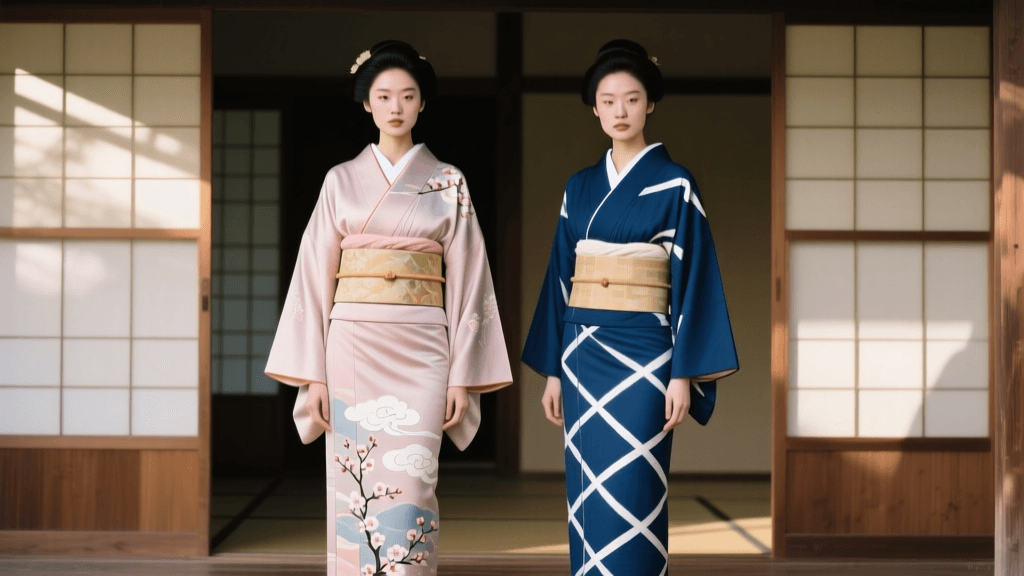
The foundation of any authentic kimono ensemble relies on precise layering, a practice rooted in the Heian period but adapted for modern comfort and climate control in 2026. Unlike Western clothing, which is tailored to the body's contours, the kimono is constructed from straight, rectangular cuts of fabric known as tanmono. The standard width of a tanmono bolt is approximately 14 inches (36 cm), dictating the unique wrapping and folding mechanics of the garment.
1. Hadajuban and Susoyoke
The innermost layer consists of the hadajuban (a thin, short-sleeved undergarment) and the susoyoke (a half-slip). In 2026, many enthusiasts opt for advanced breathable cotton-silk blends that offer the traditional sensory experience of silk against the skin while providing modern moisture-wicking properties. This base layer protects the outer, often more expensive, silk garments from oils and perspiration.
2. Nagajuban
The nagajuban is the primary under-kimono. It is typically made of silk or high-quality synthetic alternatives and features a detachable collar known as the han-eri. The han-eri is an excellent opportunity for subtle personalization; in 2026, embroidered and hand-painted han-eri featuring seasonal motifs—such as autumn maple leaves or spring cherry blossoms—are highly sought after. The nagajuban ensures that only the pristine edge of the collar is visible beneath the main kimono, maintaining the Zen aesthetic of deliberate restraint and negative space, or ma.
3. The Kimono and Obi
The outer layer is the kimono itself, secured by a series of ties (himo) and ultimately the obi (sash). The obi is not merely a belt but a structural centerpiece that dictates the formality of the outfit. For formal occasions, a fukuro obi (a double-width, heavily brocaded sash) is tied in elaborate knots like the otaiko musubi. For casual wear, a narrower hanhaba obi is preferred.
Nishijin-ori: The Pinnacle of Japanese Weaving
When discussing high-formality kimono and obi, one must explore Nishijin-ori, the legendary textile weaving tradition of Kyoto. According to the Metropolitan Museum of Art, the evolution of Japanese silk weaving reached extraordinary heights in the Nishijin district, where artisans have produced opulent, multi-layered brocades for centuries. Nishijin-ori is characterized by its use of pre-dyed threads, allowing for incredibly complex, tapestry-like patterns that are reversible and exceptionally durable.
In 2026, Nishijin weavers are blending ancestral Jacquard loom techniques with sustainable silk farming practices. Artisans are increasingly utilizing naturally dyed threads derived from indigenous Japanese flora, such as indigo (ai), madder root (akan), and persimmon tannin (kakishibu). This commitment to natural dyes not only reduces the environmental impact but also ensures that the textiles age gracefully, developing a rich patina over time. A genuine Nishijin-ori fukuro obi remains a significant investment, with 2026 market prices for master-weaver pieces typically ranging from $1,200 to over $5,000, reflecting the hundreds of hours of meticulous handwork required.
The Sensory Experience and Zen Aesthetics
Traditional Japanese fashion is deeply tied to sensory experiences and Zen philosophy. The concept of kinu-zure refers to the distinctive, soft rustling sound that high-quality silk makes when the wearer moves. This auditory feedback is considered an integral part of the kimono experience, promoting mindful, deliberate movements. Furthermore, the visual aesthetics of wafuku embrace wabi-sabi (the beauty of imperfection and transience) and ma (the conscious use of negative space). The unbroken expanse of fabric across the back of a kimono serves as a canvas for the kamon (family crest) or a subtle, continuous landscape pattern that is only fully appreciated when the garment is laid flat or viewed in motion.
Footwear: Tabi, Zori, and Geta
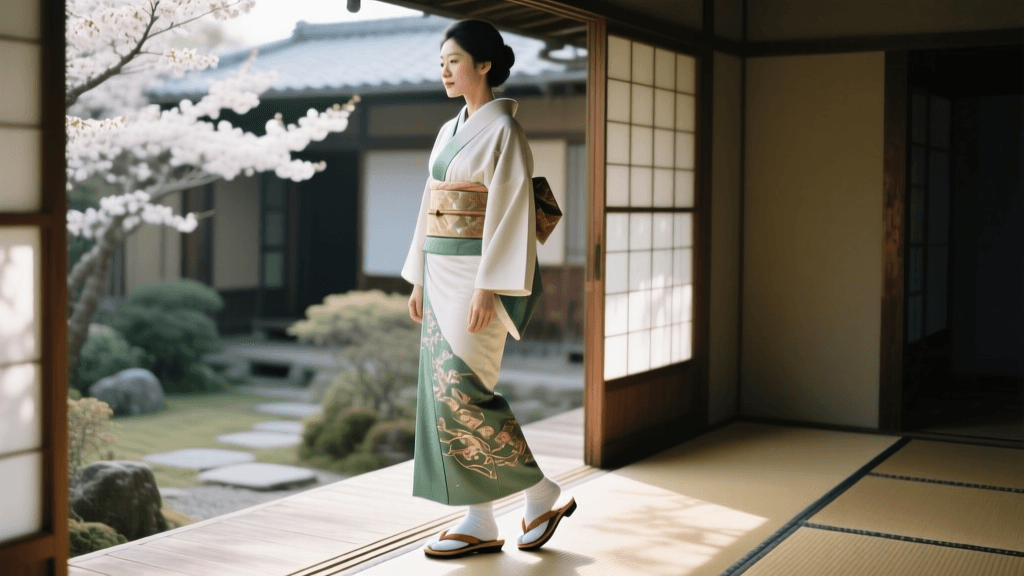
No traditional Japanese ensemble is complete without the proper footwear. Footwear in Japanese culture is strictly categorized by formality, season, and gender. The split-toe tabi sock is universal, but the choice between zori and geta can make or break an outfit's authenticity. According to the Victoria and Albert Museum, the evolution of Japanese footwear reflects both practical adaptations to the climate and strict social hierarchies of the Edo period, which still influence modern styling rules.
Tabi Socks
Tabi socks feature a separation between the big toe and the other four toes, designed specifically to accommodate the thong (hanao) of traditional sandals. In 2026, while traditional cotton and silk tabi remain standard for formal wear, stretch-blend tabi with reinforced soles are popular for travel and extended walking. White tabi are mandatory for formal events, while patterned or dark-colored tabi are reserved for casual, everyday wear.
Zori vs. Geta: A Comparison
Understanding when to wear zori versus geta is crucial for proper styling. Below is a comprehensive comparison guide for 2026:
| Footwear Type | Material & Construction | Formality & Occasion | 2026 Average Price Range |
|---|---|---|---|
| Zori | Vinyl, brocade, or leather soles with thick, layered heels. | High formality. Worn with kimono for weddings, tea ceremonies, and Seijin Shiki. | $80 - $350 |
| Geta | Solid wood base with one or two 'teeth' (ha) and fabric hanao. | Casual to semi-formal. Worn with yukata, summer festivals, and informal streetwear. | $45 - $150 |
| Setta | Leather or woven bamboo soles with a flat profile and metal heel cap. | Smart-casual. Often worn by men with hakama or informal kimono. | $100 - $250 |
| Waraji | Hand-woven straw rope sandals with ankle ties. | Historical reenactments, specific temple rituals, and cosplay. | $30 - $90 |
In 2026, modern geta designs often feature ergonomic footbeds and shock-absorbing rubber caps on the wooden teeth, allowing wearers to navigate paved urban environments comfortably without sacrificing the traditional clacking sound that defines the geta experience.
Styling for Life Stages and Seasons
Japanese fashion is intrinsically linked to the calendar and life stages. The concept of shun (seasonality) dictates that wearing a motif slightly before the season begins is more elegant than wearing it during or after. For example, cherry blossom motifs should be worn in late February and March, but wearing them in mid-April when the petals have fallen is considered a fashion faux pas.
Life stages also dictate garment choices. The Shichi-Go-San (Seven-Five-Three) festival sees young children dressed in vibrant, heavily padded kimono. For Seijin Shiki (Coming of Age Day), young women wear furisode—kimono with exceptionally long, swinging sleeves that signify their unmarried status and youth. Men of age typically wear a formal montsuki hakama (a crested kimono with pleated trousers). The Japan National Tourism Organization highlights that experiencing these seasonal and life-stage transitions through clothing is one of the most profound ways to engage with Japanese cultural heritage.
Preservation and Care of Wafuku
Investing in traditional Japanese garments requires a commitment to proper preservation. Silk is highly susceptible to humidity, light damage, and pests. In 2026, the gold standard for kimono storage remains the kiribako, a traditional chest made from Paulownia wood. Paulownia is naturally lightweight, fire-resistant, and expands in high humidity to create an airtight seal, protecting the silk from moisture and insects.
For those without space for a full kiribako, modern preservation involves storing folded kimono in breathable, acid-free tatou (paper wrappers) within climate-controlled environments. It is vital to refold the garments along different lines every six months to prevent permanent creasing and fiber degradation. Never hang a silk kimono on a standard Western hanger, as the weight of the fabric will distort the straight seams and stretch the shoulders irreparably.
Conclusion
The comprehensive world of Japanese fashion is a masterclass in intentionality, from the precise layering of the nagajuban to the rhythmic clack of wooden geta on a cobblestone street. By respecting the traditional weaving methods of Nishijin-ori, understanding the seasonal nuances of textile motifs, and properly maintaining these garments, enthusiasts in 2026 can keep the profound legacy of wafuku alive, wearing not just a piece of clothing, but a living, breathing piece of Asian cultural history.