Japanese Kimono Evolution: Heian Layering to Edo Kosode
The Evolution of Japanese Garments: From Courtly Layers to Urban Elegance
The history of traditional Japanese clothing is a fascinating journey through shifting aesthetics, social hierarchies, and technological advancements in textile production. While the modern world often uses the word 'kimono' as a catch-all term for Japanese garments, the reality of historical Japanese fashion is far more nuanced. To truly understand the craftsmanship and cultural significance of Japanese dress, one must examine the dramatic shift from the opulent, multi-layered silhouettes of the Heian period (794–1185) to the streamlined, expressive elegance of the Edo period (1603–1867). This guide explores these two pivotal eras of dynasty fashion and provides actionable advice for modern enthusiasts looking to source, size, and wear historically inspired garments today.
The Heian Period (794–1185): The Pinnacle of Layered Elegance
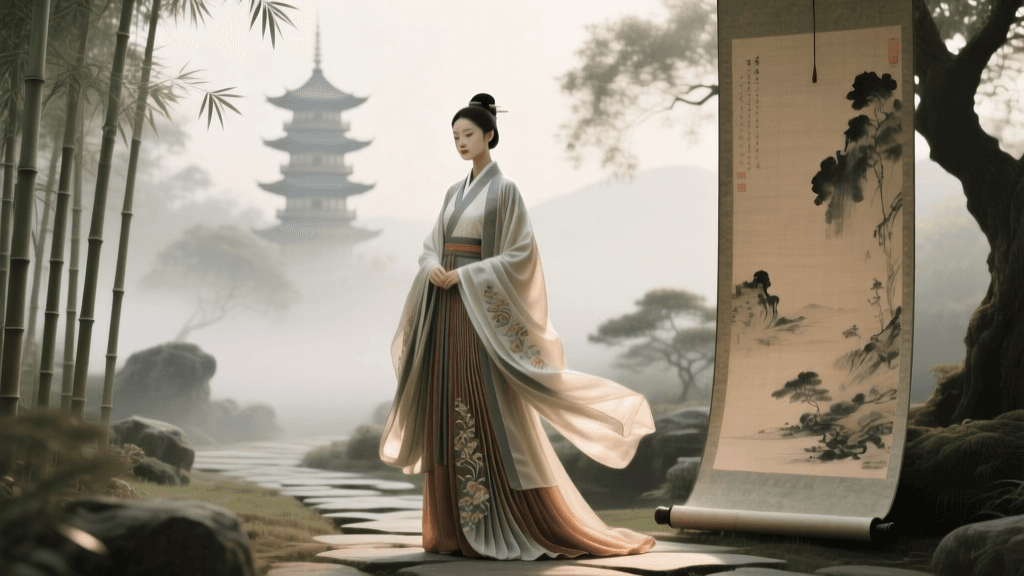
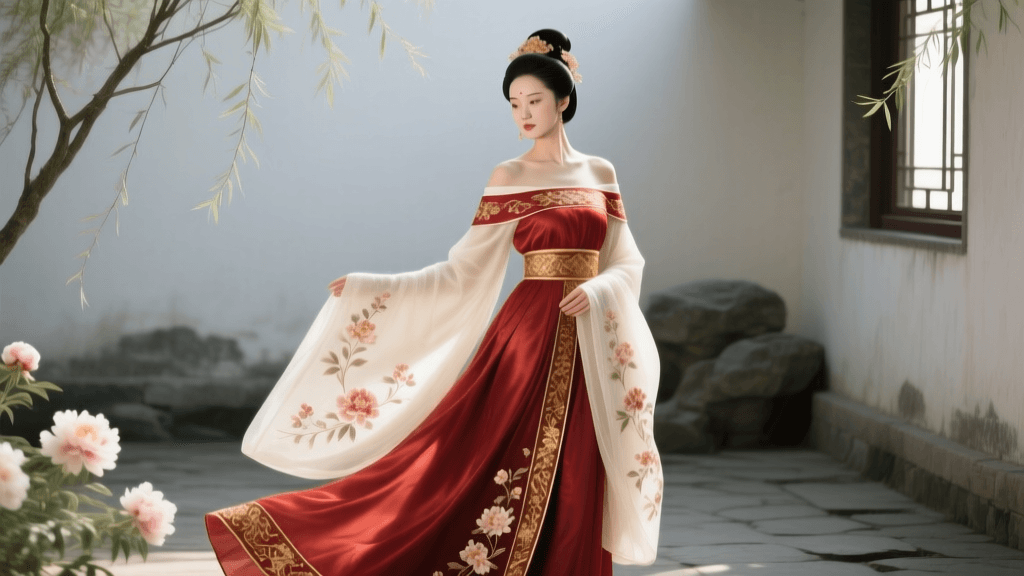
The Heian period represents the zenith of Japanese courtly culture, an era defined by the aesthetic principle of miyabi (courtly elegance). During this time, the aristocracy distanced themselves from Chinese Tang dynasty influences, developing a uniquely Japanese sartorial language. The most iconic garment of this era was the jūnihitoe, literally translating to 'twelve-layer robe.' Worn exclusively by high-ranking court ladies, this ensemble was a masterpiece of color theory and seasonal awareness.
However, the true genius of Heian fashion lay not just in the number of layers, but in the meticulous arrangement of colors at the cuffs, hems, and collars. This practice, known as kasane no irome (layered color combinations), required a deep understanding of nature and poetry. For instance, a spring combination might feature a deep plum underlayer peeking out from beneath a pale cherry-blossom pink outer robe, mimicking the blooming of plum blossoms through lingering snow. According to the Kyoto Costume Museum, these color combinations were strictly codified by season and rank, serving as a visual language that conveyed a noblewoman's refinement, education, and emotional state without a single word being spoken.
For men of the court, the sokutai (formal court attire) and the kariginu (hunting attire, later adopted as informal court wear) featured wide, flowing sleeves and stiff, structured fabrics that created a majestic, almost architectural silhouette. The emphasis was on volume, concealment of the physical body, and the display of luxurious silk weaves.
The Edo Period (1603–1867): The Kosode and the Birth of the Modern Kimono
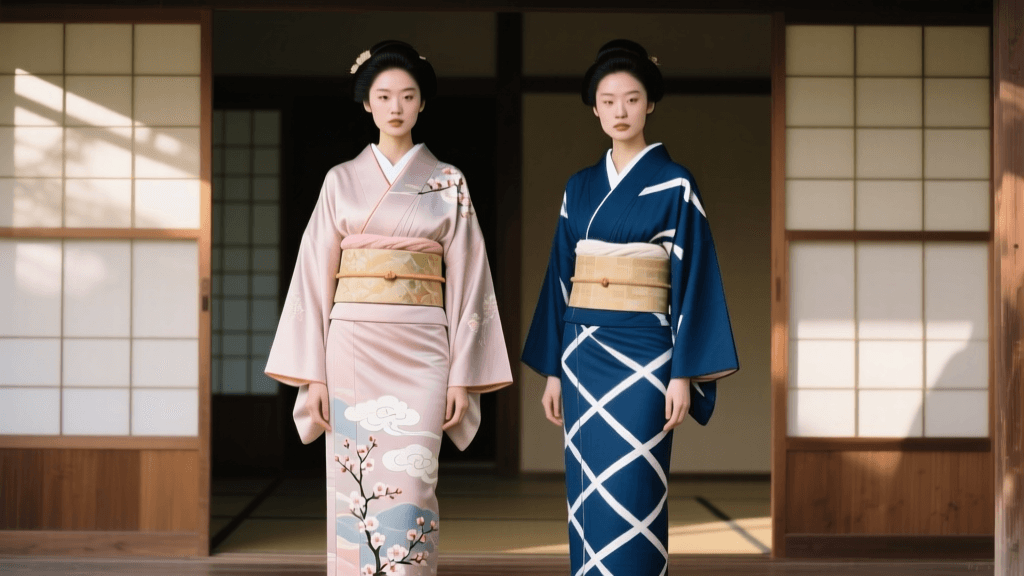
Fast forward to the Edo period, and the sartorial landscape had transformed entirely. The rise of the samurai class and the subsequent urbanization of merchant towns like Edo (modern-day Tokyo) and Osaka shifted the focus of fashion from the secluded court to the bustling streets. The foundational garment of this era was the kosode (small sleeves). Originally an undergarment worn beneath the grand robes of the Heian aristocracy, the kosode emerged as the primary outer garment for both men and women across all social classes.
As documented by the Japanese Architecture and Art Net Users System (JAANUS), the kosode featured a narrow sleeve opening compared to the sweeping, open sleeves of earlier periods. This practical design was better suited to the active lives of the samurai and the working merchant classes. However, practicality did not mean a sacrifice of beauty. The Edo period saw an explosion of textile techniques, including yuzen (resist dyeing), which allowed artisans to paint intricate, pictorial designs directly onto the silk canvas of the kosode.
The Edo period also witnessed the evolution of the obi (sash). In the early Edo period, the obi was a narrow, functional cord. By the late 18th century, as the merchant class amassed wealth, the obi widened dramatically, eventually becoming a massive, decorative centerpiece tied in elaborate knots at the back. This shift fundamentally altered the garment's silhouette, pulling the fabric taut and creating the columnar, elegant shape we recognize today as the modern kimono. Strict sumptuary laws dictated what colors and fabrics the merchant class could wear, leading to the aesthetic of iki—a subtle, understated elegance where luxurious linings and hidden details were prized over ostentatious displays.
Comparative Analysis: Heian vs. Edo Silhouettes
Understanding the structural differences between these two eras is crucial for collectors, historians, and modern wearers. The table below outlines the primary distinctions in garment construction and styling.
| Feature | Heian Period (794–1185) | Edo Period (1603–1867) |
|---|---|---|
| Primary Garment | Jūnihitoe (Women), Sokutai (Men) | Kosode (precursor to modern Kimono) |
| Sleeve Style | Wide, open, unattached at the sides | Narrow opening (Kosode), attached to body |
| Layering | Extensive (5 to 12+ layers) | Minimal (Kosode + Uchikake overcoat) |
| Obi (Sash) | Narrow, functional, tied at the front | Wide, decorative, tied at the back |
| Aesthetic Ideal | Miyabi (Courtly elegance, volume) | Iki (Subtle, urban sophistication) |
| Primary Decoration | Woven patterns, layered color contrasts | Yuzen dyeing, embroidery, gold leaf |
Practical Guide: Sourcing and Sizing Historical Garments Today
For modern practitioners of traditional Japanese arts, brides, or serious collectors, acquiring garments that reflect these historical periods requires an understanding of traditional sizing, sourcing channels, and budgeting. Unlike Western clothing, kimono are not cut to fit the individual's exact curves; rather, the fabric is folded and tied to accommodate the wearer's frame.
Essential Measurements for the Modern Wearer
When purchasing vintage Edo-style kosode or commissioning a modern kimono, you must know three critical measurements. According to the Victoria and Albert Museum's guide on kimono construction, the garment is made from standard bolts of fabric (tanmono), meaning the width is fixed, and length is adjusted via folding.
- Mitake (Back Length): This is the length of the kimono from the base of the neck to the hem. The ideal measurement is typically your total height minus 10 cm (or roughly 4 inches). For a person who is 165 cm tall, the ideal mitake is 155 cm. The excess length is folded at the waist to create the ohashori (waist fold), which is essential for proper Edo-style wearing.
- Yuki (Sleeve Length): Measured from the center of the back of the neck, across the shoulder, and down to the wrist bone. A standard modern yuki is around 64-68 cm. Historical Heian garments featured much longer, trailing yuki measurements to accommodate the sweeping floor-length sleeves.
- Ba (Wingspan/Shoulder Width): The distance from wrist to wrist when arms are outstretched. This dictates the overall width of the garment when the arms are extended.
Sourcing Channels and Cost Expectations
Whether you are seeking an authentic antique Edo-period kosode or a modern replica of a Heian ensemble, the market offers various entry points. Here is a practical breakdown of costs and timing:
- Vintage Edo & Meiji Era Kosode (Antique): True Edo-period textiles are fragile and often found in museum archives, but late Meiji/Taisho era kosode (which retain Edo styling) are available at specialized antique dealers (tansu-ya) in Kyoto or Tokyo. Cost: $150 to $800 USD depending on the condition of the silk and the presence of metallic thread work. Timing: Immediate purchase, but requires professional dry cleaning (arai-hari) which takes 3-4 weeks.
- Modern Silk Kimono (Edo Silhouette): Commissioning a bespoke silk kimono from a Nishijin-ori weaver or a Kyoto yuzen artisan. Cost: $1,500 to $5,000+ USD. Timing: 3 to 6 months for weaving, dyeing, and tailoring.
- Heian-Style Jūnihitoe (Rental): Purchasing a full 12-layer court ensemble is prohibitively expensive and logistically difficult for private individuals. Most modern brides or practitioners rent these for specific ceremonies. Cost: $1,500 to $3,000 USD for a weekend rental, including professional dressing services (kitsuke), which are mandatory as the layering requires specialized knowledge of kasane no irome. Timing: Must be booked 4 to 6 months in advance, especially during the spring and autumn wedding seasons.
Styling Advice: Adapting Historical Elements
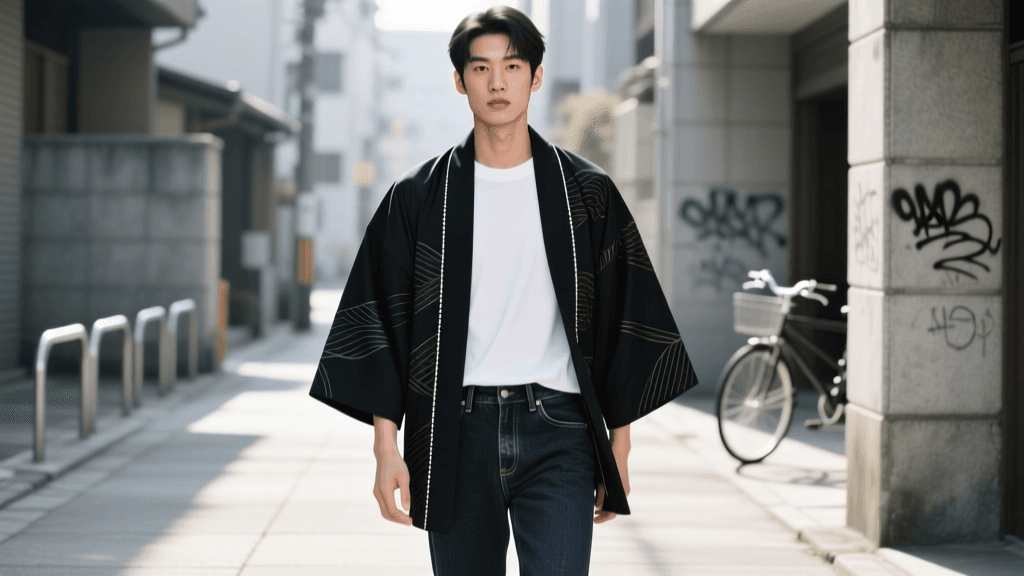
If you wish to incorporate Heian aesthetics into a modern Edo-style kimono, focus on the collar and hem. You can simulate the kasane (layered) look by wearing a contrasting han-eri (decorative collar) and an obi-jime (decorative cord) in a seasonal color combination, such as pale green over deep red to mimic the 'willow and plum' combination. For the hem, wearing an uchikake (a padded, unbelted overcoat) over a standard kosode instantly evokes the trailing, voluminous elegance of the Heian aristocracy while maintaining the structural integrity of the Edo-period obi.
Conclusion
The transition from the Heian period's voluminous, poetic layering to the Edo period's structured, canvas-like kosode reflects Japan's broader historical shift from an isolated courtly society to a vibrant, urbanized culture. Today, the kimono remains a living garment. By understanding the historical context of these dynasty fashions and mastering the practicalities of traditional measurements and sourcing, modern wearers can honor the profound legacy of Japanese textile arts while keeping these magnificent traditions alive in the contemporary world.