Tang Dynasty Hanfu: Recreating the Iconic Styles of Yang Guifei
The Allure of Tang Dynasty Court Fashion
The Tang Dynasty (618–907 AD) is universally celebrated as the golden age of Chinese art, culture, and fashion. Characterized by its cosmopolitan openness and immense wealth, the era birthed a sartorial culture that was vibrant, voluminous, and unapologetically opulent. At the very epicenter of this fashion revolution was Yang Guifei (719–756 AD), the beloved Imperial Consort to Emperor Xuanzong. As one of the legendary Four Beauties of ancient China, Yang Guifei’s personal style dictated court trends, shifting the aesthetic preference from the slender, willowy silhouettes of the preceding Sui and early Tang periods to a celebration of voluptuousness, luxury, and grandeur.
For modern Hanfu enthusiasts and historical recreationists, replicating the wardrobe of Yang Guifei is not merely an exercise in costuming; it is a profound engagement with China’s most dynamic cultural epoch. This guide provides a comprehensive, actionable breakdown of Tang Dynasty court fashion, offering precise measurements, sourcing advice, and styling protocols to help you authentically recreate these iconic looks for festivals, photoshoots, and cultural exhibitions.
Deconstructing the Imperial Wardrobe
The Qixiong Ruqun (Chest-High Skirt)
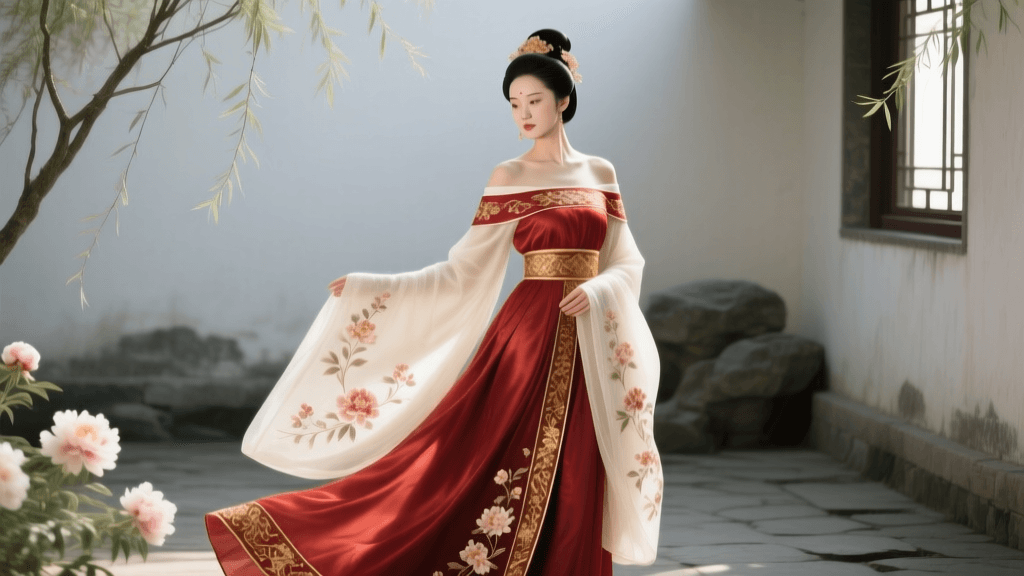
The quintessential garment associated with Tang court ladies is the Qixiong Ruqun, a chest-high skirt ensemble. Unlike traditional waist-high skirts, the Qixiong Ruqun is tied securely above the bust, creating an elongated, flowing silhouette that elegantly drapes over the body. The ensemble typically consists of a fitted inner top (Shan), a voluminous chest-high skirt (Qun), and an outer half-arm jacket (Banbi) or translucent robe. Yang Guifei was known to favor rich, saturated colors like pomegranate red, peony pink, and imperial yellow, often adorned with intricate floral brocades.
The Daxiushan (Large-Sleeved Robe) and Pibo (Silk Shawl)
For formal court occasions, the Daxiushan was the ultimate statement piece. This large-sleeved, sweeping robe was crafted from sheer, translucent silks and worn over the primary garments. It was often paired with a Pibo—a long, flowing silk shawl that was draped over the arms and shoulders, cascading down to the floor. The Pibo added a kinetic, ethereal quality to the wearer's movements, a visual effect highly prized in Tang poetry and painting.
Practical Guide: Sizing and Fitting the Qixiong Ruqun
The most common challenge modern wearers face with the Qixiong Ruqun is keeping the heavy, pleated skirt securely tied above the bust without it slipping down. To achieve the flawless, gravity-defying drape seen in historical murals, precise measurements and proper tying techniques are essential.
Crucial Measurements
- Upper Bust (Tie Line): Measure directly across the top of the bust where the skirt's waistband will sit. Add 2-3 cm for overlap and knotting.
- Skirt Length: Measure from the tie line down to the floor while wearing the shoes you intend to wear. For a traditional court look, the skirt should pool slightly (add 5 cm to your exact floor measurement).
- Skirt Width: A true Tang-style skirt is exceptionally wide to allow for deep, overlapping pleats. Ensure the total fabric width is at least 3 to 4 meters (approx. 3.2 to 4.3 yards) for a 360-degree sweep.
The Double-Knot Securing Method
To prevent slipping, utilize a double-layered tie system. First, secure the inner ties tightly across the back and tie a firm double knot over the sternum. Then, wrap the long outer decorative ribbons around the back, bring them to the front, and tie a secondary decorative knot. For modern wearers navigating active festival environments, discreetly using double-sided fashion tape along the inner top edge of the skirt against the skin or inner shirt provides vital security without compromising historical accuracy.
Sourcing Authentic Tang-Style Hanfu: Costs and Timing
Acquiring a high-quality Tang Dynasty Hanfu requires navigating the modern market, which ranges from mass-produced synthetic sets to artisan-crafted silk garments. When planning for major events like the Mid-Autumn Festival or Lunar New Year, timing your purchase is critical.
Cost Breakdown and Market Tiers
| Tier | Materials | Estimated Cost (USD) | Lead Time | Best For |
|---|---|---|---|---|
| Entry-Level | Polyester chiffon, basic jacquard | $45 - $80 | In-stock (1-2 weeks shipping) | Casual festivals, beginners, cosplay |
| Mid-Tier | Viscose, silk-cotton blends, woven brocade | $110 - $180 | Pre-order (3-5 weeks) | Photography, formal cultural events |
| Heritage/Custom | 100% Mulberry silk, hand-woven damask, real gold thread | $250 - $600+ | Custom tailoring (2-4 months) | Museum exhibitions, serious historical reenactment |
Actionable Tip: Reputable heritage brands such as Shisanyu and Zhongzheng Hanfu frequently release historically informed Tang collections. Because these brands operate primarily on a Taobao pre-order model, you must place your orders at least 60 days before your target event to account for manufacturing queues and international freight forwarding.
Fabric Selection and Sericulture Heritage
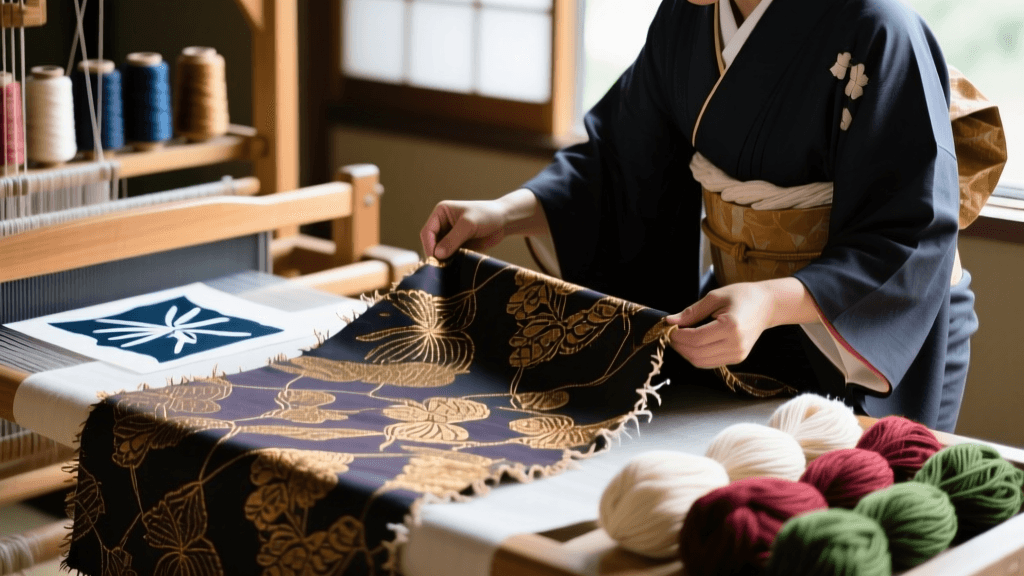
The opulence of Yang Guifei’s wardrobe was intrinsically linked to China’s mastery of silk production. The sheer Daxiushan robes required the finest gauze, while the structured skirts demanded heavy, patterned damasks. As documented by the Metropolitan Museum of Art, the Silk Road allowed Tang weavers to incorporate foreign motifs, such as Central Asian pearls and Sasanian roundels, into traditional Chinese brocades, creating a uniquely cosmopolitan textile vocabulary.
When selecting modern alternatives, high-grade polyester jacquard can mimic the weight and sheen of historical brocades, but it lacks breathability. For summer festivals, opt for silk-cotton blends or Tencel, which offer a historically accurate drape while accommodating modern climate realities. Today, the traditional methods of creating these luxurious textiles are preserved and protected. Chinese sericulture and silk craftsmanship are officially recognized by UNESCO as an Intangible Cultural Heritage. When investing in a Heritage-tier Hanfu, look for certifications or origin markers indicating the silk was sourced from the historic weaving centers of Suzhou or Hangzhou. For researchers and designers seeking primary references for Tang textile patterns, the British Library's International Dunhuang Project offers an invaluable digital archive of surviving textile fragments and banners from the era.
Styling, Etiquette, and Festival Wear
A Tang Dynasty ensemble is incomplete without its accompanying styling, which was just as elaborate as the garments themselves. Yang Guifei was famously associated with the Huadian (floral forehead decal) and the Xie Hong (slanted red blush).
Hair and Accessories
Court ladies wore their hair in towering, elaborate buns adorned with Buyao (dangling hairpins) crafted from gold, jade, and kingfisher feathers (or modern ethical enamel alternatives). To recreate this:
- Hair Base: Use a foam hair donut and wire extensions to build volume. Historical Tang buns were massive, often requiring structural support.
- Accessories: Invest in a set of brass or copper alloy Buyao with pearl drops. Avoid cheap, lightweight plastics, as they will tangle in the heavy hair and ruin the drape of the Pibo.
- Makeup: Apply a base of pale foundation, heavily rouge the cheeks blending upward toward the temples, and apply a gold or red floral Huadian sticker to the center of the forehead.
Etiquette and Movement
Wearing Tang Hanfu requires a shift in physical etiquette. The voluminous sleeves and trailing Pibo dictate a slower, more deliberate pace. When greeting others in a formal setting, perform the Fushou greeting: clasp your hands in front of your abdomen, bow slightly, and allow the large sleeves to cascade gracefully forward. Never hike up the skirt; instead, use the 'lotus step'—walking heel-to-toe with a narrow stride to make the heavy pleats sway rhythmically without exposing the undergarments.
Furthermore, the layering of the garments demands careful management. The inner Shan must remain neatly tucked or tied, and the Pibo should be periodically adjusted to ensure the ends hang symmetrically behind the elbows. In traditional Chinese aesthetics, the harmonious arrangement of fabric reflects the inner cultivation of the wearer. By understanding the historical context, mastering the structural fitting, and respecting the material heritage of the Tang Dynasty, modern wearers can honor the enduring legacy of Yang Guifei. Whether attending a traditional rite of passage or a global cultural festival, the Qixiong Ruqun remains a powerful, living testament to an era where fashion was the ultimate expression of art and empire.