Mastering Kimono Fabrics: A Guide to Silk, Weaving, and Dyeing
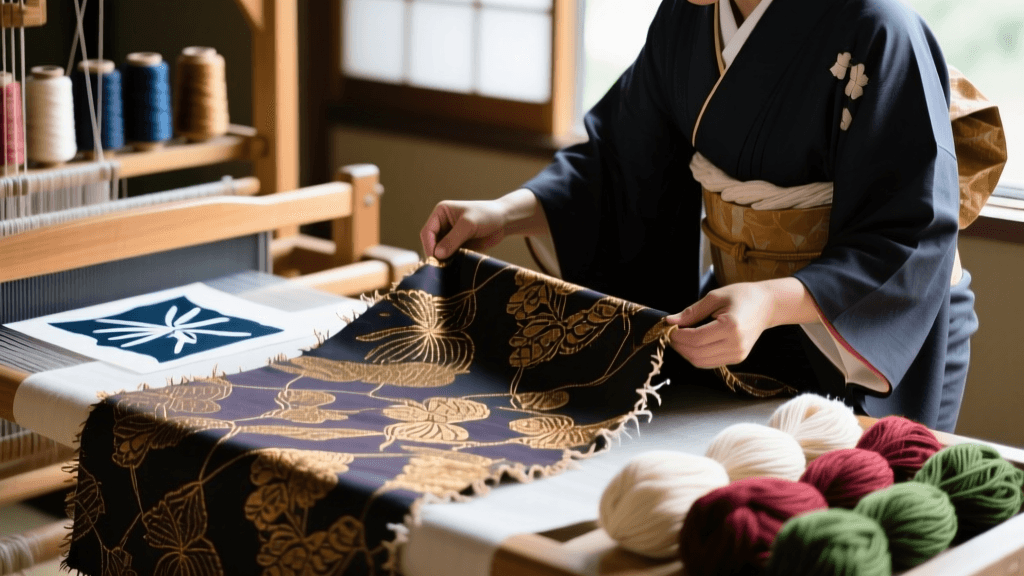
The soul of the traditional Japanese kimono lies not just in its silhouette, but in the meticulous craftsmanship of its textiles. Unlike Western tailoring, which relies on cutting and shaping fabric to fit the body, the kimono is constructed from straight, uncut bolts of fabric known as 'tanmono'. This structural philosophy places the entire aesthetic and cultural weight of the garment on the weaving, dyeing, and finishing of the textile itself. For collectors, practitioners, and enthusiasts of Asian traditions, understanding kimono fabrics is essential to appreciating the garment's true value and selecting the right piece for any occasion.
The Foundation: Understanding Traditional Kimono Silks
A standard 'tanmono' bolt measures approximately 36 to 40 centimeters in width and 12 to 13 meters in length, yielding exactly enough material to construct one adult kimono. While cotton, linen, and synthetic blends are used for casual wear, silk remains the undisputed pinnacle of kimono craftsmanship. However, not all silk is created equal. The processing of the silk threads before and during weaving dramatically alters the fabric's drape, texture, and formality.
Tango Chirimen (Crepe Silk)
Originating from the Tango region in northern Kyoto, Tango Chirimen is renowned for its distinctive pebbled texture and matte finish. This effect is achieved by tightly twisting the weft threads—up to 3,000 twists per meter—alternating between left and right twists. When the fabric is woven and subsequently washed in hot water, the threads untwist slightly, creating the signature micro-crepe surface. Chirimen drapes beautifully, resists wrinkling, and provides a rich, subdued canvas for intricate dyeing.
Habutai (Plain Weave Silk)
Habutai is a lightweight, plain-weave silk with a smooth, lustrous surface. Because it lacks the textural complexity of Chirimen or Tsumugi, it is often used for linings, undergarments (nagajuban), or casual summer garments. Its high sheen makes it an excellent base for vibrant, hand-painted designs, though it is generally considered less formal than heavily brocaded or creped silks.
Tsumugi (Pongee / Slub Silk)
Tsumugi is woven from silk noil or unevenly spun threads, resulting in a fabric with a slubbed, nubby texture that resembles linen or raw cotton. Historically worn by merchants and commoners who were forbidden from wearing glossy silks, Tsumugi is prized today for its understated elegance, breathability, and rustic charm. It is exceptionally durable and softens beautifully with age.
Comparative Guide to Kimono Silk Fabrics
| Fabric Type | Texture & Drape | Formality Level | Average Cost per Tanmono (USD) |
|---|---|---|---|
| Tango Chirimen | Pebbled, matte, excellent drape | Semi-Formal to Formal | $300 - $800 |
| Habutai | Smooth, glossy, lightweight | Informal to Semi-Formal | $150 - $400 |
| Tsumugi | Slubbed, crisp, breathable | Casual to Semi-Formal | $400 - $1,200 |
| Nishijin-ori | Heavy, brocaded, structured | Highly Formal | $2,000 - $15,000+ |
The Art of Color: Yuzen Dyeing Techniques
While weaving provides the structure, dyeing provides the narrative. The most celebrated dyeing technique in Japanese textile history is Yuzen, developed in the late 17th century by fan painter Miyazaki Yuzensai. Yuzen revolutionized kimono design by allowing for pictorial, multi-colored patterns that flowed freely across the garment, unbound by the geometric constraints of traditional weaving.
Kyo-Yuzen vs. Kaga-Yuzen
There are two primary schools of Yuzen. Kyo-Yuzen (from Kyoto) is characterized by its use of vibrant, diverse colors, gold leaf accents, and stylized, often auspicious motifs like cranes, pine trees, and courtly carriages. Kaga-Yuzen (from Kanazawa), conversely, employs a strict five-color palette (indigo, crimson, ochre, green, and purple) and focuses on hyper-realistic botanical motifs, often featuring 'insect-eaten' leaves to reflect the wabi-sabi appreciation for natural imperfection.
The hallmark of authentic, hand-painted Yuzen is the 'itome'—a crisp, white resist line that outlines the design. This is created by applying a rice-paste resist (itome-nori) before dyeing, ensuring colors do not bleed into one another.
Actionable Advice: When examining a vintage or new Yuzen kimono, look closely at the borders of the dyed motifs. If the white outline is perfectly uniform and slightly raised, it is likely hand-painted. If the edges are soft, blurred, or printed with a halftone dot pattern, the garment was mass-produced using modern stencil or digital printing techniques.
The Pinnacle of Weaving: Nishijin-ori
If Yuzen is the art of painting on silk, Nishijin-ori is the art of sculpting with threads. Originating in the Nishijin district of Kyoto, this brocade weaving technique involves dyeing the threads before weaving them into complex, multi-layered patterns. According to the Nishijin Textile Industry Association, the creation of a single Nishijin textile can involve over twenty distinct specialized artisans, from the designer and thread dyer to the warp preparer and the weaver.
Nishijin-ori is most commonly used for 'fukuro obi' (the wide, formal sashes worn with kimono) and highly formal garments like the 'uchikake' (wedding overcoat). The integration of gold and silver leaf threads, wrapped around paper or silk cores, gives Nishijin textiles their iconic structural stiffness and luminous quality. Because of the immense labor involved, authentic Nishijin-ori obi can take several months to weave and command prices ranging from $3,000 to well over $20,000.
Practical Guide: Commissioning and Buying Kimono Fabrics
Whether you are purchasing a vintage piece, buying off-the-rack, or commissioning a custom garment, understanding the economics and logistics of kimono fabrics is crucial.
Sizing and Measurements
Because kimono are constructed from standard 'tanmono' bolts, the width of the fabric dictates the maximum hip and girth measurements of the wearer. A standard 36cm bolt yields a kimono with a maximum hip circumference of roughly 100-105cm. For larger individuals, artisans must weave custom, extra-wide bolts (hiro-haba), which increases the cost by 30% to 50% and extends the production timeline by several months.
Cost Expectations and Timelines
According to data on traditional manufacturing recognized by the Ministry of Economy, Trade and Industry (METI), preserving these heritage crafts requires significant financial investment. A custom, hand-painted Kyo-Yuzen kimono on Tango Chirimen silk typically starts around $4,000 and requires a 4 to 6-month waiting period. A fully hand-woven Nishijin-ori wedding uchikake can exceed $15,000 and take up to a year to complete. For those on a budget, the secondary (vintage) market offers exquisite, mid-century silk kimono for $50 to $300, though buyers must carefully inspect the silk for 'shimi' (age spots) and structural weakness.
Dating Vintage Silks
When buying vintage, you can date the garment by its construction. Pre-World War II kimono often feature 'hirosode' (extremely deep, floor-sweeping sleeves) and wide body panels. Post-WWII garments standardized to narrower panels and shorter sleeves to conserve silk during periods of economic hardship.
Care and Maintenance of Silk Kimono
Silk is a protein fiber that is highly sensitive to moisture, UV light, and friction. Traditional kimono are rarely washed in water. Instead, they rely on a specialized cleaning process called 'maruarai', where the garment is completely unstitched into its original rectangular panels, washed in specialized solvents, re-stretched, and sewn back together. This process costs between $150 and $300 and should only be performed every 5 to 10 years, or when the garment is heavily soiled.
For routine maintenance, follow these actionable steps:
- Airing: After wearing, hang the kimono on a wide, padded 'kimono hanger' in a shaded, well-ventilated room for 24 hours to allow body moisture to evaporate.
- Spot Cleaning: Never use water on Chirimen or Tsumugi, as it will cause the silk to shrink and pucker permanently. Take the garment to a professional kimono cleaner who specializes in 'shimi-nuki' (spot stain removal).
- Storage: Store silk kimono folded in acid-free 'tatou-shi' paper within a drawer made of untreated paulownia wood (kiri). Paulownia naturally regulates humidity and repels insects, which is vital for preventing mold and silk degradation.
For those looking to experience the tactile reality of these fabrics, visiting institutions like the Nishijin Textile Center in Kyoto offers invaluable hands-on education, allowing you to feel the difference between a jacquard-woven brocade and a hand-dyed crepe. Mastering the nuances of kimono fabrics transforms the act of wearing the garment from a simple sartorial choice into a profound engagement with centuries of Asian artistic tradition.