Haori Streetwear: Styling Traditional Japanese Jackets
The Resurgence of the Haori in Global Street Fashion
In the ever-evolving landscape of global streetwear, the intersection of traditional Asian garments and modern urban aesthetics has birthed some of the most compelling fashion movements of the 21st century. At the forefront of this cultural crossover is the haori, a traditional Japanese hip- or thigh-length jacket worn over a kimono. Once strictly relegated to formal ceremonies, tea houses, and historical dramas, the haori has been aggressively reclaimed by avant-garde designers, Harajuku street style icons, and the global techwear community. According to the Victoria and Albert Museum, the kimono and its associated outerwear have continuously influenced global fashion silhouettes, offering a masterclass in T-shaped, unstructured draping that perfectly aligns with modern oversized streetwear trends.
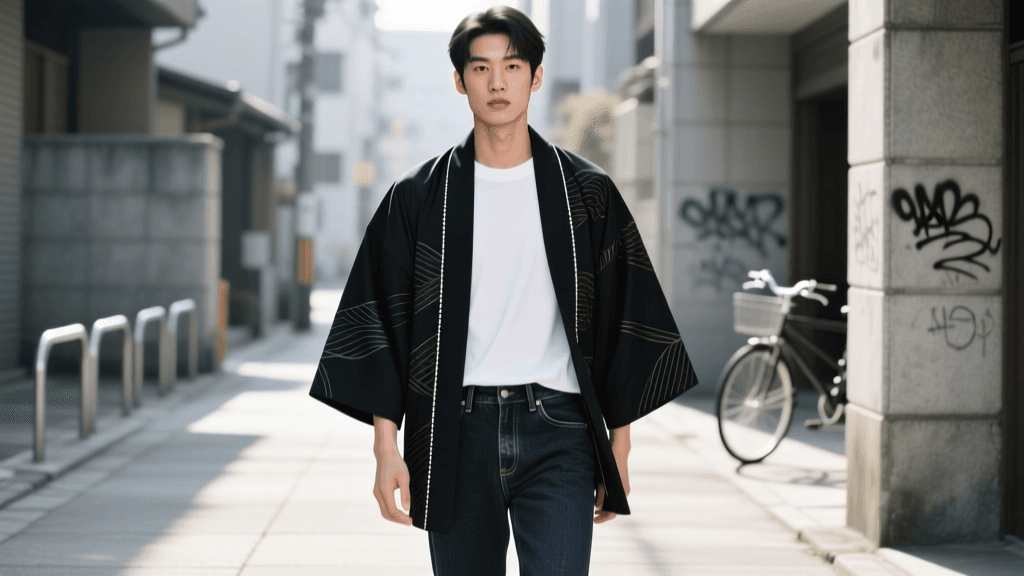
Unlike its more formal and restrictive counterpart, the full kimono, the haori is inherently versatile. It features open fronts, wide sleeves, and deep side slits known as miyatsukuchi. These structural elements make it an ideal layering piece for contemporary urban environments, allowing it to drape effortlessly over hoodies, tactical vests, and heavy knitwear. Whether you are navigating the neon-lit streets of Shibuya or the concrete expanses of New York, integrating a haori into your wardrobe offers a profound nod to Japanese heritage while pushing the boundaries of modern silhouette design.
Understanding the Haori: Dimensions, Fabrics, and Costs
To successfully integrate a haori into a streetwear rotation, one must understand its anatomy and how it deviates from Western outerwear. Traditional haori were designed to be worn open, secured only by a braided cord called a haori-himo. In modern streetwear, this cord is frequently swapped for tactical carabiners, silver chains, or paracord, bridging the gap between Edo-period tradition and cyberpunk aesthetics.
When sourcing a haori for urban fashion, fit and fabric are paramount. The Metropolitan Museum of Art notes that historical Japanese garments were often constructed from straight bolts of fabric, resulting in zero waste and a distinct, boxy drape that modern techwear brands like Acronym and Yohji Yamamoto frequently emulate. For a contemporary streetwear fit, you should look for a 'drop shoulder' effect, where the sleeve seam falls 5 to 10 centimeters down the upper arm, and a back length (mitake) that hits anywhere from the mid-thigh to the knee for a duster-like silhouette.
Haori Streetwear Sizing & Sourcing Guide
| Haori Style | Ideal Back Length (Mitake) | Best Fabric | Estimated Cost (USD) |
|---|---|---|---|
| Vintage Silk (Oshima Tsumugi) | 75 - 85 cm | 100% Mud-Dyed Silk | $40 - $150 |
| Modern Techwear Haori | 90 - 110 cm | Ripstop Nylon / Gore-Tex | $180 - $450 |
| Casual Cotton (Kurume Kasuri) | 80 - 95 cm | Indigo Woven Cotton | $60 - $200 |
How to Style a Haori for Modern Streetwear
Styling a haori requires a departure from traditional kitsuke (the art of kimono dressing) and an embrace of proportion, texture, and subcultural signaling. Below are three distinct, actionable styling formulas for incorporating the haori into a modern wardrobe.
1. The Techwear Crossover: Tactical Tradition
Techwear prioritizes mobility, weather resistance, and a dystopian, ninja-inspired silhouette. The haori’s natural T-shape and wide sleeves make it a perfect substitute for the traditional trench coat or anorak.
- The Base: A moisture-wicking, high-neck compression top paired with tapered, articulated cargo pants (brands like Riot Division or Nike ISPA).
- The Haori: Opt for a modern, synthetic haori crafted from waterproof ripstop nylon or Cordura. Brands like Kapital and HaaT by Issey Miyake frequently release technical iterations of traditional outerwear.
- The Hardware: Remove the traditional silk haori-himo. Replace it with a matte black Fidlock magnetic buckle or a climbing-grade carabiner to secure the front panels.
- Footwear: Chunky, aggressive trail sneakers like the Salomon XT-6 or Hoka One One provide the necessary grounded, utilitarian base to balance the flowing top half.
2. Harajuku Vintage Remix: Archival Layering
Harajuku street fashion has long relied on the deconstruction and recombination of vintage garments. Thrifted silk haori, particularly those featuring intricate Yuzen dyeing or family crests (kamon), serve as incredible statement pieces.
- The Base: A heavyweight, oversized graphic tee or a faded vintage band shirt, layered over a thermal waffle-knit long-sleeve. Bottoms should be wide-leg, distressed denim or heavy canvas work pants.
- The Haori: Source a vintage silk Oshima Tsumugi haori. This specific silk is mud-dyed and woven, resulting in a fabric that is remarkably durable, matte, and resistant to the elements compared to shiny ceremonial silks.
- The Layering Trick: Allow the miyatsukuchi (side slits) to reveal the layers underneath. This creates a sense of kinetic movement and depth as you walk.
- Footwear: Chunky skate shoes or avant-garde leather boots, such as the Rick Owens Drkshdw Ramones or Guidi horseback boots, anchor the vintage silk with a gritty, contemporary edge.
3. Minimalist Summer: The Jinbei and Hakama Silhouette
For warmer months, heavy silks and nylons are impractical. The Japan National Tourism Organization highlights the importance of seasonal fabrics in traditional dress, a concept easily translated to summer streetwear via lightweight cottons and linens.
- The Base: A monochrome, breathable linen co-ord set or a simple white ribbed tank top.
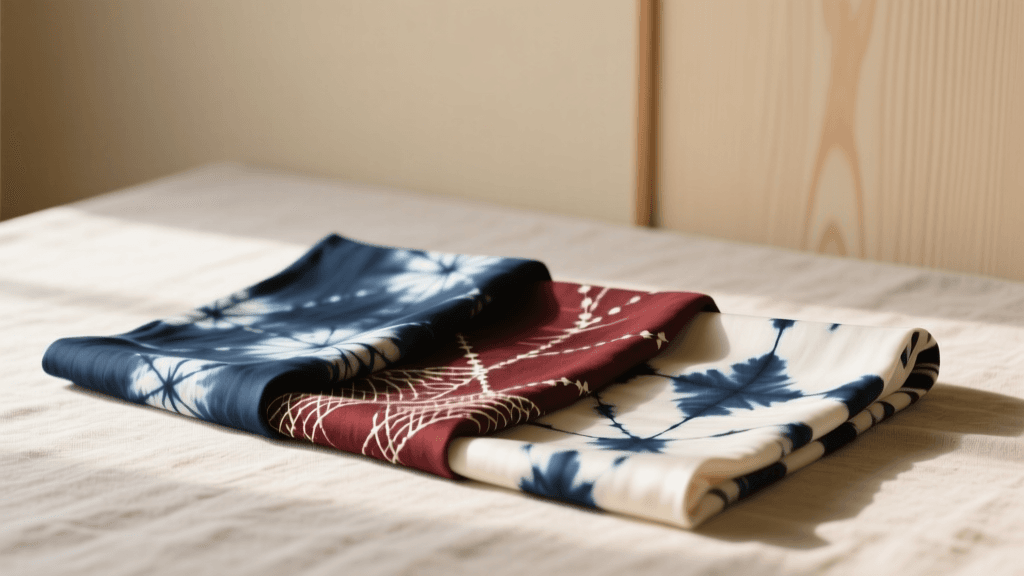
- The Haori: A lightweight, unlined cotton haori featuring Kurume Kasuri (a traditional indigo-dyed cotton with blurred, geometric patterns). The indigo naturally repels insects and fades beautifully with sun exposure and wear.
- The Bottoms: Modern interpretations of the hakama—wide-leg, pleated trousers with a high waist and cropped hem—maintain the traditional Japanese silhouette while allowing for airflow.
- Footwear: Minimalist leather sandals or split-toe sneakers (like the Maison Margiela Replica Tabi) offer a subtle nod to traditional jikatabi work boots.
Sourcing Authentic and Modern Haori
Acquiring the right haori depends on your budget and desired aesthetic. For vintage purists and streetwear archivists, Japanese online proxy services like Buyee or ZenMarket are indispensable. They allow you to bid on Yahoo! Auctions Japan and Mercari Japan, where vintage silk and cotton haori can be found for as little as $15 to $40, excluding international shipping. When searching these platforms, use keywords like 'vintage haori', 'Oshima Tsumugi', or 'indigo kasuri'.
For those seeking modern, streetwear-ready interpretations with technical fabrics and oversized, contemporary cuts, look to Japanese domestic brands that specialize in heritage remixing. Kapital is renowned for blending American denim culture with traditional Japanese weaving and dyeing techniques. Yohji Yamamoto (and his diffusion lines) frequently utilizes the haori silhouette in his menswear collections, offering masterfully draped, avant-garde pieces that command a higher price point but deliver unparalleled urban sophistication.
Garment Care for the Urban Environment
Traditional garments require specific care, especially when subjected to the grime of city living. Streetwear enthusiasts must adapt their maintenance routines based on the fabric of their haori.
Pro-Tip for Vintage Silk: Never machine wash a vintage silk haori. The internal structure often contains silk batting or stiffeners that will warp and ruin the drape if exposed to water and agitation. Instead, spot clean with a damp microfiber cloth and use a handheld steamer to remove odors and wrinkles. Store it on a wide, padded hanger to prevent shoulder dimples.
For modern cotton Kasuri or technical nylon haori, care is significantly more forgiving. Cotton indigo should be washed sparingly, inside out, in cold water with a pH-neutral detergent to preserve the depth of the dye and encourage high-contrast fading. Technical nylon and Gore-Tex haori should be cleaned with specialized gear washes (like Nikwax) to maintain their DWR (Durable Water Repellent) coatings, ensuring your traditional-meets-futuristic outerwear remains functional during unexpected urban downpours.
Conclusion
The haori is far more than a historical artifact; it is a living, breathing garment that has seamlessly adapted to the demands of modern streetwear. By understanding its structural nuances, respecting its textile heritage, and boldly reimagining its styling possibilities, fashion enthusiasts can create outfits that are deeply rooted in Asian tradition while remaining fiercely relevant on the contemporary urban stage. Whether draped over a tactical vest or layered above vintage denim, the haori remains a testament to the timelessness of Japanese design.