Okinawa Ryusou and Ainu Attus: Japan's Regional Dress Guide
Beyond the Mainland: Japan’s Rich Regional Garment Heritage
When discussing traditional Japanese clothing, the global consciousness almost exclusively defaults to the mainland kimono, the yukata, and the formal hakama. While garments like the Kyo-yuzen kimono of Kyoto or the Edo-komon of Tokyo are undeniably masterpieces of textile engineering, Japan’s vast archipelago harbors profound regional and prefectural variations. From the subtropical Ryukyu Islands in the far south to the subarctic expanses of Hokkaido in the north, indigenous and regional garments were born out of necessity, climate adaptation, and distinct cultural cosmologies. Understanding these regional variations provides a much deeper appreciation of Japan's sartorial atlas. This guide explores two of the most distinct regional garment traditions: the vibrant Ryusou and Bingata textiles of Okinawa, and the resilient, spiritually woven Attus of the Ainu people in Hokkaido, while offering actionable advice for collectors and travelers.
Okinawa’s Ryusou and Bingata: The Tropical Elegance of the Ryukyu Kingdom
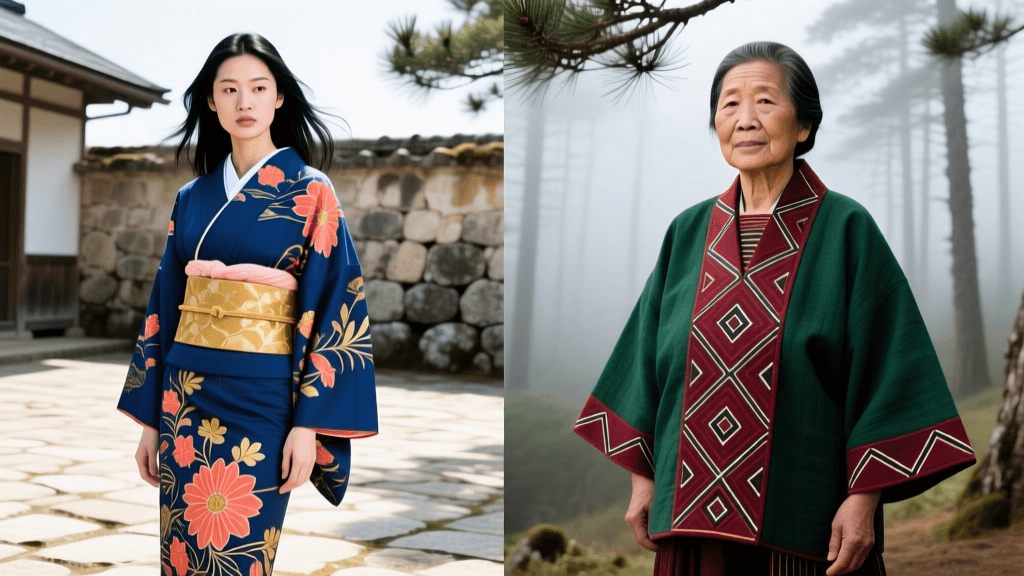
Okinawa, historically known as the Ryukyu Kingdom, developed a unique sartorial culture heavily influenced by maritime trade with China, Southeast Asia, and mainland Japan. The traditional formal wear of the Ryukyu court and nobility is known as the Ryusou. Unlike the mainland kimono, which is tightly bound and heavily layered, the Ryusou is designed for breathability and fluid movement in a humid, subtropical climate.
The Anatomy of Ryusou
A traditional Ryusou ensemble consists of several distinct layers. The ushin is the wide-sleeved outer robe, typically crafted from lightweight silk or banana fiber cloth (bashofu). Beneath it lies the duji, a narrower under-robe. The ensemble is secured not by a stiff, heavily padded mainland obi, but by the gahu, a long, soft sash wrapped multiple times around the waist to allow for ventilation and ease of movement.
Bingata: The Resist-Dyeing Marvel
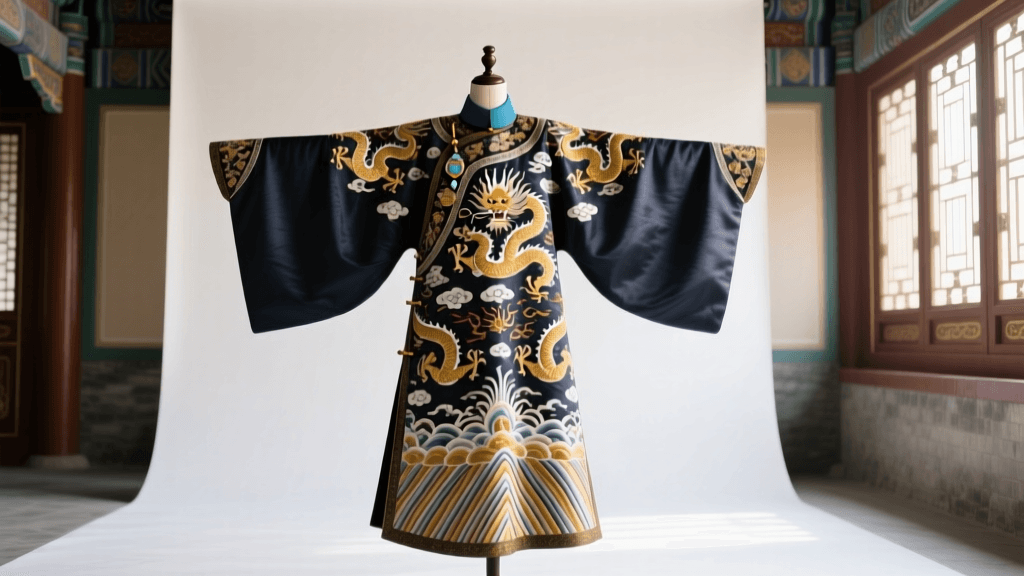
The most iconic textile associated with Okinawan dress is Bingata, a vibrant resist-dyeing technique utilizing stencils and natural pigments. Historically reserved for royalty and the warrior class, Bingata features motifs of dragons, phoenixes, peonies, and flowing water, dyed in brilliant shades of yellow (from the garcinia plant), red, and indigo. Today, authentic Bingata remains a luxury craft. According to the Ministry of Economy, Trade and Industry (METI), traditional Bingata requires over a dozen meticulous steps, from stencil carving to the final steaming and washing in Okinawa's mineral-rich rivers.
Actionable Advice for Okinawan Textiles
- Where to Buy: The Tsuboya district in Naha is the historic center of Ryukyuan crafts. Visit established ateliers like Chinen Bingata or Shiroma Bingata for authentic, handcrafted pieces.
- Costs: A modern, hand-dyed Bingata obi can cost between ¥300,000 and ¥800,000. For a more accessible entry point, cotton Bingata aloha shirts or small furoshiki (wrapping cloths) range from ¥5,000 to ¥15,000.
- Rentals and Styling: Many tourists opt to rent a simplified Ryusou for photoshoots in Shuri Castle Park. Expect to pay ¥5,000 to ¥8,000 for a half-day rental. The garments are generally one-size-fits-all, utilizing the gahu sash to adjust the waist from 60cm to 100cm.
Hokkaido’s Ainu Attus: Woven from the Elm Tree
Traveling to the northernmost prefecture of Hokkaido, the climate shifts dramatically, and so does the indigenous attire. The Ainu people, the indigenous hunter-gatherer culture of northern Japan, developed garments suited for harsh, snowy winters and active, forest-based lifestyles. The cornerstone of traditional Ainu clothing is the Attus, a durable fabric woven from the inner bark fibers of the Japanese elm (ohyo) tree.
Craftsmanship and Material
Creating Attus is a labor-intensive process traditionally undertaken by Ainu men. The bark is harvested in the spring when the sap is flowing, boiled in ash water to soften the fibers, and then split into incredibly fine threads. These threads are woven on a backstrap loom, resulting in a textile that is remarkably water-resistant, breathable, and durable. According to the National Ainu Museum and Park (Upopoy), the Attus was historically traded with mainland Japanese merchants and was highly prized by fishermen and sailors across the Tohoku region for its resilience against sea spray and freezing winds.
Morenpe and Spiritual Embroidery
While Attus served as everyday workwear, ceremonial garments like the Morenpe and Kaparamip showcase the Ainu's profound spiritual artistry. As trade with the mainland increased in the Edo period, Ainu artisans began incorporating imported cotton and silk. The Morenpe is a dark cotton robe adorned with intricate, chain-stitch embroidery. The Kaparamip is a white cotton garment featuring bold, applique designs. Crucially, these patterns are not merely decorative. The swirling moreu (whirlpool) and the sharp aiushi (thorn) motifs are strategically placed at the garment's openings—neck, cuffs, and hem. In Ainu animism, these vulnerable points are where evil spirits might enter the body; the thorny patterns act as spiritual brambles to ward off malevolent forces.
Actionable Advice for Ainu Garments
- Where to Experience: The Upopoy National Ainu Museum and Park in Shiraoi, Hokkaido, offers daily demonstrations of Attus weaving and traditional dance, providing essential context for these garments.
- Costs and Collecting: Vintage, heavily embroidered Morenpe from the early 20th century are highly sought after by textile collectors and can fetch ¥100,000 to ¥300,000 at specialized antique markets in Sapporo. Modern Ainu artisans create contemporary accessories, such as Attus-woven wallet chains or small pouches, priced between ¥8,000 and ¥25,000.
- Garment Care: Authentic Attus fabric must never be machine washed or dry-cleaned with harsh chemicals. It should be gently brushed and aired out in the shade to maintain the structural integrity of the elm fibers.
Comparative Guide: Mainland Kimono vs. Regional Garments
To truly understand how geography dictates design, it is helpful to compare these regional garments against the standard mainland kimono. While Okinawa and Hokkaido represent the extreme southern and northern variations, mainland regional textiles also adapt to micro-climates. For instance, Ojiya-chijimi from Niigata Prefecture is a heavily creped ramie textile specifically engineered for Japan's humid summers, recognized by UNESCO for its unique weaving technique that prevents fabric from clinging to sweaty skin. The table below outlines the functional and material differences driven by regional climates and cultural practices.
| Garment Type | Region / Prefecture | Primary Material | Climate Adaptation | Average Purchase Cost |
|---|---|---|---|---|
| Mainland Kimono (Yuzen) | Kyoto / Tokyo | Silk, Hemp | Layered for winter; open collar for summer humidity | ¥150,000 - ¥500,000+ |
| Ryusou & Bingata | Okinawa | Bashofu, Silk, Cotton | Loose, breathable layers; wide sleeves for tropical heat | ¥300,000 - ¥800,000 (Bingata Obi) |
| Ojiya-chijimi | Niigata | Creped Ramie | Bumpy texture prevents clinging in high summer humidity | ¥200,000 - ¥400,000 |
| Attus | Hokkaido (Ainu) | Japanese Elm inner bark | Water-resistant, durable, wind-breaking for subarctic forests | ¥50,000+ (Vintage/Antique) |
| Morenpe | Hokkaido (Ainu) | Trade Cotton, Silk Applique | Heavy cotton for winter; embroidered with spiritual wards | ¥100,000 - ¥300,000 (Antique) |
Actionable Guide: Timing Your Cultural Immersion
If you are planning a trip to Japan specifically to study or purchase regional textiles, timing your visit around local festivals will yield the most rewarding experiences.
- Okinawa (October): The Naha Festival and the Shuri Castle Festival in late October feature massive parades where hundreds of locals don authentic, historically accurate Ryusou and Bingata court costumes. It is the best time to see the garments in motion and understand their courtly hierarchy.
- Hokkaido (September): The Ainu Cultural Festival, often held in September at various locations including Shiraoi and Lake Akan, is an opportunity to see the Kaparamip and Morenpe worn during traditional Kamuy-nomi (spirit-sending) ceremonies.
- Mainland (July/August): For contrast, visiting Kyoto during the Gion Matsuri allows you to observe the heavy, multi-layered silk kimono and intricate Nishijin-ori obi designed for the mainland's formal court traditions, highlighting the stark contrast with the functional breeziness of southern and northern regional wear.
Conclusion
Japan’s traditional garment heritage is not a monolith. While the mainland kimono represents a highly formalized, structured approach to dress, the Ryusou of Okinawa and the Attus of the Ainu reflect a deep, harmonious dialogue with their respective environments. Whether you are investing in a vibrant piece of Bingata, carefully preserving an antique Morenpe, or simply renting a Ryusou for a day in Naha, engaging with these regional variations offers a profoundly richer understanding of the Asian traditions that shape Japan's cultural atlas. For further research on indigenous crafts and Ryukyuan trade textiles, the historical archives at the Okinawa Prefectural Museum and Art Museum provide invaluable context for serious collectors and cultural enthusiasts.