The Neo-Qipao Guide: Styling Modern Cheongsam Streetwear
The Rise of the Neo-Qipao in Global Streetwear
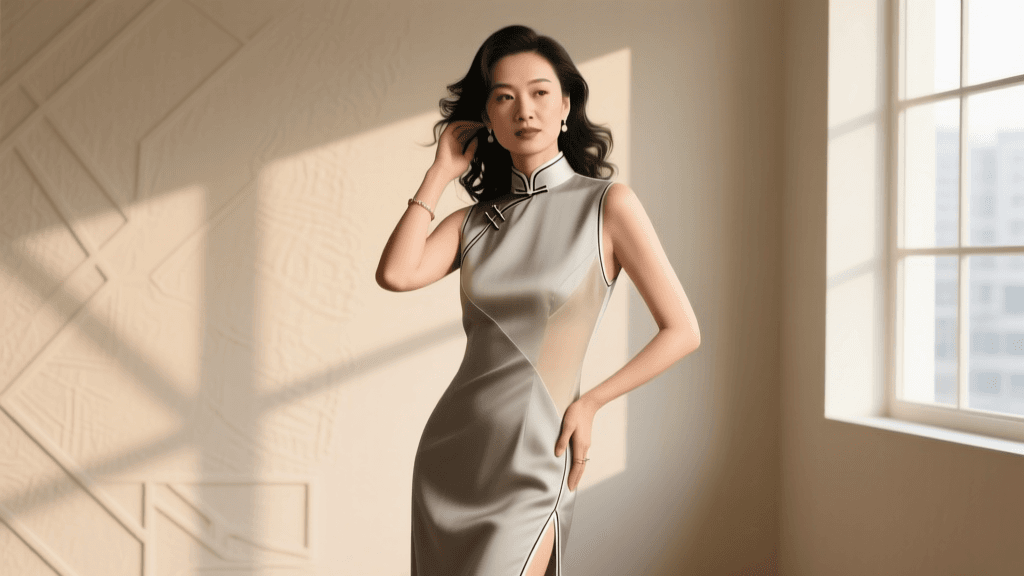
The qipao, historically known as the cheongsam, has long been recognized as a symbol of Chinese elegance, characterized by its form-fitting silhouette, high mandarin collar, and intricate frog fasteners. However, the 21st century has birthed a radical sartorial evolution: the Neo-Qipao. This modern adaptation strips away the restrictive formalities of the mid-century cheongsam, injecting it with the rebellious, utilitarian, and oversized aesthetics of contemporary global streetwear. For fashion enthusiasts and cultural historians alike, the neo-qipao represents a fascinating intersection where Asian traditions meet urban utility.
According to industry analyses and cultural reporting from outlets like Sixth Tone, the resurgence of traditional Chinese garments among Gen Z and millennial consumers is not merely a nostalgic trend but a deliberate reclamation of cultural identity through a modernized lens. Designers are actively deconstructing the classic cheongsam, reimagining it for a generation that prioritizes mobility, gender fluidity, and everyday versatility. The result is a garment that honors its Manchu and Han tailoring roots while fully embracing the ethos of modern fusion fashion.
Traditional Qipao vs. Neo-Qipao: A Structural Comparison
To truly master the styling of a neo-qipao, one must first understand the structural deviations from its historical predecessor. The traditional qipao of the 1930s Shanghai era was engineered to hug the body's natural curves, often restricting movement to emphasize a demure, elongated silhouette. The neo-qipao, conversely, prioritizes comfort, layering, and dynamic movement. Below is a comprehensive breakdown of the structural differences.
| Feature | Traditional Qipao (1930s-1950s) | Neo-Qipao (Modern Streetwear) |
|---|---|---|
| Silhouette | Form-fitting, pencil skirt, tailored darts | A-line, drop-waist, oversized, or boxy |
| Collar | Stiff, high mandarin collar (Yuanling) | Soft fold-over, detached collars, or collarless |
| Fasteners | Hand-knotted silk frog buttons (Pankou) | Industrial zippers, snap buttons, velcro, or exaggerated decorative frogs |
| Slits | High side slits for walking ease | Asymmetrical zippers, front slits, or no slits with flared hems |
| Fabrics | Silk brocade, velvet, crepe de chine | Denim, tech-nylon, corduroy, heavy cotton, knits |
| Primary Use | Formal events, weddings, diplomatic functions | Daily streetwear, clubbing, casual layering |
Core Elements of Neo-Qipao Fusion Design
Fabric Disruption and Textile Innovation
The most immediate visual cue of a neo-qipao is its departure from delicate silks. Modern fusion designers frequently employ heavy-duty, utilitarian fabrics. Washed indigo denim transforms the qipao into a rugged jacket-dress, while water-resistant tech-nylon aligns the garment with the techwear movement. Corduroy and heavy-gauge ribbed knits are also popular for autumn and winter collections, providing thermal warmth and a tactile, urban edge that silk simply cannot achieve. This material shift not only lowers the barrier to entry for daily wear but also drastically reduces the maintenance and dry-cleaning costs associated with traditional brocades.
Structural Deconstruction and Silhouette Adjustments
Fusion fashion thrives on breaking the rules of classic tailoring. In the neo-qipao, the iconic side slits are often replaced with heavy-duty two-way metallic zippers, allowing the wearer to adjust the hem's ventilation and silhouette on the fly. Shoulder seams are frequently dropped or extended, creating a relaxed, slouchy profile that accommodates thick under-layers. Furthermore, the hemline has been radically shortened in many streetwear iterations, hitting mid-thigh to mimic the proportions of a tunic or oversized shirt, making it ideal for pairing with wide-leg cargo pants or pleated skirts.
Actionable Styling Guide: Wearing the Neo-Qipao Daily
Integrating a culturally significant garment into a modern wardrobe requires a thoughtful approach to styling. The goal is to create a cohesive look that respects the garment's heritage while anchoring it firmly in contemporary fashion. Here are practical, actionable styling formulas for the neo-qipao.
Footwear Pairings: Grounding the Silhouette
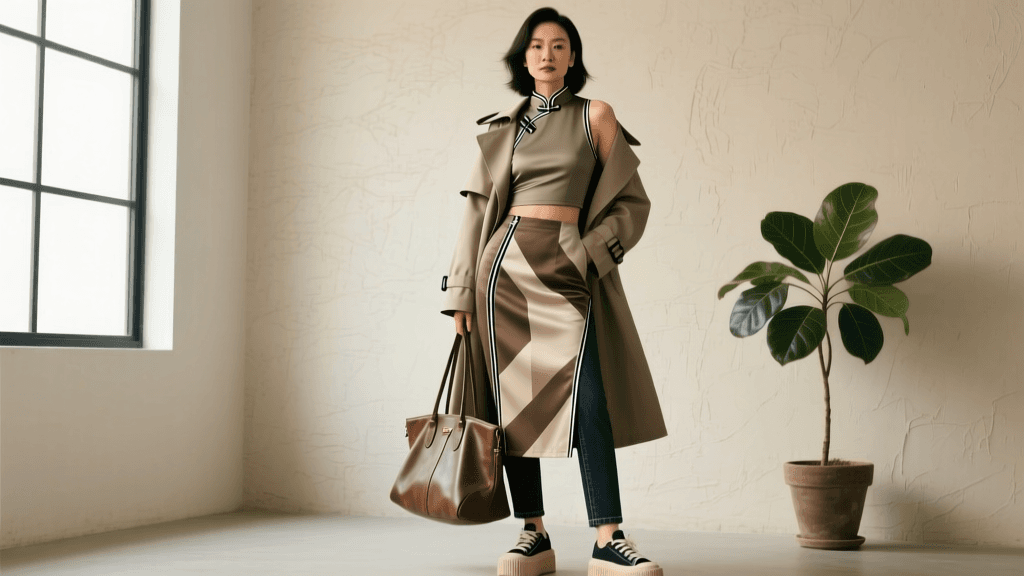
- Chunky Sneakers: Pair a short-hemmed, A-line denim neo-qipao with aggressive, chunky sneakers (such as the Balenciaga Triple S or Nike Air Monarch). The visual weight of the shoes balances the voluminous top half, creating a grounded, street-ready aesthetic.
- Combat Boots: For a grunge-inspired fusion look, style a corduroy neo-qipao with knee-high leather combat boots like Dr. Martens Jadon. Ensure the hem of the dress sits at least four inches above the top of the boot to avoid cutting the leg line awkwardly.
- Minimalist Mules: For a smarter, contemporary-casual approach, opt for square-toed leather mules. This works exceptionally well with midi-length knit neo-qipaos, bridging the gap between office-appropriate attire and after-hours socializing.
Layering Techniques for Climate and Depth
Layering is the cornerstone of streetwear, and the neo-qipao is uniquely positioned to act as either a base layer or an outer shell. During colder months, wear a fitted, ribbed turtleneck underneath a sleeveless or short-sleeved neo-qipao. This not only provides warmth but also highlights the garment's distinctive collar and armhole detailing. Alternatively, treat a long-sleeved, heavyweight cotton neo-qipao as a lightweight duster coat, wearing it open over a graphic tee and distressed denim jeans. The Metropolitan Museum of Art's 'China: Through the Looking Glass' exhibition highlighted how Western and Eastern designers have long used the qipao's structure as a canvas for avant-garde layering, a practice that has now fully permeated everyday street style.
Sizing, Tailoring, and Cost Expectations
One of the most common pitfalls when purchasing traditional Asian garments is navigating the sizing conventions, which often run significantly smaller than Western standard sizing. When shopping for a neo-qipao, especially from independent Asian designers or direct-from-manufacturer platforms, precise measurements are non-negotiable.
Crucial Measurements and Ease Allowances
Unlike the traditional qipao, which requires a skin-tight 'negative ease' or a mere 2-4 cm of positive ease, the neo-qipao demands more room for layering and movement. When providing your measurements to a tailor or consulting a brand's size chart, ensure you account for the following:
- Bust & Waist: Add 8-12 cm of ease to your actual body measurements to accommodate the drop-shoulder and boxy cuts typical of streetwear fusion.
- Shoulder Width: Measure from the edge of one shoulder bone to the other, then add 4-6 cm if you desire the popular slouchy, extended-shoulder look.
- Hollow-to-Hem: Measure from the base of your neck (the hollow) down to your desired hemline. For a tunic-style streetwear look, aim for a measurement that hits roughly 5-10 cm below the crotch line, allowing it to be worn safely without leggings.
Market Pricing and Alteration Budgets
The cost of acquiring a neo-qipao varies wildly based on the production method and brand prestige. Below is a realistic budget breakdown for consumers:
- Fast Fashion & Mass Market (Taobao, Shein, AliExpress): $30 to $80 USD. These pieces are typically made from polyester blends and feature printed, rather than woven, patterns. Expect to spend an additional $20-$40 at a local tailor to adjust the hem or take in the waist, as mass-market sizing is highly inconsistent.
- Independent Fusion Brands (e.g., Heydress, ZUCZUG, Ms MIN): $150 to $450 USD. These brands offer authentic design innovation, utilizing high-quality cottons, denims, and custom-molded hardware. The tailoring is generally excellent, requiring minimal to no alterations.
- Bespoke / Custom Tailoring (Shanghai or Hong Kong ateliers): $800 to $2,500+ USD. For a truly personalized neo-qipao crafted from premium Japanese selvedge denim or Italian tech-fabrics, bespoke is the ultimate route. The timeline for this process is typically 4 to 8 weeks, requiring at least two in-person fitting sessions.
Conclusion: The Future of Heritage Streetwear
The neo-qipao is far more than a fleeting fashion trend; it is a vital, breathing evolution of Chinese sartorial history. By marrying the elegant, distinctive architecture of the traditional cheongsam with the unapologetic comfort and utility of modern streetwear, designers and wearers alike are ensuring that this cultural artifact remains relevant for generations to come. Whether you are investing in a bespoke denim tunic or styling an off-the-rack knit cheongsam with chunky sneakers, the neo-qipao offers a powerful, stylish medium for personal and cultural expression in the modern urban landscape.