Hanfu Tourism: The Ultimate Guide to Epic Photoshoots
The Rise of Hanfu Destination Tourism
Over the past five years, traditional Chinese clothing has transitioned from a niche historical hobby into a massive cultural and economic phenomenon. Hanfu tourism—traveling specifically to wear, photograph, and share traditional garments—has fundamentally reshaped the domestic travel landscape in China. For content creators, travel bloggers, and cultural enthusiasts, destinations across the country now offer dedicated infrastructure, from specialized rental boutiques to historically accurate architectural backdrops, making it easier than ever to produce stunning, viral-worthy social media content.
The broader revival of these garments, extensively documented in the cultural archives of Hanfu history, shows a definitive shift from subculture to mainstream tourism driver. Travelers are no longer just visiting ancient capitals to look at relics; they are immersing themselves in the living history of the Silk Road, the Song Dynasty literati, and the grandeur of the Tang courts. Whether you are shooting for Douyin, Xiaohongshu (Little Red Book), or Instagram, mastering the logistics of Hanfu destination tourism is essential for capturing breathtaking imagery.
Top Destinations for Viral Hanfu Content
Choosing the right location is the foundation of any successful Hanfu photoshoot. Different cities specialize in different historical eras, which dictates the style of garment you should wear, the makeup you should apply, and the time of day you should shoot. Below is a comparative guide to China's premier Hanfu tourism hubs.
| Destination | Historical Era Focus | Signature Garment | Best Shooting Time | Avg. Full Package Cost (RMB) |
|---|---|---|---|---|
| Xi'an | Tang Dynasty | Qixiong Ruqun, Yuanlingpao | Blue Hour (Night) | 400 - 800 |
| Hangzhou | Song Dynasty | Beizi, Baidi Pleated Skirts | Early Morning (Mist) | 300 - 600 |
| Luoyang | Wei-Jin / Tang | Wei-Jin Feng, Banbi | Late Afternoon | 250 - 500 |
Xi'an: Tang Dynasty Grandeur
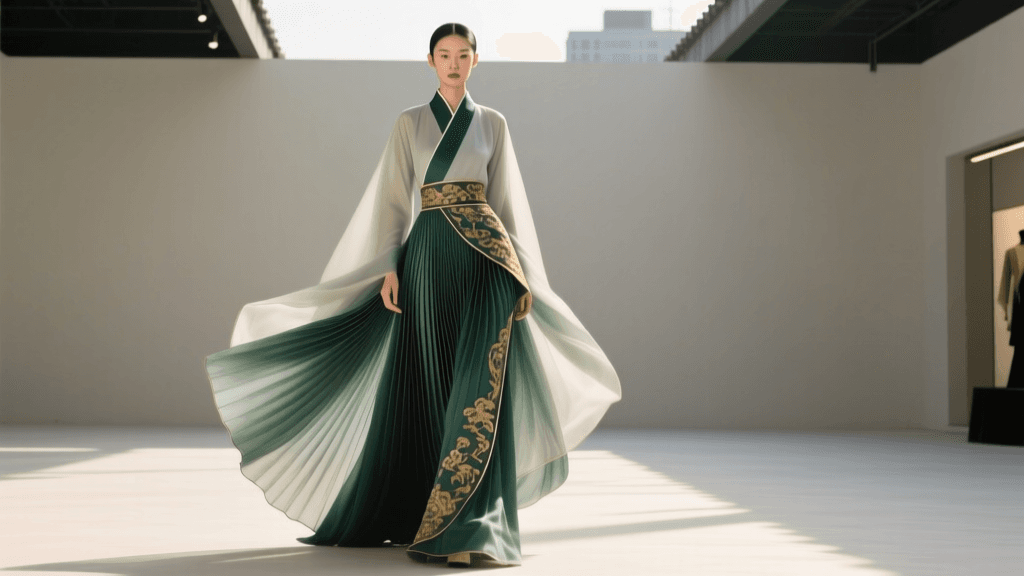
Xi'an is the undisputed capital of Hanfu tourism. The city's Datang Everbright City has become the epicenter of Tang Dynasty cosplay and photography. This massive pedestrian complex is designed to replicate the cosmopolitan glory of Chang'an. For content creators, the Tang Dynasty aesthetic calls for bold, vibrant colors, elaborate floral hairpins (Mao), and the iconic Qixiong Ruqun (chest-high pleated skirt) paired with a flowing Pibo (silk shawl). The best time to shoot here is during the "blue hour" just after sunset, when the complex's thousands of red and gold lanterns are illuminated, providing a cinematic, warm glow that requires minimal artificial lighting.
Hangzhou: Song Dynasty Elegance
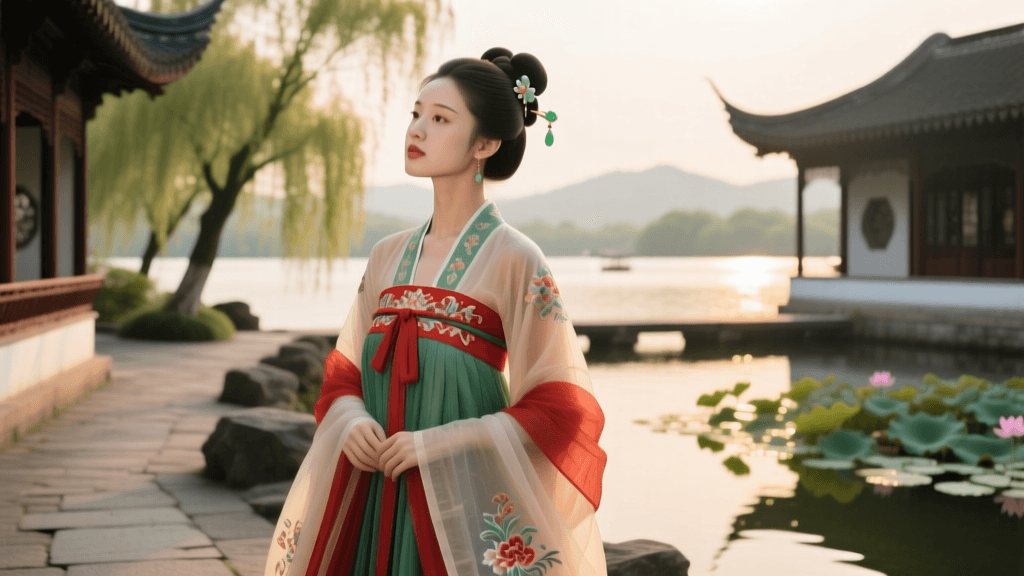
If Xi'an is about opulence, Hangzhou is about understated elegance. The West Lake cultural landscape, recognized by UNESCO for its profound influence on classical Chinese garden design and poetry, is the perfect backdrop for Song Dynasty Hanfu. The Song aesthetic favors slender silhouettes, muted pastel tones, and minimalist jewelry. The Beizi (a long, open-front overcoat) worn over a delicate camisole and a Baidi (pleated skirt) is the standard uniform here. Shoot early in the morning around the Su Causeway to capture the iconic morning mist rolling off the lake, avoiding the massive crowds that gather by midday.
Luoyang: Wei-Jin and Tang Majesty
Luoyang offers a slightly more rugged and mystical aesthetic, particularly when shooting near the Longmen Grottoes or the Luoyi Ancient City. Luoyang is famous for the "Wei-Jin Wind" (Wei-Jin Feng), a style characterized by flowing, wide-sleeved robes, open collars, and a sense of carefree, scholarly rebellion. Alternatively, the city's peony festivals in spring provide an opportunity to shoot rich, heavily embroidered Tang-style garments against fields of blooming flowers. Rental costs in Luoyang are generally 20-30% lower than in Xi'an, making it an excellent destination for budget-conscious creators who still want high-quality, historically immersive backdrops.
Practical Guide: Renting vs. Buying for Travel
One of the most critical decisions for Hanfu tourists is whether to rent locally or travel with their own wardrobe. Both approaches have distinct advantages and logistical challenges.
The Rental Route
Renting is highly recommended for first-time travelers or those flying with limited luggage. In cities like Xi'an and Luoyang, Hanfu rental studios are clustered around major tourist sites. A standard rental package (garment, accessories, and basic styling) costs between 150 and 300 RMB ($20-$40 USD). Premium packages featuring authentic silk weaves, real jade accessories, and intricate embroidery can range from 500 to 1,000 RMB. Use the Dianping app to filter studios by rating and view user-uploaded photos of the garments to ensure they are well-maintained and historically accurate, avoiding cheap, anachronistic "costume" shops.
Traveling with Your Own Hanfu
For serious content creators who require specific, high-end pieces, bringing your own Hanfu is necessary. However, traditional garments are notoriously difficult to pack. Avoid pure silk or heavy brocades if you are traveling without a professional steamer. Instead, opt for high-quality polyester-blend jacquards or chiffon, which drape beautifully but resist deep wrinkling. Pack garments in individual cotton garment bags, and roll the skirts rather than folding them to preserve the pleats. Always carry a portable, high-wattage travel steamer and a bottle of wrinkle-release spray; a wrinkled Mamianqun (horse-face skirt) will ruin an otherwise perfect photograph.
Styling, Makeup, and Photography Timing
Hanfu photography requires a holistic approach to styling. Modern makeup and contemporary hairstyles will instantly break the historical illusion and perform poorly on algorithm-driven platforms like Xiaohongshu.
- Makeup and Hair: Most rental studios offer in-house makeup and hair styling for an additional 199 to 399 RMB. Specify your desired dynasty when booking. Tang makeup requires the iconic Huadian (forehead floral applique), heavy blush, and elaborate updos using wire-framed hairpieces. Song makeup is much more subdued, focusing on a pale complexion, subtle peach blush, and simple, elegant buns adorned with pearl or jade hairpins.
- Photography Gear: For environmental shots that capture the architecture and the flow of the fabric, a 35mm f/1.4 lens is ideal. For intimate, emotive portraits that blur out the inevitable tourist crowds in the background, an 85mm f/1.8 or 70-200mm f/2.8 telephoto lens is essential. Bring a 5-in-1 collapsible reflector; bouncing warm light onto the subject's face during golden hour will elevate your images from amateur snapshots to professional editorials.
- Timing and Posing: Never shoot at high noon. The harsh shadows will ruin the delicate textures of the embroidery. Schedule your shoots for the golden hour (one hour after sunrise or one hour before sunset). When posing, focus on the movement of the fabric. Have the subject walk slowly toward the camera, gently toss their Pibo (shawl) into the wind, or interact with traditional props like bamboo fans, oil-paper umbrellas, and bamboo flutes.
Social Media Strategy: Dominating Douyin and Xiaohongshu
Capturing the image is only half the battle; optimizing it for social media is what drives engagement. In the Chinese digital ecosystem, Xiaohongshu is the premier platform for Hanfu inspiration, while Douyin dominates short-form video transitions.
For Xiaohongshu, structure your posts as comprehensive guides. Users save and share content that provides value. Create a carousel where the first image is a breathtaking, high-contrast portrait, and the subsequent slides break down the outfit details, the exact GPS location, the name of the rental studio, and the total cost. Use targeted hashtags such as #HanfuTravel, #SongDynastyHanfu, and #Xi'anPhotography. For photo editing, apps like Xingtu (WakeUp) and Meitu offer specialized filters that enhance the muted, film-like tones preferred in Song dynasty aesthetics, or the rich, cinematic reds required for Tang dynasty night shoots.
For Douyin, focus on the "transformation" trend. Start the video in modern, casual streetwear walking through a mundane transit hub, then use a seamless transition (like a fan snap or a sleeve toss) to reveal the full Hanfu transformation in the majestic setting of an ancient temple or palace. Pair the video with trending traditional Chinese instrumental tracks—specifically Guzheng or Dizi covers of modern pop songs—to maximize algorithmic reach. By combining meticulous historical styling with modern social media tactics, you can create compelling, culturally rich content that resonates with millions of viewers globally.