Kimono Undergarments and Layering: A Complete Guide
The Hidden Architecture of Kitsuke
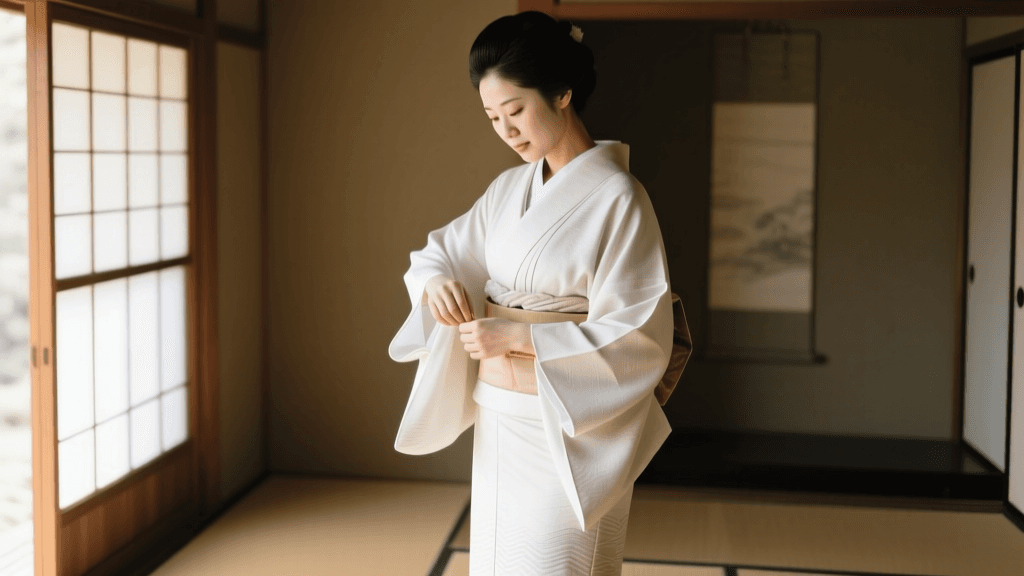
The art of wearing a kimono, known as kitsuke, is a meticulous practice that goes far beyond simply draping a beautiful silk garment over the shoulders. While the outer kimono (uwagi) and the obi sash capture the public's imagination, the true foundation of Japanese traditional dress lies in its undergarments (shitagi) and the complex layering system beneath. According to the Metropolitan Museum of Art, the kimono's iconic T-shape construction and cylindrical silhouette rely heavily on how it is wrapped, tied, and supported by unseen layers. Without the correct undergarments, even the most expensive Nishijin-ori silk kimono will fail to drape correctly, wrinkle uncomfortably, and degrade prematurely from direct contact with the skin.
For modern enthusiasts, vintage collectors, and cultural practitioners, understanding the anatomy of kimono undergarments is essential. This guide explores the foundational layers, the tools used to sculpt the body, seasonal adjustments, and the practical realities of building a complete kitsuke wardrobe.
The Core Undergarments: Building the Foundation
The traditional layering system serves three primary purposes: protecting the outer silk from sweat and oils, providing a smooth canvas for wrapping, and ensuring modesty. The base layers are typically made from breathable cotton, hemp, or washable silk.
1. Hadajuban (Skin Underwear)
The hadajuban is the innermost top layer, worn directly against the skin. It is usually a lightweight, short-sleeved wrap top made of cotton or hemp. Its primary function is to absorb perspiration and prevent body oils from transferring to the more expensive and difficult-to-clean outer layers. Modern alternatives include specialized kimono undershirts with deep V-necks to ensure the underwear remains hidden beneath the kimono's collar. A high-quality cotton hadajuban typically costs between ¥2,500 and ¥4,000 ($15–$25 USD).
2. Susoyoke and Koshimaki (Lower Body Wraps)
For the lower body, wearers use a wrap skirt. The susoyoke is a full-length, tube-like wrap skirt that ties at the waist. It prevents the outer kimono from clinging to the legs, reduces friction when walking, and provides an extra layer of warmth. In colder months, a thicker, flannel-lined version called a koshimaki may be worn instead. Both garments are essential for maintaining the smooth, columnar drape of the outer kimono skirt.
3. Nagajuban (The Long Under-Robe)
The nagajuban is perhaps the most critical structural undergarment. It is a full-length robe worn over the hadajuban and susoyoke. While mostly hidden, the nagajuban serves two vital visible functions: it provides the structural base for the collar, and its sleeves peek out from the outer kimono's armholes (furi), adding depth and contrast to the outfit. The Victoria and Albert Museum notes that the layering of collars and sleeves has historically been a key indicator of a wearer's refinement and attention to seasonal aesthetics.
4. Han-eri (The False Collar)
Attached to the nagajuban is the han-eri, a decorative, removable false collar. Because the nagajuban is difficult to wash frequently, the han-eri takes the brunt of neck oils and makeup. It is easily unpinned, washed, and swapped out to match the season or the formality of the outer kimono. Embroidered silk han-eri are reserved for formal wear, while washable synthetic or cotton versions are used for daily practice.
The Architecture of Shape: Padding and Tying Tools
Unlike Western fashion, which often uses tailoring and corsetry to accentuate the natural curves of the body, traditional kitsuke requires a cylindrical, straight silhouette. Curves cause the kimono fabric to bunch and wrinkle. Therefore, padding and specialized tying tools are mandatory.
Body Sculpting and Padding
- Kimono Bra (Wako-brassiere): Designed to flatten the bust rather than enhance it. A flatter chest prevents the kimono collar from gaping open at the front.
- Towels and Wata-ire: Small hand towels are wrapped around the waist and hips to fill in the natural curve of the lower back and hips. Pre-made padded belts (wata-ire) are also available for quick application.
- Hip Pads: Worn to smooth out the hip line, ensuring the obi sits perfectly level.
Tying Cords and Sashes
Once the body is padded, the layers must be secured without creating bulky knots that would show through the outer silk.
- Koshihimo: These are thin, long cotton or silk cords (usually about 90cm to 100cm in length) used to tie the hadajuban, nagajuban, and eventually the outer kimono in place. A full dressing session requires three to five koshihimo.
- Datejime: A wide, elastic or silk sash tied over the koshihimo at the waist. The datejime flattens the ties beneath it, provides a smooth surface for the obi to rest upon, and prevents the kimono from slipping during wear.
- Korin Belt: A modern invention featuring elastic and clips, used to secure the outer kimono's collar in place without the need for complex tying.
Seasonal Layering: Adapting to the Climate
Japanese traditional dress is deeply tied to the seasons, and this extends to the undergarments. The concept of koromogae (seasonal wardrobe change) dictates the weight and material of the layers worn.
Awase (Lined) Season: October to May
During the cooler months, wearers use lined nagajuban and heavier cotton or silk-blend hadajuban. The susoyoke may be lined with flannel. The overall layering provides significant insulation, making the kimono surprisingly warm even in mild winter weather.
Hitoe (Unlined) Season: June and September
As the humidity rises, the layers transition to hitoe (unlined) garments. The nagajuban is made of a single layer of breathable silk or high-quality cotton-ro (ro weave). The padding is reduced to prevent overheating.
Ro and Sha (Gauze) Season: July and August
At the peak of summer, transparency and airflow are paramount. The nagajuban is crafted from ro or sha (stiff, woven gauze fabrics). The hadajuban is often replaced by a sleeveless, open-weave camisole. As noted by Encyclopedia Britannica, the use of sheer fabrics in summer kimono and undergarments is a hallmark of Japanese textile artistry, offering visual coolness through translucency.
The Step-by-Step Layering Sequence
Dressing in a kimono follows a strict, logical order. Skipping a step or tying a knot too thickly will ruin the final silhouette. Below is the standard sequence for a formal kitsuke session.
| Step | Garment / Tool | Primary Purpose | Key Tying Detail |
|---|---|---|---|
| 1 | Kimono Bra & Pads | Flatten bust, pad hips/waist | Ensure pads sit exactly on the hip bones |
| 2 | Hadajuban | Skin protection, sweat absorption | Tied with a thin ribbon at the right side |
| 3 | Susoyoke | Leg protection, walking ease | Wrapped left over right, tied at right hip |
| 4 | Nagajuban | Collar base, sleeve contrast | Tied with 1st Koshihimo, smoothed down |
| 5 | Datejime (Under) | Flatten nagajuban ties | Tied at the front or side, never the back |
| 6 | Outer Kimono | Main aesthetic garment | Collar aligned, hem adjusted, tied with 2nd Koshihimo |
| 7 | Datejime (Over) | Secure outer kimono for Obi | Tied tightly to create a flat canvas |
| 8 | Obi & Obi Accessories | Formal sash and decoration | Tied at the back (e.g., Otaiko or Bunko knot) |
Care, Maintenance, and Modern Alternatives
Maintaining kimono undergarments requires diligence. While outer silk kimonos must be professionally dry-cleaned (arai-hari or modern chemical cleaning), the cotton hadajuban and susoyoke can and should be machine-washed regularly. The nagajuban, if made of silk, requires professional cleaning, but the han-eri collar should be removed and hand-washed with mild detergent after every wearing.
For modern wearers who find traditional layering too time-consuming or hot, the market offers innovative alternatives. 'One-piece' nagajuban (combining the top and skirt into a single slip-on garment) and stretch-fabric datejime with velcro closures have become popular among casual wearers and summer festival attendees. However, for formal events, tea ceremonies, and traditional arts, the meticulous, multi-layered approach remains the undisputed standard of elegance and respect for the craft.
Conclusion
The beauty of the kimono is ultimately an illusion created by the garments hidden beneath it. The hadajuban, susoyoke, nagajuban, and an array of tying cords work in unison to transform a flat piece of woven fabric into a structured, graceful, and culturally resonant silhouette. By mastering the art of kimono undergarments and layering, practitioners not only protect their valuable textiles but also participate in a centuries-old tradition of Japanese sartorial architecture.