Guide to Japanese Tea Ceremony and Ikebana Dress Codes
The Philosophy of Attire in Japanese Traditional Arts
Engaging in Japan's traditional arts is an exercise in mindfulness, discipline, and profound respect for the ephemeral beauty of nature. Two of the most revered practices, Chado (the Way of Tea) and Ikebana (the Way of Flowers), require participants to cultivate a deep sense of harmony with their surroundings. This philosophy extends far beyond the physical acts of whisking matcha or arranging botanical stems; it encompasses the very garments you wear. Dressing appropriately for a Japanese tea ceremony or an Ikebana class is not merely about adhering to rigid rules. It is a physical manifestation of Wa (harmony) and Kei (respect), ensuring that your presence complements rather than disrupts the meticulously curated environment.
For tourists, cultural enthusiasts, and expatriates living in Japan, navigating these dress codes can feel daunting. Whether you are booking a premium kimono rental in Kyoto's Higashiyama district or attending a local Ikebana workshop in Tokyo, understanding the nuances of traditional and modern attire will elevate your experience from a simple tourist activity to a genuine cultural immersion.
Traditional Kimono Guidelines for Chado
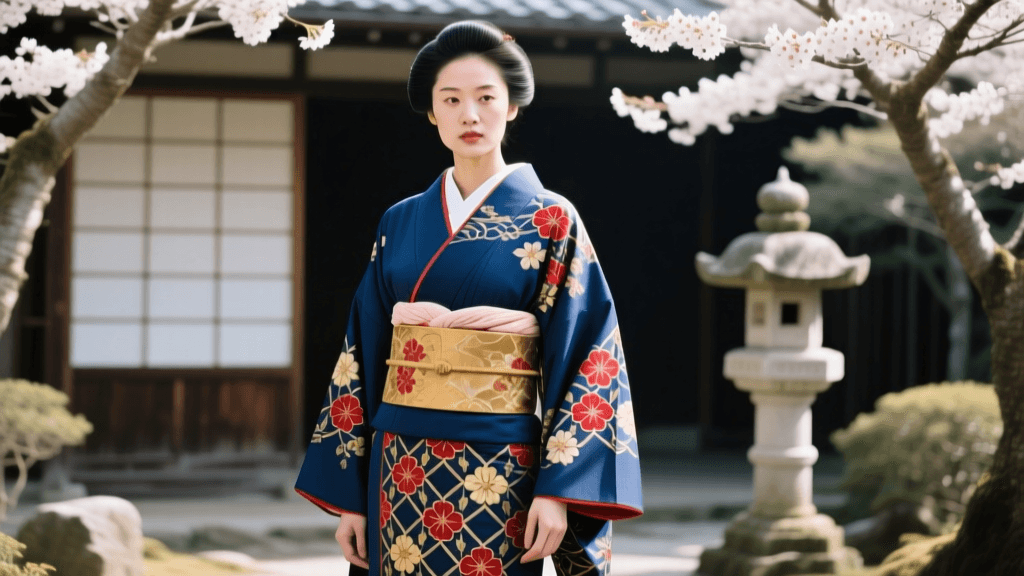
Wearing a kimono to a tea ceremony is the gold standard of etiquette. However, not all kimono are created equal, and wearing an overly formal or excessively flashy garment can be seen as disrespectful to the host and the understated elegance of the tea room (chashitsu).
Recommended Kimono Types
For most tea gatherings, subtle elegance is preferred. The Metropolitan Museum of Art highlights that the tea ceremony champions the aesthetic of wabi-sabi, which favors rustic simplicity and quiet refinement. Therefore, your kimono should reflect this:
- Iromuji: A solid-colored kimono with one to three family crests. This is the most versatile and highly recommended choice for tea ceremonies, as it is formal enough to show respect but subdued enough not to outshine the tea utensils.
- Edo Komon: Featuring micro-patterns that appear solid from a distance, this is an excellent choice for slightly less formal gatherings or practice sessions.
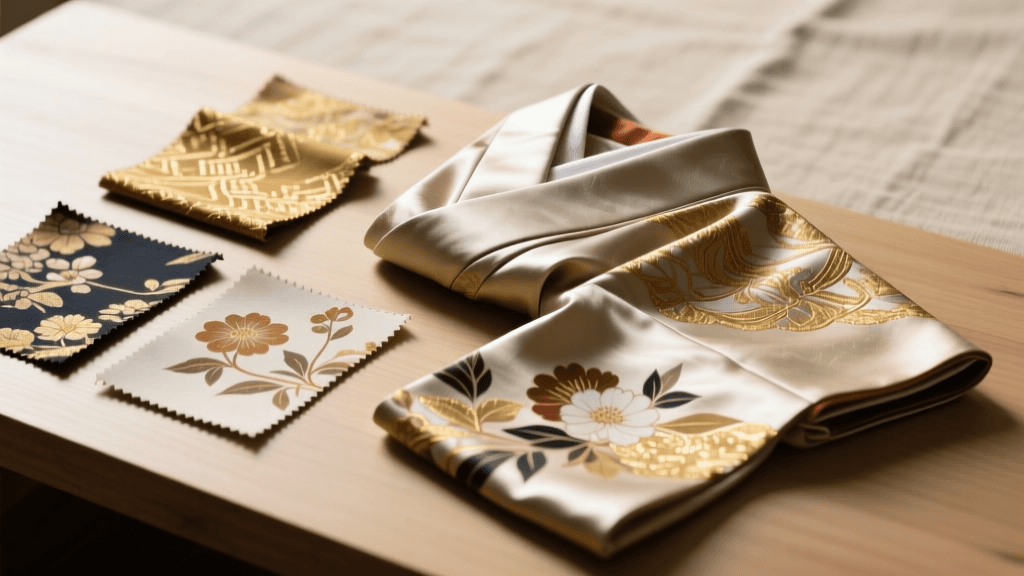
- Tsukesage: A semi-formal kimono with patterns that do not cross the seams. It is acceptable for festive tea gatherings but should feature muted, seasonal motifs rather than bold, flashy designs.
Avoid: Furisode (long-swinging sleeves worn by unmarried women) and Uchikake (wedding attire), as these are far too formal and visually overwhelming for the intimate, grounded space of a tea room.
Obi and Accessories
The obi (sash) should be tied in a Nagoya or Fukuro style, typically utilizing the taiko musubi (drum knot). Avoid overly complex or flamboyant knots. The obijime (decorative cord) and obidome (brooch) offer a wonderful opportunity to showcase kisetsukan (seasonal awareness) through subtle motifs like plum blossoms in late winter or maple leaves in autumn.
Footwear Etiquette
Footwear is strictly regulated in traditional Japanese arts. You must remove all outdoor shoes before stepping onto the tatami mats. Inside, you should wear tabi (split-toe socks). For formal tea ceremonies, pristine white tabi are mandatory. For casual practice or tourist experiences, colored or patterned tabi are acceptable, but bare feet or standard Western socks are strictly forbidden on tatami.
Western Clothing (Yofuku) Alternatives
If you do not own a kimono or are unable to rent one, modest Western clothing (yofuku) is entirely acceptable, provided it adheres to specific guidelines of modesty and practicality.
- Skirts and Dresses: Hemlines should fall at or below the knee. Because you will be sitting in seiza (kneeling) on the floor, shorter skirts will ride up inappropriately. A-line or pleated midi skirts are ideal.
- Trousers: While historically frowned upon in conservative tea schools, tailored, wide-leg trousers are increasingly accepted in modern Ikebana classes and casual tea experiences. Avoid tight jeans, leggings, or athletic wear.
- Tops: Blouses with high necklines or modest V-necks are best. Avoid sleeveless tops; if wearing a short-sleeved blouse, bring a light cardigan to cover your shoulders.
- Legwear: Bare legs are generally considered inappropriate in formal traditional settings. Wear sheer tights or stockings, even in the summer months.
Ikebana: Dressing for the Art of Flowers
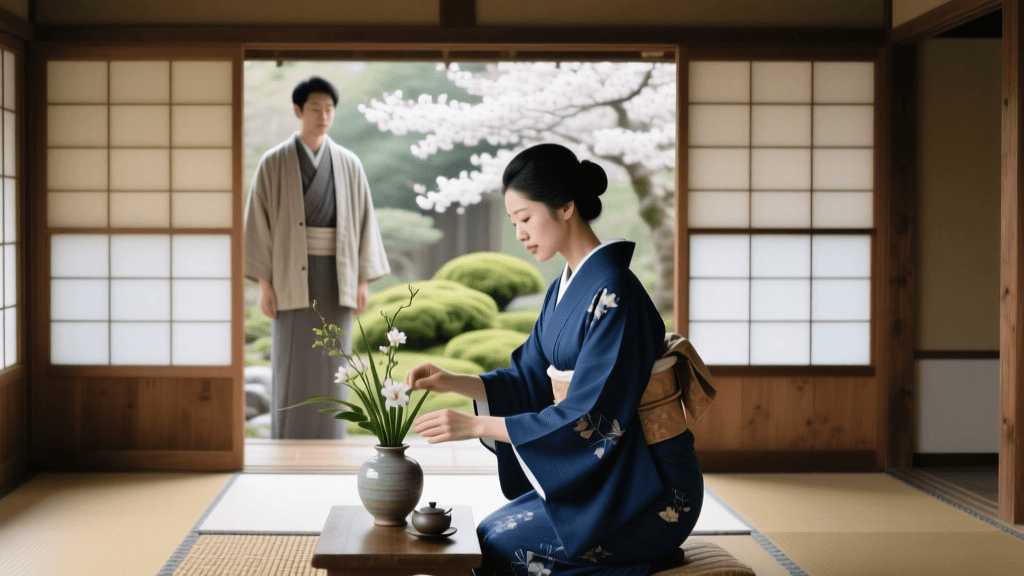
While Ikebana shares the foundational philosophy of harmony with Chado, the physical act of arranging flowers introduces unique practical considerations. As noted by the Ikenobo Ikebana Society, the oldest and largest school of Ikebana, the practitioner must move fluidly around the arrangement, often interacting with water, sharp shears, and rigid branches.
When attending an Ikebana workshop, prioritize garments that allow for a full range of motion. Wide, flowing sleeves (like those on a traditional kimono or a bohemian blouse) can easily knock over tall vases or become tangled in thorny branches like those of the quince or pine. Opt for fitted sleeves or use tasuki (a traditional cord used to tie back kimono sleeves) if you are wearing traditional garb. Furthermore, avoid wearing expensive silk or light-colored fabrics that could be permanently stained by floral sap, chlorophyll, or spilled water.
The Absolute 'Do Nots' of Traditional Arts Attire
Protecting the centuries-old utensils and the sanctity of the space is paramount. Regardless of whether you are wearing a $5,000 silk kimono or a modest cotton dress, you must strictly avoid the following:
- Jewelry: Remove all rings, bracelets, and watches. Metal jewelry can easily scratch, chip, or permanently damage antique Raku tea bowls and delicate ceramic Ikebana vases. The clinking of metal also disrupts the quiet auditory landscape of the tea room.
- Perfume and Strong Scents: Do not wear perfume, scented lotions, or heavily fragranced hair products. Chado involves the appreciation of kodo (incense) and the delicate, grassy aroma of high-grade matcha. Ikebana focuses on the natural scent of the botanicals. Artificial fragrances overpower these subtle sensory experiences.
- White Socks (on Tatami): While white tabi are correct, standard white cotton athletic socks are considered underwear in Japan and should never be worn visibly on tatami mats. If you do not have tabi, wear dark, clean dress socks or purchase disposable slip-on tabi at a local 100-yen shop.
- Flashy Nail Polish: Keep nails trimmed short and clean. If wearing polish, opt for clear or very pale, neutral tones. Bright red or neon nails are considered distracting and visually clash with the earthy tones of the tea room.
Seasonal Aesthetics: Kisetsukan in Dress
In Japanese traditional arts, anticipating the season slightly before it peaks is a mark of deep cultural literacy. This concept, known as kisetsukan, should be reflected in your color palette and motifs.
| Season | Recommended Colors | Appropriate Motifs | Fabric Considerations |
|---|---|---|---|
| Spring (Haru) | Pale pink, soft yellow, light green | Cherry blossoms, plum, butterflies | Lightweight silk, lined kimono (Awase) |
| Summer (Natsu) | Cool blue, wisteria, white, mint | Wisteria, morning glory, flowing water | Breathable ro or sha (sheer silk), linen |
| Autumn (Aki) | Rust, ochre, deep burgundy, olive | Maple leaves, chrysanthemum, susuki grass | Medium-weight silk, rich textures |
| Winter (Fuyu) | Deep red, navy, charcoal, pure white | Pine, bamboo, camellia, snowflakes | Heavy silk, velvet haori jackets |
Practical Tips for Tourists and Beginners
If you are visiting Japan and plan to participate in a cultural experience, booking a kimono rental is highly recommended. When selecting a rental shop, specifically ask for a 'tea ceremony appropriate' kit. Many tourist-focused shops default to bright, flashy yukata or heavily patterned kimono that, while fun for street photography in Harajuku, are inappropriate for a traditional tea room.
Arrive at your venue at least 30 minutes early. Changing into traditional garments, adjusting the obi, and mentally transitioning from the bustling city streets into the quietude of the cultural space takes time. When entering the tea room, remember to bow at the threshold, step over the border of the tatami mat (never on it), and sit gracefully. As the great tea master Sen no Rikyu famously observed:
'Though you wipe your hands and brush off the dust and dirt from the vessels, what is the use of all this fuss if the heart is still impure?' - Sen no Rikyu
Ultimately, the dress code for Chado and Ikebana is not designed to exclude or intimidate. It is a framework designed to strip away the ego and the distractions of the modern world. By dressing modestly, removing your jewelry, and embracing the seasonal palette, you signal to your host and your fellow practitioners that you are fully present, respectful, and ready to receive the profound beauty that these ancient arts have to offer.