Ultimate Guide to Hanfu Conventions and Community Meetups
The Rise of the Hanfu Community
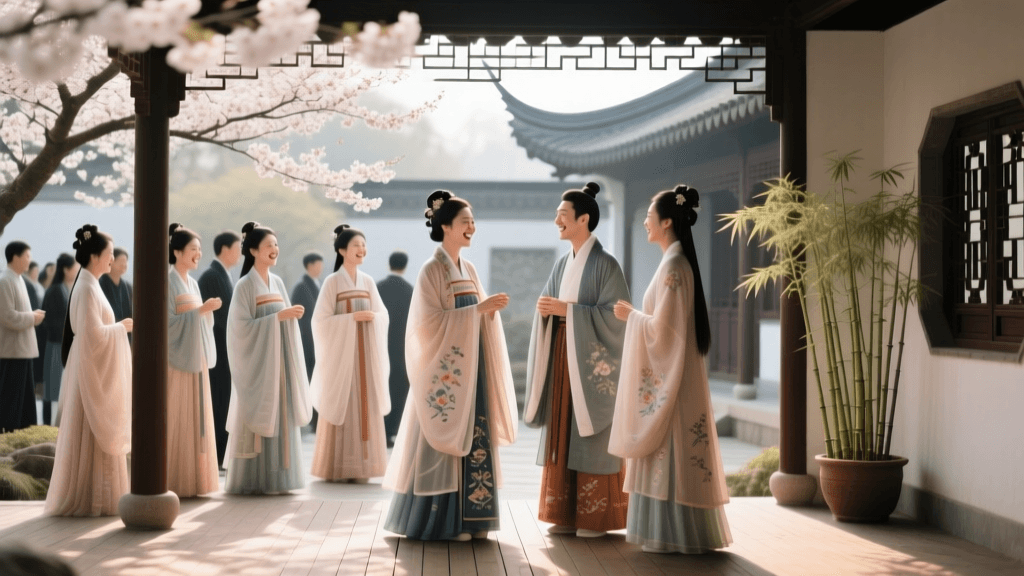
The Hanfu movement, known in Chinese as Hanfu Yundong, has evolved from a niche online interest into a massive, real-world cultural phenomenon. What began in the early 2000s on internet forums as a quest to reclaim pre-Qing dynasty Han Chinese clothing has blossomed into a vibrant global community. Today, enthusiasts—often called Tongpao (companions of the same robe)—gather in public parks, botanical gardens, and massive convention centers to celebrate traditional textiles, historical accuracy, and cultural pride. According to a report by Reuters, the Hanfu market has exploded in value, driven largely by Gen Z consumers who view these garments not as costumes, but as a legitimate, everyday fashion choice and a profound connection to their heritage.
For those looking to immerse themselves in this world, attending a Hanfu convention or local meetup is the ultimate experience. These events offer a unique blend of fashion show, historical reenactment, and social gathering. However, navigating the etiquette, budgeting, and styling requirements of these events can be daunting for newcomers. This comprehensive guide will walk you through everything you need to know about Hanfu community events, from mega-festivals to intimate local photography walks.
Types of Hanfu Events: From Local Parks to Mega-Festivals
The Hanfu community hosts a wide variety of gatherings, each with its own scale, purpose, and dress code expectations. Understanding the differences will help you choose the right event for your experience level and budget.
1. Mega-Festivals (e.g., Xitang Hanfu Cultural Festival)
The undisputed crown jewel of the Hanfu calendar is the Xitang Hanfu Cultural Festival, held annually in the historic water town of Xitang, Zhejiang Province. Taking place over four days in late October or early November, this event draws hundreds of thousands of attendees. It features massive parades, historical reenactments, traditional archery, and academic lectures on textile history. Because of the scale, attendees often spend months planning their outfits, and the town itself becomes a living museum of Ming and Song dynasty aesthetics.
2. Seasonal Park Meetups (e.g., Huazhao Festival)
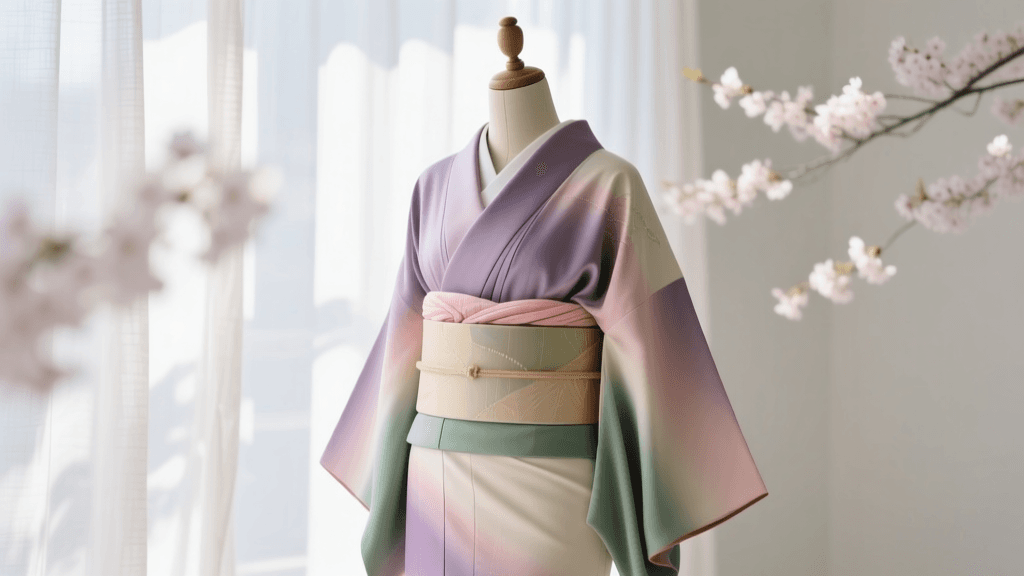
In the spring, communities worldwide celebrate the Huazhao Festival (Flower Festival). These meetups are typically held in botanical gardens or large public parks during March and April when plum blossoms, cherry blossoms, and peonies are in full bloom. The focus here is on photography, picnicking, and enjoying nature. Lighter, pastel-colored garments from the Tang and Song dynasties are highly popular during these springtime gatherings.
3. University Society Gatherings and Local Teahouse Meetups
For a more intimate experience, university Hanfu societies and local city chapters host monthly meetups. These often take place in traditional teahouses, rented cultural centers, or local museums. The vibe is highly social and educational, with senior members often hosting workshops on how to properly tie a Ruqun (blouse and skirt ensemble), style traditional hair buns, or apply historical makeup.
Event Comparison Chart
| Event Type | Scale & Duration | Estimated Cost (USD) | Best For | Recommended Dress Code |
|---|---|---|---|---|
| Mega-Festivals (Xitang) | 10,000+ attendees; 3-4 days | $200 - $600 (Travel, tickets, lodging) | Immersive cultural experience, parades | Ming Dynasty formal wear, heavy embroidery |
| Spring Park Meetups | 50 - 500 attendees; 1 day | $20 - $80 (Park entry, outfit rental) | Photography, socializing, picnics | Song/Tang Dynasty, light silks, pastel colors |
| Local Teahouse/Society | 10 - 50 attendees; 2-4 hours | $10 - $30 (Tea, snacks, venue fee) | Learning, workshops, beginners | Everyday historical wear, modest styling |
Practical Guide: Attending Your First Hanfu Convention
Attending a Hanfu convention requires more preparation than a standard cosplay event or comic convention. Historical accuracy, textile care, and cultural respect are at the forefront of the community's values.
Budgeting and Sourcing Your Outfit
If you do not own a Hanfu, you have two primary options for a convention: renting or buying.
- Renting: Ideal for mega-festivals where you want a high-impact look without the investment. Renting a high-quality, heavily embroidered Ming Dynasty outfit for a weekend typically costs between $30 and $60 USD. Many local Hanfu societies offer rental closets for members.
- Buying: If you plan to attend multiple meetups, purchasing is recommended. Entry-level, machine-embroidered sets start around $40 USD. However, for conventions where enthusiasts appreciate textile accuracy, investing in a custom-tailored silk ensemble with traditional jacquard weaving or hand-embroidery will range from $150 to over $500 USD. As noted by China Highlights, the complexity of the garment, including the pleating of the Mamianqun (horse-face skirt) and the weaving techniques, heavily dictates the price.
Styling for the Season and Setting
Hanfu is deeply tied to the seasons. Wearing a heavy, lined Ming Dynasty cloak in the middle of a July park meetup will not only look out of place but could lead to heat exhaustion.
- Spring/Summer: Opt for Song Dynasty Beizi (lightweight outer jackets) and sheer, breathable fabrics like ramie or lightweight silk. Skirts should be unlined.
- Autumn/Winter: The Ming Dynasty wardrobe shines here. Layering is key. Wear a lined Aoqun (jacket and skirt) paired with a Pifeng (cape or cloak) lined with faux fur or quilted cotton.
Etiquette and Photography Rules
The Hanfu community is generally welcoming, but because members often spend hundreds of dollars and hours perfecting their historical accuracy, certain etiquette rules must be followed, especially regarding photography. The Victoria and Albert Museum highlights the intricate and fragile nature of historical Chinese textiles, a principle that modern enthusiasts apply to their own garments.
- Always Ask Before Shooting: Never assume someone in Hanfu is a paid performer or wants their photo taken. Approach politely, compliment a specific detail of their outfit (like their hairpin or embroidery), and ask for permission.
- Respect the Garments: Never touch another person's Hanfu without explicit permission. The oils from your hands can stain delicate silks, and sudden pulls can damage historical pleating or fragile hair ornaments.
- Mind the Pathways: During mega-festivals like Xitang, the streets are narrow. If you are taking photos, do not block the main thoroughfares or emergency exits. Step into designated photography zones or side alleys.
- Avoid Flash Photography: If you are shooting indoors at a museum meetup or teahouse, turn off your flash. It is disruptive and can be damaging to both historical artifacts and the delicate dyes of modern reproduction silks.
How to Host a Local Hanfu Meetup
If you live in an area without an established Hanfu society, hosting your own meetup is a fantastic way to build a community. Here is a step-by-step actionable guide to organizing a successful local gathering.
1. Location Scouting and Permits
The backdrop is crucial for Hanfu photography and ambiance. Botanical gardens, traditional Asian art museums, and historic estates are ideal. If you are organizing a group larger than 15-20 people in a public park or garden in the US, UK, or Europe, you will likely need to apply for a special event or photography permit from the local city council or parks department. Expect to pay a nominal fee ($50-$150) and apply at least 30 days in advance.
2. Establish a Theme and Dress Code
To create a cohesive visual experience and help attendees narrow down their wardrobe choices, set a specific theme. Examples include:
- Tang Dynasty Banquet: Encourage bold colors, floral motifs, and high-waisted Qixiong Ruqun.
- Ming Dynasty Scholar: Focus on muted tones, Doukou (button-fastened) jackets, and scholarly hats.
3. Organize Group Accessories and Makeup
One of the biggest hurdles for newcomers is traditional hairstyling and makeup. As a host, consider pooling funds to hire a professional Zhuangniang (traditional makeup and hair artist) to attend the meetup. You can offer 30-minute styling slots for attendees. Additionally, organize a group buy for hair accessories like Zan (hairpins) and Buyao (dangling ornaments) from wholesale artisans, which can save attendees up to 40% compared to retail prices.
Conclusion
Hanfu conventions and community meetups are much more than mere fashion shows; they are living, breathing celebrations of Asian textile history, craftsmanship, and cultural identity. Whether you are walking the ancient stone bridges of Xitang, enjoying a spring picnic under the cherry blossoms with your local university society, or hosting your very first botanical garden photoshoot, the key to a great experience lies in preparation, respect for the garments, and a willingness to learn. By understanding the historical context of your clothing, budgeting wisely, and adhering to community etiquette, you will find a deeply rewarding and welcoming space within the global Hanfu movement.