Sourcing and Styling Authentic Hakama for Anime Cosplay
The Intersection of Anime and Traditional Japanese Garments
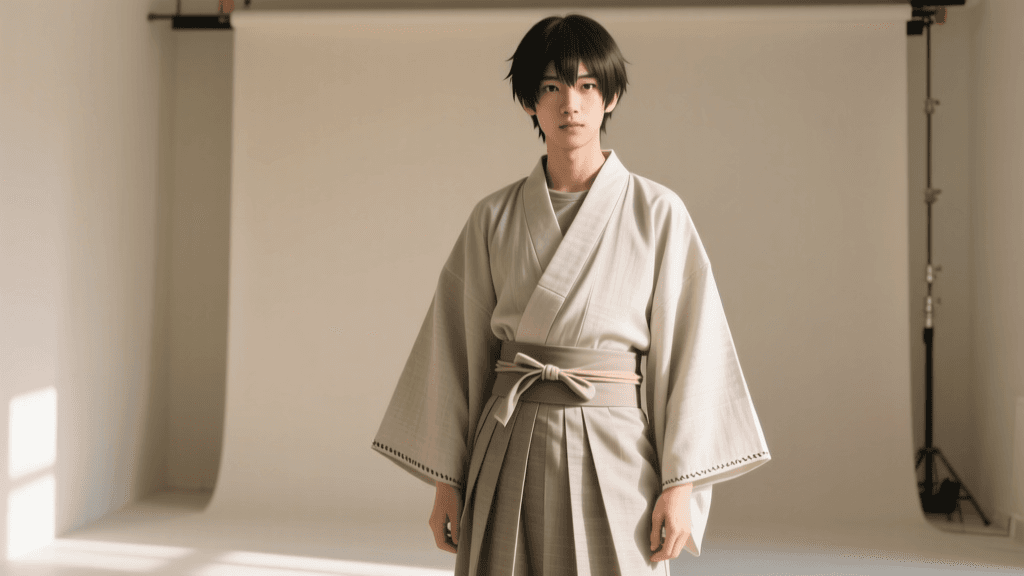
When it comes to anime and manga cosplay, few garments command as much respect, visual impact, and cultural weight as the traditional Japanese hakama. From the wandering samurai Kenshin Himura to the demon-slaying corps of the Taisho era, the hakama is a staple of Japanese character design. However, transitioning from a two-dimensional manga panel to a three-dimensional convention floor requires more than just buying a cheap Halloween costume. For cosplayers who value authenticity, movement, and craftsmanship, sourcing and styling a genuine hakama is a rewarding endeavor that bridges the gap between historical Asian traditions and modern pop culture.
According to the Metropolitan Museum of Art, the hakama originated as a protective garment for samurai horsemen, eventually evolving into a symbol of status, martial prowess, and formal etiquette. Today, anime creators leverage this historical weight to instantly communicate a character's discipline, heritage, or combat readiness. But how does a cosplayer navigate the complexities of traditional Japanese clothing to achieve an accurate, screen-perfect look? This guide covers everything from sourcing authentic pieces to mastering the intricate art of tying and folding.
Anatomy of the Hakama: What Cosplayers Need to Know
Before purchasing a hakama, it is crucial to understand its anatomy. A traditional hakama is not merely a pleated skirt; it is a highly engineered garment designed for mobility and structure.
- Umanori vs. Andon: Umanori (horse-riding) hakama are divided trousers, allowing for a full range of motion, making them ideal for action-oriented cosplays like Bleach or Demon Slayer. Andon hakama are undivided, functioning like a wide skirt, often worn by female characters or in formal, non-combat settings.
- Himo (Strings): A hakama features four himo: two long front strings and two shorter back strings. These are not mere drawstrings; they are structural elements that secure the garment over the obi (sash).
- Koshiita (Backboard): The stiff, trapezoidal board at the lower back. It provides posture support and ensures the hakama sits correctly above the obi. Cheap costume replicas often omit this, resulting in a sagging, inaccurate silhouette.
- Pleats: A standard hakama has seven deep pleats (two in the back, five in the front). These pleats are heavily symbolic in martial arts, representing the seven virtues of Bushido.
Sourcing Authentic Hakama for Cosplay
The cosplay market is flooded with mass-produced, polyester-blend hakama that lack the proper drape, weight, and pleat retention of authentic garments. To elevate your cosplay, you must source from traditional retailers or vintage markets.
Where to Buy
For brand-new, authentic martial arts or formal hakama, Japanese online retailers like Ichiroya and Yamatoku are invaluable. They ship globally and offer garments made by traditional artisans. For vintage hakama, which are often made of high-quality silk or heavy cotton and can be found at a fraction of the cost, proxy buying services like Buyee or ZenMarket allow you to bid on Yahoo! Auctions Japan.
As noted by cultural heritage resources like Japan Experience, the secondhand market in Japan is a treasure trove for traditional textiles, as many families sell off ceremonial garments that are no longer worn in daily life. This means a cosplayer can acquire a genuine, mid-century silk hakama for under $50 USD, provided they know how to navigate the proxy services.
Fabric Selection: The Secret to Convention Durability
The material of your hakama will dictate how it looks in photographs and how it survives a crowded convention hall. While silk is the most historically prestigious, it is rarely the best choice for the rigors of cosplay.
| Fabric Type | Convention Suitability | Drape & Pleat Retention | Cost Estimate (USD) |
|---|---|---|---|
| Tetron (Polyester/Rayon Blend) | Excellent. Wrinkle-resistant, machine washable, and holds pleats perfectly even after sitting. | Heavy, sharp pleats. Ideal for action poses. | $40 - $80 |
| Silk | Poor. Snags easily, water spots ruin it, and sweat can stain the delicate fibers. | Beautiful, fluid drape, but pleats can fall out without careful folding. | $100 - $300+ |
| Cotton/Linen | Good. Breathable for summer conventions, but wrinkles heavily and requires ironing. | Stiff initially, softens over time. Pleats require starching. | $60 - $120 |
| Costume Polyester | Fair. Cheap and lightweight, but looks shiny and artificial in flash photography. | Poor. Pleats are often ironed in weakly and fall out quickly. | $20 - $40 |
For most cosplayers, Tetron is the gold standard. Widely used in modern Kendo and Aikido uniforms, Tetron offers the heavy, sweeping drape seen in high-budget anime adaptations while surviving the chaos of a convention center. The Victoria and Albert Museum highlights how the evolution of textile production in Japan allowed traditional silhouettes to be adapted for modern, active lifestyles—a principle that applies perfectly to the physical demands of cosplay.
Sizing and Measurements
Unlike Western trousers, a hakama is not sized by waist and inseam. It is sized purely by length, measured from the waist (specifically, the top of the obi) to the ankle bone. The waist is universally adjustable via the himo strings.
To measure correctly for your cosplay:
- Put on your hakama base (the gi or kimono) and tie your obi exactly as you plan to wear it at the convention.
- Measure from the top edge of the obi at your back, down to the prominent bone on the outside of your ankle.
- Consult the Japanese sizing chart (usually measured in centimeters or the traditional shaku system). A standard size 24 is roughly 91cm, while a size 30 is roughly 114cm.
Pro-Tip for Cosplayers: If you plan to wear tabi boots, combat boots, or geta (wooden clogs) with your cosplay, you must adjust your length measurement accordingly. A hakama should just graze the top of the foot; if it drags on the floor, it will become soiled and pose a tripping hazard.
Obi Selection and Layering
A hakama cannot be worn without an obi, and the choice of obi drastically alters the silhouette. For male samurai archetypes, a stiff, cotton or silk kaku obi (men's sash) is required to provide a solid foundation for the koshiita to rest against. If the obi is too soft or thin, the backboard will dig into your spine and cause discomfort during long convention days. For female characters or more stylized anime designs, a wider, decorative obi tied with a simple bow at the back (hidden beneath the koshiita) can add a pop of color that contrasts beautifully with a dark hakama.
How to Tie a Hakama for a Flawless Silhouette
Tying a hakama is a ritualistic process. Doing it incorrectly will cause the garment to slip, the koshiita to sag, and the pleats to fan out awkwardly. Follow these steps to achieve the crisp, disciplined look of an anime swordsman:
- Positioning: Step into the hakama. Pull the front panel up so the top edge sits neatly over the top of your obi. The koshiita should rest firmly against your lower back, just above the obi knot.
- The Front Himo: Wrap the two long front strings around your waist, crossing them at the back, then bring them back to the front. Tie a secure, flat square knot over your navel.
- The Back Himo: Take the two shorter back strings, pull them to the front, and cross them over the front knot. Wrap them around to the back and tie them in a simple bow or tuck them neatly under the koshiita, depending on the specific martial arts or historical style you are emulating.
- Adjusting the Pleats: Once tied, run your hands down the sides of the hakama to ensure the inner and outer pleats are perfectly aligned. The front and back panels should lay flat without twisting.
Styling for Specific Anime Archetypes
Authenticity in cosplay also means understanding how traditional garments are styled within the context of the anime's universe.
The Wandering Samurai (e.g., Rurouni Kenshin, Gintama)
Pair a dark, solid-colored umanori hakama (navy, black, or charcoal) with a relaxed, unbleached cotton gi. Leave the chest slightly open or layer with a subdued haori jacket. The key here is a 'lived-in' aesthetic. Distressing the hem slightly and using a worn leather or rope obi will sell the ronin archetype.
The Taisho-Era Demon Slayer (e.g., Demon Slayer Corps)
The Taisho era (1912-1926) was a period of rapid Westernization in Japan, which is heavily reflected in anime character designs. Pair a traditional black or white hakama with Western-style leather combat boots, brass buttons, and military-inspired trench coats. The contrast between the flowing, ancient pleats of the hakama and the rigid, industrial leather of the boots creates the distinct visual tension that makes this genre so popular.
Footwear: Tabi, Geta, and Modern Crossovers
Footwear completes the hakama silhouette. Historically, hakama are worn with tabi (split-toe socks) and geta or zori (traditional sandals). For cosplayers, walking miles on convention center concrete in wooden geta is a recipe for blisters. A highly practical compromise is to wear modern jika-tabi (split-toe boots with rubber soles) or stealth-sneakers that mimic the shape of tabi. If your character design incorporates modern elements, sleek black leather combat boots or chunky platform boots can ground the flowing fabric of the hakama, giving the character a formidable, heavy-footed stance that photographs incredibly well from low angles.
The Art of Folding: Respecting the Garment
When the convention is over, you cannot simply stuff a hakama into a duffel bag. Traditional folding is essential to maintain the pleats for your next event. The folding process involves aligning the seven pleats, which symbolize the seven virtues of Bushido (Jin, Gi, Rei, Chi, Shin, Chu, Ko). By folding the garment along these specific lines, you ensure that the koshiita remains unwarped and the fabric retains its sharp, architectural lines. Investing the time to learn this folding technique is the final step in honoring the rich Asian traditions that inspire your favorite anime characters, ensuring your garment remains a staple of your cosplay wardrobe for years to come.