Digital Kitsuke: Learning Kimono Styling via Online Communities
The Rise of Digital Kitsuke
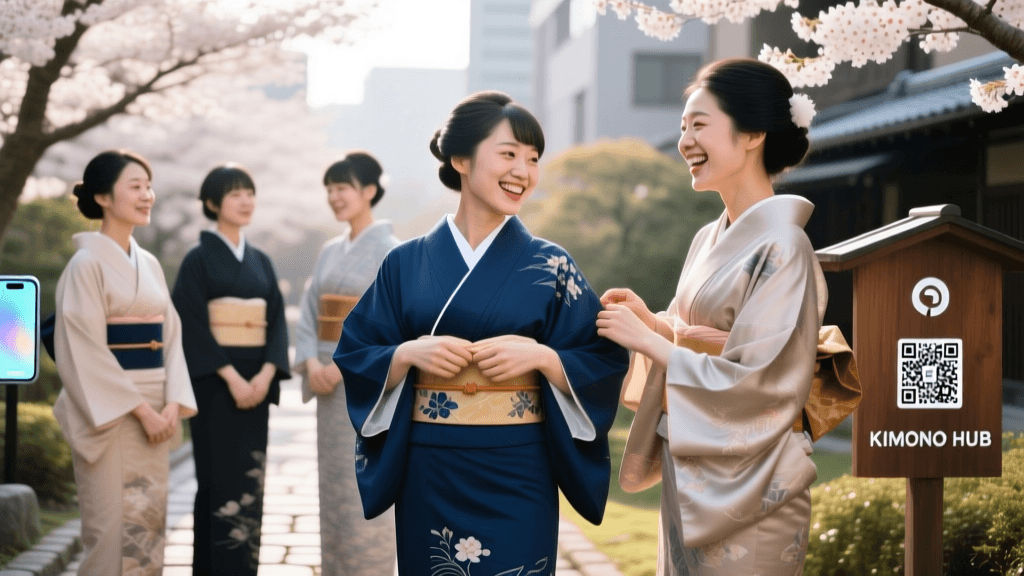
For centuries, the art of wearing a kimono, known as kitsuke, was passed down through generations or taught in strict, in-person academies across Japan. Today, a digital renaissance is transforming how enthusiasts around the world engage with traditional Japanese garments. Kimono influencers, dedicated vloggers, and vibrant online communities have democratized access to kitsuke, turning what was once considered an intimidating and rigid practice into an accessible, global hobby. According to the Metropolitan Museum of Art's Heilbrunn Timeline of Art History, the kimono has always been a dynamic garment, evolving with the times while maintaining its core structural identity. The modern digital era is simply the newest chapter in this evolution, allowing wearers to blend historical accuracy with contemporary personal expression.
Decoding the TPO Rule Through Social Media
One of the most significant hurdles for beginners is understanding the TPO rule—Time, Place, and Occasion. Historically, wearing the wrong formality level to an event could be seen as a major faux pas. Today, YouTube vloggers and Instagram influencers break down these complex sartorial codes into digestible, visual guides. Content creators frequently post 'Get Ready With Me' (GRWM) videos that explain why a specific komon (small repeating pattern) kimono is perfect for a casual cafe visit, while a houmongi (visiting wear) is required for a formal tea ceremony. This visual storytelling helps international learners grasp the nuances of Japanese formality without needing to read dense textbooks.
Platform Breakdown: Where to Find Your Digital Community
Different social platforms serve unique purposes within the global kimono community. Below is a comparison chart to help you navigate where to seek advice, shop, and share your progress.
| Platform | Best Use Case | Response Time | Skill Level Focus |
|---|---|---|---|
| Reddit (r/kimono) | Troubleshooting kitsuke issues, identifying vintage pieces, and asking formality questions. | 1-12 hours | Beginner to Advanced |
| Facebook Groups | Buying, selling, and trading vintage kimono and obi directly with other collectors. | 1-24 hours | Intermediate (Shoppers) |
| YouTube | Step-by-step visual tutorials for tying specific obi knots (musubi) and dressing. | N/A (Pre-recorded) | Beginner to Advanced |
| Instagram / TikTok | Modern styling, 'Kimono Remix' fashion, and daily outfit inspiration. | Instant (Comments) | All Levels (Fashion focus) |
| Discord Servers | Real-time chat, virtual kitsuke meetups, and immediate peer feedback. | Instant | Beginner to Intermediate |
Sourcing Vintage: A Guide to Online Proxy Markets
One of the most valuable skills taught by kimono vloggers is how to source authentic, high-quality vintage garments directly from Japan at a fraction of Western boutique prices. Influencers frequently guide their audiences through Japanese auction sites like Yahoo! Auctions Japan, Mercari Japan, and Rakuma using proxy services.
Actionable Sourcing Strategy
- Proxy Services: Platforms like Buyee, ZenMarket, and Neokyo act as middlemen. They provide you with a Japanese warehouse address, purchase the item on your behalf, and ship it internationally.
- Cost Breakdown: A vintage silk tsumugi kimono might cost ¥3,000 ($20 USD) on Mercari Japan. Add a proxy fee (usually ¥300 to ¥500) and domestic shipping (¥700). The total landed cost before international shipping is often under $35 USD.
- Search Terms: Vloggers recommend using Japanese keywords for better results. Search 'kimono' (きもの), 'obi' (帯), and 'juban' (襦袢). Add 'shinsui' (未使用 - unused) or 'junkyuu' (純絹 - pure silk) to filter for high-quality materials.
- Measurements: Always measure your body and compare it to the garment's mitake (back length) and yuki (sleeve length). A kimono's ideal length is typically your height minus 20-25 cm to allow for the ohashori (waist fold).
The Influencer-Approved Starter Toolkit
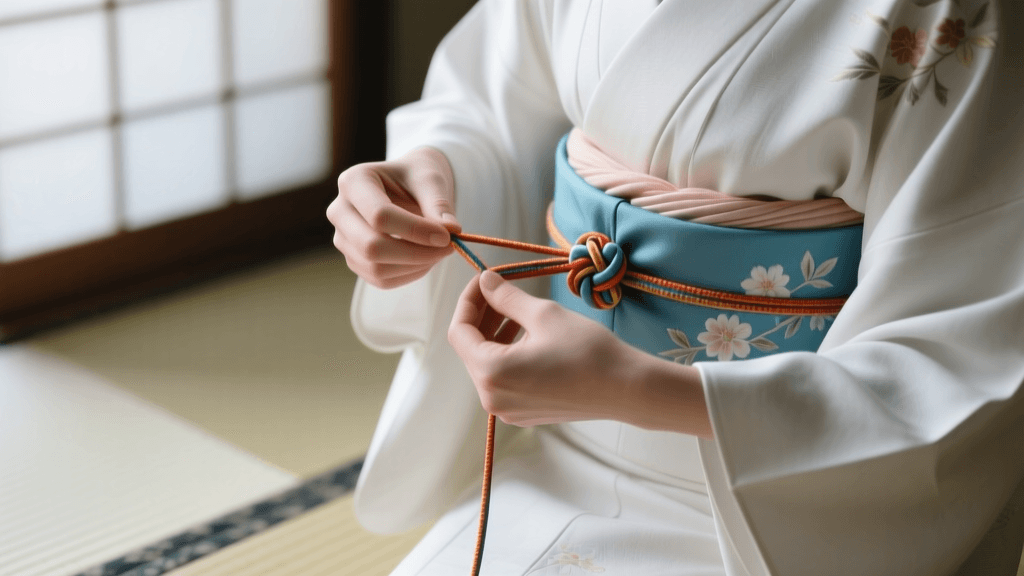
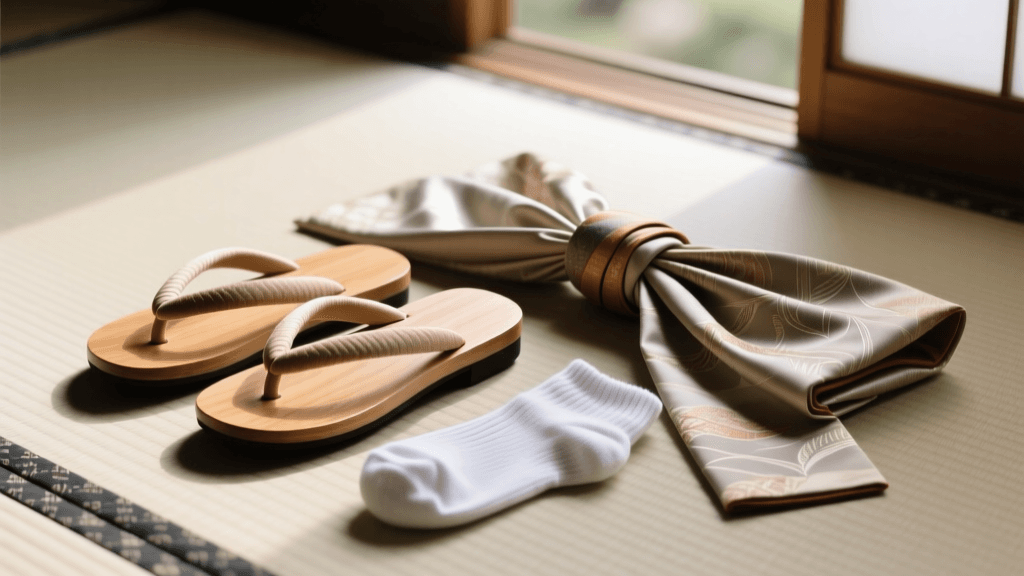
You do not need a massive budget to begin your kitsuke journey. Online communities have standardized a 'starter kit' of modern dressing aids that make the process significantly easier for beginners without traditional help. Here are the essential tools recommended by top vloggers, complete with standard measurements and average costs.
- Koshihimo (Hip Tie): These are thin ties used to secure the kimono at the waist and hips. Specs: 3.5 cm wide, 130 cm long. Made of cotton or polyester. Cost: $8 - $15 each (you need 3 to 4).
- Korin Belt: A modern invention heavily promoted by YouTubers. It is an elastic belt with a snap hook that replaces one of the traditional koshihimo, making it much easier to secure the collar in place. Specs: Adjustable, 5 cm wide elastic. Cost: $12 - $20.
- Datejime (Underbelt): A wide, flat tie used to smooth out the fabric before tying the obi. Specs: 8 to 10 cm wide, 200 cm long. Cost: $10 - $25.
- Makura (Obi Pillow): A small cushion used to give shape and volume to the obi knot. Specs: Standard size is 50 x 20 x 10 cm. Cost: $15 - $30.
- Obijime (Obi Cord): A decorative braided cord tied over the obi to secure it and add a pop of color. Specs: Roughly 150 cm long, 1 cm thick. Cost: $10 - $40 depending on material (silk vs. synthetic).
Navigating Cultural Appreciation in Digital Spaces
As the global kimono community grows, influencers play a vital role in educating their audiences on cultural respect. The line between appreciation and appropriation is a frequent topic of discussion in Reddit threads and Discord servers. The general consensus fostered by Japanese and non-Japanese educators alike is that wearing a kimono with respect for its origins, proper care, and understanding of its cultural weight is widely celebrated. The Victoria and Albert Museum's 'Kimono: Kyoto to Catwalk' exhibition extensively documented how the garment has historically been an item of global trade and cross-cultural exchange, proving that international appreciation is not a new phenomenon.
Online communities actively discourage 'costume' wear, such as mixing kimono with inaccurate geisha or maiko makeup for Halloween, and instead encourage learners to study authentic styling, proper folding methods (tatamu), and garment storage. Influencers often host live Q&A sessions to address these sensitivities, ensuring that the global spread of kitsuke remains rooted in respect.
Taking Your Digital Skills into the Real World
The ultimate goal for many digital learners is to wear their kimono in Japan. After months of practicing in front of a ring light and seeking feedback from Reddit users, enthusiasts often plan destination trips to attend seasonal events like the Gion Matsuri in Kyoto or local hanami (cherry blossom viewing) parties. For those looking to experience these traditions firsthand after learning online, the Japan National Tourism Organization (JNTO) offers extensive guides on regional festivals, tea ceremonies, and authentic cultural experiences where a properly worn kimono will be met with immense warmth and hospitality.
Conclusion
The digital era has not diluted the tradition of the kimono; rather, it has provided it with a vital lifeline. Through the dedication of vloggers, the collective knowledge of forum moderators, and the visual inspiration of Instagram stylists, kitsuke has transcended geographical boundaries. By leveraging online proxy markets, utilizing modern dressing aids, and engaging respectfully with global communities, anyone can participate in the living, breathing tradition of Japanese garment culture. Whether you are tying your first bunko knot in your bedroom or walking the streets of Higashiyama in a vintage silk komon, the digital kimono community is always just a click away, ready to offer guidance, praise, and camaraderie.