Mastering Kimono Accessories: Zori, Tabi, and Obi Accents Guide
The Ecosystem of the Kimono Ensemble
When we think of traditional Japanese clothing, the sweeping sleeves and intricate patterns of the kimono immediately come to mind. However, as noted by the Metropolitan Museum of Art, the kimono is not merely a standalone garment; it is the centerpiece of a complex, highly regulated ecosystem of accessories. To wear a kimono correctly is to understand the delicate balance of textures, colors, and formalities that extend from the waist down to the soles of your feet. This guide delves into the essential accessories—tabi, zori, geta, and obi accents—providing actionable advice for collectors, practitioners, and enthusiasts looking to master the art of Japanese traditional dress.
Tabi: The Foundation of Traditional Footwear
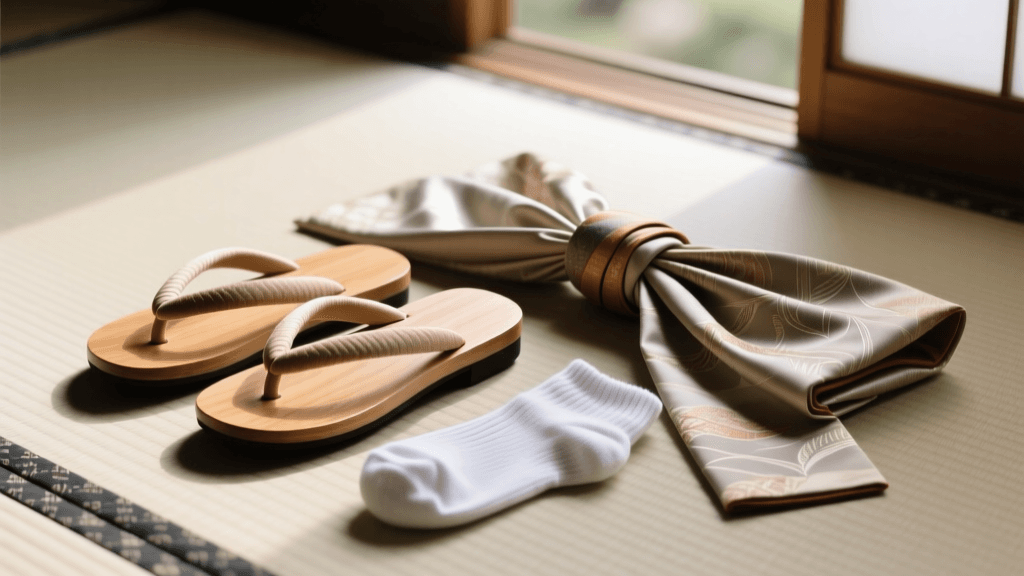
No kimono ensemble is complete without tabi, the traditional split-toe socks that have been worn in Japan since the 15th century. Originally crafted from leather for the samurai class, modern tabi are typically made from cotton or synthetic blends, featuring a reinforced sole and a unique fastening system.
Sizing and Fit
Unlike Western socks that rely on elastic stretch, formal tabi are tailored to exact foot measurements. They are sized in centimeters (e.g., 22.0 cm, 23.5 cm, 25.0 cm). A proper fit is crucial; tabi should be snug enough to prevent wrinkling around the ankles but loose enough to allow the toes to flex when walking. When purchasing vintage or antique tabi, always check the stamped measurement on the inner sole, as sizing can vary slightly between mid-century makers and modern manufacturers.
Kohaze: The Metal Clasps
Formal tabi are secured at the back of the ankle using kohaze (metal clasps) that hook into woven cotton loops. Standard everyday tabi feature four kohaze, while highly formal tabi worn with kurotomesode (black crested kimono) or furisode (long-sleeved kimono) feature five kohaze. The extra clasp provides a higher, smoother fit that prevents the hem of the kimono from catching on the ankle.
Color Rules
- White: The absolute standard for formal wear, weddings, and tea ceremonies. White tabi must be kept impeccably clean and brightly bleached.
- Black or Navy: Acceptable for men's formal and semi-formal wear, as well as for women in specific mourning contexts.
- Patterned or Colored: Reserved exclusively for casual wear, such as pairing with a yukata or a casual komon kimono. These often feature seasonal motifs like cherry blossoms or autumn leaves.
Zori and Geta: Stepping in Tradition
While tabi protect the feet, zori and geta elevate the wearer, literally and figuratively. Understanding the distinction between these two types of footwear is critical for maintaining the correct level of formality.
Zori: The Versatile Formal Sandal
Zori are flat, thonged sandals that can be made from a variety of materials, including woven straw (tatami-omote), vinyl, leather, and silk brocade. The formality of a zori is dictated by its material, color, and heel height.
- Materials: Gold or silver brocade and thick, padded vinyl are reserved for formal occasions. Woven igusa (rush grass) or bamboo are strictly casual.
- Heel Height: Casual zori are nearly flat (around 2-3 cm). Formal zori feature a thicker, elevated heel (5-8 cm) that forces the wearer to take smaller, more elegant steps, preventing the kimono hem from dragging on the ground.
- Hanao (Thongs): The thongs of a formal zori are usually thick, padded, and covered in matching brocade or velvet. For casual wear, the hanao may be made of simple velvet or synthetic leather.
Geta: The Wooden Clog
Geta are wooden sandals elevated by one or two 'teeth' (ha) on the underside. They produce a distinctive clacking sound when walking. Geta are inherently casual and are traditionally paired with yukata (summer cotton kimono) or casual wool kimono. They are rarely worn with formal silk kimono, with the exception of specific regional festivals or maiko (apprentice geisha) who wear specialized, towering okobo geta.
The Waist Details: Obiage, Obijime, and Obidome
The obi (sash) is the most expensive and visually dominant accessory in the kimono ensemble, but it is the smaller accents that truly demonstrate a wearer's refined taste. As highlighted in the Victoria and Albert Museum's extensive research on Japanese dress, the layering of accessories at the waist creates a canvas for subtle, seasonal expression.
Obiage: The Silk Sash Scarf
The obiage is a piece of silk crepe (chirimen) used to cover the top of the obi makura (pillow) that gives the obi knot its volume. Only a sliver of the obiage should be visible above the obi. For formal wear, the obiage is typically brightly colored (often red or pink) and tied tightly so it sits flush against the body. For casual wear, it can be shown more prominently and tied in decorative knots.
Obijime: The Braided Cord
The obijime is a braided silk cord tied over the center of the obi to secure the knot. The thickness and texture of the cord indicate formality. Thin, flat, tightly braided cords in gold, silver, or white are used for formal events. Thicker, rounder, and more colorful cords are used for casual outings. The knot used to tie the obijime is typically the hon-musubi (a flat, symmetrical square knot), which symbolizes eternity and unbreakable bonds.
Obidome: The Decorative Brooch
For semi-formal or casual kimono, an obidome (a small decorative bead or brooch) can be threaded onto the obijime. These are often crafted from coral, jade, lacquer, or glass, and feature seasonal motifs. Obidome are never worn with the highest levels of formal kimono (like kurotomesode), as the metallic threads of the formal obijime provide sufficient decoration on their own.
Formality Chart: Matching Accessories to Kimono
Coordinating your accessories with your kimono type is essential to avoid fashion faux pas in traditional Japanese culture. Use the following chart as a quick reference guide when assembling your outfit.
| Kimono Type | Footwear (Zori/Geta) | Tabi Color | Obijime Style | Obiage Style |
|---|---|---|---|---|
| Kurotomesode (Formal Black) | Gold/Silver Brocade Zori (High Heel) | White (5-kohaze) | Flat Gold/Silver Braid | White or Red Crepe |
| Furisode (Long Sleeve) | Brocade or Padded Vinyl Zori | White (5-kohaze) | Thick Decorative Braid | Bright Patterned Crepe |
| Houmongi (Visiting) | Vinyl or Leather Zori (Mid Heel) | White (4-kohaze) | Round or Flat Color Braid | Seasonal Color Crepe |
| Komon (Casual Pattern) | Low Heel Vinyl or Straw Zori | White or Patterned | Thick Round Wool/Silk | Visible Decorative Tie |
| Yukata (Summer Cotton) | Geta (Wooden) or Bare feet | None (or Patterned Tabi) | Not Applicable | Not Applicable |
Sourcing, Fitting, and Caring for Your Accessories
Building a collection of kimono accessories requires an understanding of both the vintage market and modern manufacturing. Vintage zori can be found for $20 to $50 at online auctions or antique markets, but buyers must be cautious. The synthetic soles of mid-century zori often degrade, becoming sticky or crumbling over time. Always inspect the sole material; if it leaves a mark on your finger, the polyurethane has hydrolyzed and the shoes are unwearable. Modern, high-quality formal zori from established Kyoto makers typically range from $150 to $300.
Caring for your accessories ensures their longevity. Tabi should be hand-washed in cold water with a mild detergent and air-dried in the shade to prevent the cotton from yellowing. Never put formal tabi in a tumble dryer, as the heat will warp the stiffened sole. Zori should be stored in a cool, dry place away from direct sunlight, which can fade the delicate silk brocade and crack the vinyl bases. Stuff the toe area of the zori with acid-free tissue paper to help the hanao retain their shape.
'The beauty of the kimono lies not just in the silk of the garment, but in the quiet harmony of the accessories that ground it. A perfectly tied obijime and a pristine white tabi speak volumes of the wearer's respect for the tradition.'
Mastering the art of kimono accessories takes time, observation, and practice. By understanding the historical context, the strict rules of formality, and the practical nuances of fit and care, you can elevate your traditional Japanese wardrobe from a simple costume to a profound expression of cultural heritage. Whether you are attending a formal tea ceremony, a summer festival, or simply organizing your vintage collection, these guidelines will ensure you step forward with confidence and grace.