Yukata Vs Jinbei: 2026 Japanese Summer Fashion Guide
Introduction to Japanese Summer Wear in 2026
Summer in Japan is a vibrant, sensory-rich season defined by the chorus of cicadas, the glow of paper lanterns, and the explosive colors of fireworks illuminating the night sky. As travelers and locals alike prepare for the 2026 summer festival season, the question of what to wear becomes a delightful cultural exploration. While Western summer fashion focuses on minimal layers, Japanese summer traditions offer specialized garments designed to combat high humidity while maintaining a deep connection to heritage. The two undisputed champions of Japanese summer casual wear are the yukata and the jinbei. Though both are lightweight and breathable, they serve distinctly different purposes, carry unique historical weights, and follow separate styling rules. Whether you are navigating the crowded streets of Tokyo's Asakusa district during a major matsuri or relaxing in a coastal onsen town, understanding the nuances between these two garments is essential for your 2026 wardrobe.
The Yukata: Elegance Meets Tradition
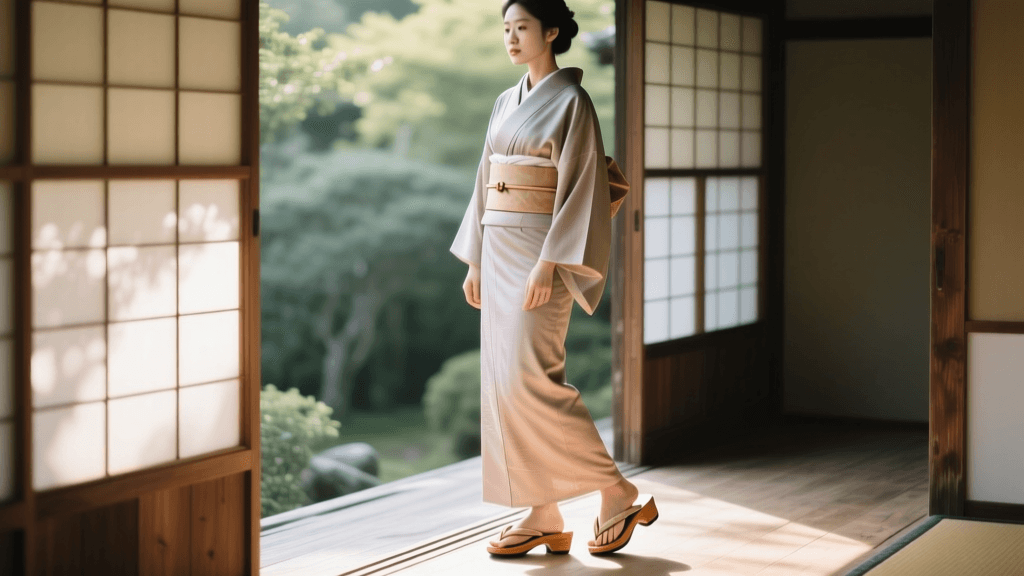
The yukata is a lightweight, unlined cotton kimono that traces its origins back to the Heian period (794–1185), when it was known as the yu-katabira—a linen bathing robe worn by aristocrats to absorb moisture after bathing. By the Edo period, it had evolved into the everyday cotton casual wear of the masses. Today, the yukata is the quintessential festival garment. According to Japan Guide's comprehensive guide to Japanese clothing, the yukata remains the most accessible form of traditional kimono, bridging the gap between ancient sartorial rules and modern summer fashion.
Key Features and Terminology
- Hitoe (Unlined): Unlike formal kimono, yukata are completely unlined, making them highly breathable.
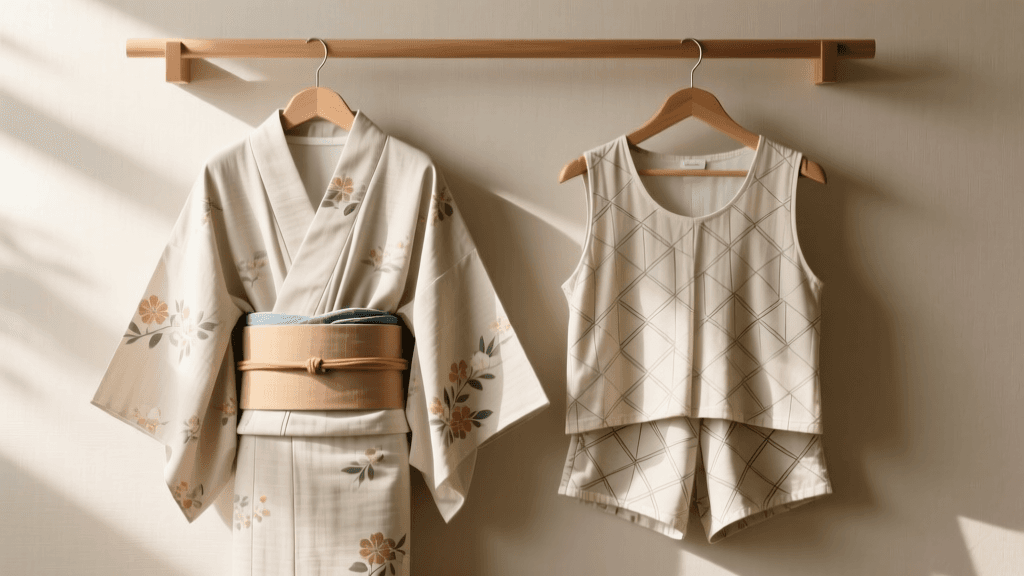
- Obi: A sash used to secure the garment. Women typically wear wider, more decorative obi tied in elaborate bows at the back, while men wear narrower, simpler obi tied at the front or side.
- Okumi and Furi: The front panels and sleeve openings are designed to allow air circulation, acting as a natural cooling system.
- Koshihimo: Thin cotton ties used underneath the obi to hold the heavy fabric in place while dressing.
In 2026, the yukata market has seen a massive surge in 'smart-cotton' blends—fabrics treated with natural, eco-friendly botanical finishes that resist wrinkling and wick away sweat, perfect for long days exploring shrine grounds.
The Jinbei: Ultimate Casual Comfort
If the yukata is the elegant star of the festival, the jinbei is the unsung hero of everyday summer comfort. Originally designed as indoor loungewear for men during the Edo period, the jinbei takes its name from jinbei-jima, a type of striped cotton fabric popular at the time. It is a two-piece ensemble consisting of a short-sleeved, kimono-collared top (uwagi) and matching shorts or cropped pants (zubon). While historically reserved for men and children, the 2026 fashion landscape has fully embraced women's jinbei, featuring modern silhouettes, lace trims, and vibrant floral prints that rival high-end resort wear.
Key Features and Terminology
- Himo (Ties): Instead of an obi, the jinbei top is secured by two sets of simple cotton strings—one inside and one outside—allowing for adjustable, effortless wear.
- Shijira-ori: A traditional seersucker-like weaving technique that creates a textured, puckered surface. This prevents the fabric from clinging to sweaty skin, making it the premier textile choice for premium jinbei in 2026.
- Elastic or Drawstring Waists: The bottoms prioritize mobility and comfort, often featuring modern elastic bands hidden beneath traditional drawstrings.
Head-to-Head Comparison: Yukata vs. Jinbei
To help you decide which garment to pack or purchase for your 2026 summer itinerary, here is a detailed breakdown of their core differences.
| Feature | Yukata | Jinbei |
|---|---|---|
| Formality | Semi-formal / Festival Appropriate | Casual / Loungewear / Streetwear |
| Pieces | One-piece wrap garment | Two-piece (top and shorts/pants) |
| Fastening | Obi belt, koshihimo, datejime | Simple cotton string ties (himo) |
| Mobility | Restricted stride due to narrow hem | High mobility, ideal for walking |
| Footwear Pairing | Geta (wooden clogs) or Zori | Sandals, espadrilles, or sneakers |
| Dressing Time | 10–20 minutes (requires technique) | 1–2 minutes (as easy as a t-shirt) |
| 2026 Avg. Price | ¥4,000 – ¥15,000 ($25 – $100 USD) | ¥2,500 – ¥8,000 ($15 – $55 USD) |
When to Wear What: 2026 Occasion Guide
Choosing between a yukata and a jinbei depends entirely on your itinerary, the venue, and the level of formality expected. Misjudging the dress code isn't a severe faux pas, but wearing the right garment enhances your cultural immersion.
Fireworks Festivals (Hanabi Taikai) and Major Matsuri
For grand spectacles like the Sumidagawa or Nagaoka fireworks festivals, the yukata is mandatory. As noted in Japan Guide's summer festival directory, these events are peak seasons for traditional dress. The sweeping silhouette of a yukata photographed against a backdrop of fireworks is a quintessential Japanese summer memory. Wearing a jinbei to a major hanabi event would be akin to wearing sweatpants to a theater premiere—comfortable, but socially underdressed.
Bon Odori and Local Neighborhood Shrines
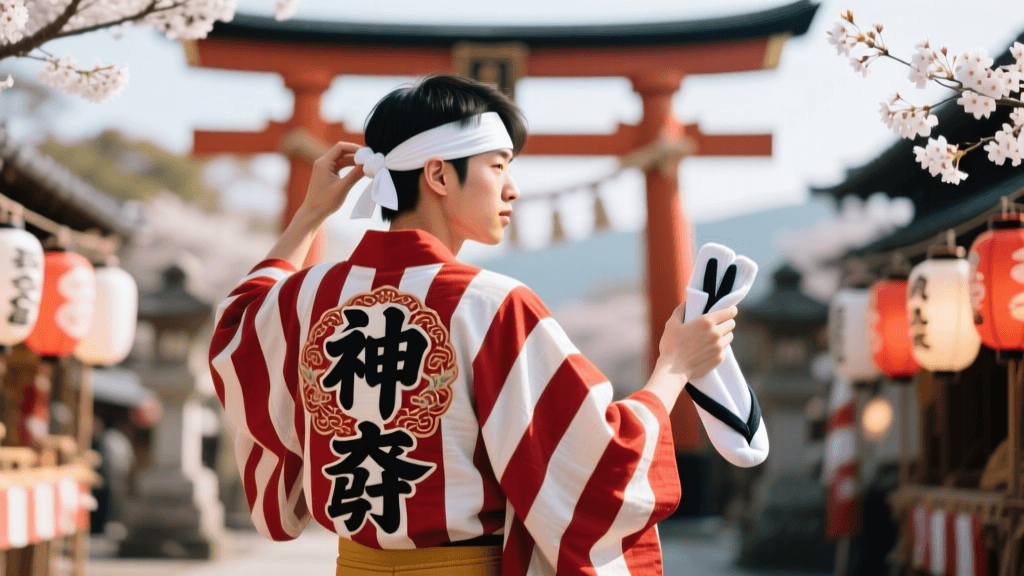
Bon Odori (traditional summer dances) often see a mix of both. If you are participating in the dance circle, a yukata with a simple, secure obi is beautiful and traditional. However, if you are simply attending a small, local neighborhood shrine festival to grab some yakisoba and play carnival games, a jinbei is highly appropriate, practical, and increasingly trendy among local youth.
Ryokan Stays and Onsen Towns
When staying at a traditional inn (ryokan), you will usually be provided with a basic, indigo-dyed yukata to wear to dinner and the baths. However, for wandering the onsen town streets, visiting local foot baths (ashiyu), or buying snacks at the convenience store, changing into your own jinbei is the ultimate insider move. It signals a relaxed, 'local' vibe and saves your provided ryokan yukata from getting stained with street food.
2026 Fabric Trends and Sustainability
The Japanese textile industry in 2026 is heavily focused on sustainability and climate adaptation. With summers growing increasingly hot, traditional cotton is being augmented with innovative weaves. Ro and sha—historically used for high-end silk summer kimono—are now being replicated in organic cotton and recycled hemp blends for yukata, offering a translucent, highly ventilated fabric. For jinbei, natural indigo dyeing (aizome) has seen a massive resurgence. Not only does natural indigo provide a stunning, deep blue hue that fades beautifully over time, but it also possesses natural antibacterial and insect-repellent properties, making it a functional choice for humid summer evenings.
Footwear and Accessories
Your garment choice dictates your accessories. The strict rules of kimono footwear have relaxed slightly in 2026, but foundational guidelines remain.
- Yukata Accessories: Pair with geta (wooden clogs) featuring soft, padded hanao (thongs) to prevent blisters. Carry a kinchaku (drawstring bag) to hold your smartphone and wallet, as yukata sleeves (tamoto) can be deep but lack security. Women often adorn their hair with kanzashi (ornamental hairpins) featuring seasonal motifs like morning glories or goldfish.
- Jinbei Accessories: Because jinbei is casual, you can pair it with modern leather sandals, woven espadrilles, or even minimalist white sneakers. A folding fan (sensu) or a rigid paper fan (uchiwa) is a must-have accessory for both garments, serving as both a cooling tool and a stylish prop.
Travel Tips: Packing and Care
One of the greatest advantages of both yukata and jinbei for the 2026 traveler is their packability. Unlike structured Western formalwear, these garments fold flat. When packing, use the traditional tatou folding method to minimize creases. If your garment does wrinkle, simply hang it in the bathroom while you take a hot shower; the ambient steam will release the creases naturally. Most modern yukata and jinbei are machine washable. Use a mesh laundry bag, wash on a gentle cold cycle with a neutral detergent, and hang dry in the shade to preserve the vibrancy of the dyes.
Conclusion
Whether you choose the sweeping elegance of a yukata for a night of fireworks or the breezy, effortless comfort of a jinbei for a afternoon temple stroll, both garments offer a profound connection to Japanese culture. By understanding the distinct roles, fabrics, and styling rules of each, you can navigate the 2026 summer season with confidence, comfort, and impeccable style.