Yukata vs Jinbei: The 2026 Japanese Summer Wear Guide
The Essence of Summer in Japan
Summer in Japan is a season of vibrant contrasts. It is a time of dazzling fireworks (hanabi), lively neighborhood dances (bon odori), and bustling street food stalls. However, it is also a season defined by intense heat and oppressive humidity. To navigate the Japanese summer comfortably while honoring cultural traditions, locals and visitors alike turn to two distinct garments: the yukata and the jinbei. As we explore the summer festival season of 2026, understanding the nuances between these two traditional garments is essential for anyone looking to dress appropriately, comfortably, and stylishly.
While both are considered casual summer wear, they serve different purposes, carry varying levels of formality, and follow distinct styling rules. This comprehensive guide will break down the differences between the yukata and the jinbei, helping you choose the perfect attire for your 2026 Japanese summer adventures.
What is a Yukata?
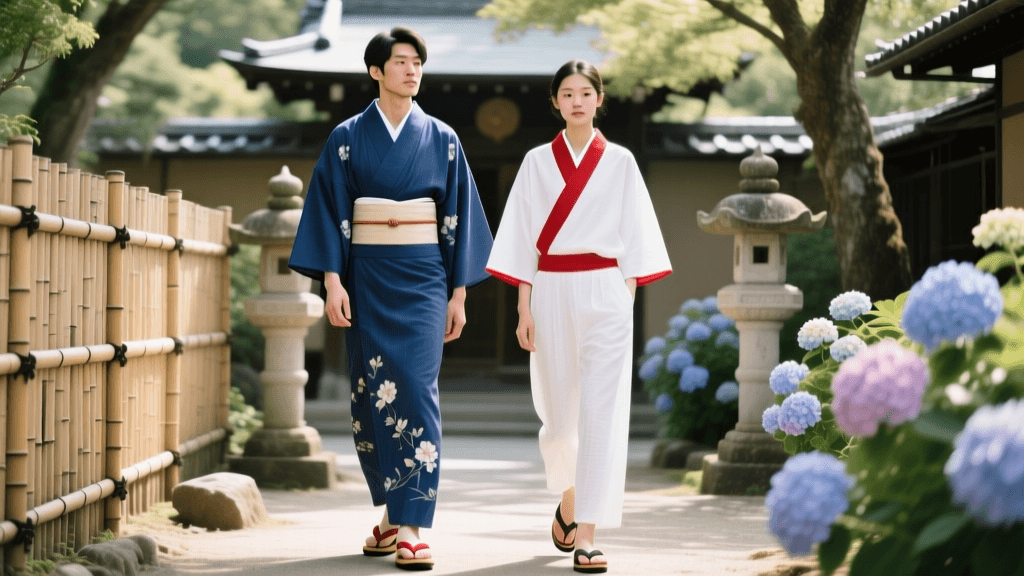
The yukata is a T-shaped, full-length robe that is the most informal version of the traditional kimono. Historically, the yukata (literally translating to 'bathing cloth') was worn by nobility in the Heian period as a bathrobe, before evolving into the everyday summer garment worn by commoners during the Edo period. According to The Metropolitan Museum of Art's historical timeline on Japanese dress, the shift from heavy, multi-layered silk garments to breathable, single-layer cotton robes was a direct response to the practical needs of Japanese summers and the rise of public bathhouse culture.
Today, the yukata is the undisputed star of summer festivals. It is typically made from lightweight cotton or modern synthetic blends designed to wick moisture. In 2026, we are seeing a massive surge in eco-friendly yukata made from recycled cotton and sustainable indigo dyes, reflecting a broader global shift toward sustainable fashion. The yukata is worn by all genders, though the patterns, sleeve lengths, and tying styles differ significantly between masculine and feminine designs.
What is a Jinbei?
If the yukata is the elegant showpiece of summer, the jinbei is the ultimate expression of breezy comfort. The jinbei is a two-piece garment consisting of a short-sleeved, wrap-style top and a pair of loose-fitting shorts. The top is tied with a simple string on the inside and another on the outside, while the shorts feature a drawstring or elastic waistband with slits on the sides of the hem for maximum airflow.
Originally designed as indoor loungewear or sleepwear for men during the sweltering summer months, the jinbei has evolved dramatically. While traditionally associated with men and children, the 2026 fashion landscape features a booming market for gender-neutral and women's jinbei sets. Modern designs often feature intricate patterns, lace trims, and tailored fits, making them increasingly acceptable as outdoor casual wear for local errands, casual neighborhood fireworks, or relaxing at a hot spring resort.
Head-to-Head Comparison: Yukata vs. Jinbei
To help you decide which garment suits your itinerary, here is a detailed comparison of their core features based on current 2026 market standards and cultural norms.
| Feature | Yukata | Jinbei |
|---|---|---|
| Garment Type | One-piece full-length wrap robe | Two-piece set (short-sleeve top and shorts) |
| Formality Level | Semi-casual (Acceptable at major public events) | Highly casual (Loungewear, local errands) |
| Primary Occasions | Fireworks festivals, Bon Odori, temple visits, ryokan dining | Lounging at home, ryokan sleeping, casual neighborhood strolls |
| Standard Footwear | Geta (wooden clogs) with tabi socks, or zori sandals | Barefoot, casual sandals, or sneakers |
| Average 2026 Price (USD) | $35 - $120 (for a complete starter set with obi) | $20 - $60 (for a matching top and bottom set) |
| Dressing Difficulty | Moderate (Requires proper wrapping and obi tying) | Very Easy (Simple string ties and drawstrings) |
Festival Etiquette: Which to Wear When?
Choosing between a yukata and a jinbei largely depends on the specific event you are attending. As outlined in Japan Guide's comprehensive festival etiquette overview, understanding the unspoken dress codes of a matsuri (festival) ensures you blend in respectfully.
Major Fireworks Festivals (Hanabi Taikai)
For large-scale, highly publicized fireworks festivals, the yukata is the gold standard. These events are treated as major social outings, and attendees take the opportunity to dress up. Wearing a jinbei to a major metropolitan fireworks display might make you feel underdressed, as the atmosphere leans heavily toward romantic and festive elegance. A beautifully patterned yukata paired with a decorative obi belt is the perfect choice here.
Bon Odori (Summer Dances)
Bon Odori are traditional dances held to welcome the spirits of ancestors. Participants form circles around a central yagura (scaffold) and dance to folk music. Because of the physical movement involved, a yukata is preferred for its flowing aesthetic, but it must be hemmed properly so you do not trip. Some locals opt for a shorter, modern yukata or a very nice, coordinated jinbei if the dance is highly informal and localized to a small neighborhood block.
Ryokan (Traditional Inn) Stays
When staying at a ryokan, both garments will likely be provided in your room. The yukata is intended to be worn to the communal dining room, the onsen (hot spring) changing area, or while strolling the inn's gardens. The jinbei, however, is strictly for lounging in your private room, sleeping, or perhaps stepping out to a nearby convenience store. Wearing a jinbei to a formal ryokan kaiseki dinner is generally considered a faux pas.
Footwear and Accessories for 2026
The garment is only half the equation; accessories dictate the final look and comfort level.
- Yukata Footwear: Traditional geta (wooden sandals) are the standard pairing. In 2026, ergonomic geta with rubberized grips and cushioned thongs are highly popular, preventing the blisters that historically plagued tourists. If you are wearing a feminine yukata, bare feet in geta are standard, though sheer, modern tabi-style ankle socks are trending for added comfort.
- Yukata Accessories: A folding fan (sensu) tucked into the obi is both a stylish prop and a practical tool for the heat. Small, decorative pouches (kinchaku) are used to carry essentials, as yukata sleeves, while deep, can drop items when sitting.
- Jinbei Footwear: Because the jinbei is inherently casual, it pairs perfectly with modern casual footwear. Leather slides, woven sandals, or even clean canvas sneakers are entirely acceptable and highly practical for walking long distances.
The Golden Rule of Wrapping
If you choose to wear a yukata or a jinbei top, you must adhere to the most critical rule of Japanese traditional dress: always wrap the left side over the right side.
As detailed in Tofugu's comprehensive guide on yukata, wrapping the right side over the left is strictly reserved for dressing the deceased for burial. Making this mistake at a lively summer festival is considered highly inauspicious and will immediately mark you as unfamiliar with the culture. To remember this, simply think of forming the collar into the shape of the letter 'y' when looking down at yourself. This rule applies equally to the tops of both men's and women's jinbei sets.
Sizing and Fit Considerations
Unlike Western clothing, which relies on complex sizing charts for bust, waist, and hips, traditional Japanese garments are largely governed by length and width. Yukata are typically sold in standard lengths based on your height. For a proper fit in 2026, the hem of a women's yukata should fall at the ankle, allowing for a slight 'ohashori' (a folded tuck at the waist) which allows for length adjustment. Men's yukata are worn without the waist tuck, so the hem should rest just above the ankle bone.
Jinbei sizing is much more akin to Western casual wear, utilizing standard S, M, L, and XL designations. Because the top is a wrap style and the bottoms feature drawstrings, they offer a forgiving, relaxed fit that accommodates various body types with ease.
Caring for Your Summer Garments
One of the greatest advantages of both the yukata and the jinbei is their ease of maintenance. Unlike formal silk kimonos that require expensive professional dry cleaning, modern cotton and linen summer garments are designed to be washed at home. To preserve the vibrant indigo and digital prints popular in 2026 collections, it is recommended to hand wash them in cold water with a mild detergent, or use a delicate machine cycle inside a mesh laundry bag. Always hang them to dry in the shade; direct sunlight will rapidly fade the natural dyes and weaken the cotton fibers over time.
Conclusion
Whether you are donning a flowing yukata to watch fireworks illuminate the Tokyo skyline, or slipping into a breezy jinbei to enjoy a cold melon soda on a quiet neighborhood porch, Japan's traditional summer wear offers a perfect blend of cultural heritage and practical design. By understanding the distinct roles, etiquette, and styling nuances of these garments, you can fully immerse yourself in the magic of the Japanese summer, staying cool and culturally respectful all season long.